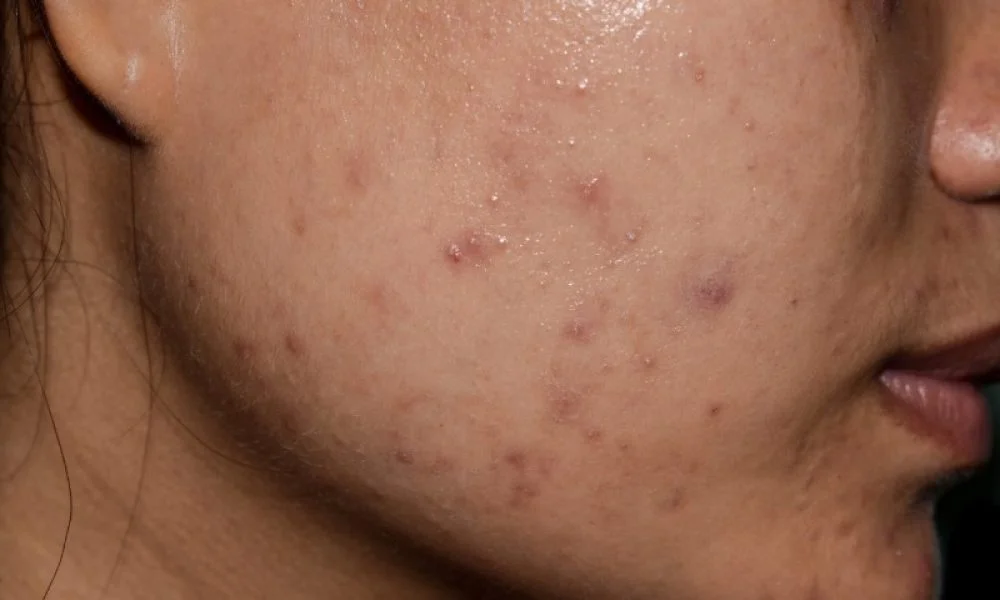
Key Takeaways
- Accutane can cause facial redness because it reduces oil production and weakens the skin barrier.
- Redness may appear as flushing, warmth, burning, peeling, or sensitivity, especially early in treatment.
- Sun exposure, heat, exercise, harsh products, and over-exfoliation can worsen redness.
- Gentle cleansing, moisturizer, lip balm, and daily broad-spectrum sunscreen can help reduce irritation.
- Severe burning, swelling, rash, painful peeling, or persistent redness should be reviewed by a dermatologist.
Can Accutane cause red face?
Yes, isotretinoin can cause facial redness or flushing in some patients. This can happen because the medication reduces sebum production in the sebaceous glands, which alters how the skin barrier retains moisture.
Facial redness can appear with dry skin, peeling, warmth, or sensitivity. It may feel more noticeable after heat, sun exposure, exercise, or harsh skincare products. Redness does not always mean the medication is unsafe, but it should be monitored.
Why Accutane Causes Redness
Accutane treatment works by reducing sebaceous gland activity. This helps treat severe acne, including cystic acne, but it also lowers the skin’s natural oil. Less oil can make the skin feel dry, tight, and more prone to irritation.
Dryness and Skin Barrier Changes
Dryness is one of the most common side effects of isotretinoin. Many patients notice dry lips, peeling skin, dry eyes, and facial sensitivity. Lip balm, gentle moisturizer, and mild cleansers often become part of daily care.
When the skin barrier weakens, small triggers can cause visible redness. The face may sting after washing or feel irritated after using products that were previously tolerated.
Sun, Heat, and Product Sensitivity
Isotretinoin can make skin more sensitive to sunlight. Sun exposure may worsen redness, burning, and irritation. Heat, hot showers, spicy foods, alcohol, and intense exercise may also trigger flushing.
Harsh acne treatments can make redness worse. Scrubs, exfoliating acids, benzoyl peroxide, and retinoids may be too irritating unless a dermatologist says otherwise.
Accutane Red Hot Face Explained
A red hot face on Accutane often feels like flushing, and this guide to Accutane redness explains the symptom in more detail. The skin may look pink, red, or blotchy. Some patients also feel warmth, burning, or tightness.
Flushing, Warmth, and Burning
Flushing occurs when blood vessels near the skin’s surface dilate. During isotretinoin use, the skin may react more strongly to heat and irritation. This can make normal flushing feel stronger than usual.
Mild warmth may accompany dryness and sensitivity. Strong burning, swelling, rash, or pain should not be ignored.
Redness vs Acne Marks or Rosacea
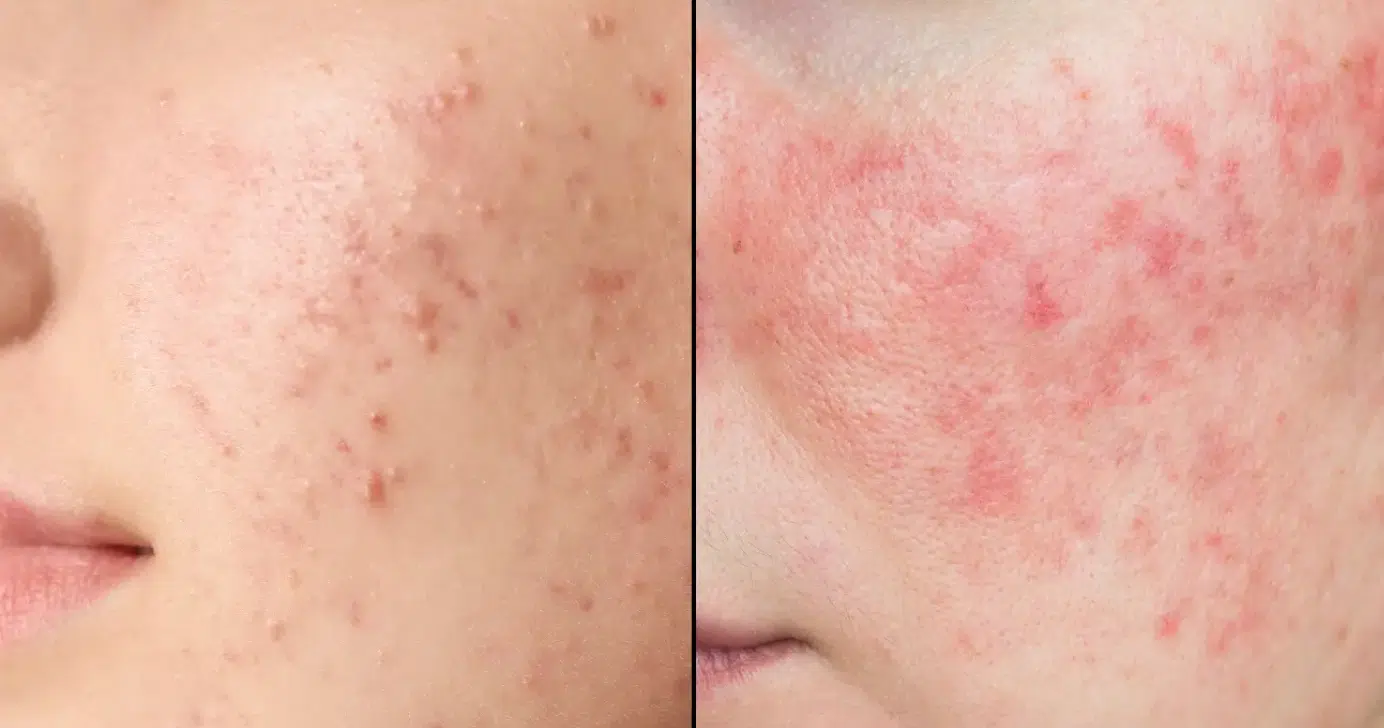
Accutane redness is not always the same as acne marks. Acne marks are usually flat pink, red, brown, or purple spots left after inflammation. They do not usually feel hot or suddenly flush.
Rosacea can also cause redness, warmth, and flushing. If redness existed before isotretinoin or persists after treatment, a dermatologist may check for rosacea or another skin condition.
Does Accutane Redness Go Away?

Accutane redness goes away for many patients after the skin adjusts or after treatment ends. The timeline varies. Skin type, dose, sun exposure, skincare habits, and baseline sensitivity all matter.
How Long Can Flushing Last
Flushing while on treatment can last from a few minutes to a few hours. It may happen once in a while or come back several times during the day, especially after heat, exercise, alcohol, spicy foods, or sun exposure.
Flushing is more noticeable during the first 4 to 8 weeks or after a dose increase. It may become less frequent once dryness, irritation, and skin sensitivity are better controlled. In some cases, mild flushing can persist throughout treatment and gradually improve after the medication is reduced or discontinued.
Face Redness After Stopping Accutane
Redness often improves as oil production slowly returns. This may take weeks or months. Persistent redness may need evaluation, especially if it resembles rosacea or ongoing dermatitis.
How to Reduce Accutane Redness
The goal is to protect the skin barrier and reduce triggers. Simple care usually works better than active-heavy routines during isotretinoin treatment.
Gentle Cleansing and Moisturizing
Use a mild cleanser and avoid scrubbing. Apply moisturizer after washing while skin is slightly damp. Choose fragrance-free products when possible.
Daily Sun Protection
Use broad-spectrum sunscreen every morning. Hats, shade, and avoiding peak sun can also help. Sun protection is important because isotretinoin can make skin more sensitive.
Ingredients and Habits to Avoid
Avoid exfoliating scrubs, strong acids, alcohol-based toners, and unnecessary acne treatments. Do not pick peeling skin. These habits can worsen facial redness and irritation.
When Redness May Need Medical Review 
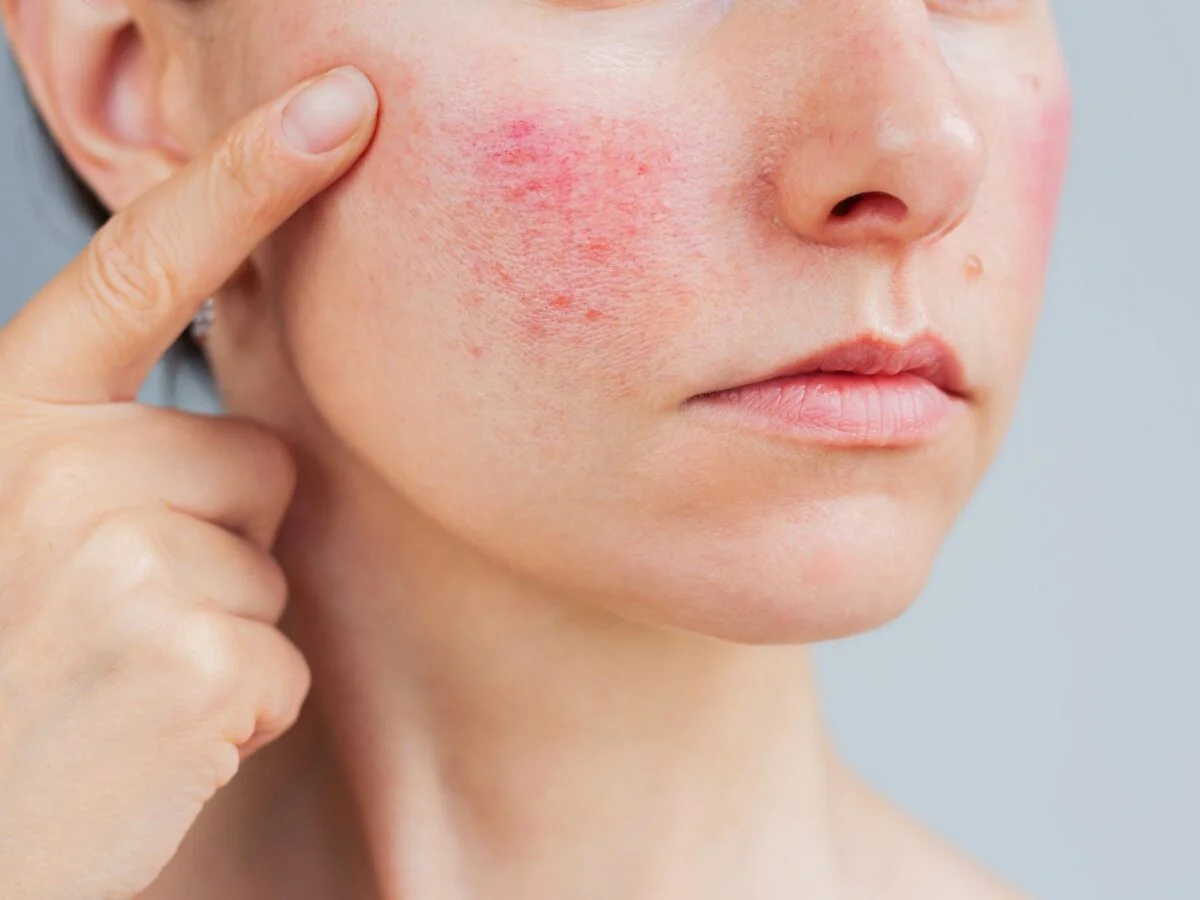
Some redness is expected. Contact a dermatologist if redness is severe, painful, or swollen, or if it is accompanied by rash, crusting, or intense peeling, especially if it resembles a dermatological rash.
Allergy, Irritation, or Rosacea
Redness may come from dryness, irritation, allergy, or rosacea. The cause changes the care plan. A dermatologist can help separate these possibilities.
Severe Burning, Swelling, or Peeling
Severe burning, swelling, open cracks, or painful peeling need medical review. These signs may indicate that the skin barrier is overly irritated. Medication adjustments may be needed.
Dose and Medication Questions
Do not stop or change isotretinoin without medical guidance. Dose changes depend on acne severity, side effects, and treatment goals. DermOnDemand discusses isotretinoin questions in an educational context, and patients can start treatment only through a clinician-guided process. Medication decisions should come from a clinician who knows your case.