Key Takeaways
- Accutane-induced sweating can occur in some patients, but it is not among the most common side effects of isotretinoin.
- Sweating may be related to heat, exercise, stress, illness, hormones, other medications, or changes in the skin’s response during treatment.
- Dry skin does not always mean reduced sweating, because oil glands and sweat glands function differently.
- Sweating needs medical review if accompanied by fever, chest pain, weakness, shortness of breath, fainting, or a severe headache.
- Mild sweating may be managed with light clothing, hydration, gentle skin care, and tracking triggers without changing isotretinoin use without medical guidance.
Does Isotretinoin Make You Sweat?
Isotretinoin can cause increased sweating in some patients, although the exact frequency is unknown. Isotretinoin is an oral medication used to treat severe acne when other treatments have been ineffective. Accutane is a brand name for isotretinoin, and generic versions are also available.
The Mayo Clinic lists sweating as a possible side effect. Doctors may use it when other acne treatments have not worked well enough, and some patients also want to understand whether Accutane results are permanent.
Sweating as a Side Effect
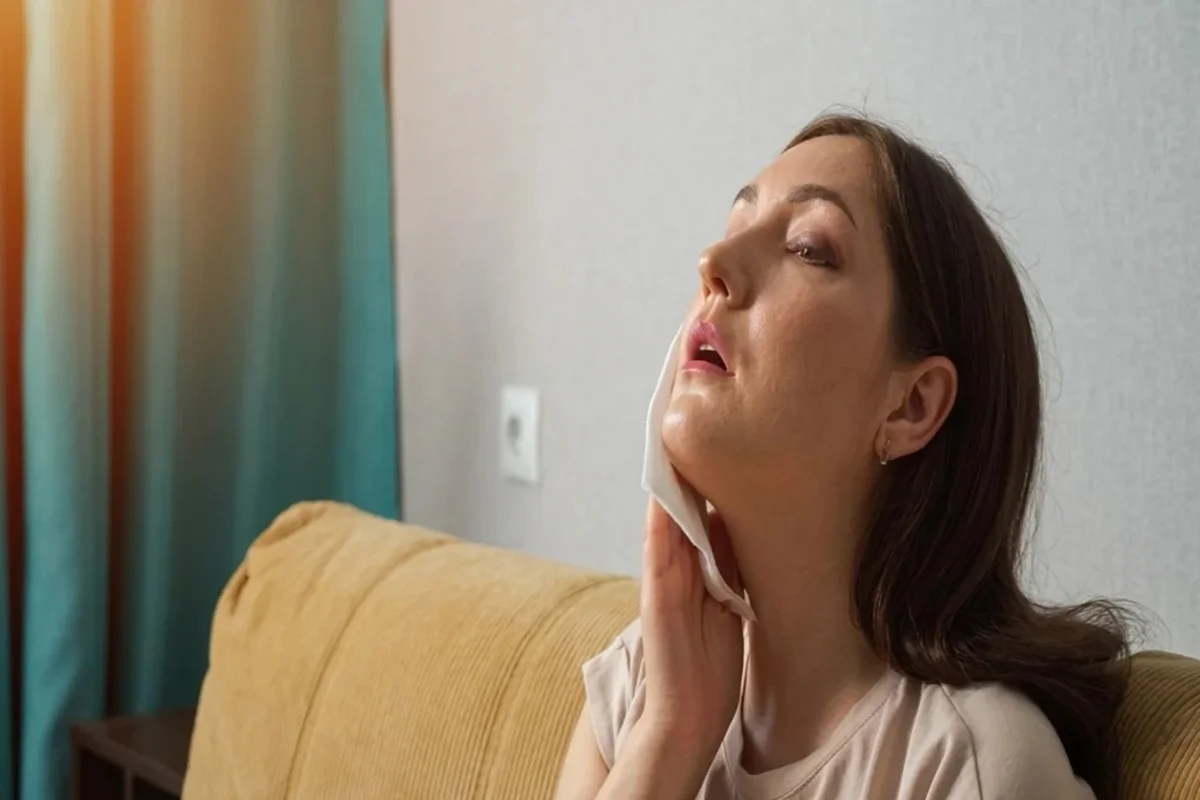
Can Accutane cause sweating? Yes, some people may sweat more while taking isotretinoin. Although it is not a common side effect, it can occur. Dry lips, dry skin, dry eyes, sun sensitivity, and skin irritation are more common.
Accutane and sweating can feel confusing because the medicine often dries the skin. A person may have dry skin, cracked lips, or peeling and still sweat more than usual. This may happen during heat, exercise, sleep, or stress. Oil glands and sweat glands perform different functions, so both symptoms can occur at the same time.
What Research Suggests
One small study looked at 11 acne patients who took isotretinoin for 3 to 7 months. The study found no significant change in water loss from the back of the skin. It found that sweat glands appeared to react more during treatment. Three patients also reported increased sweating, but they did not find it very troubling.
This study does not mean every patient will sweat more on isotretinoin. It offers one possible reason why some patients notice changes in sweating. The study was small and older. It should help explain the symptom, not predict exactly what will happen.
How Patients Describe It
Some patients say they feel warmer than usual. Others say they sweat faster during exercise, school, work, or social plans. Some notice sweating more at night or in warm rooms. Patient stories also show that acne and treatment side effects can affect confidence, school, work, and social life.
How Common Is Accutane Sweating?
There is no clear number that shows how common this side effect is. Mayo Clinic lists sweating as a possible side effect with unknown frequency. The sweat-gland study also included only a small number of patients. This means the symptom is possible, but not easy to measure.
Sweating does not always mean something is wrong. The pattern matters. Mild sweating linked to heat or activity is different from sudden sweating with fever, chest pain, weakness, or trouble breathing. Those warning signs need medical review.
Why Am I Suddenly Sweating So Much?
Sudden sweating can have many causes. Isotretinoin may play a role, but it is not the only possible reason. Heat, stress, illness, hormones, alcohol, caffeine, exercise, and other medicines can also increase sweating. A clinician may look at timing, triggers, severity, and other symptoms.
How Accutane May Affect Sweat Glands
Isotretinoin reduces sebum, the oil produced by sebaceous glands. Sweat comes from sweat glands, not oil glands. This is why a person can have dry skin and still sweat. Dryness does not always mean sweat is reduced.
The small study suggests that sweat glands may react more during isotretinoin use. The exact reason is not fully clear. The researchers thought retinoids may affect the skin and sweat ducts. This may change how sweat glands respond.
Heat, Exercise, Anxiety, and Illness
Sweating often increases in warm rooms, humid weather, or during workouts. Spicy foods, alcohol, and stress can also trigger sweating. Anxiety can make the body sweat because it activates the stress response. Illness can cause sweating too, especially with fever, chills, body aches, cough, or fatigue.
These causes can overlap with those associated with isotretinoin treatment. A patient may start the medicine during the summer or begin exercising more. A patient may also feel worried about side effects. This can make it seem like isotretinoin is the only cause, even when more than one factor is involved.
Does Accutane Make You Sweat Less?
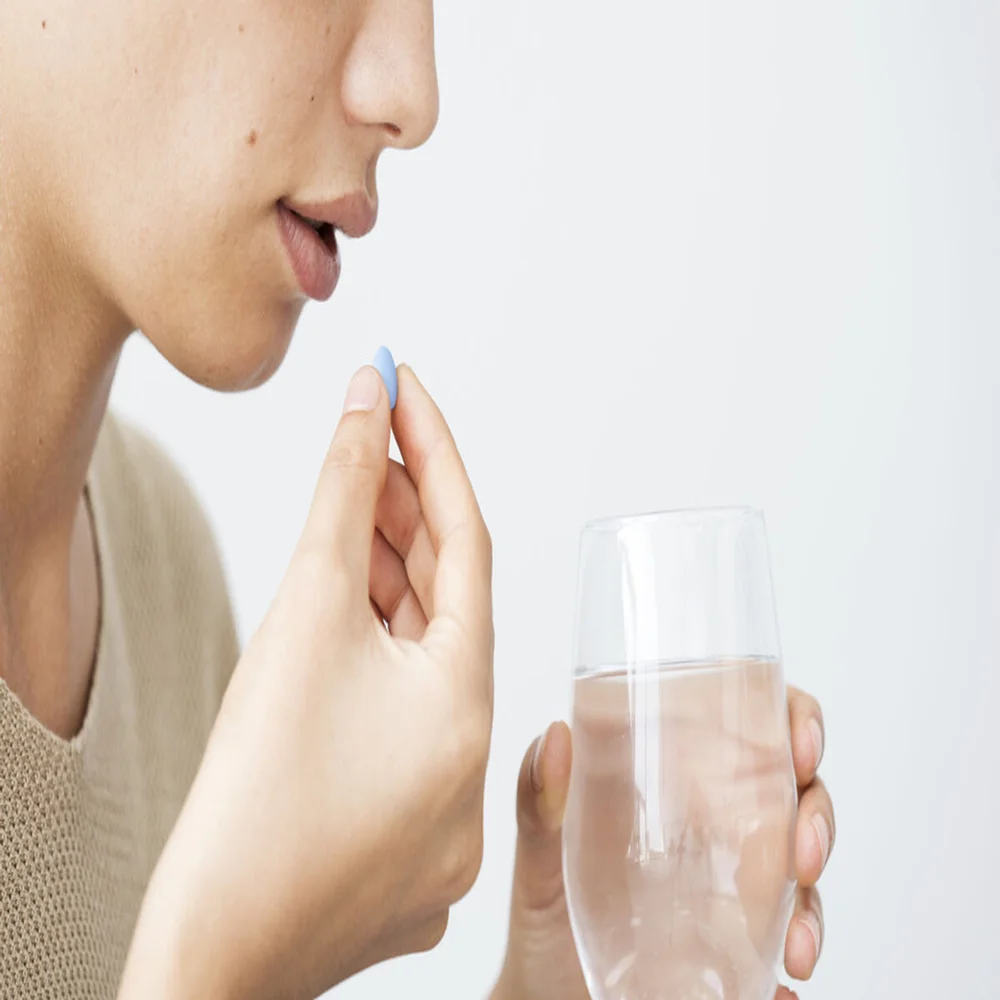
Some patients ask, “Does Accutane make you sweat less?” because isotretinoin dries the skin. The medicine can reduce oil, but that does not always reduce sweat. Oil and sweat are different fluids. They come from different glands.
Dry Skin and Sweat Changes
Dry skin can make sweat feel stronger or more uncomfortable. Sweat may sting or burn when the skin is cracked, dry, or inflamed. Even normal sweating can feel worse when the skin barrier is weak. This can happen during isotretinoin treatment.
A person may also notice sweat more because the skin feels less oily. Without the usual oil layer, sweat can feel different on the skin. This does not always mean the body is making much more sweat. It may mean the skin reacts to sweat differently.
Does Accutane Make Your Sweat Smell?
Accutane may contribute to changes in body odor in some patients, but there is limited research directly linking isotretinoin to sweat smell. Sweat itself usually has little odor when it first reaches the skin.
Body odor typically develops when bacteria break down sweat, oil, and dead skin on the surface of the skin. Changes in hygiene, diet, hormones, sweating patterns, or skin oil production may also affect odor during treatment.
Sweat Odor and Skin Bacteria
Isotretinoin can change the skin by reducing oil and causing dryness. These changes may affect how the skin feels. They may also affect how cleansers, deodorants, and moisturizers work on the skin. New products can also cause irritation or changes in odor.
When Another Cause Is Likely
A strong new smell is not always a direct side effect of isotretinoin. More common causes include heat, tight clothing, increased sweating, bacterial or fungal irritation, dietary changes, smoking, alcohol, or other medications. Odor with rash, pain, drainage, fever, or fast skin changes needs medical review. These signs may indicate an infection or another skin condition.
Isotretinoin Side Effects in Female Patients
Isotretinoin side effects in female patients include the same common side effects seen in other patients. They also include serious pregnancy risks. This matters for anyone who can become pregnant. Sweating may be uncomfortable, but pregnancy prevention is one of the most important safety steps during treatment.
Pregnancy Risks and iPLEDGE
Isotretinoin must not be used during pregnancy because it can cause birth defects. Mayo Clinic states that patients who can become pregnant must follow pregnancy safety rules. In the United States, isotretinoin is available only through the iPLEDGE program. This program includes monthly steps and rules for getting prescriptions.
Birth defects are not related to sweating. They are still central to safe isotretinoin use. Patients should not share isotretinoin with anyone else and should ask their clinician how long Accutane may remain in the system after the last dose. They should follow the dose and safety instructions from their prescribing clinician.
Hormones, Periods, and Sweating
Hormone changes can affect sweating. The Mayo Clinic lists abnormal periods as a possible side effect of isotretinoin, but the frequency is unknown. Sweat changes during a period may not be solely due to isotretinoin, and some patients with hormone-linked acne may compare Accutane or birth control for acne when reviewing treatment options. Timing can help show whether hormones may play a role.
A symptom diary can help. It can track dose changes, period dates, exercise, caffeine, sleep, room temperature, and stress. This can make patterns easier to see. It can also help a clinician review the symptom more clearly.
What Are the Worst Side Effects of Accutane?
Most isotretinoin side effects involve dryness, irritation, or sun sensitivity. Some side effects need closer medical attention. The worst side effects of Accutane are not usually sweating alone. More serious risks include birth defects, mood changes, liver problems, high triglycerides, severe allergic reactions, vision changes, severe headache patterns, and long-term Accutane effects that should be reviewed in context.
Symptoms That Need Medical Review
Sweating warrants medical review when accompanied by other warning signs. These include fever, fainting, chest pain, severe weakness, confusion, severe headache, shortness of breath, or a fast heartbeat that does not settle. Sweating that starts suddenly and feels intense also deserves attention. This is more important when it does not match the heat, activity level, or stress level.
Mood, Liver, and Lipid Changes
Mayo Clinic notes that blood tests may be needed during isotretinoin treatment. These tests help check for unwanted effects. Mayo Clinic also lists depression history, liver disease, high triglycerides, pancreatitis, and other medical issues as key factors before and during treatment. These issues need careful follow-up.
Patients should report mood changes, severe belly pain, yellow skin or eyes, dark urine, or unusual fatigue. These symptoms do not mean every patient will have a serious reaction. They mean a clinician should review the situation. Early review helps guide safe care.
Severe Allergy or Breathing Trouble
A severe allergic reaction can cause a rash, swelling, trouble breathing, dizziness, or throat tightness. Sweating with breathing trouble or swelling should not be treated as a simple sweat issue. It needs urgent medical review. These symptoms may point to a serious reaction.
How to Manage Accutane Sweating
Managing sweating during isotretinoin starts with finding triggers. Patients should not stop, lower, or restart isotretinoin without guidance from the prescribing clinician. Treatment changes depend on acne severity, dose, side effects, pregnancy risk, and overall health. A careful plan is safer than guessing.
Temperature and Clothing Tips
- Wear light clothing to help reduce heat buildup.
- Use loose layers when moving between warm and cool spaces.
- Shower after heavy sweating to reduce skin irritation.
- Change damp clothing to help protect sensitive skin.
- Drink enough water during exercise or hot weather.
- Avoid overheating, especially when your skin feels dry or sun-sensitive.
- Use sunscreen when spending time outdoors.
- Wear protective clothing, such as hats or long sleeves, during sun exposure.
Skin Care That Reduces Irritation
Gentle skin care can make sweat easier to tolerate. A mild cleanser, non-comedogenic moisturizer, and fragrance-free products may help reduce stinging. Scrubs, harsh acids, and alcohol-heavy products can worsen dryness. A simple routine is often easier on the skin.
Sweat can irritate cracked skin. This may happen on the face, neck, chest, or back. Rinsing sweat off gently can help. Patting the skin dry is usually better than rubbing.
What to Avoid
Avoid using too many active skin care products at once. Retinoids, exfoliating acids, benzoyl peroxide, and strong acne washes may be too harsh during isotretinoin treatment. Some patients need a simpler routine while the skin adjusts. A clinician can help decide what to keep or stop.
Avoid assuming that every new symptom is due to isotretinoin. Sweating may be due to an infection, anxiety, hormonal changes, thyroid disease, or another medication. This is why context matters. Timing, triggers, and other symptoms can point to the cause.
Can Accutane Sweating Be Assessed Remotely?
Some sweating concerns can be assessed remotely when symptoms are mild and stable. This works best when sweating has clear triggers, such as heat, exercise, or stress.
A clinician may review timing, dose, skin irritation, medicines, photos of rashes, and symptom patterns. DermOnDemand may be used as an educational dermatology setting to learn which skin concerns can be discussed remotely and which require in-person care.

When In-Person Care Is Needed
In-person care is needed if sweating is accompanied by chest pain, breathing trouble, fainting, severe weakness, high fever, confusion, or signs of a severe allergic reaction. It is also needed when lab tests, pregnancy tests, or a physical exam are required.
If sweating is accompanied by chest pain, trouble breathing, hormonal changes, signs of infection, or medication safety concerns, seek direct medical review. Remote care has limits, and these symptoms need an in-person assessment.