
Key Takeaways
- A typical Accutane course often lasts 5 to 6 months, but progress varies by dose, acne severity, side effects, and medical plan.
- Early dryness, chapped lips, and possible purging are common in the first weeks or months, so acne may look worse before it improves.
- Visible improvement often becomes clearer around months 2 to 3, with the most noticeable clearing often seen around months 4 to 6.
- Month-by-month pictures can help track progress, but lighting, angles, skin tone, and scarring can make photos misleading.
- Isotretinoin requires medical supervision because side effects, blood testing, pregnancy testing, and iPLEDGE requirements may apply.
How Accutane Compares With Other Acne Treatments
Accutane is usually not the first acne treatment a patient tries. Many people start with topical retinoids, benzoyl peroxide, antibiotics, hormonal options, or other prescription plans. Doctors may consider isotretinoin when acne is severe, scarring, nodular, or not improving enough with other care, and some patients may discuss low-dose Accutane when tolerability is a concern.
The main difference is how Accutane works over time. It reduces oil gland activity, helps prevent clogged pores, and lowers acne-related inflammation. This broader effect is why the timeline may last several months and why side effects need close monitoring.
Accutane Month by Month Timeline
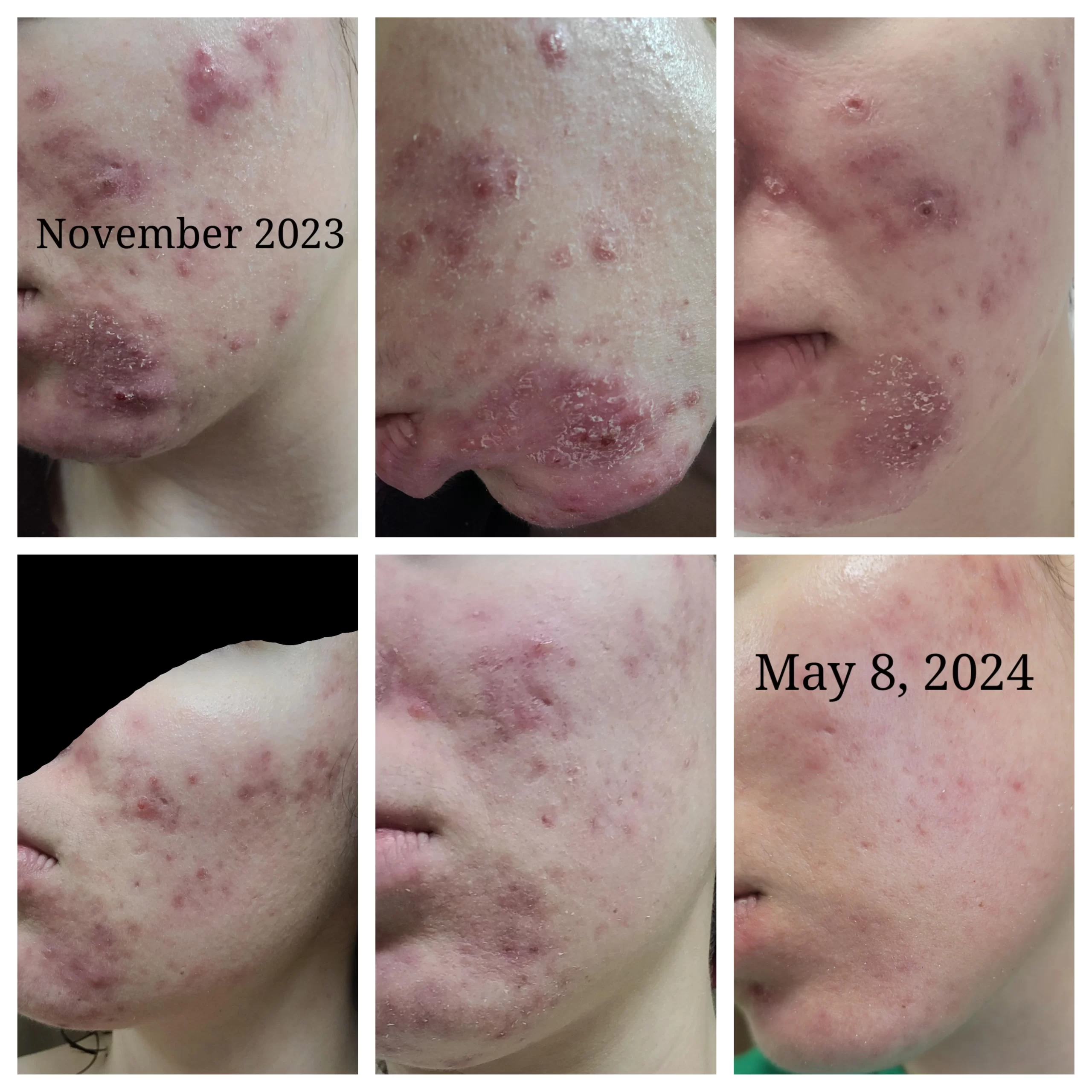
An Accutane timeline can look different for each patient. Isotretinoin works by shrinking oil glands, reducing clogged pores, and lowering acne-related inflammation. Doctors often consider it for severe nodular acne that has not improved enough with other acne treatments.
Month 1: Early Dryness and Purging
During the first month, many patients notice dry skin, chapped lips, and more skin sensitivity. Some people also see an accutane purge, where breakouts look worse before they improve. This does not mean the medicine failed.
Month 2: Breakouts May Still Continue
In month 2, acne may still come and go. Some patients see fewer inflamed spots, while others still have new breakouts. The skin barrier may also feel weaker, so gentle care matters.
Month 3: Acne Often Starts Improving
By month 3, many patients begin to see fewer deep lesions. Red marks and texture may remain even when active acne improves. This stage often gives a clearer view of the month-by-month Accutane progress.
Months 4 to 6: Clearer Skin Progress
Months 4 to 6 often bring the most visible changes. Breakouts may become smaller, less painful, and less frequent. Some patients still need time for redness, marks, or scars to fade.
After Month 6: Ending Treatment
Some patients finish around month 5 or 6, while others need a longer course. The exact plan depends on dose, response, side effects, and medical history. A dermatologist should guide when to stop accutane treatment.
How Long on Accutane to See Results?
Isotretinoin does not usually create fast changes in the first few days. It can start to work in the body early, but visible skin changes often take weeks. Patients should judge progress over months, not days.
1 Week Accutane Results
After 1 week, most patients should not expect clear skin. Some may notice slight dryness, reduced oiliness, or lip irritation. Active acne may look the same at this stage.
When Results Become More Visible
Results often become easier to see after the second or third month. This can vary based on acne severity, dose, and how the skin reacts. Pictures can help track change, but they should not replace medical follow-up.
Accutane Week by Week Results
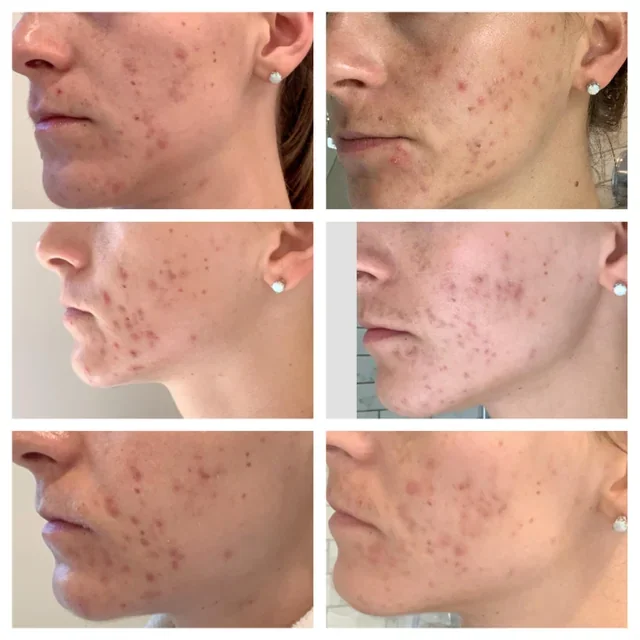
Week-by-week tracking helps patients understand early changes. It is most useful during the first 12 weeks, when the skin may feel unpredictable. After that, monthly tracking often becomes more practical.
Weeks 1 to 2: Skin Adjustment
During weeks 1 to 2, the skin may begin adjusting. Lips may crack, the face may feel tight, and the skin may become more sensitive to the sun. These early effects of Accutane often relate to reduced oil production.
Weeks 3 to 6: Possible Purging
Weeks 3 to 6 can feel discouraging for some patients. Breakouts may rise to the surface as the skin changes. This phase is usually temporary, but severe flares should be discussed with a dermatologist.
Weeks 7 to 12: Fewer Breakouts
By weeks 7 to 12, some patients begin seeing fewer new lesions. Existing bumps may heal more slowly than expected. The skin may still need moisturizer, sunscreen, and steady care.
Accutane Month by Month Pictures
Pictures can help patients compare changes over time. They can show active acne, redness, swelling, and healing patterns. They are most helpful when taken in the same light, angle, and distance.
Accutane Week by Week Pictures
Accutane week-by-week pictures may show early dryness or purging. They may not show clear improvement right away. Weekly photos work best when patients use them to track patterns rather than compare themselves to others.
Why Pictures Can Be Misleading
Photos can make acne look better or worse than it is. Flash, filters, makeup, and shadows can hide redness or texture. A dermatologist can assess progress more accurately than pictures alone.
What to Track Besides Pictures
Photos can show visible change, but they do not tell the full story. Patients can also track the number of painful breakouts, as well as oiliness, dryness, lip irritation, sun sensitivity, and mood changes. This gives the dermatologist a clearer picture of how the skin and body respond.
A simple monthly note can help. Write down the dose, side effects, new breakouts, products used, and any missed doses. This record can make follow-up visits more useful and reduce confusion about progress.
What Are the Worst Months on Accutane?
The hardest months are often the early months. This is when purging, dryness, irritation, and uncertainty may overlap. Some patients feel better once they understand that slow progress can be normal.
Why Early Months Can Feel Harder
The first few months can feel harder because breakouts may continue. Dry lips and tight skin may appear before acne improves. This can make patients worry, even when treatment is following an expected path.
When Side Effects May Peak
Side effects may increase as the dose changes or treatment continues. Common issues include dry lips, dry eyes, dry skin, and sun sensitivity. More serious symptoms need medical attention, especially mood changes, severe headaches, vision changes, or intense pain.
Common Accutane Side Effects by Stage
Potential side effects can vary by patient and dose. Some are mild and manageable, while others need prompt medical review. Regular visits help doctors adjust treatment when needed.
Dry Lips, Skin, and Eyes
Dryness is one of the most common issues during isotretinoin use. Patients often need lip balm, a bland moisturizer, and a gentle cleanser. Contact lens wearers may also notice dry or irritated eyes.
Redness, Sensitivity, and Sunburn
The skin may burn more easily during treatment. Daily sunscreen and protective clothing can help reduce irritation. Harsh scrubs and strong exfoliants can make redness worse.
Mood, Pain, and Lab Changes
Some patients report mood changes, muscle aches, joint pain, or headaches. Doctors may also monitor liver-related markers and triglyceride levels through blood tests. These checks help support safer treatment decisions. during treatment.
How Doctors Monitor Accutane Treatment
Doctors monitor Accutane treatment because isotretinoin affects more than the skin. Follow-up visits may include questions about dryness, headaches, mood, muscle pain, vision changes, and acne response. Blood tests may also help monitor liver-related markers and triglyceride levels during treatment.
Patients who can become pregnant must follow strict pregnancy safety rules. This may include pregnancy testing, a negative pregnancy test before treatment, and required forms of birth control through the iPLEDGE program. These steps exist because isotretinoin can cause serious birth defects.
When to Contact Your Dermatologist

Patients should contact their dermatologist if side effects feel severe, sudden, or unusual. Warning signs include severe headache, vision changes, intense abdominal pain, mood changes, or severe skin reactions. Medical supervision matters because isotretinoin has important safety rules, and DermOnDemand’s dermatology intake form explains how patients can share skin details and photos for review
Symptoms That Need Medical Guidance
Patients should not try to manage serious symptoms alone. A dermatologist may lower the dose, pause treatment, order labs, or check for another cause. This helps balance acne control with patient safety.
Pregnancy Safety and Blood Tests
Isotretinoin can cause serious birth defects, so pregnancy testing rules are strict for patients who can become pregnant. Patients who can become pregnant may need a negative pregnancy test before treatment. They may also need to follow required forms of birth control rules through the iPLEDGE program.
Accutane Results: What to Expect Long Term
Long-term results vary, and patients may also want to understand long-term Accutane effects before and after treatment. Some patients remain clear after treatment, while others need follow-up care. The goal is controlled acne, fewer painful lesions, and a safe plan based on the patient’s response.
Scars, Red Marks, and Pigmentation
If you are considering Accutane or still dealing with acne scars after treatment, speak with a dermatology provider about the right next step for your skin.