
A burning feeling on the skin can come from irritation, allergy, inflammation, infection, nerve irritation, or an underlying medical issue.
It may appear with redness, itching, rash, swelling, blisters, tingling, numbness, or pain, but it can also happen when the skin looks normal.
Possible causes include contact dermatitis, rosacea, eczema, shingles, neuropathy, vitamin deficiencies, medication reactions, and circulation problems.
In this educational explainer for DermOnDemand, Dr. Ross Atkins provides clinical context on why burning may happen, what symptoms may appear with it, and when medical evaluation may be needed.
Key Takeaways on Burning Skin Sensation
- Burning skin can come from irritation, allergy, infection, nerve damage, autoimmune disease, or circulation problems.
- Burning with no rash may involve nerve irritation, early skin disease, medication effects, or a systemic medical condition.
- Seek care when symptoms are severe, spreading, persistent, or linked with fever, weakness, numbness, swelling, or signs of infection.
What Causes Skin to Feel Like It Is Burning?
A burning skin sensation means the skin feels hot, painful, stinging, or irritated, even when the surface may look normal.
Many patients ask, why does my skin feel like it’s burning, because the symptom can appear with or without a visible rash. The cause may involve the skin barrier, nerves, immune system, circulation, or infection.
Quick Cause Table
Common causes include:
- Sunburn
- Dry skin
- Eczema
- Contact dermatitis
- Shingles
- Herpes
- Insect bites
- Product irritation
Nerve-related causes can include paresthesia disease, nerve pain, diabetes-related nerve damage, vitamin deficiencies, or small fiber neuropathy. Less common causes may involve autoimmune disease, poor circulation, medication reactions, or chemical exposure.
Skin Irritation and Inflammation
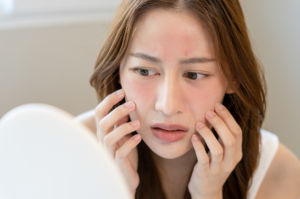
Skin irritation can make the affected area feel hot, raw, or sensitive. This may happen after friction, shaving, harsh soaps, sweat, or overuse of active skin care ingredients. Inflammation can also cause redness, itching, swelling, or tenderness.
Allergic Reactions and Contact Dermatitis
Allergic reactions can cause burning, itching, rash, swelling, or bumps after contact with a trigger. Common triggers include fragrance, preservatives, nickel, plants, latex, or topical medications.
Contact dermatitis may improve when the trigger is removed, but some reactions need prescription treatment.
Heat exposure, sunburn, and friction can injure the outer skin barrier. The skin may burn, sting, peel, or feel painful when touched. Mild cases may improve with cooling, gentle moisturizers, and avoiding further irritation.
You may also want to read: Sun Rash Accutane: Causes, Symptoms, And Sun Protection
Why Nothing Shows on the Skin
A burning sensation on skin but nothing there may occur before a rash appears or when the cause is not on the skin surface.
Nerves can create burning, tingling, or prickling feelings without redness or swelling. This pattern often needs a careful symptom history.
Paresthesia Disease and Nerve Irritation
Paresthesia disease refers to abnormal nerve sensations such as burning, prickling, numbness, or a tingling sensation.
It may occur for a short time after pressure on a nerve, or it may continue because of an underlying issue. Persistent symptoms may require evaluation beyond a basic skin exam.
Diabetes and Vitamin Deficiencies
Diabetes can affect small nerves and cause burning in the feet, legs, hands, or other areas. Vitamin B12 deficiency and some other nutrient problems can also affect nerve function. These causes often need lab testing and medical management.
Medication or Chemical Triggers
Some medications, topical products, and chemicals can cause burning or sensitivity. Retinoids, acids, benzoyl peroxide, hair dye, cleaning agents, and certain prescriptions may irritate the skin or nerves. A clear timeline helps identify whether a new product or medication may be involved.
You may also be interested in: How to Get an Accutane Prescription Online
Burning Sensation on Skin When Touched
A burning sensation on skin when touched may suggest inflamed skin, irritated nerves, or heightened sensitivity.
Light pressure from clothing, sheets, or washing may feel painful. This reaction can occur with rashes, infections, nerve conditions, or skin barrier damage.
Touch Sensitivity and Inflammation
Inflamed skin often feels tender because the barrier is damaged. Eczema, sunburn, dermatitis, and infections can make normal touch feel uncomfortable. The skin may also look red, dry, cracked, swollen, or warm.
Skin Diseases and Conditions Linked to Burning
A skin disease burning sensation may come from inflammation, infection, or nerve involvement. The pattern of symptoms matters, including rash shape, location, timing, and triggers. Doctors also consider whether the symptoms are localized or spread across the body.
- Eczema, Psoriasis, and Dry Skin
- Shingles, Herpes, and Skin Infections
- Autoimmune Disease and Burning Skin
Some autoimmune diseases can affect the skin, nerves, or blood vessels. Lupus, vasculitis, and autoimmune neuropathies may cause burning, rash, color changes, or sensitivity.
These conditions need medical evaluation because treatment depends on the exact diagnosis.
Small Fiber Neuropathy
Small fiber neuropathy affects small nerves that help control pain and temperature sensation. It may cause burning, tingling, or electric-like pain, often with little or no visible rash. Causes can include diabetes, autoimmune disease, infections, or unknown factors.
Symptoms That May Come With Burning Skin
Burning skin may appear alone or with other symptoms. The associated symptoms help narrow the possible cause. Track the location, timing, triggers, and whether the symptoms improve or spread.
- Tingling Sensation
- Itching, Redness, or Swelling
- Numbness, Pain, or Warmth
When Burning Skin Needs Medical Care
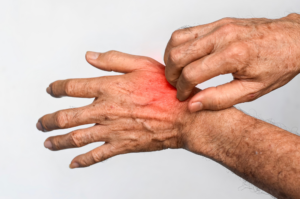
Seek medical care if burning is severe, spreading, persistent, or linked with other concerning symptoms. Warning signs include fever, weakness, numbness, facial swelling, trouble breathing, open wounds, pus, or rapidly spreading redness. Burning after chemical exposure, injury, or a new medication also needs timely guidance.
- Signs of Infection
- Severe or Spreading Pain
- Burning With Weakness or Numbness
How Doctors Diagnose Burning Skin
Doctors diagnose burning skin by reviewing symptoms, triggers, medical history, medications, and the affected area. They may ask when the burning started, whether a rash appeared, and what makes it better or worse. The exam helps decide whether the issue is skin-related, nerve-related, or systemic.
- Skin Exam and Symptom History
- Allergy or Lab Testing
- Nerve Testing When Needed
You may also want to read: Skin Conditions
How to Stop Burning Sensation in Body
How to stop burning sensation in body depends on the cause. Mild skin irritation may improve with cooling, avoiding triggers, and protecting the skin barrier.
Nerve-related burning, infection, or autoimmune disease usually needs cause-specific care.
-
Cool and Protect the Skin
For mild irritation, use cool compresses and gentle fragrance-free moisturizer. Avoid hot showers, scrubbing, exfoliating acids, and harsh cleansers while the skin feels sensitive. Do not apply ice directly to the skin because it can cause injury.
-
Avoid Known Triggers
Stop new products that seem linked to burning until symptoms are assessed. Wear loose clothing and use mild detergent if friction or fabric worsens symptoms. Avoid sun exposure on irritated skin.
-
Treat the Underlying Cause
Treatment may include moisturizers, topical steroids, antiviral medication, antibiotics, antihistamines, or nerve pain medication.
The right option depends on whether the cause is irritation, allergy, infection, or nerve dysfunction. Self-treatment may not be enough when symptoms persist.
When Medication May Help
Medication may help when burning comes from inflammation, infection, allergy, or nerve pain. Prescription treatment should match the diagnosis. Using the wrong medication can delay proper care or worsen irritation.