
Patients often ask, “Is 80 mg of Accutane a high dose?” because isotretinoin dosing can be confusing.
DermOnDemand presents this article as an educational explainer, with medical context informed by clinicians such as Dr. Ross Atkins, to help readers understand dose ranges, weight-based dosing, side effects, and safety monitoring.
Key Takeaways
- 80 mg of Accutane may be high, standard, or inappropriate depending on body weight and medical context.
- Most dosing plans use mg/kg, meaning the dose scales with body size.
- Lower-dose and micro-dose plans may help some patients, but they still require monitoring.
- Patients should not change isotretinoin dosing without a prescriber because side effects and lab changes can occur.
- The best dose is the one that fits acne severity, treatment response, side effect tolerance, and safety monitoring.
Is 80 mg of Accutane High?
An 80 mg dose of Accutane can be high for some people, but it is not high for everyone. The answer depends on body weight, acne severity, treatment response, and side effect tolerance.
A dermatologist usually evaluates these factors before choosing or changing the dose.
For example, 80 mg per day may be closer to a standard dose for a larger adult. It may be a higher dose for someone with a lower body weight.
This is why Accutane is usually discussed in milligrams per kilogram of body weight rather than as a fixed number.
How Accutane Dosage Works
Accutane is a common name for isotretinoin, an oral retinoid used for severe or persistent acne. The usual Accutane dosage is based on body weight and is typically given for 15 to 20 weeks, although treatment plans vary.
Standard references describe typical dosing of 0.5 to 1 mg/kg/day, with some severe cases receiving higher doses under medical supervision.
What mg/kg Means
The term mg/kg means milligrams of medicine per kilogram of body weight. A kilogram equals about 2.2 pounds. This method helps doctors match the dose to the patient’s size.
How Much Accutane Do I Need for My Weight?
The question “how much Accutane do I need for my weight?” cannot be answered safely with one number.
A prescriber must consider weight, acne severity, lab results, medical history, and side effects. The same 80 mg dose may mean different things for two people with different body weights.
Why Total Dose Matters
Doctors may also consider cumulative dose, which is the total amount taken over the full course.
A patient’s plan may include several months of treatment, not just one daily dose. This helps explain why a lower daily dose may still be effective if taken for a longer period.
Low, Standard, and High Doses
Isotretinoin dosing is usually described as low, standard, or high based on body weight. A typical Accutane dose often falls between 0.5 and 1 mg/kg/day.
Some severe acne cases may require dose adjustments, but higher doses can also increase the risk of dose-related side effects.
What Is the Lowest Dose of Accutane?
Patients often ask, “What is the lowest dose of Accutane?” because they worry about dryness, irritation, or lab changes.
Low-dose treatment may use smaller daily amounts than traditional plans. This approach may reduce some side effects, but it may also require a longer course or carry a higher chance of relapse for some patients.
Typical Accutane Dose
A typical Accutane dose is not the same for every person. Many plans start lower and then adjust based on response and tolerance. This step-by-step method helps the prescriber see how the skin and body respond.
Is 40 mg Accutane a High Dose?
A 40 mg dose may be low, standard, or moderately high depending on the person’s weight. For a smaller patient, it may be closer to the upper end of a standard plan. For a larger adult, it may be a lower or middle-range dose.
What Is the Highest Dose of Accutane?
Patients also ask, “What is the highest dose of Accutane?” Some dosage references list up to 2 mg/kg/day for very severe acne, especially when scarring or trunk acne is present.
This does not mean that dose is right for most patients, and it should only be considered under medical supervision.
Low-Dose and Micro Dose Accutane
Low-dose isotretinoin means using less medicine per day than a traditional standard-dose plan. Microdose Accutane usually refers to very small or intermittent dosing, often discussed for milder, persistent, or relapse-prone acne.
These plans should still be supervised because isotretinoin can affect the body even at lower doses.
Why Doctors Use Lower Doses
Doctors may use lower doses when a patient has side effects, sensitive skin, or a need for a slower approach.
Lower dosing may reduce dryness, peeling, and irritation in some people. It may also be considered when the acne pattern does not require aggressive dosing.
How Micro Dose Accutane Differs
Microdosing Accutane differs from standard daily dosing in that it often uses smaller amounts or less frequent dosing.
The goal is not always rapid clearance. The goal may be longer-term control with fewer side effects, depending on the clinical situation.
Lower Dose Benefits and Limits
Lower-dose plans may be easier for some patients to tolerate. They can still cause side effects and still require medical review. They may also take longer to work, and some patients may need more treatment later.
You may also want to read:
Can I Take 80 mg of Accutane at Once?
Some patients wonder whether they can take 80 mg at one time instead of splitting the dose. Many isotretinoin instructions describe divided dosing, often with food, though some prescribers may individualize instructions. Patients should follow the exact schedule given by their own clinician.
Once-Daily vs Split Dosing
Once-daily and split dosing are not the same plan. Split dosing may help with absorption, tolerance, or side effect management in some cases. A prescriber can explain which schedule fits the patient’s specific prescription.
Why Taking Accutane With Food Matters
Food can affect how well some isotretinoin products absorb. Taking it incorrectly may reduce the amount of medicine that enters the body. This can affect treatment planning and may make the dose seem less predictable.
When Doctors Prescribe 80 mg
A doctor may prescribe 80 mg if the patient’s weight, acne pattern, and treatment goals warrant it. This dose may be used when acne is severe, persistent, or linked with a higher risk of scarring.
It may also appear later in treatment, after the patient has demonstrated tolerance to isotretinoin.
-
Acne Severity
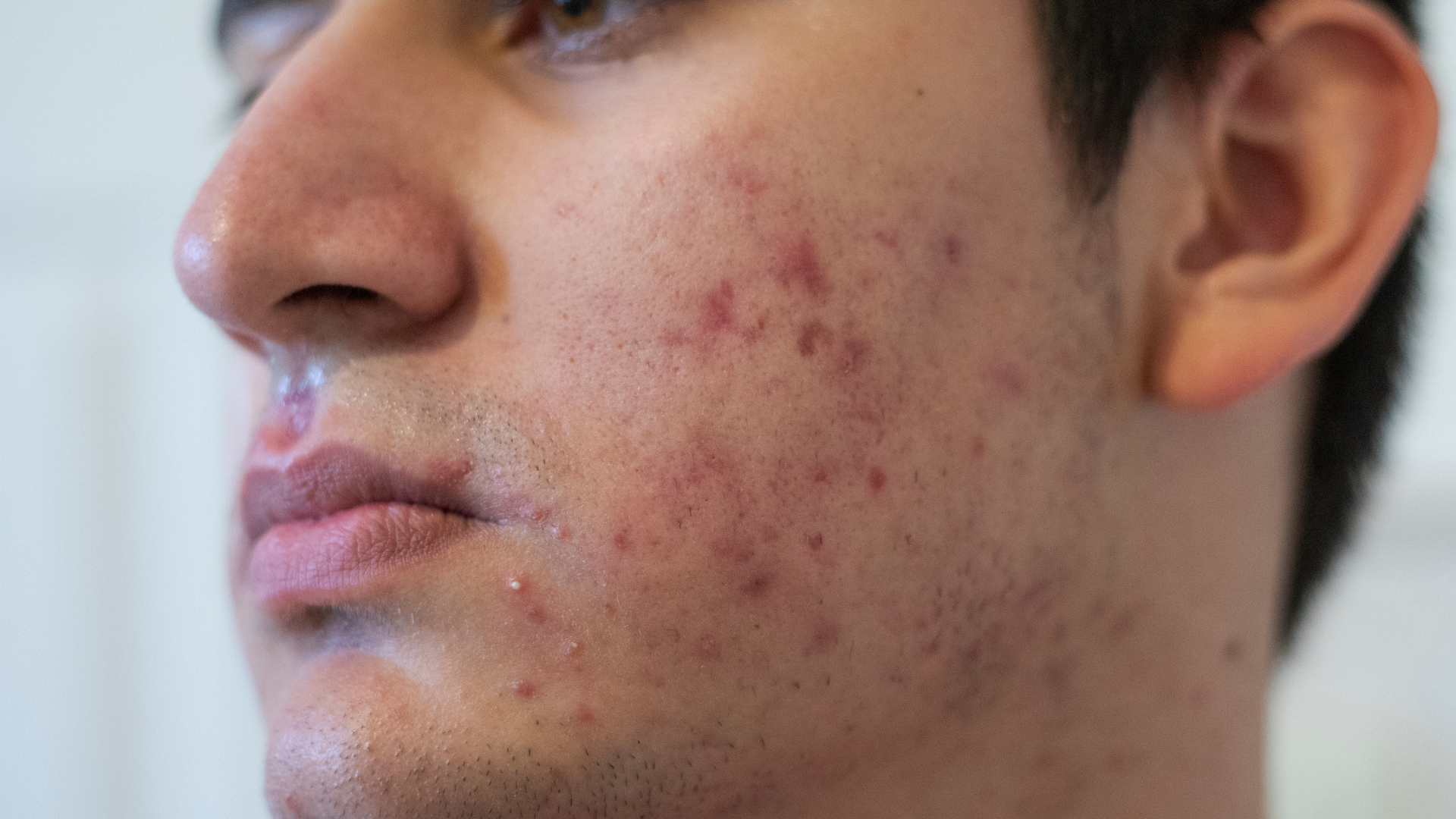
Severe acne may include painful nodules, cysts, deep inflammation, or early scars. These forms can be harder to control with topical treatments or antibiotics alone.
Isotretinoin may reduce sebum production and target multiple acne pathways simultaneously.
-
Body Weight
Body weight is one of the main reasons 80 mg can be appropriate for one person and too much for another.
A larger person may need more milligrams to reach the same mg/kg range. A smaller person may reach a high mg/kg dose with fewer milligrams.
Treatment Response
Doctors may adjust the dose if acne improves, worsens, or does not respond as expected. They may also lower the dose if side effects become hard to manage. This is why follow-up visits matter during treatment.
You may also be interested in: Does Accutane Always Work for Acne? What to Know
Side Effects and Safety Monitoring
Isotretinoin can help severe acne, but it also requires careful safety monitoring.
Common side effects include:
- Dry lips
- Dry skin
- Nosebleeds
- Eye dryness
- Sun sensitivity
Some side effects are dose-related, meaning they may become more likely or more intense with higher doses.
Common Side Effects
Dryness is the most common issue during isotretinoin treatment. Lips, facial skin, eyes, and nasal passages can become irritated. Many patients need moisturizers, lip balm, sunscreen, and adjustments to their skincare routines.
Dose-Related Side Effects
Higher doses may increase dryness, muscle aches, headaches, or lab changes in some patients. Not every patient has the same response. A person can tolerate 80 mg well, while another person may need a lower dose.

Is 80 mg right for you?
Whether 80 mg is right for you depends on your body, acne, medical history, and tolerance. It is not a dose that should be judged only by the number on the prescription label.
The safer question is whether that dose fits your weight-based plan and monitoring results.
Side Effect Tolerance
Side effect tolerance plays a major role in dose decisions. If dryness, pain, headaches, mood changes, or other symptoms occur, the prescriber should know.
Dose adjustments can only be made safely when the clinician has accurate information.
Medical History
Medical history can affect isotretinoin decisions. Liver disease, high triglycerides, pregnancy risk, certain medicines, and prior side effects may change the plan.
A prescriber may also ask about mood history, headaches, and other health concerns.
Doctor Supervision
Isotretinoin should always be managed by a qualified prescriber. This is because the medication affects the skin, oil glands, lab results, and pregnancy safety.
Doctor supervision helps match the dose to the patient rather than using a one-size-fits-all approach.