Key Takeaways
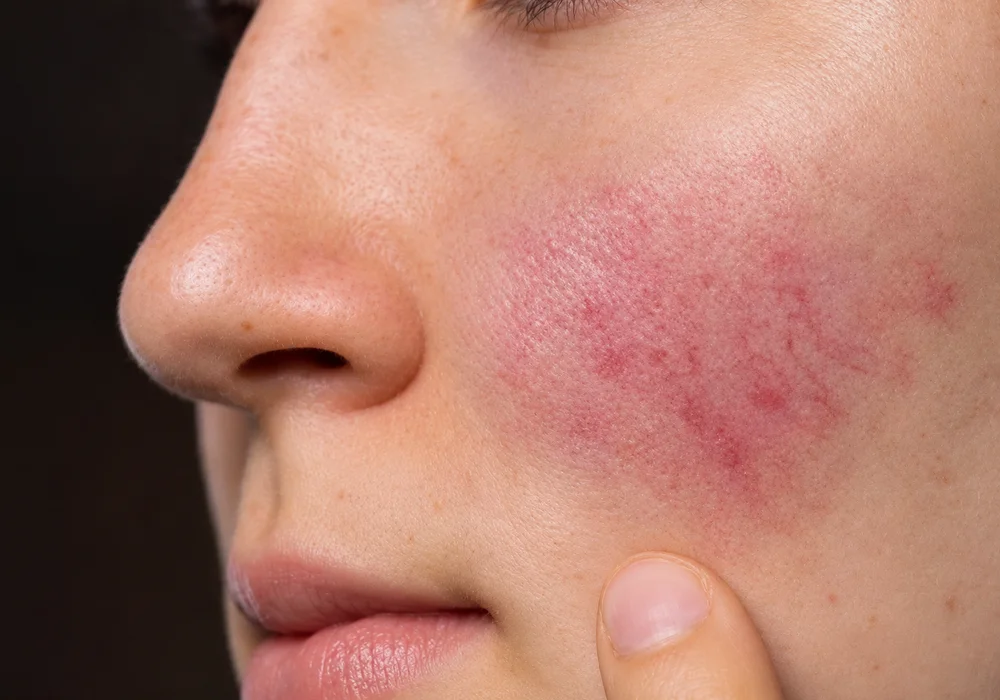
- Rosacea is a chronic inflammatory skin condition, not a fungal infection, and no fungus has been shown to cause it.
- Rosacea appears in four subtypes, and each one affects the skin differently, from persistent redness to thickening on the nose and eye irritation.
- Fungal acne is a yeast overgrowth in hair follicles, so it usually itches and responds to antifungal care rather than rosacea treatment.
- Treatment depends on your subtype and can include prescription medications, laser therapy, or both, though rosacea has no cure.
- A dermatologist should evaluate new or worsening symptoms, especially eye pain or vision changes, because no single lab test confirms rosacea.
Is Rosacea Fungal or Bacterial?
Is rosacea fungal or bacterial? Neither is the established cause. Experts link rosacea to an overactive immune system, changes in blood vessels, and skin microbes such as Demodex mites, all leading to inflammation. Researchers are still studying which of these factors matters most.
What Rosacea Looks and Feels Like
Symptoms and Subtypes
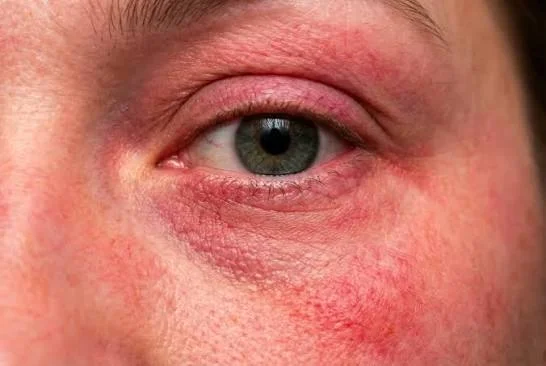
The symptoms of rosacea include flushing, persistent redness, and visible blood vessels on the central face. Doctors recognize four subtypes:
- Erythematotelangiectatic rosacea: Mainly causes redness and visible blood vessels.
- Papulopustular rosacea: Adds papules and pus-filled bumps.
- Phymatous rosacea: Thickens the skin, most often on the nose.
- Ocular rosacea: Irritates the eyes.
Is Rosacea Itchy?
Rosacea usually burns or stings more than it itches. Mild itching can happen during a flare. Strong, constant itching points more toward fungal acne.
Is Rosacea Contagious?
Rosacea is not contagious. You cannot catch it through touch or shared towels. It reflects your own skin’s immune response to triggers.
Rosacea Causes and Triggers
Demodex Mites and Skin Bacteria
Demodex mites live on most adult faces, but people with rosacea often have more of them. The mites, or bacteria they carry, may provoke the skin. Other proposed links include H. pylori bacteria and a faulty skin protein called cathelicidin.
Rosacea and Fungus: What Studies Show
Research on rosacea and fungus is still early. A small study of 14 patients and 8 healthy controls found no major difference in overall fungal levels. Patients did show more Candida in gut samples, and some had Malassezia yeast in their blood. With so few people studied, these are possible links, not proof.
Common Triggers
Triggers do not cause rosacea, but they can spark flares. Common ones include sun exposure, heat, stress, alcohol, and spicy foods. A simple diary can help you find your own patterns, including how diet affects rosacea.
Fungal Acne vs. Rosacea
When comparing fungal acne vs. rosacea, itch, bump shape, and location offer the best clues. The table below shows the main differences. A clinician still needs to confirm the diagnosis.
Is Rosacea Fungal Acne?
Is rosacea fungal acne? No, they are separate conditions. Fungal acne, or Malassezia folliculitis, is a yeast overgrowth in hair follicles that worsens with heat and sweat.
Other Look-Alike Conditions
Acne vulgaris involves blackheads and clogged pores, which rosacea lacks. Seborrheic dermatitis causes flaky patches near the nose and can occur with rosacea. Lupus can also cause facial redness, so an accurate diagnosis matters.
How Rosacea Is Diagnosed
No lab test confirms rosacea. A clinician reviews your signs and symptoms, history, and triggers. In unclear cases, a skin scraping or biopsy can rule out mites, yeast, or other conditions.
Rosacea Treatment Options
What Kills the Bacteria Linked to Rosacea?
Treatment options depend on your subtype. For bumps and pus-filled spots, prescribers often use metronidazole, azelaic acid, or ivermectin, which also targets Demodex. Low-dose doxycycline mainly calms inflammation rather than killing bacteria.
Treating Redness, Vessels, and Thickening
Brimonidine or oxymetazoline gel can reduce redness for several hours. Laser therapy fades visible vessels over several sessions. Severe nose thickening may need surgery, and most results take weeks to months.
For severe or stubborn cases, a dermatologist may also consider Accutane for rosacea.
Fungal Rosacea Treatment
Will Antifungal Cream Help Rosacea?
There is no condition called fungal rosacea, and antifungal cream does not treat rosacea alone. A clinician may prescribe ketoconazole when seborrheic dermatitis or yeast appears alongside it. Unneeded antifungals can irritate sensitive skin.
Treating Fungal Acne
Fungal acne responds to antifungal care, not standard acne products. Ketoconazole or selenium sulfide washes are common first steps. Stubborn cases may need prescription oral antifungals.
What Not to Put on Rosacea-Prone Skin
Rosacea-prone skin reacts easily. Avoid alcohol-based toners, fragrance, menthol, witch hazel, harsh scrubs, and unprescribed steroid creams. Choose gentle, fragrance-free products and a daily mineral sunscreen.
Is Rosacea Curable?
Does Rosacea Ever Go Away for Good?
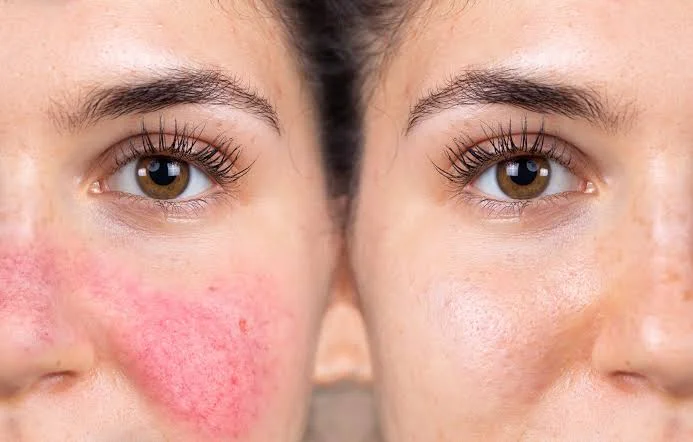
Rosacea has no cure, but treatment can control it. Many people have long periods with few symptoms. Flares can still return, so ongoing care is common.
Managing Flares Long Term
Daily sunscreen, trigger avoidance, and a simple routine support long-term control. Stopping prescriptions too early often leads to relapse. Follow-up visits help adjust your plan.
What Can and Cannot Be Treated Remotely
Dermatologists can often assess rosacea from clear photos and a detailed history, which is how online services like DermOnDemand work. Topical and oral prescriptions can be managed remotely. Laser therapy, biopsies, skin scrapings, and eye exams require an in-person visit.
When to See a Dermatologist
See a dermatologist if redness or bumps last several weeks or keep returning. Seek prompt care for eye pain or blurred vision, since ocular rosacea can affect the cornea. Also get help if over-the-counter products worsen your skin.
If you would like a dermatologist to review your skin and recommend a plan, you can start treatment with DermOnDemand.