This guide from DermOnDemand, reviewed by board-certified dermatologist Dr. Hannah Kopelman, walks through how the condition shows up, why it develops, and how it is managed. It also covers how clinicians reach a diagnosis and which signs call for urgent care.
Key Takeaways
- Ocular rosacea is a long-term condition that inflames the eyes and eyelids, and it can appear with or without facial redness.
- Symptoms such as burning, dryness, watering, and swollen eyelids come and go in flare-ups, so many people live with it for a while before it is identified.
- No single test confirms the condition, so a clinician relies on a physical and eye exam, your symptoms, and your medical history.
- There is no cure, but warm compresses, lid hygiene, artificial tears, and prescribed medication can control symptoms over time.
- Identifying personal triggers, such as sun, stress, and spicy foods, along with steady daily habits, is the most practical way to reduce flare-ups.
What Is Ocular Rosacea
It is a form of rosacea that causes inflammation in the eyes and the skin around them, according to the American Academy of Ophthalmology.
Some providers link it to meibomian gland dysfunction, a problem with the small oil glands along the eyelid margins that help form the tear film. The condition can appear with or without the facial redness most people associate with rosacea, so it sometimes goes unrecognized.
Ocular Rosacea Symptoms
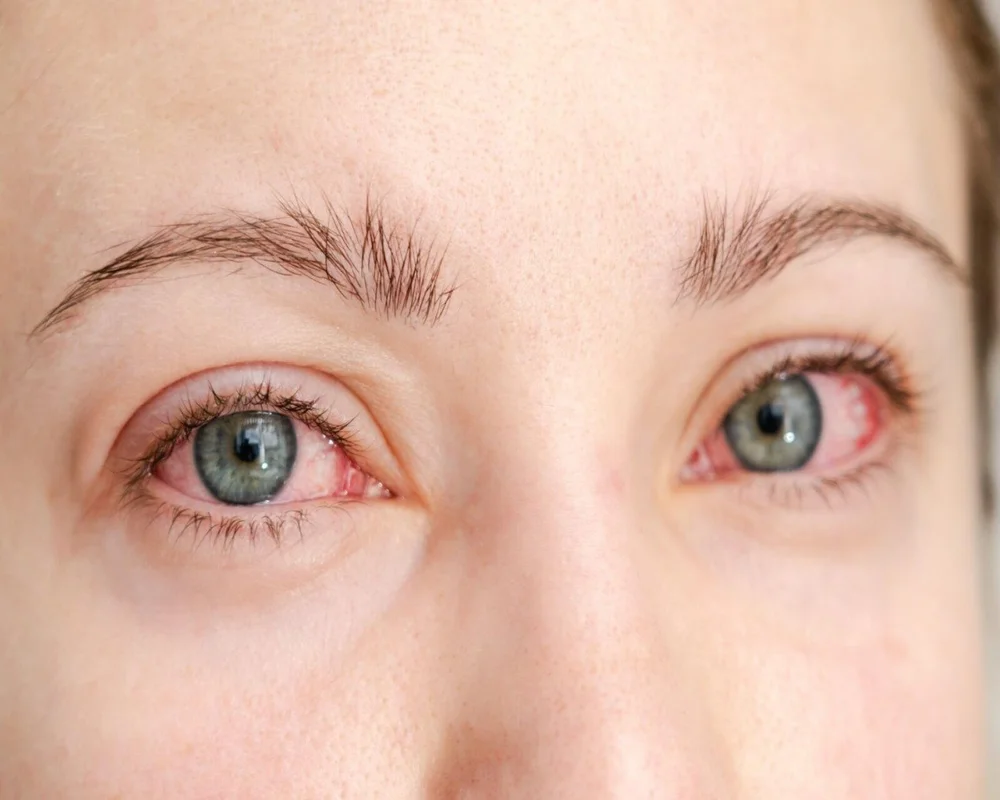
Ocular rosacea symptoms tend to come and go in flare-ups and can change over time. They show up in both the eyes and the surrounding skin, a pattern the American Academy of Dermatology Association also documents in its overview of rosacea symptoms. Common signs include:
- Burning, itching, or a gritty feeling, as if sand is in the eye
- Dry eye or, in contrast, excessive watering
- Red or swollen eyelids, often worse in the morning
- Visible blood vessels on the whites of the eyes
- Light sensitivity and blurred vision
- Recurring styes or crusting along the lashes
Because these signs overlap with other eye problems, many people live with the condition for a while before it is identified.
What Is the Cause of Ocular Rosacea
What is the cause of ocular rosacea? Researchers have not confirmed a single cause, a point echoed in StatPearls’ clinical review of rosacea. Several factors appear to contribute, and more than one may be involved in the same person. Proposed explanations include:
- An inherited tendency that runs in families
- Swollen blood vessels around the eyes
- Tiny mites or bacteria that clog the oil glands
- A possible link to Helicobacter pylori, a stomach bacterium
Because rosacea affects the skin and eyes together for many people, the same underlying inflammation may drive both.
What Triggers Ocular Rosacea
Triggers do not cause the condition, but they set off flare-ups in people who already have it. The National Rosacea Society lists sun and wind exposure, extreme heat or cold, spicy foods, alcohol, hot drinks, emotional stress, and intense exercise among the most common ones.
Learning your own triggers is a practical step toward fewer flares. Keeping a simple journal of flares and recent activity can reveal your personal patterns.
How Ocular Rosacea Is Diagnosed
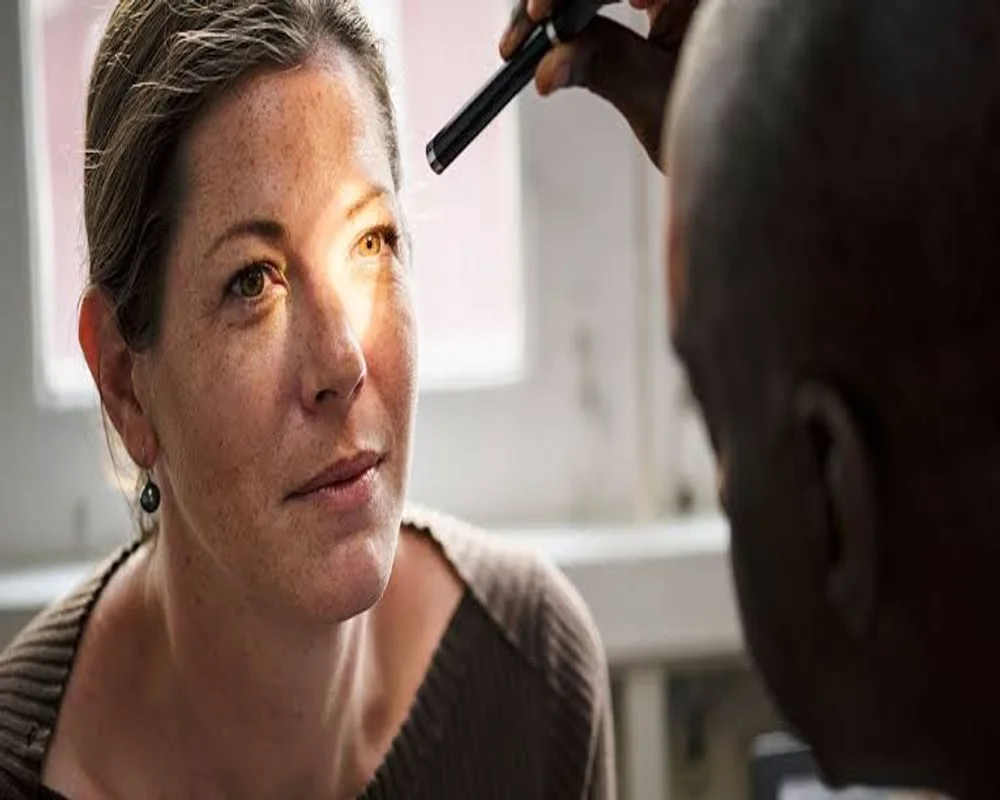
A clinician can diagnose ocular rosacea through a physical and eye exam. There is no single laboratory test, so the diagnosis rests on your symptoms, medical history, and known triggers. Report every symptom, including ones that have improved, because the full pattern guides the assessment. A dermatologist or eye specialist may also check your vision and inspect the eyelid margins closely.
Blepharitis and Other Conditions Mistaken for Ocular Rosacea
Several conditions resemble ocular rosacea, which is why an exam matters. Blepharitis, or inflammation of the eyelids, is the most common point of confusion. In fact, blepharitis is often part of the condition rather than a separate problem, since both involve inflamed eyelid tissue.
Plain dry eye disease, allergies, and ordinary conjunctivitis can also look similar, and each is treated differently.
Best Ocular Rosacea Treatment Options
There is no cure, but ocular rosacea treatment can control symptoms and keep the eyes comfortable, consistent with guidance from the American Academy of Dermatology Association on rosacea management. Most treatment approaches combine daily home care with medication that reduces inflammation. Common options include:
- Warm compresses held over closed eyes to loosen blocked oil glands
- Gentle lid hygiene, wiping the lash line with a mild cleanser
- Artificial tears to ease dryness and support the tear film
- Prescription eye drops or ointments for active flares
- Oral antibiotics such as doxycycline for more persistent cases
One practical caution: avoid over-the-counter drops marketed to remove redness, as they can make symptoms worse. Steady eye care at home often does more than any single product. If facial rosacea is severe or persistent, a dermatologist may also discuss Accutane for rosacea, but your eye symptoms need review first because it can worsen dry eye.
How Long Treatment Takes to Work
Most people notice improvement within a few weeks of starting treatment. Prescription eye drops and oral medication may take several days to weeks to show their full effect. The condition is ongoing, so care usually continues even after symptoms settle.
How to Prevent Ocular Rosacea Flare-Ups
You cannot prevent the condition itself, but you can prevent flares with steady habits. Limit sun exposure, wear UV-protective sunglasses, and follow a gentle dermatologist-recommended skin care routine for rosacea. Manage stress, get enough sleep, and keep using any prescribed care even when your eyes feel fine. These small routines, kept up over time, are the most reliable way to reduce flare-ups.
Can Ocular Rosacea Be Cured
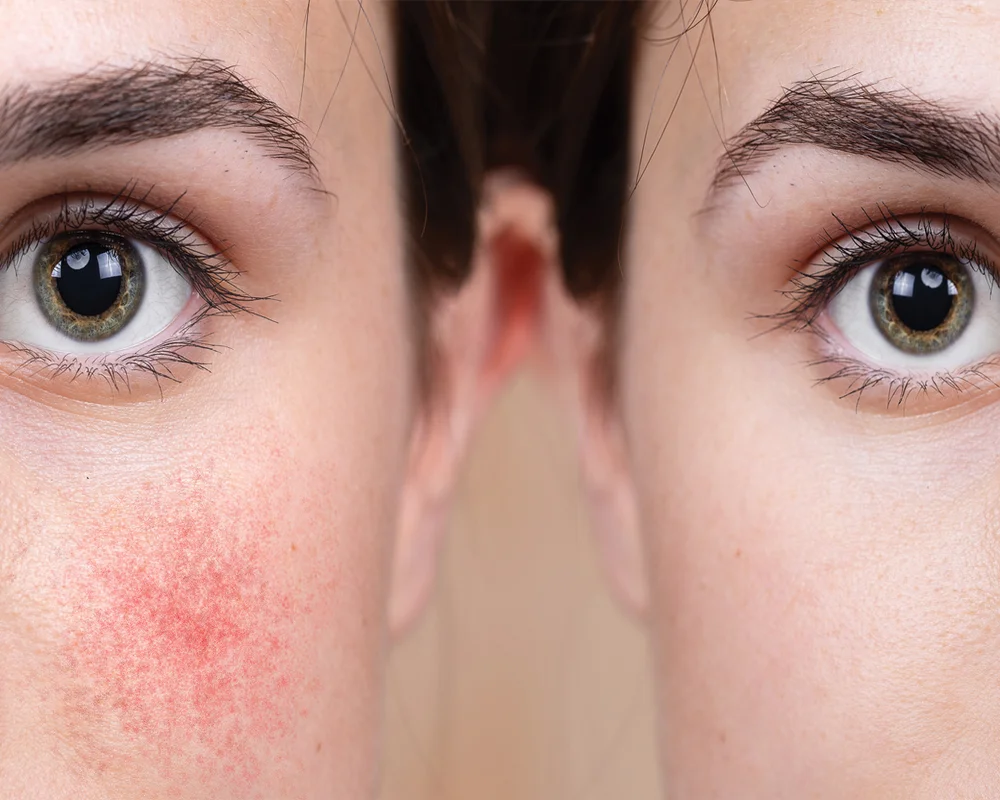
Ocular rosacea cannot be cured, but it can be managed well, according to a consumer health resource from the National Library of Medicine. Most people have fewer and milder flare-ups once they identify triggers and follow a consistent plan. The goal of care is comfort and protecting your long-term eye health, not a permanent fix.
What Happens Without Treatment
Left untreated, the condition can lead to ongoing discomfort and more frequent flares. In rare cases, prolonged inflammation affects the eyes seriously enough to threaten vision. Vision damage is uncommon, but it is a reason to take symptoms seriously rather than wait.
Common Myths About Ocular Rosacea
A few common myths get in the way of understanding this condition.
- “You need facial redness to have it.” You do not. The condition can involve the eyes with no visible facial rosacea symptoms.
- “It only happens in fair skin.” It occurs in darker skin too, where discoloration can be harder to see.
- “It is just dryness.” It is more specific than ordinary eye dryness and needs targeted care.
Clearing up these myths helps people get the right diagnosis sooner.
What Can Be Managed Remotely
Much of ocular rosacea care works well through telehealth. A dermatologist can review your history and photos, confirm the diagnosis, and prescribe treatment, including medication and home routines. DermOnDemand operates fully online, so a clinician can guide diagnosis and ongoing management remotely. Some situations still need in-person care, such as a detailed eye exam with specialized equipment or any hands-on procedure.
When to See a Doctor
See a healthcare provider if your symptoms get worse, flare-ups become more frequent, or new symptoms appear. A professional can confirm whether ocular rosacea is the cause and adjust your plan. Early attention keeps minor irritation from becoming a persistent problem.
Signs That Need Emergency Care
Some symptoms need urgent attention. Seek emergency care for intense eye pain, sudden vision changes such as blurry or double vision, or any loss of vision. These signs are uncommon with the condition, but they should never be ignored.
If you would like a dermatologist to review your skin and eye symptoms, you can start treatment with DermOnDemand.