Key Takeaways
- The evidence does not show that liver disease causes rosacea, though some studies link the two conditions.
- A 2017 Danish study found a higher liver cancer risk in people with rosacea, but the overall risk stayed low, and the study cannot prove cause.
- Jaundice and spider angioma are the liver-related skin signs with the strongest documented links, while facial redness alone is not a reliable sign of liver problems.
- Fatty liver is usually silent in its early stages, so blood tests and imaging are the way to check liver health.
- Rosacea has no cure, but treatment can control symptoms, and a doctor should evaluate any new or unexplained skin change.
Do Liver Problems Cause Rosacea
The NHS and the National Rosacea Society both say the exact cause of rosacea is unknown. The NHS lists triggers such as alcohol, spicy food, and sunlight, and liver disease is not among them.
So the claim that liver disease causes rosacea lacks support in that guidance. Researchers still study how rosacea and certain liver conditions relate.
The Liver and Rosacea: What Studies Found
A 2017 Danish study compared 49,475 people with rosacea with over 4 million others. It found a 42% higher risk of liver cancer in the rosacea group, though the overall risk stayed low.
The researchers suggested that higher alcohol consumption among people with rosacea could explain the result, but they did not test it. A 2022 South Korean study of 11,420 people with rosacea found no statistically significant increase in liver cancer risk.
Why Association Does Not Mean Cause
The National Rosacea Society explains that two conditions can occur in the same person without one causing the other. The Danish study was observational, so it shows a pattern, not a cause. A skin change alone cannot confirm liver damage, which doctors check with tests.
What Rosacea Is and What Causes It
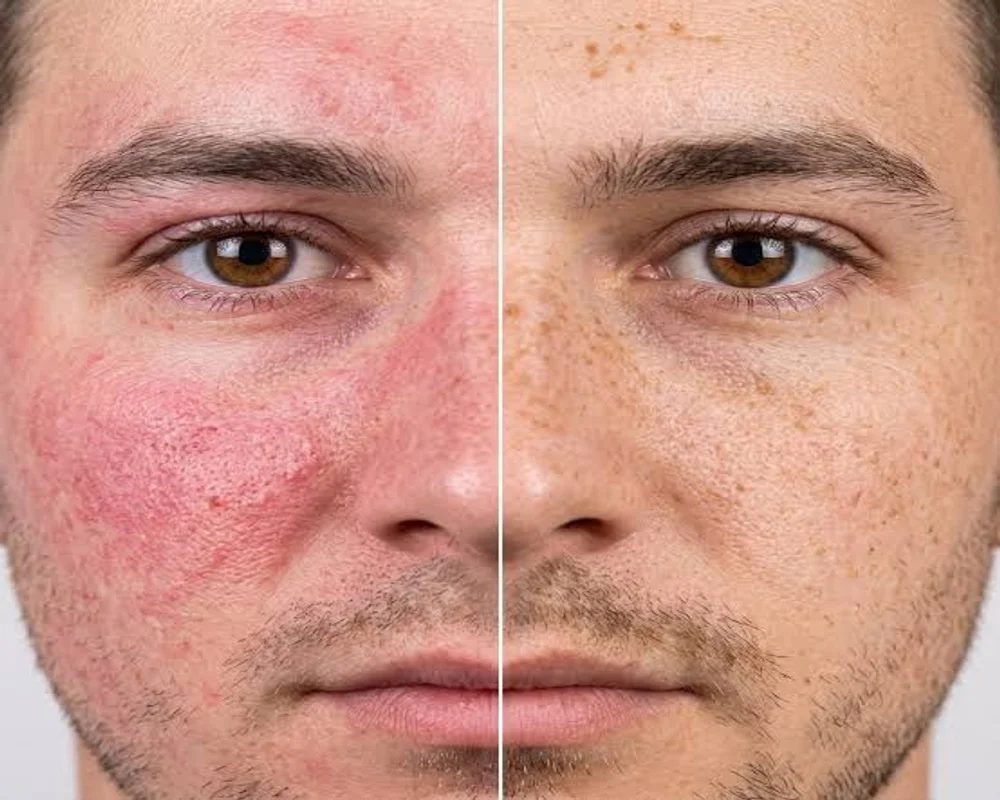
Rosacea is a chronic skin condition that mainly affects the face. Common rosacea symptoms include flushing, lasting redness, acne-like breakouts, and visible blood vessels. Studies point to blood vessels that widen easily and to immune-system inflammation. Many dermatologists accept a theory that flare-ups begin with increased blood flow to the skin.
The NHS says rosacea is not contagious and poor hygiene does not cause it. It advises gentle products for sensitive skin and daily sunscreen of SPF 30 or higher. Redness can be harder to see on brown or black skin. For more on daily care, see this dermatologist-recommended skin care routine for rosacea.
What Diseases Are Linked to Rosacea
The National Rosacea Society reports higher rates of several other conditions in people with rosacea. These include Crohn’s disease, ulcerative colitis, high cholesterol, high blood pressure, and diabetes. Liver findings appear in the studies above.
Fatty Liver Rosacea: NAFLD and MASLD Explained
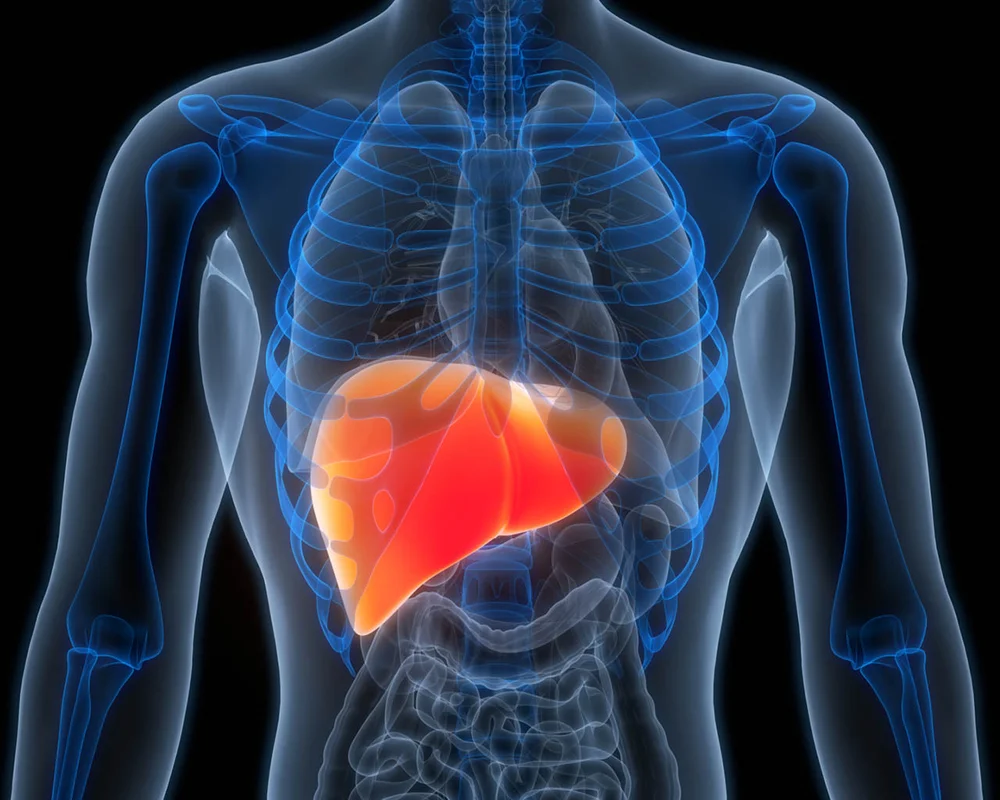
Fatty liver disease, now called steatotic liver disease, happens when too much fat builds up in the liver. The names NAFLD and MASLD refer to the form not caused by heavy alcohol use. Some fat in liver cells is typical, but inflammation can cause scarring, and disease progression can keep the liver from working properly.
Whether fatty liver and rosacea are related remains unproven. NIDDK lists obesity, insulin resistance, type 2 diabetes, and metabolic syndrome as risk factors, and rosacea is not on that list. It calls fatty liver usually silent, with few or no symptoms. Regular activity, a healthy diet, and gradual weight loss can improve it.
Skin Problems Related to Liver Disease
Signs of Liver Damage on the Face
Cirrhosis often causes no symptoms until the liver is badly damaged. Several skin problems related to liver disease also occur in other conditions. Two are well documented:
- Yellowing of the skin and eyes (jaundice). Bilirubin, a byproduct of old red blood cells, builds up when the liver is overloaded or damaged.
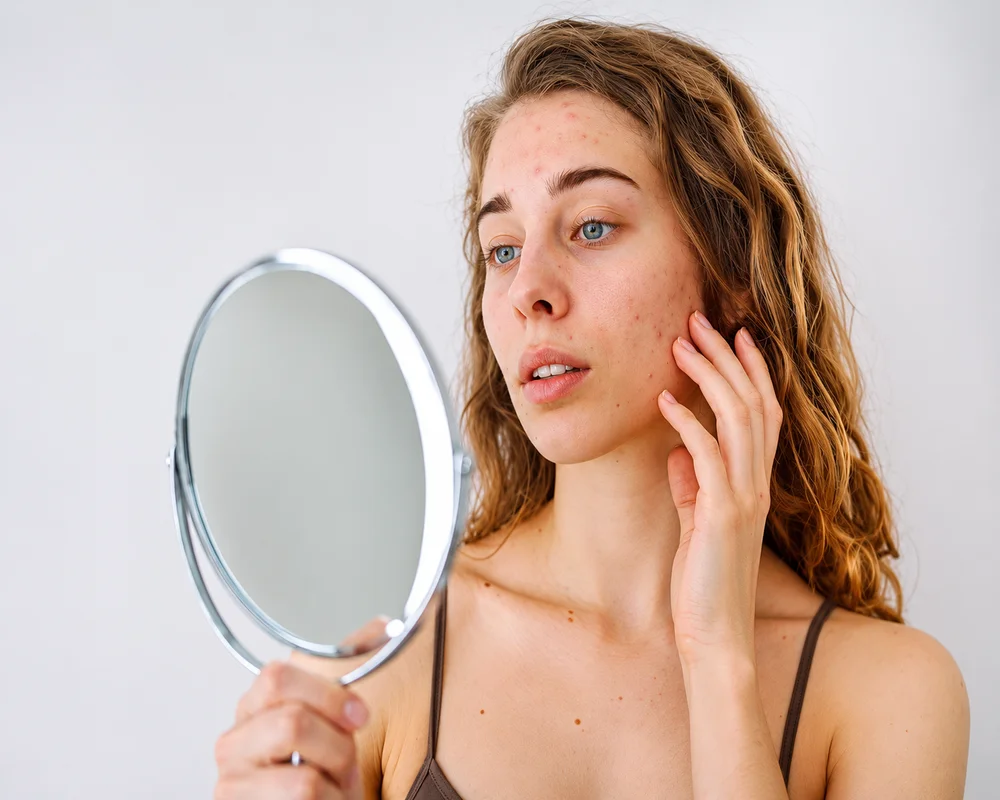
- Spider angioma. A cluster of small blood vessels near the skin surface; it often appears on the face and neck and is common in pregnancy and liver disease.
Liver Rash on Face
Rosacea brings flushing, lasting redness, acne-like breakouts, or visible blood vessels. A spider angioma instead has a red center with thin red lines and fades when pressed. Other skin rashes, such as eczema and seborrheic dermatitis, can also resemble rosacea, so a dermatologist’s exam helps.
Does Fatty Liver Cause Pigmentation on Face
No source cited here shows that fatty liver directly darkens facial skin. NIDDK describes dark, velvety skin around the neck, armpits, or groin as a sign of insulin resistance. Liver spots are unrelated, and MedlinePlus says these sun-related marks have nothing to do with liver function.
Itching and Other Body Signs
Itchy skin can be an early symptom of cirrhosis and can become severe. Researchers think bile salts may contribute, but the cause is not fully understood. Itching in liver disease can greatly reduce quality of life.
When to Talk to a Doctor
Liver Warning Signs Beyond the Skin
Yellow skin or eyes can signal serious liver disease, and the NHS advises prompt medical help. Fatigue, nausea, and itching can appear in the early stages of cirrhosis, though many people have no symptoms until the liver is badly damaged. NIDDK and the NHS also list these signs:
- Dark urine
- Paler stools
- Swelling in the abdomen or legs
How Liver Health Is Tested
Doctors diagnose liver disease with tests, not by skin appearance alone. By contrast, no medical test confirms rosacea, and a dermatologist diagnoses it by examining the skin. Steps for diagnosing fatty liver:
- Blood tests, including the liver enzymes ALT and AST
- Imaging, such as ultrasound, CT, or MRI, to detect fat in the liver
- Elastography to measure liver stiffness or, in select cases, a liver biopsy
How Rosacea Is Treated
Medicines and Procedures
Rosacea has no cure, but treatment can control symptoms. A doctor may prescribe creams or gels and sometimes antibiotic tablets for 6 to 16 weeks. Laser and light therapy can also be part of a plan, though the American Academy of Dermatology says it is unlikely to be the only treatment. Each is a possible treatment option.
What Can Be Managed Remotely
DermOnDemand provides fully online care. Patients complete a secure form and upload skin photos for a dermatologist to review. A dermatologist can then recommend a treatment option. Laser therapy and liver tests need an in-person visit or lab work.
Can Treating the Liver Clear Rosacea
No source cited here shows that treating liver disease clears rosacea. Health agencies caution that some unpasteurized juices used in detoxes and cleanses can make people sick. They also advise talking with a doctor before taking supplements or herbal remedies, since some can damage the liver.
To have a dermatologist review your skin concerns, you can start treatment with DermOnDemand.