You will learn how the condition presents, what it can resemble, and when to see a doctor.
Key Takeaways
- Scalp rosacea is uncommon, and it can occur even when the face looks clear. It mostly affects middle-aged men, and it often shows up as redness, dry scaling, and itching or burning.
- Several scalp conditions, including seborrheic dermatitis, psoriasis, and lupus, can look similar. Only a clinician can confirm the diagnosis through an exam, and sometimes a trichoscopy or biopsy.
- The granulomatous variant is the form most likely to scar. Temporary hair shedding is more common, and it does not usually lead to permanent scarring.
- Treatment usually combines topical or oral medications with gentle scalp care. Topical steroids can cause rebound flaring, so ask a clinician before using one.
- Rosacea is a chronic condition with no cure, but symptoms can stay under control with treatment and trigger avoidance. Improvement often takes several weeks to a few months.
Can You Get Rosacea on Your Scalp
Yes, you can get rosacea on your scalp, although it is uncommon. Doctors classify it as an extra-facial form of rosacea, and when the scalp is involved, it is usually the granulomatous variant. Some medical papers call it red scalp disease.
You do not need facial rosacea to have it on your scalp. Isolated scalp disease has been reported, and facial signs are often mild or absent. Scalp involvement mostly affects middle-aged men.
Scalp Rosacea vs. Facial Rosacea
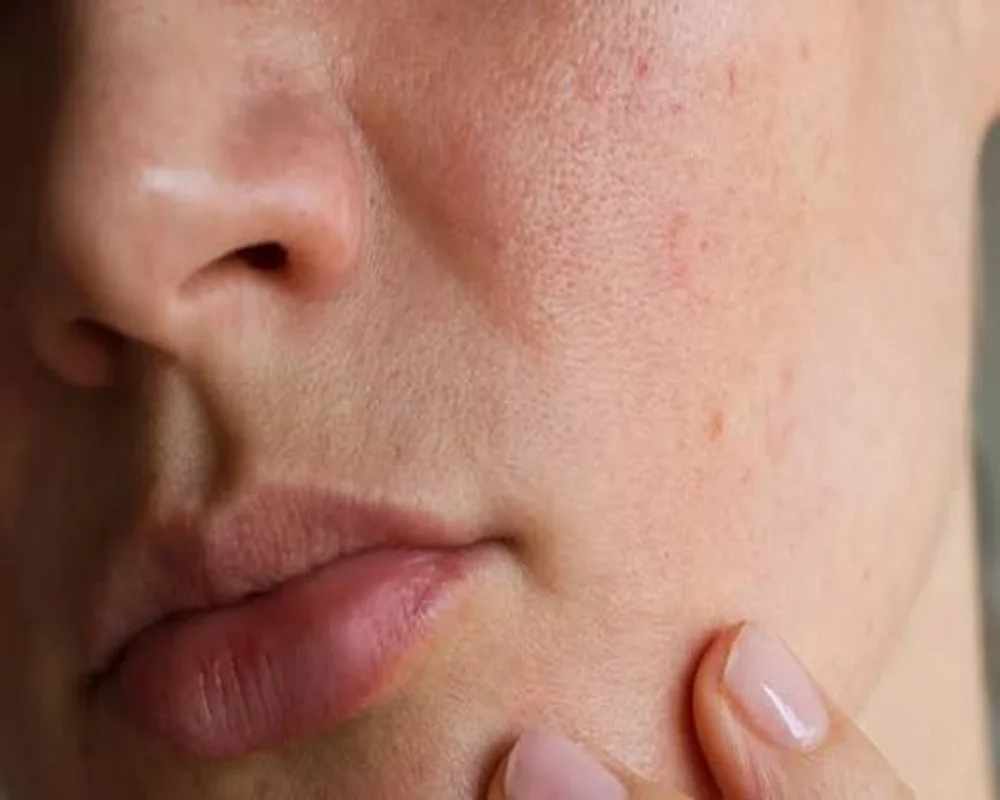
Facial rosacea is the classic form, and researchers know it far better than the scalp form. It affects more than 14 million people in the U.S. and is more common in women and people with fair skin. It usually starts after age 30. Typical signs include flushing, persistent redness, visible blood vessels, and acne-like bumps.
Scalp rosacea tends to look different. It mostly affects middle-aged and older men, often those with hair loss. Facial signs are often mild or absent, while dry scaling and burning stand out on the scalp. Because scalp studies are scarce, much of what doctors know about causes comes from facial rosacea.
Rosacea Scalp Symptoms
Rosacea scalp symptoms include diffuse redness, dry scaling, itching or burning, and sparse pimple-like bumps. Redness may look purple or brown, depending on skin tone. Symptoms can cover several affected areas of the scalp instead of one patch.
Can Rosacea Cause an Itchy Scalp
Yes, rosacea can cause an itchy scalp. Burning and persistent itching are common symptoms. Skin and hair products can trigger flares. A recent change in shampoo or styling products is worth mentioning to your doctor.
Scalp rosacea can cause temporary hair shedding, but it does not progress to scarring alopecia. One variant needs a closer look, because the granulomatous variant can cause firm bumps that may scar. Untreated shedding can lead to bald patches. Any hair thinning deserves a clinician’s assessment.
Do I Have Seborrheic Dermatitis or Rosacea
Several common scalp conditions share the same redness and flaking, so telling them apart at home is hard. Psoriasis, acne, keratosis pilaris rubra, and lupus can all resemble rosacea on the scalp.
No specific test exists for rosacea, so diagnosis relies on a physical exam, your history, and questions about triggers. The table compares rosacea with the condition people most often confuse it with.
The two conditions can occur together. In one clinical study, 28 percent of people with rosacea also had the dandruff-type condition on the scalp. Only a clinician can confirm which skin condition you have.
What Causes Scalp Rosacea
The exact cause of scalp rosacea is unclear. Researchers suspect genetic susceptibility, immune dysregulation, and changes in blood vessels and nerves. Demodex mites may help the condition persist. Most of this evidence comes from facial rosacea, because scalp-specific studies are lacking.
Common Triggers
Triggers can set off flares, even though they do not explain the underlying cause. Common triggers include sun exposure, hot or cold temperatures, stress, alcohol, spicy foods, and skin or hair products. Reactions vary, and spicy food bothers some people but not others.
A diary of foods, products, and activities can help you spot your own triggers.
How Scalp Rosacea Is Diagnosed
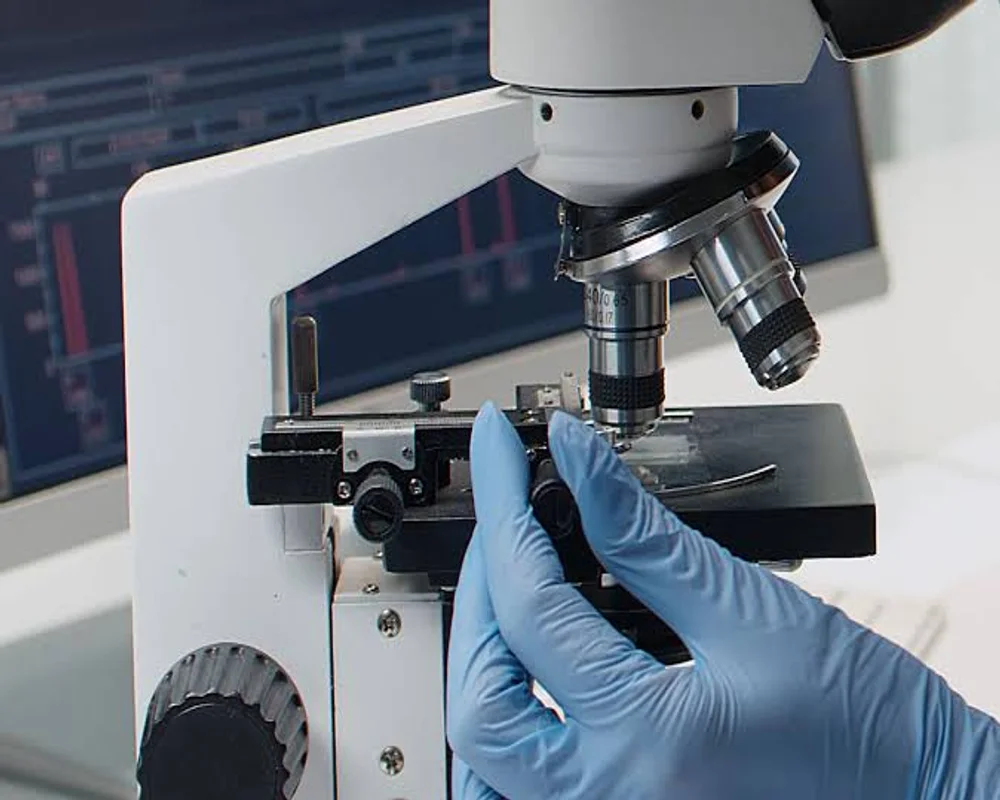
Trichoscopy and Biopsy
Doctors should examine the scalp systematically, because scalp involvement is often missed. Trichoscopy, a magnified view of the scalp, shows features such as arborizing vessels and peripilar scaling, which help separate rosacea from psoriasis and other look-alikes.
When the diagnosis stays unclear, a dermoscopy-guided biopsy may follow. A biopsy typically shows inflammation around the hair follicles without follicle destruction.
What Can Be Assessed Remotely
Clear photos and a symptom history can show the pattern of redness, scaling, and bumps. They help a clinician narrow down the likely causes. Photos cannot show what trichoscopy shows, and they cannot replace a biopsy when the diagnosis stays unclear.
A clinician who reviews photos remotely may therefore recommend an in-person visit for those steps.
How to Treat Rosacea on the Scalp
Topical and Oral Scalp Rosacea Treatment
Prescription rosacea treatment options include topical azelaic acid, metronidazole, and ivermectin, and solution formulas are generally preferred on the scalp. Oral tetracyclines such as doxycycline are the usual first oral choice, tapered to the lowest effective dose.
Case reports suggest oral tetracyclines and topical metronidazole may improve symptoms, including discoloration and hair shedding. The research base is small, so doses and treatment plans are not validated.
When First-Line Treatment Is Not Enough
Doctors have other options when first-line treatment does not help. Azithromycin or erythromycin can replace tetracyclines when those are unsuitable. Oral ivermectin and low-dose isotretinoin are options for severe or refractory cases. Probiotics may help as an add-on to tetracyclines.
These options rest on limited evidence. The review draws on case series, case reports, and a 21-patient retrospective pilot study. Doses and treatment algorithms are not validated, so a doctor weighs benefits and risks for each person.
Scalp Care and Steroid Cautions
A gentle skin care routine for rosacea supports medical treatment. Dermatology sources suggest a pH-balanced cleanser instead of soap, a broad-spectrum sunscreen with SPF 30 or higher, and a moisturizer.
Topical steroids may cause rebound flaring, and a 2026 review lists corticosteroids among the things to avoid. Ask a clinician before you use any steroid product on a red, itchy scalp.
What to Expect Long Term
Rosacea is a chronic condition with symptoms that come and go. It has no cure, but treatment and trigger avoidance can keep it in remission. Improvement can take several weeks to a few months. No standardized guidelines exist for scalp rosacea, so a clinician tailors the plan to each person.
Living With Scalp Rosacea
Scalp rosacea can affect how you feel about your appearance, especially when hair thinning is involved. Rosacea can affect self-esteem, and talking with a mental health professional may help.
Daily sunscreen and UV-protective clothing, such as a hat, are recommended. Men may have more severe symptoms because they often delay treatment.
When to See a Dermatologist
See a dermatologist for scalp concerns if your scalp stays red, itchy, or sore despite gentle care, so a clinician can confirm the diagnosis and rule out look-alikes. Pus-filled bumps, hair shedding, or bald patches also call for an assessment. Report any eye irritation too, because rosacea can affect the eyes.
Follow-up visits may be needed to monitor how treatment is working.
Questions to Ask Your Dermatologist
Preparing questions helps you get more from an appointment. Bring a list of your symptoms, your current hair products, and your suspected triggers. Consider asking these questions:
- Which type of rosacea do I have, and could it be a look-alike?
- Do I need trichoscopy or a biopsy to confirm the diagnosis?
- Which medications fit my symptoms, and when should I expect a change?
- Which triggers and hair products should I avoid?
- How often should I come back for follow-up?
Scalp rosacea can look like several other conditions, so an accurate diagnosis matters. If you would like a board-certified dermatologist to review your symptoms, you can start an online dermatology visit. The process begins with a secure intake form and photos of your scalp.
Scalp Rosacea Myths and FAQs
Is rosacea just acne?
No. Rosacea does not cause blackheads, and it differs from acne through persistent redness and visible blood vessels. Because rosacea can produce acne-like bumps, a clinician’s exam helps tell the two apart.
Is rosacea the same as a lupus rash
No. Both can affect the cheeks and nose and worsen with sun, but lupus rashes are scaly and itchy and can cause lasting scarring and hair loss. Rosacea is generally harmless, although severe or untreated cases can cause lasting changes.
Is rosacea an autoimmune disease?
Researchers have not settled this question. Research on whether rosacea is autoimmune is ongoing. Suspected factors include immune, blood vessel, and nerve changes, Demodex mites, and a faulty skin-protective protein.