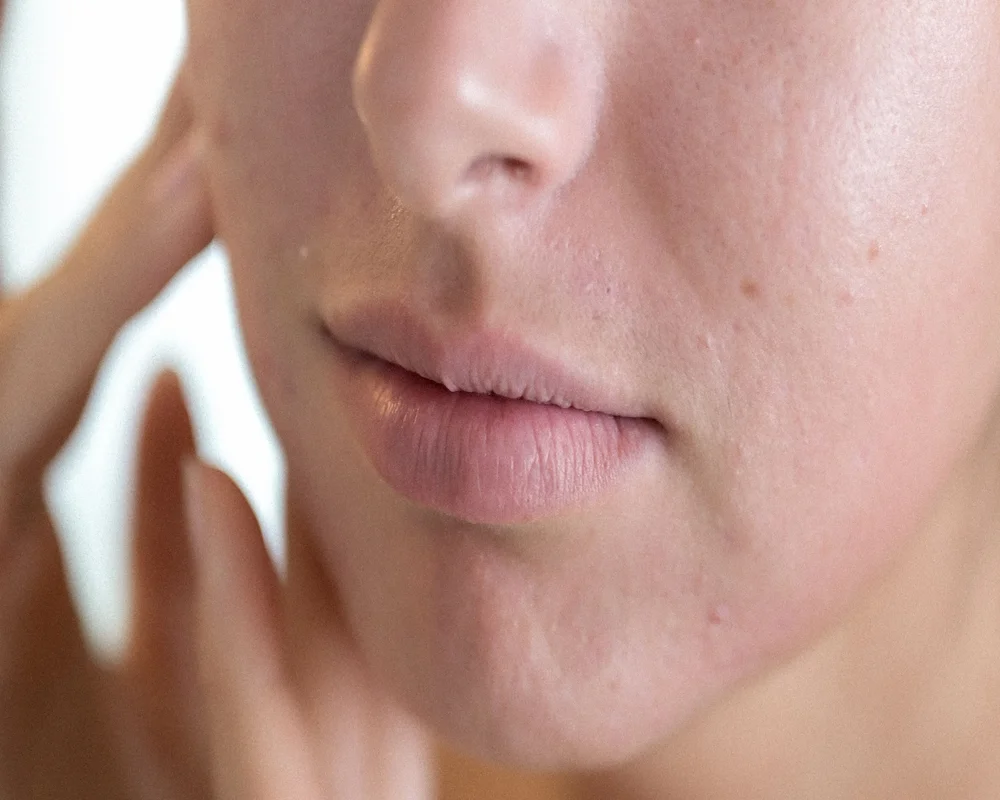
You will learn how probiotics may affect rosacea, which strains researchers have studied, what the safety data says, and how they compare with standard care.
Key Takeaways
- Probiotics may help rosacea, but the evidence is limited to one small trial of 60 adults, and no guideline recommends them yet.
- Rosacea and acne are separate conditions that need different treatments, so an accurate diagnosis matters before you start any product.
- No single probiotic strain is proven best for rosacea, and most studies tested strains in combination or alongside antibiotics.
- Standard treatments such as topical ivermectin, metronidazole, and azelaic acid have stronger evidence than probiotics, so keep your prescribed routine.
- Some high-dose vitamins and supplements can worsen rosacea, so ask a doctor before starting any new supplement.
Does Taking Probiotics Help Rosacea
Possibly, but research has not confirmed it. The best evidence is one small randomized clinical trial of 60 adults, and clinical guidelines for probiotics in rosacea are still pending.
What Current Studies Found
In the 2024 trial, adults took doxycycline for two weeks, then a five-strain probiotic, a placebo, or nothing for about 12 weeks; they had lower severity and inflammatory markers with the probiotic. Because everyone took an antibiotic first, a significant improvement from probiotics alone remains untested.
A 2016 trial reported 89% response to oral E. coli Nissle 1917 versus 56% of controls, and a case report described one man’s scalp rosacea improving after eight weeks of doxycycline plus two probiotic strains.
Why the Evidence Is Limited
Only nine gut microbiota studies exist in rosacea, all small and partly contradictory. Almost no data cover darker skin tones, so the potential benefits remain uncertain.
Rosacea and Acne Basics
Is Rosacea the Same as Acne
No. Researchers once used the name “acne rosacea”, but rosacea is a separate chronic condition that lacks blackheads and affects about 16 million Americans. Acne medicines such as isotretinoin can also cause facial redness, which is usually temporary and should not be mistaken for rosacea.
Common Symptoms and Subtypes
Rosacea causes facial redness, visible blood vessels, and acne-like bumps, sometimes with eye irritation or thickened skin. Many people also notice burning or stinging. Specialists group rosacea into four subtypes, and they often overlap:
- Erythematotelangiectatic: persistent redness, flushing, and visible blood vessels.
- Papulopustular: redness with pimple-like bumps and pustules.
- Phymatous: thickened skin, most often on the nose.
- Ocular: dryness, burning, light sensitivity, and blurred vision.
In a National Rosacea Society survey, 77% of patients reported more than one subtype at the same time.
Are Probiotics Good for Rosacea and Acne
Researchers have studied probiotics in several skin conditions, but evidence for acne and rosacea is limited. No study confirms that probiotics are good for rosacea and acne on their own.
What Causes Rosacea and Its Triggers
The exact cause is unknown, though the leading model involves an unbalanced immune system and vascular changes. In a survey of 1,066 patients, sun (81%), stress (79%), and hot weather (75%) were the top triggers.
How the Gut-Skin Connection Works
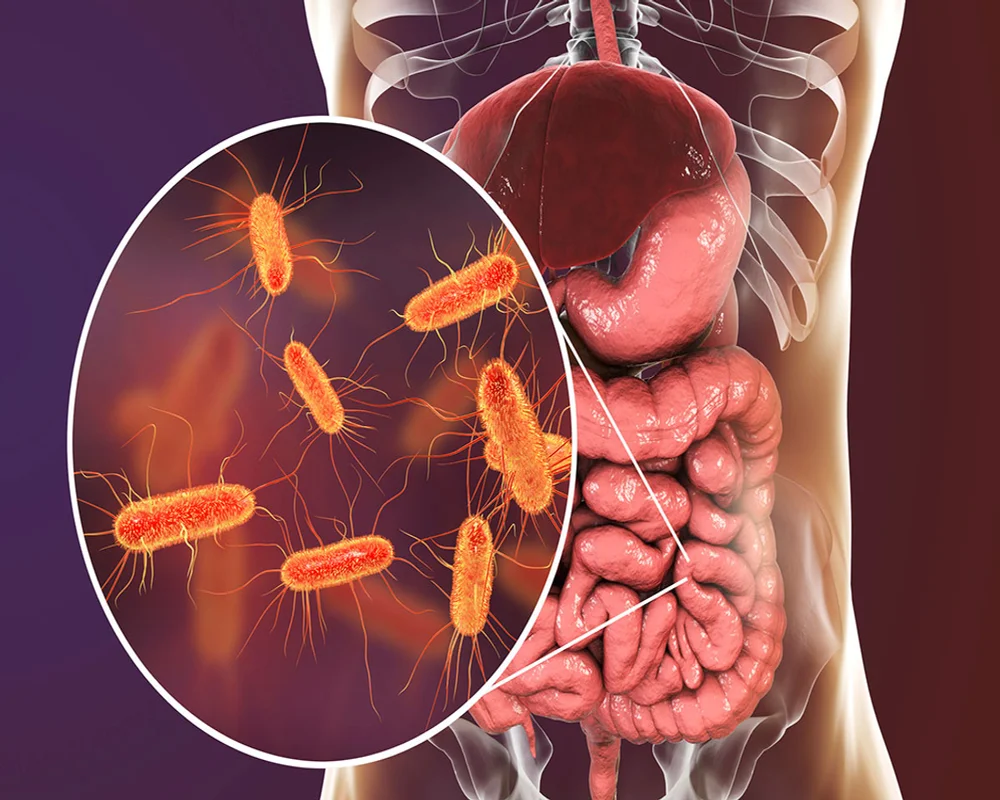
Gut Bacteria, SIBO, and H. pylori Links
The gut-skin axis links gut and skin microbes, and a 2008 study found small intestinal bacterial overgrowth in 52 of 113 people with rosacea versus 3 of 60 controls.
The H. pylori link was weak in a 2017 meta-analysis, but a 2024 analysis found higher infection rates. Researchers do not know whether gut changes play a role in flares or follow them.
How Probiotics May Help
Probiotics are live microorganisms intended to have health benefits. Researchers propose they calm the immune response and produce an anti-inflammatory effect that may reduce skin inflammation.
Best Probiotics for Rosacea
Strains Studied in Rosacea
No single product is proven best, and the NIH notes that one strain’s benefit may not apply to others. The table lists the probiotic strains tested.
Best Probiotics for Skin Health
No product has earned the title of best probiotics for skin, and the NIH notes that not every labeled probiotic has proven benefits.
Oral and Topical Probiotics for Rosacea
Oral probiotics have the most research, while topical probiotics have very limited studies. If you try one, patch test for 24 hours first.
How to Read Probiotic Labels and Claims
Supplements need no FDA approval before sale, so look for full strain names and human studies on that exact strain and condition.
Are Probiotics Safe for Rosacea
Why Does My Face Break Out on Probiotics
Studies do not list breakouts as a common effect of a probiotic supplement, though mild bloating or gas is typical early on. A breakout may come from another ingredient or a new trigger, so stop the product and see a dermatologist if your skin worsens.
What Supplements Aggravate Rosacea
Evidence is limited, but Merck lists high-dose vitamins B6 and B12 as possible aggravators, with a case report of an eruption resembling acne rosacea. Niacin can cause flushing, so ask a doctor before starting any supplement.
Who Should Be Cautious
The NIH notes that probiotics usually cause few side effects, but long-term data are limited, and risk rises with underlying conditions such as a weakened immune system, for example during chemotherapy. If you take antibiotics such as doxycycline, ask about timing.
Standard Rosacea Treatments
Prescription Treatment Options
Doctors commonly use topical ivermectin, metronidazole, or azelaic acid for bumps, and low-dose oral doxycycline for persistent cases. In trials, these topicals helped about 65% to 75% of patients versus 40% on placebo.
A dermatologist can match these rosacea treatment options to your symptoms and triggers.
Daily Skin Care Routine
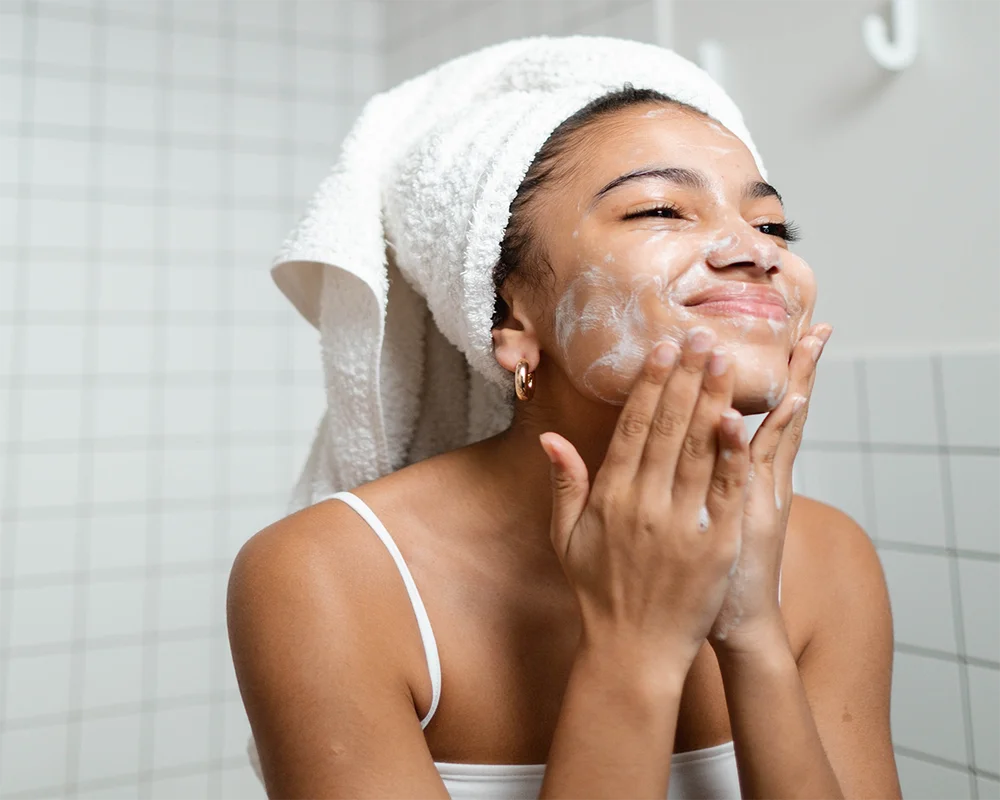
Guidance for physicians recommends daily sunscreen, moisturizer, and mild cleansers. Skip scrubs and hard rubbing, and follow a dermatologist-recommended skin care routine for rosacea that stays simple.
When to See a Dermatologist
See a dermatologist if redness lasts or symptoms worsen. Doctors diagnose rosacea from appearance and history, so a telehealth service like DermOnDemand can often assess it through photos, but eye pain or vision changes need prompt in-person care.
If you want a dermatologist to review your skin, you can start an online visit by completing a short form and uploading photos.
Questions to Ask Your Doctor
- Do I have rosacea, acne, or both? How can you tell?
- What treatment would you start with, and when should I expect to see improvement?
- Could any of my current skin care products make my symptoms worse?
- Is there any evidence that a probiotic or supplement could help with my symptoms?
- Could a supplement interact with my medications or affect my current treatment?
Myths and Frequently Asked Questions
Can Probiotics Cure or Replace Treatment
No. Rosacea is chronic and relapsing, and treatment aims to control symptoms, not cure. Keep your prescribed routine unless your doctor changes it.
How Long Do Probiotics Take to Work
No one knows. The 2024 trial checked skin only at baseline and after 14 weeks, so no timeline exists.
Does Rosacea Come Back After Treatment
It can, because rosacea is chronic, though avoiding personal triggers lowers the chance of flares.