Dr. Alicia Atkins, a board-certified dermatologist at DermOnDemand, explains how drinking affects the skin and what care options can help.
Key Takeaways
- Alcohol doesn’t cause rosacea, but it’s a common trigger that can make flushing and redness worse. Your skin’s response to each drink matters more than the drink type.
- No alcohol type is proven safe for rosacea. Red wine is the most reported trigger, and spirits can still cause flushing.
- Flushing after a drink doesn’t always mean rosacea. Alcohol intolerance and ALDH2 deficiency can cause similar redness.
- Stopping alcohol may reduce flare-ups, but it won’t cure rosacea. The condition is chronic and usually needs ongoing care.
- Some rosacea medicines interact with alcohol. Check with your dermatologist before drinking while on treatment.
Does Rosacea Get Worse with Alcohol?
Alcohol often worsens rosacea, but the effect varies. Many people with rosacea notice flushing within minutes of a drink. The National Rosacea Society lists alcohol among commonly reported triggers.
Does Alcohol Cause Rosacea?
Alcohol doesn’t cause rosacea. Rosacea is a chronic skin condition with genetic and immune roots. Still, a study in the Journal of the American Academy of Dermatology found an association between higher alcohol consumption and a greater risk of developing rosacea in women.
Why Alcohol Triggers Flare-Ups
Alcohol widens blood vessels near the skin surface. More blood flow causes flushing and heat, which can start a rosacea flare. Some drinks also contain histamines, which may add to the reaction.
Can I Drink Alcohol with Rosacea?
Some people with rosacea can drink in small amounts, but alcohol is a common trigger, and no amount is proven safe. Your response depends on your skin, your treatment, and the type of drink. Track how your skin reacts, and ask your dermatologist if you take medicine for rosacea.
Does Moderate Drinking Matter?
Does rosacea get worse with alcohol in small amounts? It can. No research defines a safe amount for everyone. Watch how your skin responds after each drink.
Alcohol and Rosacea Medications
Some medicines interact with alcohol. Oral metronidazole carries a label warning about drinking alcohol, and isotretinoin adds liver stress. If you ask, can I drink alcohol with rosacea while on treatment, the answer depends on your medicine.
Best Alcohol to Drink with Rosacea
No proven best alcohol to drink with rosacea exists. Every alcoholic drink can widen blood vessels. Some types of alcohol appear in trigger reports more often:
- Red wine: the most reported trigger
- White wine: also common, often milder
- Beer: contains histamines
- Spirits: fewer histamines, but they still cause flushing
Non-Alcoholic Alternatives
Swapping alcoholic beverages for cool, non-alcoholic drinks may lower your flare risk. Sparkling water with fruit is a simple choice. Avoid very hot drinks, since heat triggers flushing too.
What Does an Alcohol Rash Look Like?
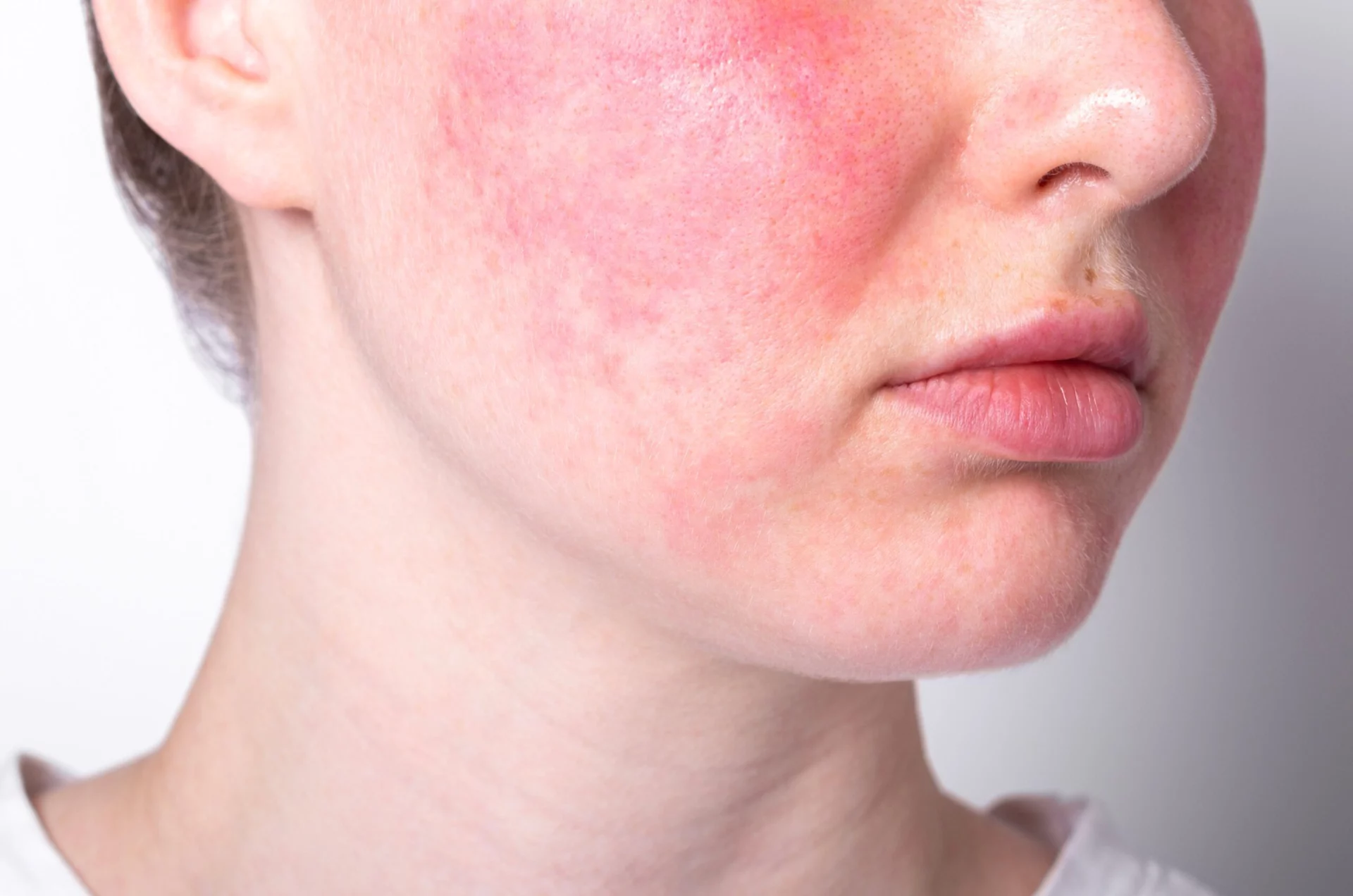
An alcohol rash usually looks like flat red or pink flushing on the cheeks, nose, chin, or forehead. The skin may feel warm or tender. In rosacea, the redness can come with bumps and stay after the drink, while alcohol intolerance causes a shorter flush.
Rosacea Flushing and Bumps
Rosacea flushing appears as red patches on the cheeks, nose, chin, or forehead. Fine red lines, bumps, and stinging may follow. Persistent facial redness can remain between drinks.
Alcohol Intolerance and ALDH2 Deficiency
Some people flush after drinking because of alcohol intolerance, not rosacea. ALDH2 deficiency can cause redness of the face and neck, a fast heartbeat, nausea, and dizziness within minutes. This reaction appears only after drinking and fades as the alcohol clears.
What Calms Rosacea Quickly?
Cooling the skin, avoiding triggers, and gentle care calm rosacea best. Flushing often fades within hours, but bumps and lasting redness take longer. The steps below cover what to do during a flare and every day.
Immediate Steps for a Flare-Up
Flushing often settles within hours. Persistent redness needs treatment. These steps may help during a rosacea flare:
- Move to a cool room and stop drinking alcohol.
- Press a cool, damp cloth to your face.
- Sip cool water.
- Skip heat, spicy food, and hot drinks.
Gentle Skin Care Habits
Use a mild, fragrance-free cleanser and lukewarm water. Apply sunscreen with SPF 30 or higher daily. Skip scrubs and products that sting.
Will Rosacea Go Away if I Stop Drinking?
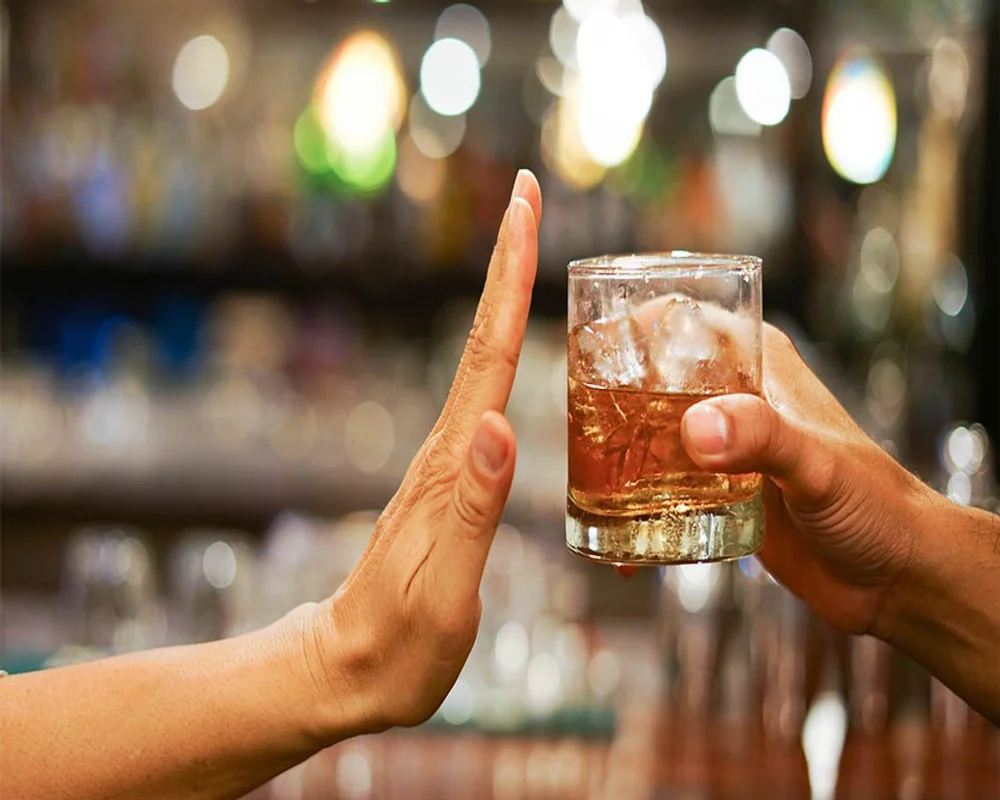
Stopping alcohol will not cure rosacea. Rosacea is a chronic condition with many triggers. Lower alcohol intake may reduce how often flares happen, but persistent redness usually needs medical treatment.
Other Rosacea Triggers and How to Track Them
Alcohol is only one of many rosacea triggers, and sun, heat, and stress also play a role. Common examples include:
- Sun exposure
- Hot weather and hot baths
- Emotional stress
- Spicy food
- Hot drinks
Keep a four-week diary of foods, drinks, weather, stress, and flares, and review this rosacea diet guide for food-related triggers. Look for repeats. Share the pattern with your dermatologist.
Prescription Treatments
Treatment depends on rosacea type, and this guide to rosacea symptoms and treatment explains each option in more detail. Topical options for bumps include metronidazole, azelaic acid, and ivermectin, while brimonidine targets redness. Low-dose oral doxycycline may help persistent bumps. Treatment controls symptoms but does not cure rosacea.
Laser and Light Therapy
Vascular lasers and intense pulsed light can reduce visible vessels and persistent redness. These procedures need in-person visits and often several sessions. Results vary, and they do not prevent future flares.
When to See a Dermatologist
See a dermatologist if redness lasts more than a few weeks or bumps keep returning. Seek care for eye burning, grittiness, or vision changes. Get emergency help for lip or throat swelling or trouble breathing after drinking.
What Can Be Evaluated Remotely?
A dermatologist can assess typical rosacea from clear photos and a detailed history. DermOnDemand clinicians review this information online and prescribe treatment when appropriate. Lasers and hands-on eye exams require an in-person visit.
If you want a dermatologist to review your skin, you can start treatment with DermOnDemand.