This article explains how dermatologists approach tretinoin after Accutane and what patients should understand during recovery. It reflects common clinical guidance and includes insight from board-certified dermatologist Dr. Alicia Atkins. DermOnDemand is mentioned here as a teledermatology practice that provides evidence-based education on common skin conditions.
Oral isotretinoin, often called Accutane, is commonly used for treating severe acne. Many people have questions after Accutane treatment ends, especially about long-term care and skin changes. Learning how tretinoin fits into post-Accutane skin care helps reduce confusion and supports informed decisions.
Accutane works by shrinking sebaceous glands and reducing oil production in the skin. These changes continue for weeks after the last dose. The skin often feels dry or sensitive during this adjustment period.
Key Takeaways
- Tretinoin is often used after Accutane as a maintenance option, but it should only be started once the skin has recovered enough to tolerate a topical retinoid.
- Most dermatologists recommend waiting several weeks after finishing Accutane treatment before introducing tretinoin to reduce irritation and support skin barrier recovery.
- Post-Accutane skin care should focus on gentle cleansing, consistent moisturizing, and sun protection to manage dryness and sensitivity during the transition period.
- Mild breakouts or temporary purging can occur when starting tretinoin, but these changes do not always indicate acne relapse or treatment failure.
- Tretinoin is not necessary for every patient after Accutane, and decisions about ongoing care should be based on individual skin response, sensitivity, and long-term maintenance needs.
Can You Use Tretinoin After Accutane?
Why dermatologists consider tretinoin after oral treatment
Many dermatologists recommend a topical retinoid, such as tretinoin, after Accutane, but only after the skin has recovered. Tretinoin is used for maintenance, not to repeat oral therapy. It helps keep pores clear and supports steady skin turnover.
The focus shifts from treating active breakouts to preventing new ones. Tretinoin helps reduce the buildup of dead skin cells inside pores. This lowers the chance of clogged pores forming again.
This approach is common in acne treatments meant for long-term care. It supports skin balance without strong systemic effects.
Who may or may not need tretinoin
Not everyone needs tretinoin after Accutane. Some people remain clear with basic care alone. Others may benefit if they had frequent breakouts before treatment.
Skin sensitivity also matters. Those who are prone to skin irritation may need a slower approach or a different option.
When to Start Tretinoin After Accutane
Typical waiting period after Accutane treatment
Most dermatologists suggest waiting before starting tretinoin after Accutane. Isotretinoin continues to affect sebaceous glands even after treatment stops. The skin barrier stays fragile during this time.
A common guideline is to wait four to six weeks. This allows the skin to regain strength and moisture. Some people may need more time if redness or peeling continues.
Starting too early does not improve results. It often leads to discomfort and poor tolerance.
Why timing affects tolerance
Waiting does not reduce the effectiveness of tretinoin. In fact, starting later often improves comfort. Better tolerance helps people stay consistent with their skincare routine.
Consistency matters more than speed. A gradual start supports long-term skin health.
What Happens After Stopping Accutane and What to Do Next
Skin changes after Accutane
Oil production does not return right away. Sebaceous glands slowly become active again over time. Some areas may stay dry longer than others.
Skin sensitivity is also common. The skin may react more strongly to products or weather changes. This is part of normal recovery.
Early post-Accutane care priorities
Post-Accutane care focuses on gentle support. A mild cleanser, daily moisturizer, and sunscreen form the base of care. These steps support skin health as it adjusts.
It is best to avoid harsh treatments at this stage. Chemical peels and strong exfoliation can damage the barrier and delay healing.
How to Use Tretinoin Post Accutane
How much tretinoin to apply
When starting with tretinoin, less is more. A pea-sized amount covers the entire face. Using more increases irritation without added benefit.
Spreading a thin layer helps even absorption. This reduces the chance of redness and peeling.
How and when to apply tretinoin
Apply tretinoin at night on clean, dry skin. Waiting 20 to 30 minutes after washing lowers the stinging. Moisturizer can be applied after tretinoin to reduce dryness.
Some people use moisturizer first, then tretinoin. This can help if the skin is very sensitive.
How often to use tretinoin
Most people start two or three nights per week. Frequency increases slowly as tolerance improves. Daily use is not required to start off with.
This gradual method helps reduce inflammation. It also lowers the risk of stopping treatment due to irritation.
Retinoids After Accutane: Tretinoin, Retinol, Adapalene
Differences between common retinoids
Not all retinoids act the same way. Tretinoin is prescription-strength and works directly on the skin. Retinol products are weaker and convert slowly. This difference is explained in more detail in Tretinoin vs retinol.
This difference affects strength and the risk of irritation. Retinol may be easier to tolerate for some people.
Choosing the right option after Accutane
Adapalene is another topical retinoid option. It often causes less irritation and may suit sensitive skin. It can be helpful when skin sensitivity remains high. For a clearer comparison, see this Tretinoin vs adapalene acne treatment guide.
Dermatologists consider the level of post-Accutane acne, tolerance, and goals when choosing a retinoid. There is no single best option for everyone.
Post-Accutane Skin Care Essentials
Supporting the skin barrier after Accutane
Post-Accutane skin care focuses on hydration and barrier repair. Isotretinoin can thin the outer layer of the skin. This makes the skin more reactive.
Supporting the barrier improves comfort and function. It also helps the skin tolerate future treatments better.
Hyaluronic acid and Accutane recovery
Hyaluronic acid is commonly used during Accutane recovery because it helps hydrate without adding oil.
Hyaluronic acid pulls water into the skin; it does not block pores or increase breakouts. This makes it useful during periods when the skin is at its most sensitive.
Building a simple skincare routine
A basic skincare routine usually includes:
- Gentle cleanser
- Fragrance-free moisturizer
- Daily sunscreen
Keeping routines simple reduces irritation. It also supports long-term skin health.
Acne After Accutane and Retinoid Purging
Normal breakouts versus relapse
Some people notice acne after Accutane use. Mild breakouts do not always mean treatment failure. The skin may still be adjusting.
Hormones, stress, and products can also affect breakouts. That is to say, not all acne means relapse.
Understanding tretinoin purging
Purging usually occurs when dead skin cells are shed more quickly. Acne lesions may appear more noticeable at first. This usually lasts a few weeks, but improves as the skin adjusts to treatment.
Common Myths About Tretinoin After Accutane
Misunderstandings about effectiveness and irritation
One myth is that tretinoin prevents acne forever. It helps reduce clogged pores but does not guarantee permanent clearance. Acne scarring and return depend on many factors.
Another myth is that irritation means harm. Mild redness and peeling are common early effects. These usually improve with steady use.
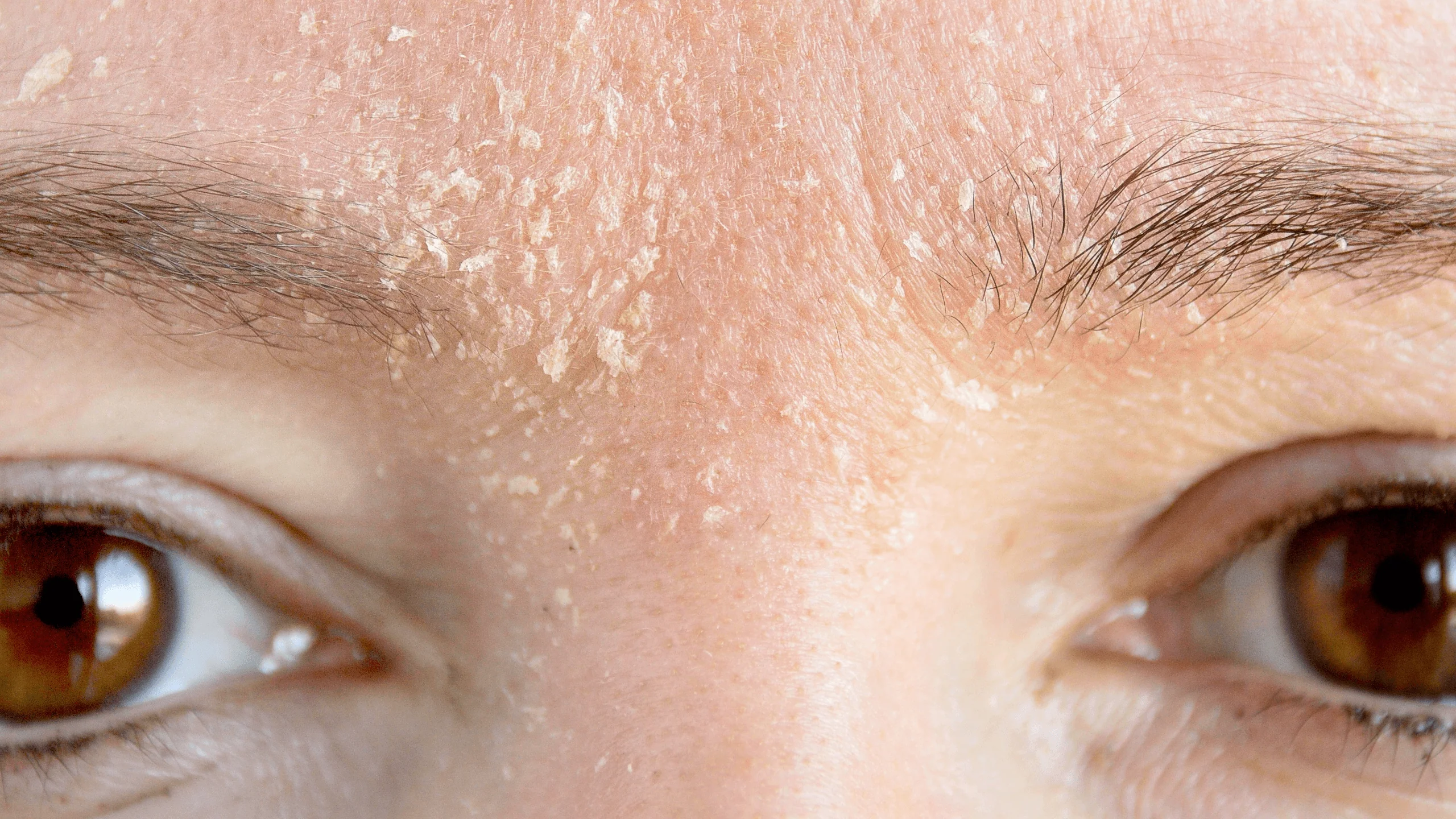
Additionally, some think that stronger products work faster. In practice, slow use leads to better tolerance.
When Tretinoin May Not Be Needed
Cases where maintenance care is enough
Some people stay acne-free with gentle care alone. This is more common when acne is fully controlled through Accutane treatment.
Low relapse risk and good skin balance may reduce the need for active treatment.
When recovery should come first
People with ongoing dryness or eczema-like symptoms may need more recovery time. In these cases, barrier repair should be the first step.
Dermatologists adjust care based on skin response. This helps protect long-term skin health.
Final Notes on Care and Expectations
Using tretinoin after Accutane supports long-term skin balance. It helps manage dead skin cells and improve skin texture over time. Results develop slowly.
Other acne treatments, such as benzoyl peroxide, may be used in small areas if acne lesions return. These should be added carefully to avoid irritation. Dermatology-guided acne treatment can help adjust care if breakouts appear after Accutane.
Clinicians, including those at DermOnDemand, focus on education and realistic expectations. A gradual approach helps protect skin health after treating severe acne.