
Waxing and Accutane do not combine safely because isotretinoin can make the skin thin, dry, and slow to heal.
This article explains why waxing increases the risk of skin injury, how long to wait before waxing, and which hair removal options are safer during skin recovery. The guidance reflects standard dermatology practice, as outlined by clinicians such as Dr. Alicia Atkins, and is shared as an educational resource by DermOnDemand.
Key Takeaways
- Waxing is not advised during Accutane treatment because the skin becomes thin and heals slowly, which raises the risk of burns, skin tears, and scars.
- Sensitive areas like the face, underarms, and Brazilian area are more likely to be injured during waxing on Accutane due to weaker skin.
- Most dermatology guidance recommends waiting at least 6 months after stopping Accutane before waxing, to allow the skin to regain strength and heal normally.
- Safer hair removal options during treatment include shaving or trimming, since they do not pull hair from the root or remove skin.
- Topical retinoids such as tretinoin can also make skin sensitive, so waxing treated areas should be avoided to protect the skin.
Can You Wax on Accutane?
The short answer is no for most people. Accutane (isotretinoin) alters how the skin behaves and heals, increasing the risk of injury from waxing. During treatment, skin becomes thinner, drier, and more fragile than usual.
Waxing on Accutane is risky because waxing removes hair from the root and can also pull away a thin layer of skin. When the skin is already fragile, this process can cause tearing, burns, or scarring. These risks apply even if the area seems healthy or has tolerated waxing in the past.
Why Waxing Is Unsafe on Accutane
Accutane affects oil glands and slows normal skin repair. It reduces skin cell turnover, which means new skin cells replace old ones more slowly. As a result, the outer layer of skin does not recover well after physical stress.
Because of these changes, the skin is more sensitive to procedures that apply heat or traction. Waxing applies both, gripping hair from the root and pulling it out quickly. This combination increases the chance of damage, even in small areas.
Waxing and Accutane Side Effects
The most common side effects linked to waxing during Accutane treatment involve direct skin injury. These can appear right after a waxing service or develop over the following days. Some injuries heal slowly and may leave lasting marks.
Reported problems include skin lifting, open sores, and scarring. These effects can interfere with healing and may require medical care. For this reason, most dermatologists advise avoiding waxing entirely during isotretinoin therapy.
High-Risk Areas for Waxing on Accutane
Certain body areas carry a higher risk because the skin is thinner or more delicate. Brazilian waxing and other intimate areas are especially vulnerable. These regions experience friction, moisture, and slower healing, increasing the risk of injury.
The face, underarms, and eyebrows also fall into this category. Even though these areas are small, waxing can remove more than hair. It can strip away a layer of skin that is already compromised, leading to irritation or scarring.
How Long After Accutane Can You Wax?
Most guidance recommends waiting at least six months after completing treatment before waxing, as there are reported long-term Accutane effects. This waiting period allows the skin to regain strength and normal repair function.
For sensitive areas such as a Brazilian wax or facial waxing, some clinicians advise waiting longer. The exact timing depends on individual healing and prior reactions. A dermatologist can help assess whether the skin has recovered enough to tolerate waxing safely.
Alternatives to Waxing While on Accutane
While waxing is not advised, there are other options for hair removal during treatment. These methods focus on reducing skin stress and avoiding trauma.
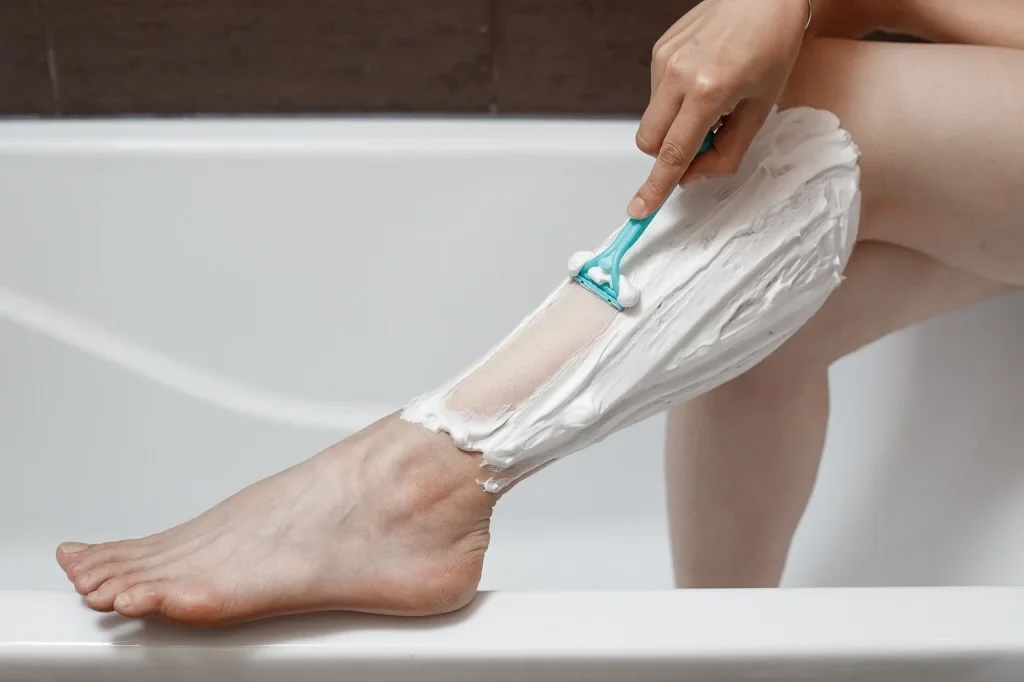
Common alternatives to waxing include:
- Shaving, which only removes hair at the surface and avoids pulling skin
- Trimming with scissors or electric devices for small areas
- Depilatory creams, used cautiously and tested on a small patch first
These approaches may fit into a gentle skincare routine but still require attention to irritation.
Can You Wax While Using Tretinoin?
Tretinoin is a topical retinoid, and its effects are more localized than Accutane. However, it still increases skin sensitivity in treated areas.
Waxing over skin treated with tretinoin can cause irritation or injury, especially if used daily. Dermatologists often recommend stopping tretinoin for several days before waxing and avoiding the treated areas altogether. Even then, caution is needed to protect your skin.
Waxing on Accutane: Forums vs Medical Advice
Online forums often include stories of people who waxed during Accutane without any issues, including younger patients discussed in Accutane and teenagers. These personal experiences do not reflect how skin responds in most patients. Skin thickness, dose, and healing ability vary widely.
Medical advice focuses on preventing harm, not testing limits. Dermatology guidance relies on observed patterns of injury and delayed healing, not isolated outcomes. This difference explains why online advice and clinical recommendations often conflict.
Common Myths About Waxing and Accutane
One common myth is that waxing is safe if hair grows slowly or if the skin looks calm. Appearance alone does not reflect deeper changes caused by acne treatments. The skin may look normal, but still heal poorly.
Another misconception is that waxing only removes hair and cannot affect skin structure. In reality, waxing removes hair from the root and can lift fragile skin cells. This effect increases risk during Accutane therapy.
When to Talk to a Dermatologist
You should speak with a dermatologist if you are unsure which hair removal methods are appropriate. This is especially important if you notice irritation, delayed healing, or signs of aging related to skin thinning. Professional guidance helps reduce avoidable injury.
Dermatology advice can also help you plan hair removal after treatment ends. Understanding how hair grows and how skin recovers allows for safer decisions. The goal is to support healing while minimizing unnecessary risk.