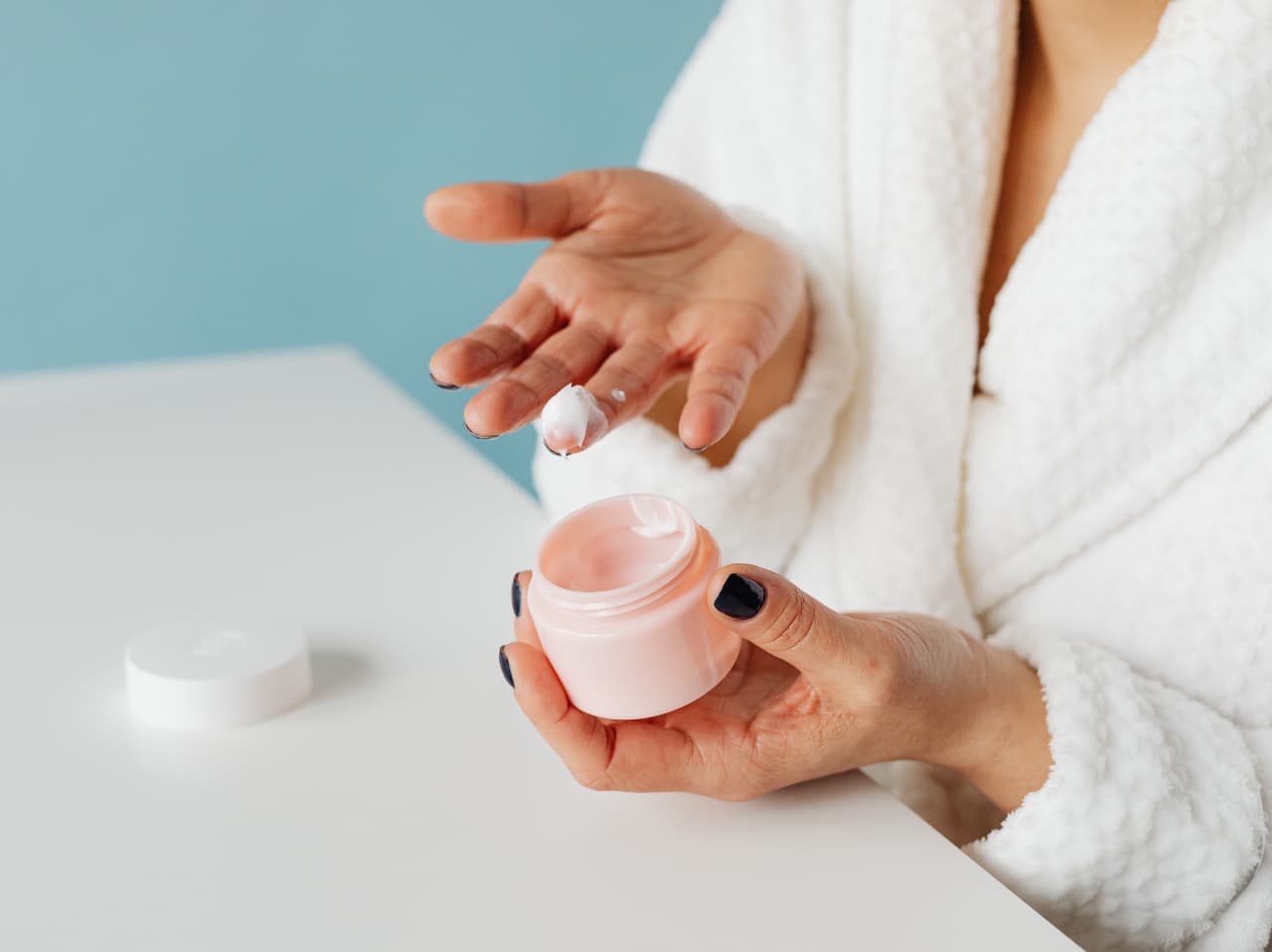
Daily moisturizer use is required for every patient on isotretinoin to prevent cracking, irritation, and damage to the skin barrier. Accutane and Moisturizer must work together every day using rich, fragrance-free creams that replace lost skin oils and seal in water.
According to Dr. Hannah Kopelman, moisturizer should be applied within minutes after gentle cleansing and reapplied to high-friction areas like the lips, hands, and nose. Care through DermOnDemand reinforces these rules with continuous digital follow-up to keep the skin stable throughout treatment. These steps form the base for safe and tolerable care.
Key Takeaways
- Daily moisturizer use is required during isotretinoin because the treatment removes both oil and water.
- Creams and ointments work better than light lotions, and ingredients such as ceramides, hyaluronic acid, glycerin, petrolatum, and dimethicone help repair and protect the skin.
- Moisturizer must be applied within minutes after cleansing and reapplied to high-friction areas like the lips, hands, and nose to prevent cracking and irritation as dryness increases.
- Severe dryness with cracks, pain, or bleeding signals advanced barrier damage and requires layered hydration or dermatologist-directed products.
How Accutane Affects the Skin Barrier
Isotretinoin greatly reduces oil production in the skin, which weakens the natural barrier that normally protects against water loss and outside irritants. As oil levels drop, the skin loses its ability to hold moisture and defend itself from daily exposure. This is why many patients begin to notice tightness and flaking within the first few weeks of treatment. Moisturizer quickly shifts from a cosmetic product to a medical support tool.
As the barrier continues to weaken, water escapes more easily through the surface of the skin. This leads to redness, itching, and visible cracks that can become painful if left untreated. Without daily moisturizer, dryness often worsens at a rapid pace. Consistent hydration becomes essential for maintaining comfort and protecting the skin throughout the full course of therapy.
Why Moisturizer Is Required During Treatment
Because isotretinoin removes both water and oil from the skin, moisturizer is needed to replace both at the same time. Hydration alone is not enough without lipids to seal it in. A proper moisturizer restores flexibility to the outer layers and reduces the chance of splitting and infection. This direct support is what allows the skin to tolerate long months of treatment.
Regular moisturizer use also plays a role in keeping patients on therapy. When dryness is controlled, patients report less pain and fewer interruptions. Barrier repair also reduces irritation caused by washing, wind, and daily friction. In this way, moisturizer directly supports both skin health and treatment success.
What Makes Dry Skin Severe on Accutane
Dryness becomes severe when oil production falls below the level needed to protect the surface of the skin. Isotretinoin suppresses sebaceous glands deeply, affecting both the face and the body. Some patients develop severely dry skin within just a few weeks, while others progress more slowly based on climate and skin type.
Environmental stress adds to this effect. Cold air, indoor heat, and frequent washing strip away the small amount of remaining oil. Harsh soaps worsen the problem even faster. Early and consistent moisturizer use helps stop this chain reaction before cracking and scaling become advanced.
Extra Skin Protection and Why It Matters
Extra skin protection means adding layers of defense to support skin that can no longer protect itself. This includes daily moisturizers, heavier sealing products when needed, and very gentle cleansing habits. Together, these steps reduce friction, water loss, and surface breakdown throughout the day.
Once the barrier is weak, even light sun, wind, or heat can trigger irritation. Protective skincare lowers the risk of rashes and secondary inflammation. This added layer of care helps keep treatment stable instead of forcing dose changes or pauses.
Types of Moisturizers Used During Accutane
Once the skin barrier weakens, product texture becomes as important as the ingredients. Light lotions often evaporate too fast and fail to seal in water. Creams and ointments work better because they contain more lipids that stay on the skin longer. These thicker products create a true barrier that slows water loss.
This difference becomes clear as dryness progresses. Patients who rely only on lotions often continue to flake and crack. Those who switch early to richer creams see faster relief. Matching product thickness to dryness level is a key part of successful care.
Key Ingredients That Support Barrier Repair
Beyond texture, ingredients determine how well a moisturizer repairs damaged skin. Ceramides help rebuild the natural lipid layers that isotretinoin disrupts. Hyaluronic acid draws water into the skin for deep hydration. Glycerin helps hold that moisture at the surface.
Once water is pulled into the skin, occlusives such as petrolatum and dimethicone prevent it from escaping. These ingredients are especially useful at night when the skin repairs itself. Each layer plays a separate role, and together they restore balance.
What to Avoid in Moisturizers During Treatment
As the barrier weakens, the skin becomes reactive to many common additives. Exfoliating acids and scrubs worsen irritation instead of improving texture. Retinoids must be avoided unless prescribed for a separate condition. Fragrances often trigger redness and burning.
Cooling agents such as menthol feel soothing at first but cause stinging later. Alcohol dries the surface even more. Solvent-based removers strip the little oil that remains. Avoiding these agents protects healing skin.
How Often Moisturizer Should Be Applied
Once irritation begins, timing becomes just as important as product choice. Most patients need moisturizer at least twice per day. Morning use protects against wind, sun, and friction. Evening use supports repair during sleep.
Certain areas dry faster than others. Lips, hands, and nasal folds often need reapplication several times per day. There is no strict maximum when gentle products are used. Reapply whenever tightness returns.

Moisturizer Use on the Face vs the Body
The face usually shows dryness first because oil glands are more active there before treatment. The nose, cheeks, and lips begin to scale early. Body dryness follows on the arms, legs, and trunk.
Different areas need different textures. Thicker products work best on the body. The face often tolerates rich creams but not greasy ointments during the day. Lips always need a separate, heavy balm.
Cleansing Rules While Using Moisturizer
Cleansing habits directly affect dryness severity. Harsh foaming cleansers strip away the last protective lipids. Gentle, non-foaming cleansers preserve what little oil remains. Many patients only need to cleanse once per day.
Timing also matters. Moisturizer should be applied within minutes after washing. This traps water in the skin before it evaporates. Waiting too long increases dehydration even if a good product is used.
Severely Dry Skin and Medical-Level Hydration
When dryness becomes advanced, basic creams may no longer be enough. Severely dry skin often needs layered hydration. A water-binding product may go on first, followed by a sealing cream. An occlusive can be added at night.
Deep cracks, bleeding, or burning pain signal advanced damage. At this stage, over-the-counter care may fail. These cases require dermatologist review and sometimes prescription barrier products.
Moisturizing the Lips During Accutane Therapy
The lips lose oil faster than any other area. This is why nearly all patients develop cheilitis. Balm use must start early and continue daily throughout treatment.
Wax-based balms seal better than glossy formulas. Frequent reapplication is needed after eating and drinking. A thick overnight ointment speeds healing and prevents morning cracking.
Sun Protection and Moisturizer Compatibility
As dryness increases, sun sensitivity also rises. Isotretinoin thins the outer protective layers of the skin. Sunscreen must be used daily even on cloudy days. Moisturizer should always go on first.
Mineral sunscreens are often better tolerated than chemical ones. Moisturizer buffers the drying effect of sunscreen. Skipping either step increases the risk of burns and peeling.
Makeup and Moisturizer During Treatment
Makeup behaves differently on dry skin. Foundation clings to flakes and highlights texture. Moisturizer must fully absorb before any makeup is applied. Hydrating primers may improve the result.
Removal must be gentle. Rubbing worsens irritation and delays healing. After removal, moisturizer should be reapplied immediately to protect the skin overnight.
How Dermatologists Guide Moisturizer Selection
Moisturizer needs change as treatment progresses. Early dryness may respond to medium creams. Later stages often require heavier products. Dermatologists adjust care based on visual skin changes and patient symptoms.
Digital follow-up allows frequent reassessment through photos. This avoids long delays when dryness worsens suddenly. Product type and frequency are modified as needed to maintain stability.
Body Areas That Need Extra Skin Protection
Not all areas dry at the same rate. Hands dry faster due to frequent washing. Feet often crack from pressure and friction. Elbows and knees thicken as moisture drops.
Night occlusion helps these areas heal. Cotton gloves and thick socks trap moisture during sleep. In the daytime, lighter creams keep comfort steady.
Seasonal Adjustments to Moisturizer Use
Weather strongly affects hydration needs. Cold winter air carries little humidity and pulls moisture from the skin. Indoor heating worsens this effect. Heavier creams are often required in winter.
Summer humidity allows some patients to use lighter textures. Travel also changes needs. Airplane cabins dry skin rapidly, so carry-on moisturizer becomes essential.
Long-Term Skin Recovery After Accutane Ends
After treatment ends, oil production slowly returns. Moisturizer needs often decrease over several months. Some patients, however, remain dry long term and need continued support.
Barrier strength improves with gentle daily care. Active acne products may be reintroduced slowly if needed. Abrupt routine changes can trigger irritation or relapse.
When Moisturizer Is Not Enough
Cracks that do not heal signal advanced barrier failure. Open skin increases the risk of bacterial infection. At this stage, prescription barrier repair products may be required.
Patients should not self-treat open skin with antibacterial ointments unless instructed. These products can irritate compromised tissue. Proper diagnosis directs correct care.
Practical Daily Moisturizer Rules
Daily care should follow these simple rules:
- Use moisturizer at least twice daily
- Apply within minutes after washing
- Choose fragrance-free formulas
- Increase thickness as dryness increases
- Protect lips at all times
These habits prevent most skin complications during treatment.
When to Contact Your Dermatologist About Dryness
Severe pain, bleeding, or yellow crusts require medical review. Sudden widespread redness may indicate dermatitis. These signs should not be ignored.
Early care prevents treatment interruption. Skincare changes made early avoid unnecessary dose changes and prolonged discomfort.
Key Safety Summary for Moisturizer Use
Moisturizer is a required medical support tool during isotretinoin therapy. It protects the skin barrier and prevents painful dryness. Product choice, timing, and layering determine success.
Patients who follow structured hydration rules tolerate treatment more easily. Skincare is not optional during Accutane. It is part of the prescription.