
Can Accutane Cause Psychosis? Facts and Next Steps

Accutane and psychosis can be linked in rare cases. Learn the symptoms, current evidence, and when urgent psychiatric care is needed.
Does Accutane Always Work for Acne? What to Know

Does Accutane always work for acne? Learn why results vary, how long treatment takes, and what affects long-term improvement.
Accutane And Hemorrhoids: Causes, Symptoms, And Relief

Understand Accutane and hemorrhoids and how to reduce irritation with simple habits like hydration, fiber intake, and gentle care during treatment.
Accutane And Joint Pain: Causes, Symptoms, and Relief

Accutane can cause joint or muscle discomfort in some patients; it is a recognized side effect of isotretinoin treatment. The medication, often referred to by the brand name Accutane, is widely used among acne treatments because it treats acne that does not respond to other options.
Accutane Effectiveness for Acne Treatment Results

Explore the effectiveness of Accutane for reducing breakouts, controlling oil, and lowering the risk of acne scars over time.
Why Does Acne Come Back After Accutane? Is It Normal?

Why does acne come back after Accutane? Is relapse normal? Learn what causes breakouts to return and how to recognize early signs
What Is the Highest Dose of Accutane You Can Take
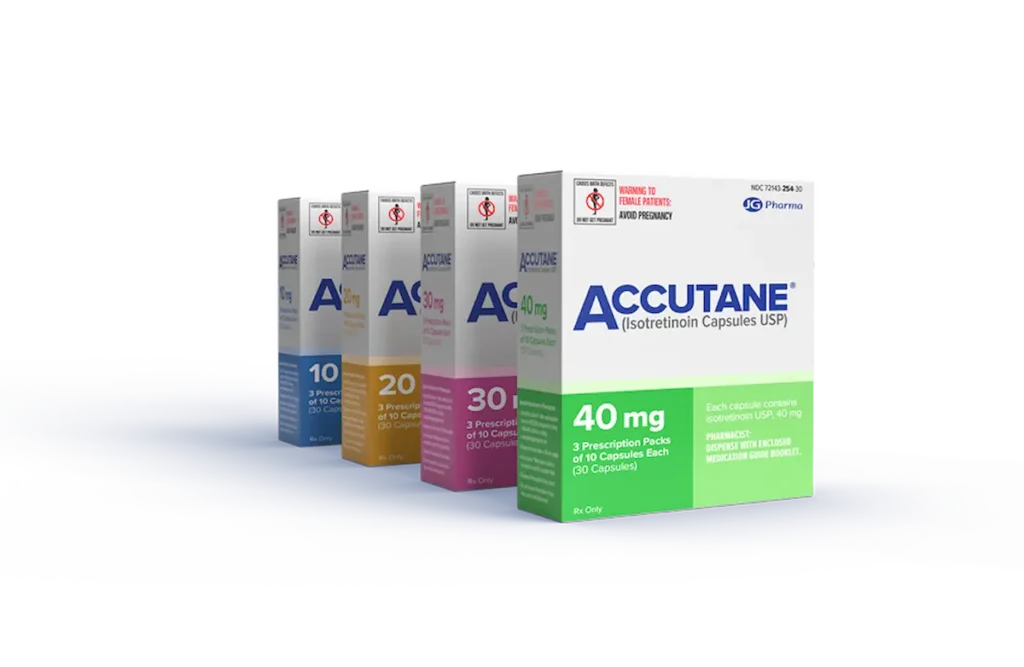
What’s the highest dose of Accutane? Learn how dosing is calculated by body weight, what counts as a high dose, and how treatments are adjusted
Accutane Brand Names and Generic Equivalents Explained
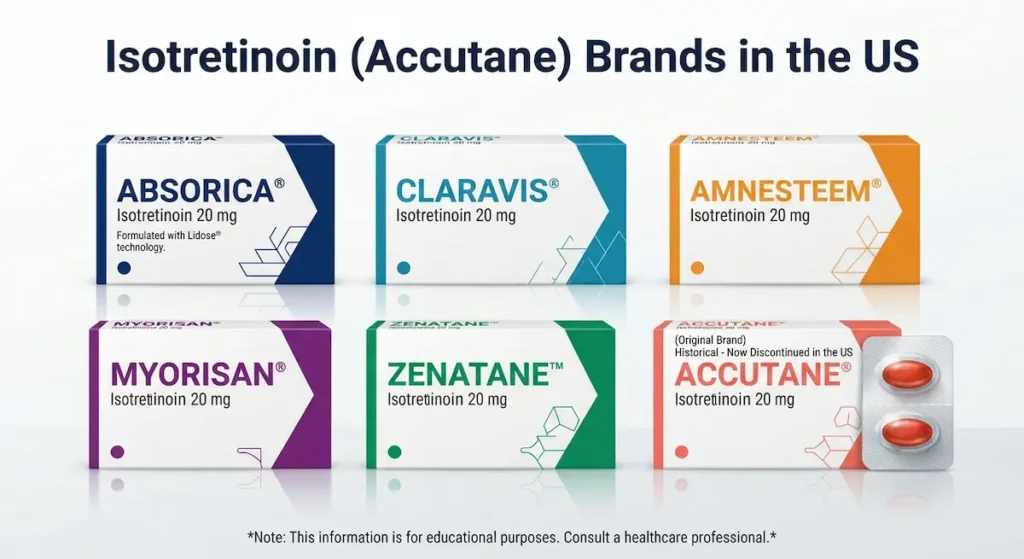
Accutane was the original brand name for isotretinoin, a prescription drug used for severe acne. It is no longer sold in the United States. Today, Accutane brand names refer to other approved versions of isotretinoin that use the same active ingredient. Examples include Absorica, Amnesteem, Claravis, Myorisan, Zenatane, and Sotret.
Accutane Constipation: Causes, Symptoms, and Relief
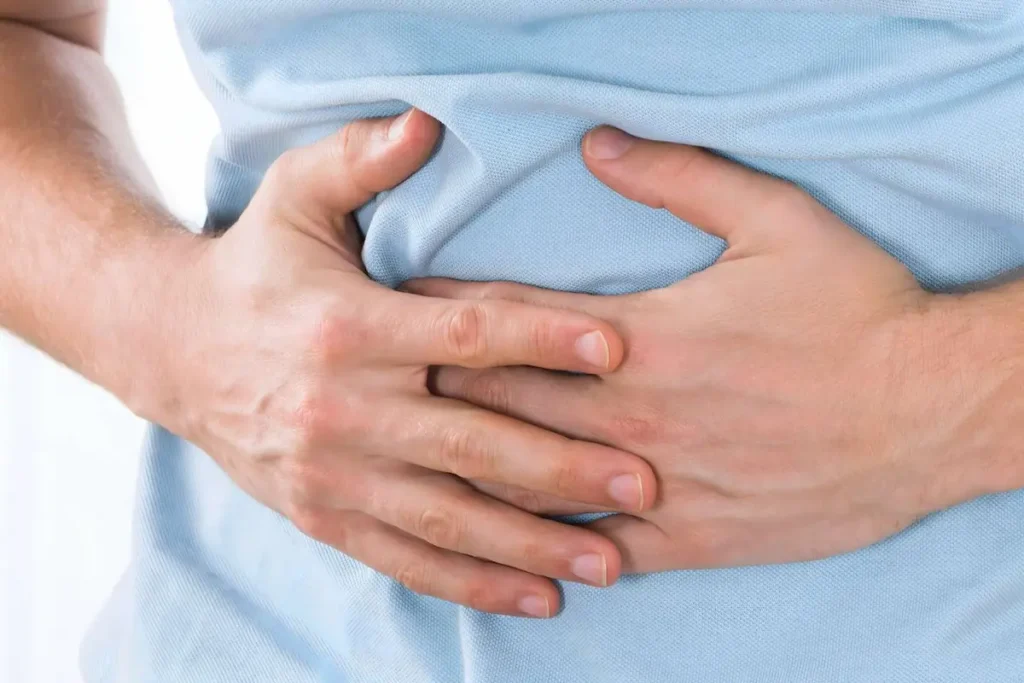
Accutane constipation can occur during treatment because isotretinoin may reduce moisture in mucosal tissues, including those of the digestive tract. This can slow stool movement, make bowel movements harder to pass, and lead to symptoms such as bloating, straining, or rectal irritation.
In a prospective study of 210 patients, 17.1% reported constipation, while smaller numbers reported anal bleeding or fissures, which shows that bowel changes are a recognized side effect in some patients.