
Managing Accutane and joint pain often involves simple adjustments such as reducing high-impact activity and staying hydrated. Some patients need dose changes or over-the-counter support under medical guidance.
Most cases improve after treatment ends, but persistent pain should be evaluated. Early monitoring helps rule out rare cases with more serious complications.
At DermOnDemand, this topic is explained to help patients clearly understand potential side effects. About 10%–20% of users report symptoms, often in the lower back during the first months, due to changes in inflammation and tissue repair.
Key Takeaways
- Accutane can cause joint or muscle pain in some patients, but symptoms are usually mild and depend on dose and activity level.
- Joint pain often starts early in treatment and improves after dose reduction or completion.
- Higher doses and intense activity increase the risk and severity of symptoms.
- Simple habits and supportive care can help reduce discomfort during treatment.
- Persistent or worsening pain requires medical attention to ensure safe use.
Does Accutane Make Your Joints Hurt?
Yes, joint or muscle pain is a known side effect of isotretinoin. Most patients experience mild discomfort, while others may not notice symptoms at all.
Why Does Accutane Cause Joint Pain?
Isotretinoin, Inflammation, And Joint Effects
The side effects, including joint discomfort, occur because isotretinoin affects inflammation, collagen turnover, and tissue lubrication, as detailed in its mechanism of action. It can reduce the production of natural oils that help keep joints and surrounding tissues flexible, while also increasing sensitivity in muscles and connective tissue. This can lead to stiffness or soreness, especially during movement or after physical activity.
Higher doses and high-dose regimens increase the likelihood of symptoms by intensifying their effects on tissue repair and recovery. The effects include joint or muscle pain, particularly in active individuals whose bodies are under more mechanical stress.
Isotretinoin can also affect collagen turnover and muscle recovery, potentially increasing joint sensitivity during movement.
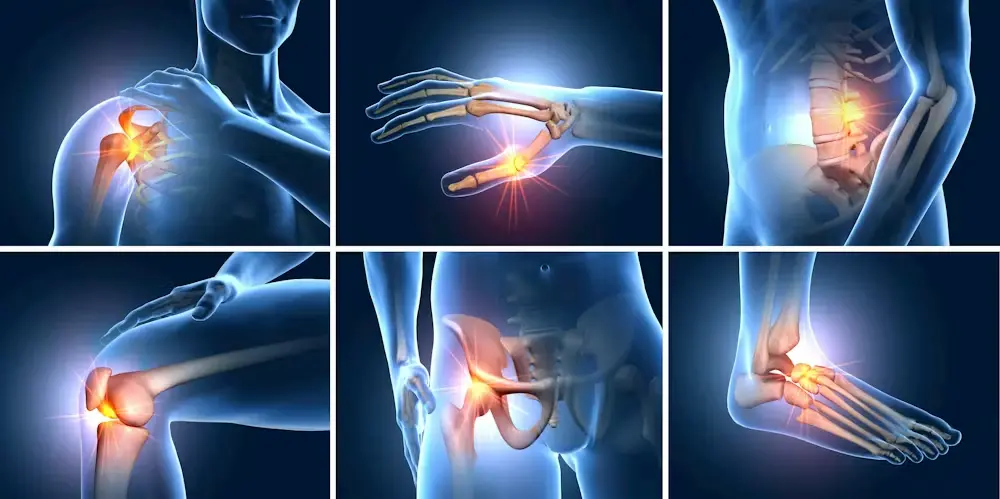
How Common Is Joint Discomfort With Accutane
Joint discomfort is considered a common side effect of isotretinoin, with reports suggesting it affects roughly 10% to 20% of patients during treatment. Most cases are mild and manageable, while a smaller group may experience more noticeable or persistent discomfort.
Risk increases with:
- Higher doses
- Intense physical activity
- Pre-existing sensitivity
When Aching Joints Start And How Long They Last
Does Joint Pain From Accutane Go Away?
Symptoms often begin within the first few weeks of treatment, usually during the first 1 to 2 months, especially with a high dose or increased physical activity. Some patients notice discomfort sooner if their body is more sensitive to the medication.
Most cases improve within a few weeks after the dose is reduced or once treatment ends. Recovery time varies, but long-term issues are uncommon. In rare cases, symptoms may persist and require follow-up.
Symptoms Of Joint Pain On Accutane
Joint Pain Vs Muscle Pain
Aching joints may present as stiffness, soreness, or a limited range of motion. Muscle discomfort often affects larger areas, such as the thighs or back, and can feel more diffuse.
Exercise-related soreness typically improves with rest, whereas medication-related pain may persist even at rest.
Mild Vs Severe Joint Discomfort
Mild symptoms include occasional discomfort during movement, which does not limit daily activity. Severe symptoms may involve persistent pain, swelling, or difficulty performing routine tasks. Persistent or worsening pain may require medical evaluation.
How To Relieve Pain in the Joints From Accutane
An Accutane joint pain remedy often starts with simple changes. Most patients improve without stopping treatment.
Daily Habits To Reduce Joint Pain
- Reduce high-impact exercise
- Stay hydrated
- Use gentle stretching
Daily care, such as applying petroleum jelly and managing dry skin, can help with comfort.
What Supplements Help With Joint Pain On Accutane
Some supplements may support joint comfort during treatment, though results vary between patients. Common options include omega-3 fatty acids, which may help reduce inflammation, and vitamin D if levels are low.
When Dose Changes Are Considered
If pain persists, a clinician may lower the dose, as explained in this guide on low-dose Accutane. This can reduce symptoms while allowing treatment to continue safely.
Should You Stop Accutane for Aching Joints?
Most patients do not need to stop treatment. Mild symptoms can often be managed with adjustments. Severe or worsening pain may require dose changes. Medical guidance is important before making any decision.

When To See A Doctor For Aching Joints
Medical attention is needed if pain becomes persistent, severe, or limits movement.
Watch for:
- Worsening pain
- Swelling or redness
- Reduced mobility
Monitoring also helps detect issues such as liver problems and other systemic effects.
Can Pain in the Joints Become Long-Term
Long-term joint discomfort is uncommon, though some patients may want to review the broader long-term effects of Accutane. Most patients recover after treatment ends. Rare cases may require follow-up, especially if symptoms were severe.
If joint pain or other side effects make treatment harder to manage, it helps to review your options with a medical professional. You can learn more about safe next steps and ongoing care through online dermatology treatment guidance.