
Dermatologist-Recommended Skin Care Routine for the 30s

Discover the benefits of a dermatologist-recommended skin care routine for the 30s to fight fine lines, dark spots, and sun exposure effectively.
Best Vitamin C Serum Recommended by Dermatologists

The best vitamin C serum recommended by dermatologists uses stable L-ascorbic acid at 10% to 20%, paired with vitamin E and ferulic acid, in dark or airtight packaging.
Different Kinds of Skin Cancer: Types and Treatment
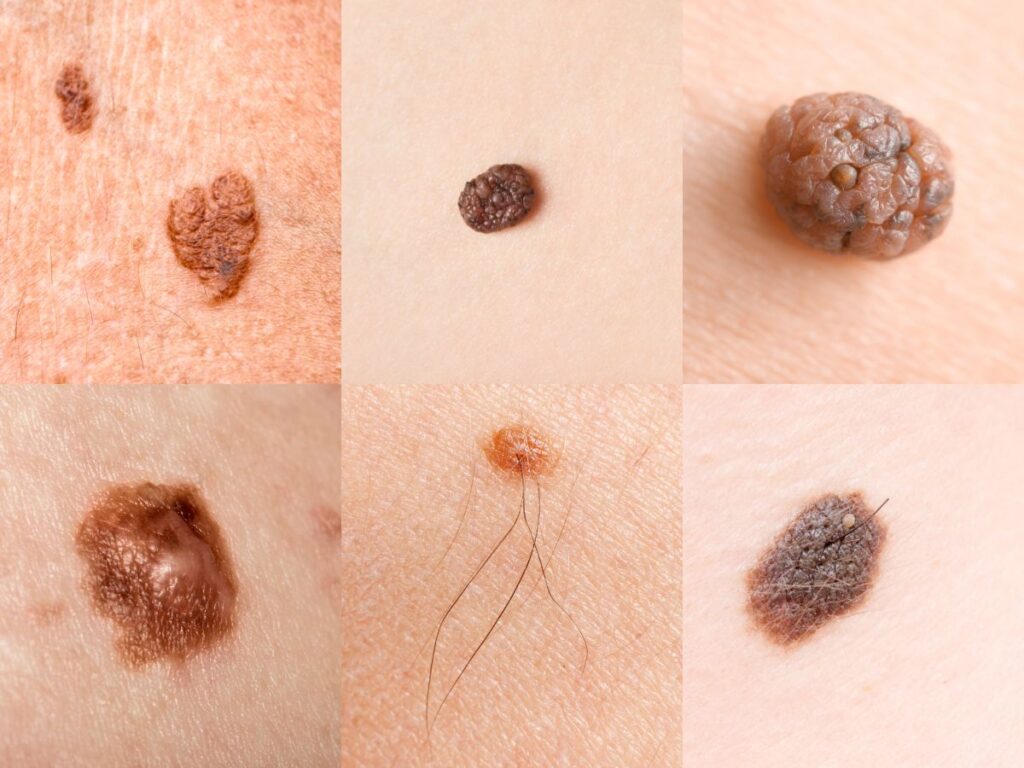
Skin cancer falls into two broad categories: non-melanoma and melanoma. Non-melanoma is the most common type and includes basal cell carcinoma and squamous cell carcinoma, both named after the skin cell type from which they arise. Melanoma is less common but more serious because it spreads faster and is harder to treat once it advances.
The different kinds of skin cancer vary in how they look, where they develop, and how aggressively they behave. Basal cell carcinoma makes up about 80% of all cases and rarely spreads. Squamous cell carcinoma accounts for nearly 20% and carries a small but real risk of spreading. Melanoma represents fewer than 3% of cases but causes the most deaths of any skin cancer type.
Calcium Deposits on Skin: Causes, Symptoms, and Treatment
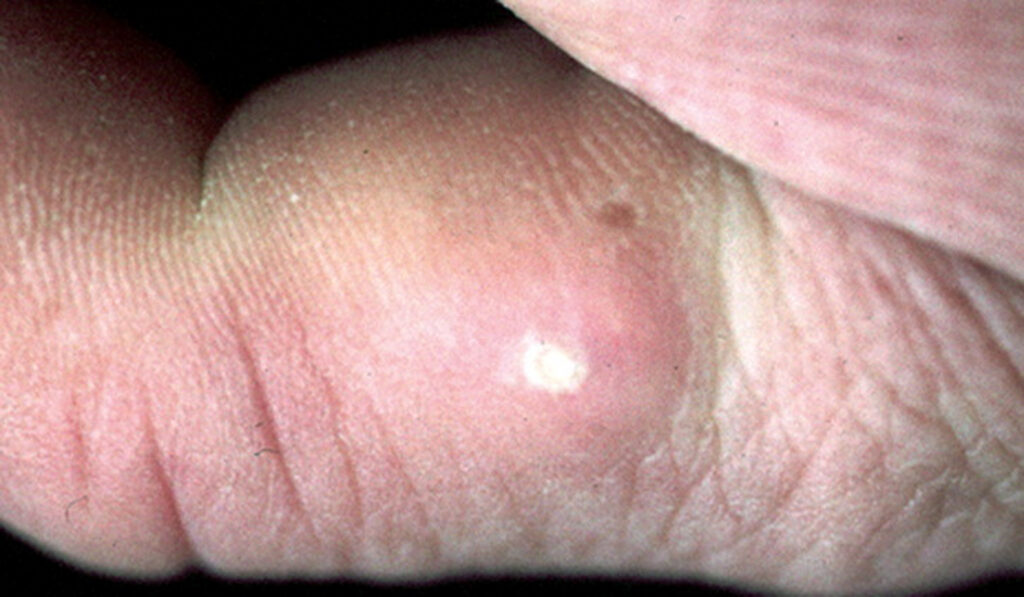
Calcium salts can build up in the skin and the tissue beneath it, forming hard, white, or yellow bumps that doctors call calcinosis cutis. The deposits can appear after tissue damage, alongside connective tissue diseases such as scleroderma and lupus, or with abnormal blood calcium or phosphate levels.
Symptoms of calcium deposits on skin range from painless bumps to tender, ulcerated lesions that leak a chalky white material. Treatment depends on the cause and may include medications, surgical removal, laser therapy, or care for the underlying condition.
Is 80 mg of Accutane a High Dose?

Patients often ask, “Is 80 mg of Accutane a high dose?” because isotretinoin dosing can be confusing. DermOnDemand presents this article as an educational explainer, with medical context informed by clinicians such as Dr. Ross Atkins, to help readers understand dose ranges, weight-based dosing, side effects, and safety monitoring. Key Takeaways 80 mg of Accutane […]
Accutane Nose Job: Does Accutane Make Your Nose Smaller?

Accutane may make the nose look smaller in some people, but it does not physically reshape the nose. The term “accutane nose job” refers to a subtle change in appearance that may happen when isotretinoin reduces oil production, shrinks sebaceous gland activity, and lowers acne-related swelling in the nasal skin. This can make the nose […]
How to Get Rid of Moles on Skin Safely and Effectively
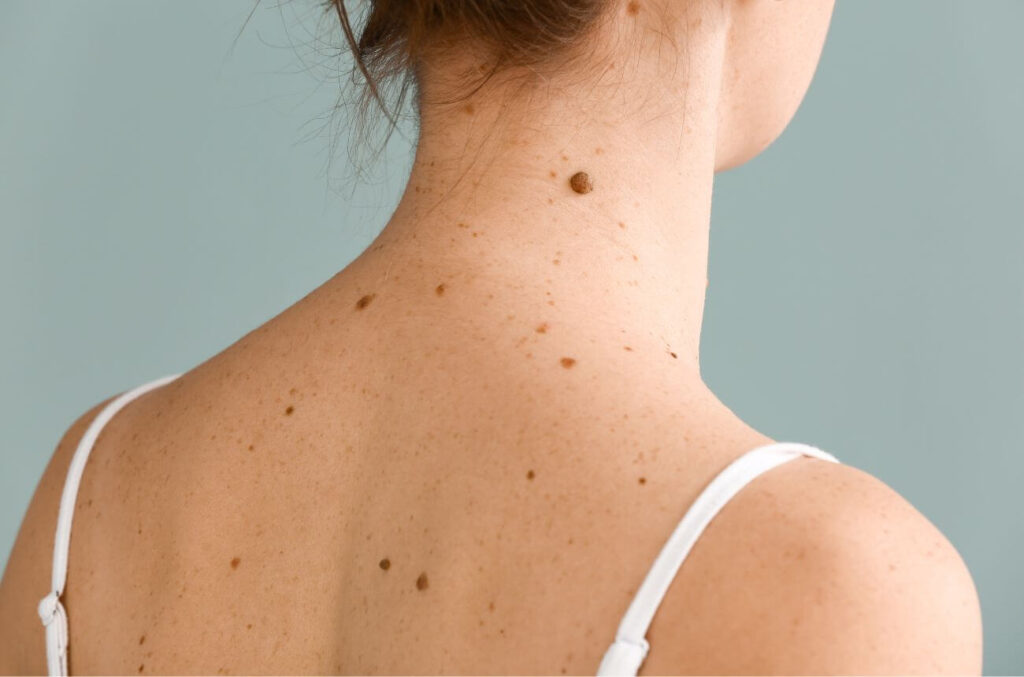
Getting rid of moles on the skin safely requires a clinical evaluation before any procedure is considered. A dermatologist can determine whether a mole is benign or suspicious, recommend the appropriate removal method, and reduce the risk of scarring, infection, or a missed diagnosis.
The main in-office options are surgical excision, shave removal, laser treatment, and cryotherapy with liquid nitrogen, each suited to different mole types and depths. No home remedy has been shown to work, and attempting removal without medical supervision carries real risks.
How to Get Rid of Dead Skin on Feet at Home
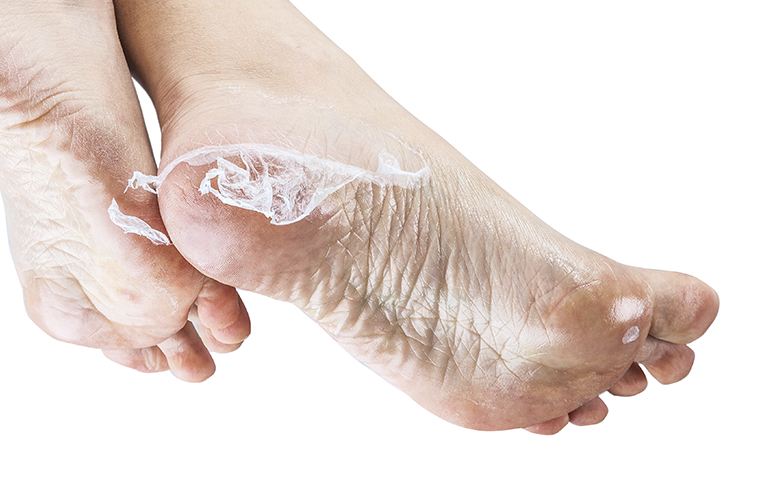
The most reliable way to get rid of dead skin on feet combines three steps: a warm water soak of 10 to 20 minutes to soften the outer layer, gentle exfoliation with a pumice stone or foot file using circular motions, and immediate application of a thick moisturizer containing urea or lactic acid to lock in hydration.
For faster results on cracked heels, apply petroleum jelly or a urea-based balm before bed, then cover with cotton socks and let it work overnight.
Accutane Timeline: What to Expect Month by Month

Accutane, also called isotretinoin, usually follows a 4- to 6-month treatment course, but the exact length depends on your weight, dose, acne severity, side effects, and skin response. A typical accutane timeline may include dryness and possible purging in the first month, early improvement around months 2 to 3, and clearer skin changes by months […]