
Key Takeaways
- Botox can often be performed while taking isotretinoin, as there is no direct drug interaction, but safety depends on how the skin is healing and responding during treatment.
- Accutane can make the skin more fragile, which may increase the risk of mild bruising, irritation, or slower healing after injections.
- Timing matters; some clinicians allow Botox during treatment if the skin is stable, while others recommend waiting until after completion, depending on individual response.
- Procedures that damage the skin surface, such as lasers and chemical peels, carry a higher risk and are generally avoided during Accutane use.
- A clinical evaluation is important because factors such as skin sensitivity, dryness, and personal healing history determine whether injections can be administered safely.
Is It Safe to Get Botox on Accutane
The question of Accutane and Botox does not have a single answer. Most experts agree that there is no known chemical interaction between isotretinoin and botulinum toxin. The main concern relates to how the skin heals during treatment. Botox injections involve a small needle that is inserted into the dermis. While this is minimal, Accutane can change how the skin repairs itself after even minor trauma. This is why safety depends more on skin condition than on the medication alone.Why Safety Concerns Exist
Accutane reduces oil production and alters the skin’s outermost layer. These changes can affect the dermal barrier and its ability to recover after procedures. Even small injections may trigger irritation in more sensitive skin.Healing Changes
The medication can slow epidermal regeneration. This means the dermis may take longer to recover from small injuries. Healing may still occur normally, but it can be less predictable.Irritation and Scarring Risk
Some patients experience increased redness or irritation after minor procedures. In rare cases, there may be a higher risk of visible marks. This risk is lower with Botox compared to resurfacing treatments.Botox Timing Before and After Accutane
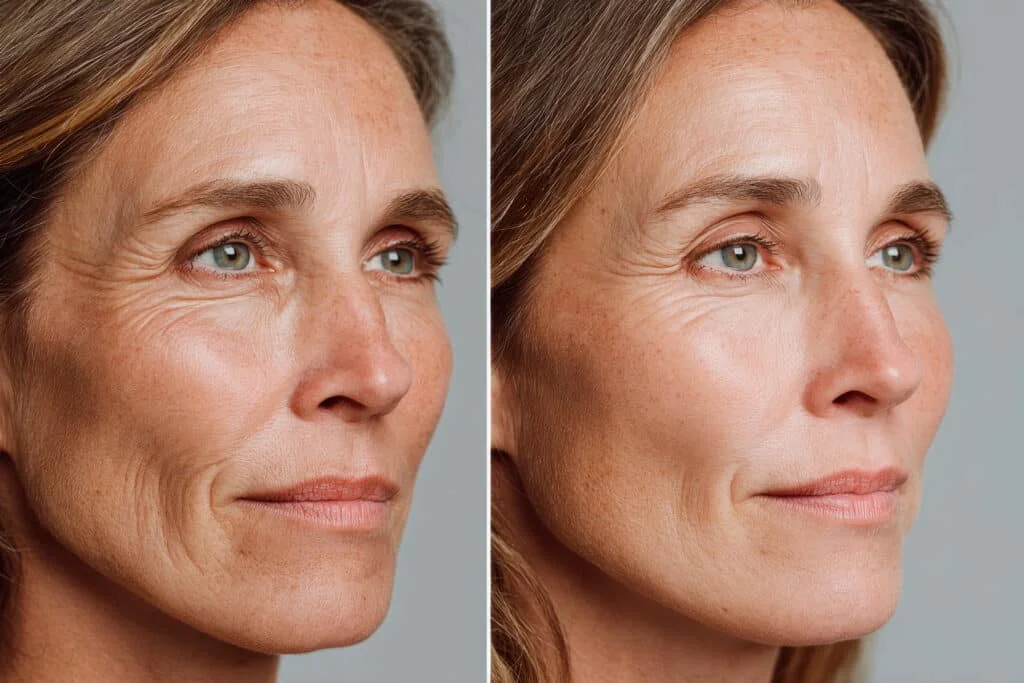 Timing plays a key role when considering cosmetic procedures. Decisions often depend on whether treatment has started or recently ended.
Can You Get Botox Before Starting Accutane
Botox can usually be performed before starting Accutane. The dermis has not yet undergone the changes caused by isotretinoin. Many clinicians recommend spacing treatments to allow the skin to stabilize before beginning medication.How Long After Accutane Can You Get Botox
After completing Accutane, some clinicians suggest waiting a few weeks. Others prefer a longer waiting period of several months. The variation reflects differences in skin recovery between individuals.Can You Get Filler on Accutane
Dermal fillers differ from Botox because they add volume under the dermis. They often involve deeper injections and can create more tissue disruption. For this reason, some clinicians are more cautious with fillers during Accutane treatment. The combination of Accutane and Botox is often considered lower risk than fillers. However, decisions still depend on an individual’s skin condition. A clinical assessment helps determine if the skin can tolerate injections safely.How Accutane Affects Skin Healing
Accutane affects several key functions of the skin, as explained in long-term Accutane effects on skin health. These changes explain why some procedures require caution.Reduced Oil Production
The medication decreases sebum production. This helps control acne but also leads to dryness. Dry dermis can become more fragile and prone to irritation.Slower Skin Regeneration
Cell turnover in the outer layer may slow during treatment. This can affect how quickly the dermis repairs itself. Minor injuries may take longer to resolve.Increased Sensitivity and Dryness
Patients often report tightness and sensitivity. The dermis may react more strongly to external factors such as injections or environmental stress. These effects are temporary but important to consider.How Dermatologists Evaluate Safety
 Dermatologists assess several factors before recommending any procedure. These factors help guide dermatologist-recommended decision-making for safer, more personalized care.