At DermOnDemand, this medical explainer helps readers understand why isotretinoin can trigger itching, flaking, and irritation, what symptoms are expected, and which remedies are considered safe.
With guidance consistent with the educational approach used by Dr. Alicia Atkins, it explains how this common side effect differs from dandruff, dermatitis, or product reactions.
Key Takeaways
- Accutane can cause an itchy scalp by reducing oil production, which weakens the scalp barrier and leads to dryness, flaking, and irritation.
- Fine, powdery flakes and tightness usually point to medication-related dry skin, while yellow or oily scale may suggest seborrheic dermatitis or another scalp condition.
- The most effective first steps include using a gentle shampoo every two to three days, washing with lukewarm water, and applying a light scalp moisturizer or oil to dry areas.
- Dry climate, indoor heating, hot water, overwashing, and fragranced hair products can all worsen scalp symptoms during isotretinoin treatment.
- Persistent burning, crusting, spreading redness, or noticeable hair shedding should be evaluated by a healthcare provider to rule out infection, dermatitis, or inflammation beyond simple dryness.
Does Accutane cause an itchy scalp?
Yes, Accutane can cause an itchy scalp, and this is a common side effect of isotretinoin treatment. The medication shrinks sebaceous glands and lowers oil production, which helps treat acne, but also reduces scalp moisture. As the scalp loses natural oils, the skin barrier becomes drier and more sensitive, which can lead to itching, tightness, and flaking.
This process is related to other familiar side effects, including dry lips, chapped lips, and dry skin on the face and body. The scalp responds in the same way as other oil-rich areas. In many patients, the itching begins within the first few weeks.
How Does Accutane Scalp Itching Happen
The scalp depends on sebum to stay flexible and protected. When isotretinoin sharply lowers oil levels, the outermost layer of skin loses water more easily and becomes irritated. This dry scalp response during Accutane treatment activates itch receptors, creating the urge to scratch.
A dry scalp can also become more reactive to normal hair products. Ingredients that were once well tolerated may suddenly sting or worsen irritation. This is why some people notice itching after shampooing, heat styling, or fragranced leave-in products.
Signs Accutane Is Working
Many patients notice scalp dryness at the same time their acne starts improving. This does not mean scalp symptoms are required, but it often reflects the same reduction in oil gland activity that helps acne treatments succeed. Less facial oil, fewer inflammatory breakouts, and fewer clogged pores are stronger signs that the medication is active.
The same reduction in sebum that helps acne treatments work is also what drives scalp dryness. As facial oil decreases and breakouts improve, the scalp may undergo a similar adjustment, as both areas depend on sebaceous gland activity.
When Scalp Itching Starts and How Long It Lasts
Scalp itching often begins within the first two to six weeks of isotretinoin treatment, which is when oil production starts to drop more noticeably. For many patients, symptoms appear alongside dry lips or tighter facial skin.
In most cases, mild itching lasts for several weeks and gradually improves as the scalp adjusts to lower oil levels and a gentler hair routine. For others, symptoms can persist throughout the full course of Accutane, which commonly lasts 4 to 6 months, and usually improve within a few weeks after treatment ends as oil production begins to recover.
Readers who continue to notice symptoms despite treatment may also want to understand the long-term effects of Accutane, which can influence how quickly oil production returns to baseline.
Symptoms and Other Causes of Scalp Itching
Scalp itching during isotretinoin treatment is often due to dryness, but not every itchy scalp is directly caused by the medication. It is important to separate expected dryness from other scalp conditions that may need different care.
Dryness, Flaking, and Burning
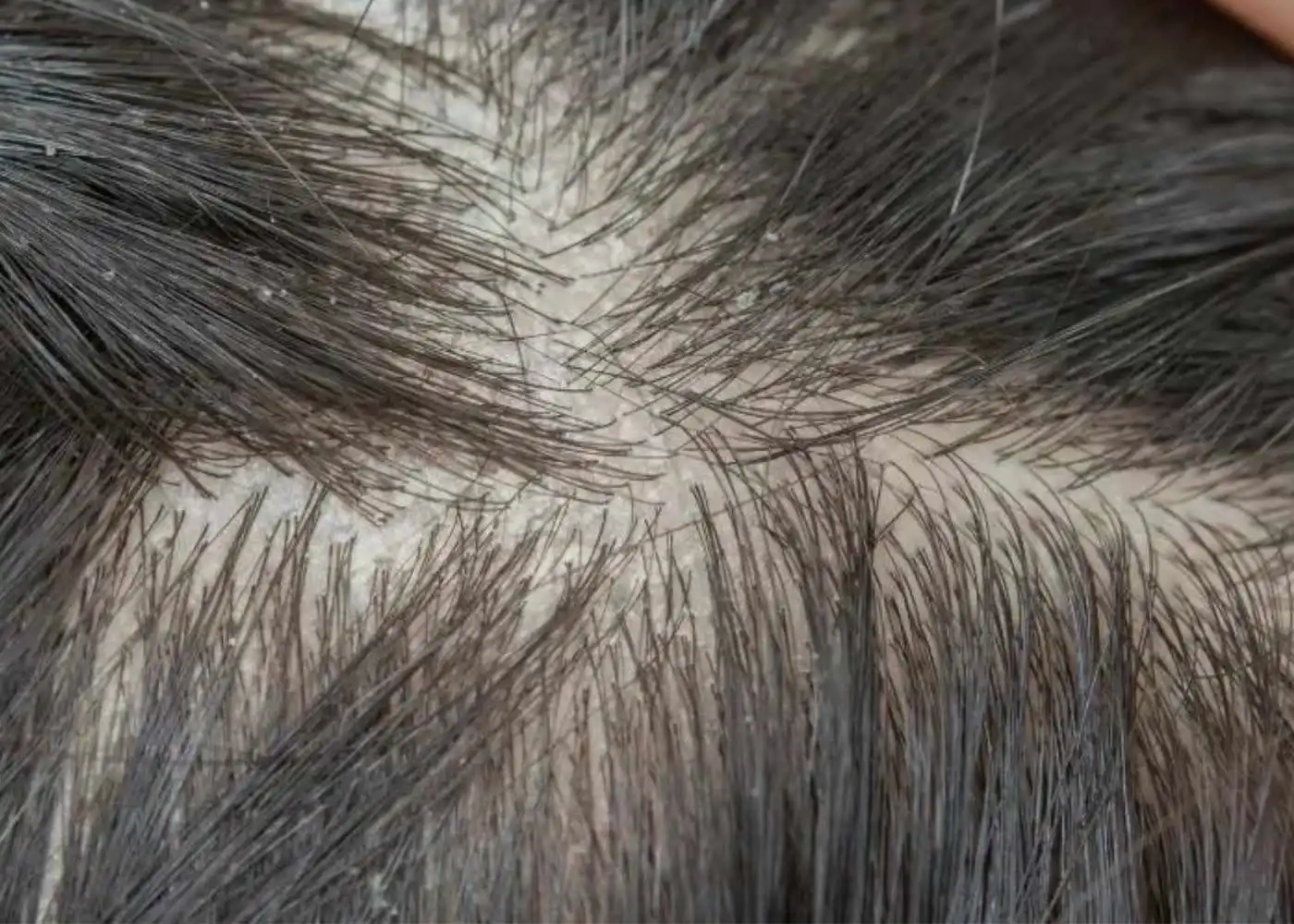
The most common symptoms include itching, fine white flakes, tightness, and mild burning after washing the hair. These changes occur because the scalp loses moisture faster than it can replace it. Some people also notice more sensitivity when brushing or touching the scalp.
Dryness flakes are usually small, light, and powdery, and they fall easily onto dark clothing. Dandruff associated with seborrheic dermatitis often appears larger, slightly yellow, or oilier. Tightness usually feels like the scalp is being pulled after washing.
Early vs Later Scalp Symptoms
Early symptoms often include mild tightness, light itching, and a scalp that feels drier after shampooing. As treatment continues, the skin barrier may weaken further, leading to more visible flakes, product sensitivity, and occasional burning.
This progression helps normalize how symptoms evolve during isotretinoin use. It also helps readers understand when dryness is still expected versus when it may need medical review.
Seborrheic Dermatitis
Some patients already have seborrheic dermatitis before starting Accutane. In those cases, scalp dryness may overlap with inflammation caused by yeast overgrowth and barrier irritation. This can create yellowish flakes, greasy patches, or persistent itching that feels different from simple dryness.
Unlike typical dryness, seborrheic dermatitis may persist even with moisturizing shampoos. It often needs medicated shampoos with ketoconazole or zinc pyrithione.
Hair Product Reactions
A scalp that becomes dry on Accutane is more likely to react to products that once felt normal. Fragrance, alcohol, sulfates, and styling sprays may suddenly cause stinging or itching.
If symptoms flare after a specific shampoo, serum, or spray, contact irritation becomes more likely. Removing the trigger often helps quickly.
Best Accutane and Itchy Scalp Remedy Options
Most cases improve with simple scalp-supportive care. The goal is to restore moisture, reduce irritation, and avoid unnecessary triggers while safely continuing acne therapy.
Gentle Hair Care Changes
Switching to a gentle, fragrance-free shampoo is often the first helpful step. Washing less often can also reduce water loss from the scalp. For many patients, every two to three days is enough.
Use lukewarm water instead of hot water, as hot water can strip the scalp of its natural oils. Pat the hair dry instead of rubbing with a towel.
Scalp Moisturizers and Oils
Light scalp moisturizers can help reduce tightness and itching between washes. Products with ceramides, glycerin, squalane, or light mineral oil work well because they support the skin barrier.
For very dry areas, a few drops of fragrance-free scalp oil can soften flakes before washing, especially in patients also noticing dry hair during Accutane treatment. The goal is hydration, not heavy buildup.
Hydration and Nutrition Support
Internal hydration also affects how the scalp feels during isotretinoin treatment. While drinking more water does not directly reverse medication dryness, dehydration can make tightness and irritation feel worse. Many readers notice this when they are also dealing with chapped lips and facial dry skin.
A balanced diet that supports skin barrier health may also help reduce irritation over time. Omega-3 fatty acids, zinc, and vitamins that support skin repair can complement topical scalp care.
A Simple Scalp Care Routine
A simple routine can reduce irritation without overloading the scalp with unnecessary products.
- Wash with a gentle shampoo every two to three days.
- Use lukewarm water.
- Pat the scalp dry gently.
- Apply a light moisturizer or scalp oil to dry areas.
- Avoid dry shampoo on non-wash days unless it is alcohol-free.
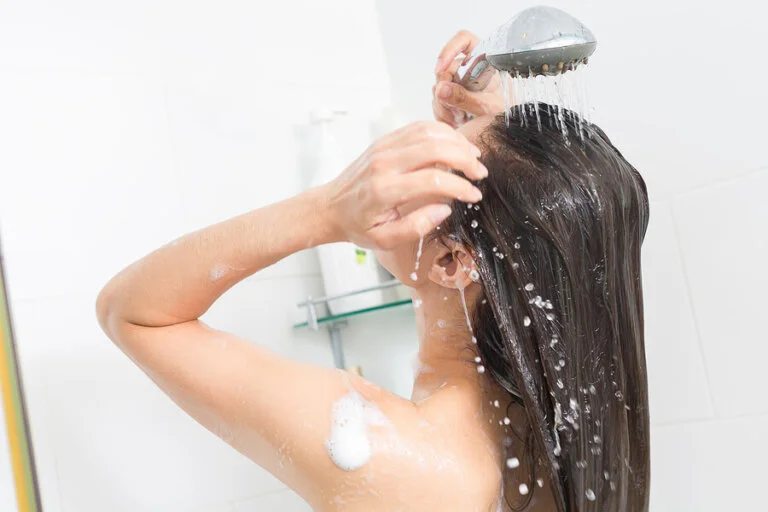
This sequence gives readers practical steps they can repeat easily while the medication continues to treat acne.
Medicated Shampoos and Topicals
If itching is linked to inflammation rather than dryness alone, medicated shampoos may help. Ketoconazole, selenium sulfide, or zinc pyrithione can reduce yeast-related irritation and flaking.
Short-term topical steroid solutions may also help in select cases of more intense inflammation. These should be used only briefly.
How to Prevent Scalp Dryness Early
Preventing scalp symptoms early is often easier than calming severe irritation later. Once oil production drops, the scalp becomes more vulnerable to water loss, product sensitivity, and friction.
Choose a mild shampoo before dryness starts, lower wash frequency, and avoid fragranced styling products from the beginning. These early habits help preserve the skin barrier while the medication continues to treat acne.
What to Avoid During Accutane Treatment
Avoiding triggers is just as important as choosing the right remedies.
Harsh Hair Products
Clarifying shampoos, heavy fragrances, sulfates, and exfoliating scalp scrubs often worsen dryness. These products remove surface oils too aggressively.
Overwashing and Hot Water
Frequent shampooing strips moisture from an already dry scalp. Hot water makes this worse by dissolving remaining surface lipids.
Dry Climate and Indoor Heat
Cold weather, indoor heating, and low-humidity spaces can increase water loss from the scalp and intensify itching. This is one reason symptoms often feel worse in winter.
A humidifier in the bedroom or workspace may help reduce overnight tightness and flakes.
Fragrance and Alcohol-Based Products
Hair sprays, dry shampoos, and leave-in treatments containing alcohol can sting or further dry the scalp. Fragrance is another common trigger during isotretinoin therapy.
When Self-Care Is Not Enough
Home care works well for mild dryness, but persistent symptoms need closer evaluation.
What Can Be Managed at Home
Mild itching, light flakes, and temporary tightness often improve with gentle shampoo changes and added moisture. Symptoms that stay stable or slowly improve usually fit this pattern.
Signs You Need a Dermatologist
A dermatologist should be consulted for symptoms that become painful, spread beyond the scalp, or interfere with sleep. According to Dr. Alicia Atkins’s clinical approach, persistent burning, thick scale, or visible inflammation may suggest a separate scalp disorder rather than dryness alone.
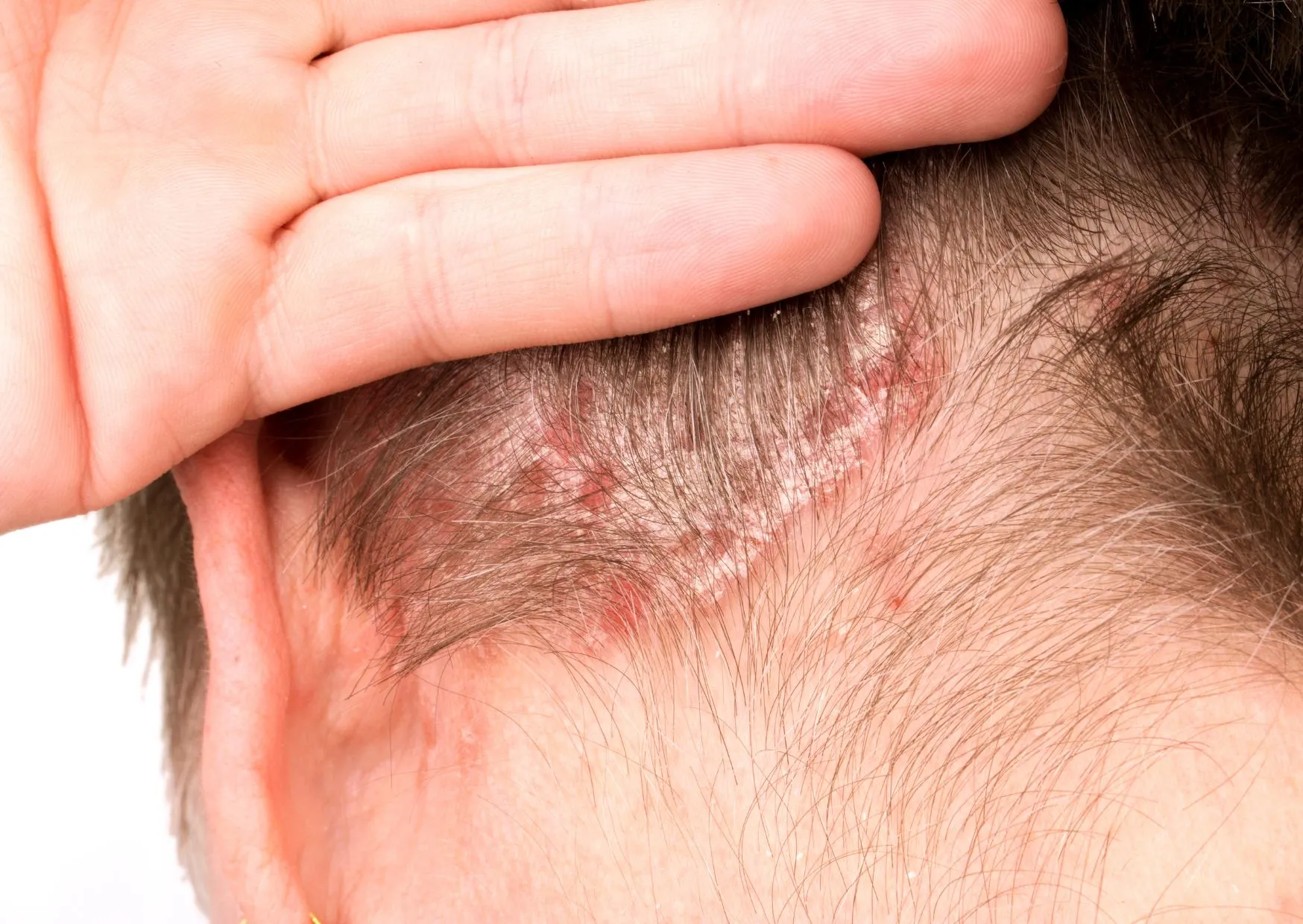
Rash, Infection, or Severe Inflammation
Scratching can break the skin and allow bacteria to enter. Signs of infection include tenderness, pus, crusting, and worsening redness.
Can an Itchy Scalp Cause Hair Shedding?
An itchy scalp does not automatically mean Accutane is causing hair loss. In many cases, scratching, dryness, and inflammation can increase temporary shedding because the scalp environment becomes more irritated.
How Dryness Affects Hair Texture and Shedding
Scalp dryness can also affect the hair shaft itself, not just the skin underneath. When the scalp barrier is disrupted, hair strands may lose flexibility and become more prone to breakage during brushing or washing.
This is different from telogen effluvium, where more follicles shift into the resting phase and release hair diffusely. Dryness-related breakage affects strand quality, while true shedding affects root-level hair release.
When Itchy Scalp Needs Medical Review
An itchy scalp should be medically reviewed when symptoms do not improve after two to three weeks of barrier-focused care. Persistent inflammation may indicate dermatitis, psoriasis, an infection, or a product reaction rather than simple dryness.
In DermOnDemand’s educational resources, this distinction is emphasized because accurate diagnosis changes the treatment path. Start treatment with DermOnDemand to review your symptoms, confirm the cause of your scalp irritation, and get dermatologist-directed care online.