
This effect often appears on the face, arms, and hands, where the skin is more exposed. In most cases, symptoms are manageable with gentle care, but they should be monitored for changes in severity, especially for those considering whether Accutane is worth it.
Itching is typically expected and improves with proper skin care, such as using fragrance-free moisturizers and avoiding hot water. However, a rash, swelling, or persistent discomfort may signal a more severe reaction that requires medical evaluation.
Resources like DermOnDemand provide guidance on recognizing these symptoms and understanding when further evaluation may be needed. As noted by dermatologist Dr. Alicia Atkins, understanding side effects early helps patients manage symptoms safely and recognize when care may be needed.
Key Takeaways
- Itchy skin is a common side effect of isotretinoin, usually due to reduced oil production and a weakened skin barrier.
- Most cases are mild and manageable with proper skin care, but symptoms should be monitored for changes in severity or pattern.
- A skin rash may differ from dryness by showing redness, inflammation, and spreading irritation, which may require medical evaluation.
- Simple adjustments, such as using gentle cleansers, applying regular moisturizers, and avoiding harsh products, can help reduce itching and discomfort.
- Severe symptoms such as intense itching, vision changes, or signs of systemic effects require prompt medical attention to ensure safe treatment.
Is Itchy Skin a Side Effect of Isotretinoin?
Itchy skin is a known side effect of isotretinoin treatment. The medication reduces oil production in the skin, which can lead to dryness, irritation, and sensitivity. These changes often appear within the first few weeks of treatment and may vary in intensity.
Many patients experience dryness as a common side effect. This can include dry lips, tight skin, and mild itching that becomes more noticeable after washing or exposure to cold air. While these symptoms can be uncomfortable, they are usually manageable with proper skin care.
In most cases, itching is mild and related to dryness rather than a dangerous reaction. However, symptoms should still be observed for any changes in intensity or pattern. Each patient may respond differently, so expectations should remain flexible.
Why Isotretinoin Causes Itchy Skin?
Reduced Oil Production
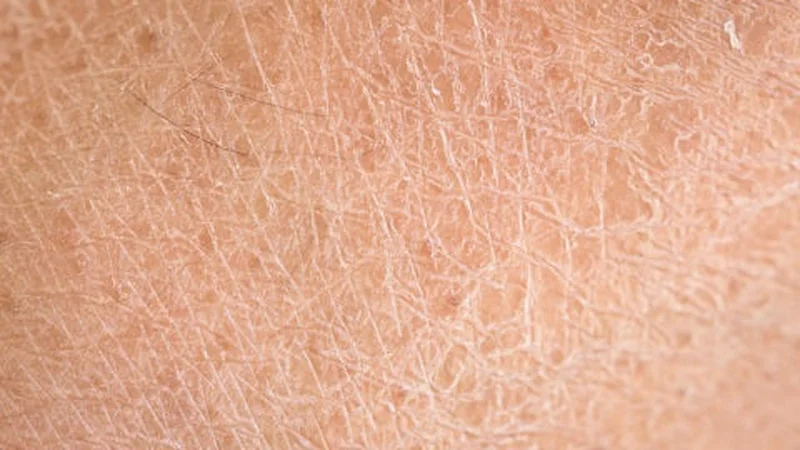
Isotretinoin works by shrinking the oil glands in the skin. This reduces sebum production, which helps treat acne but also removes the skin’s natural moisture barrier. Without enough oil, the skin becomes dry and more prone to irritation.
Weakened Skin Barrier
The skin barrier protects against environmental stress and water loss. Isotretinoin can weaken this barrier, making the skin more sensitive to soaps, weather changes, and friction. This leads to dryness and increases the likelihood of itching.
Why Skin Scratches Easily
Dry and sensitive skin reacts more strongly to minor contact. Light pressure, clothing, or temperature changes may trigger itching. Repeated scratching can worsen irritation and increase the risk of skin damage.
Accutane Skin Rash and Symptoms
What Accutane Rash Looks Like
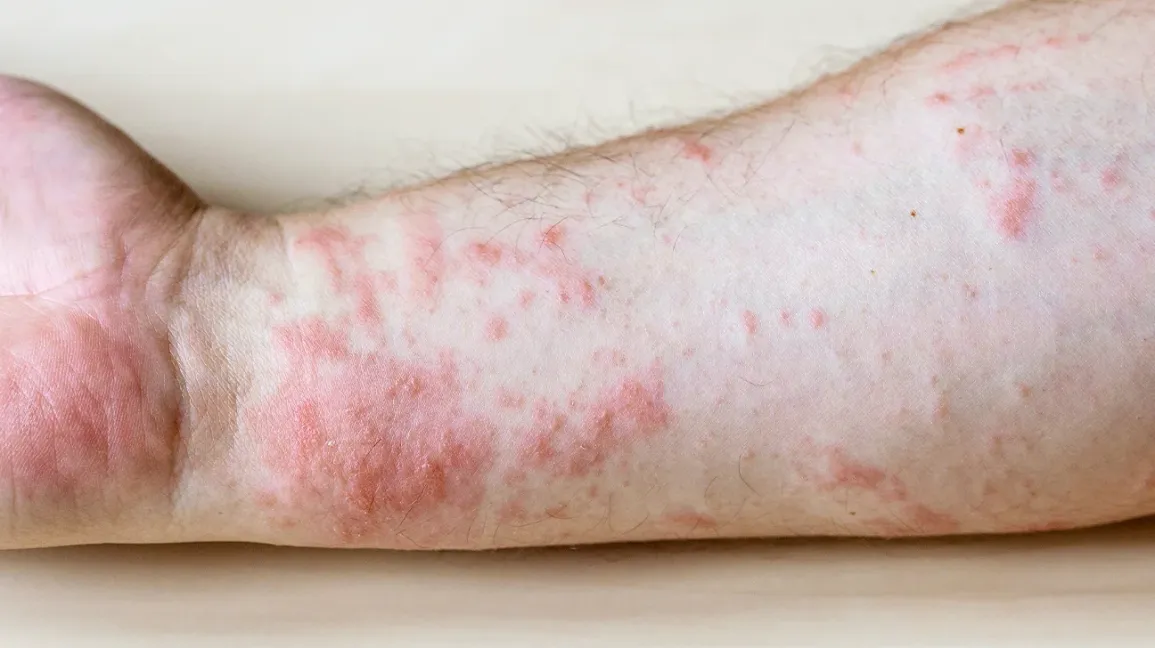
A skin rash during isotretinoin treatment may appear as red, inflamed patches. These areas can feel dry, rough, or slightly raised. Some rashes resemble eczema and may be more noticeable on exposed areas.
Rash vs Dry Skin Differences
Dry skin presents as flaking and tightness, while a rash often includes redness and visible irritation. Dryness tends to improve with moisturizers, while a rash may persist or worsen without proper care. Differentiating these helps guide treatment decisions.
How Common and How Long It Lasts
Is Itching Normal on Accutane?
Itching is a common experience and is considered one of the side effects, including dryness and irritation. Most patients notice it early in treatment, especially as the skin adjusts to lower oil levels.
How Long Symptoms May Last?
Itchy skin from isotretinoin usually lasts for the duration of treatment, which is often 4 to 6 months. Symptoms tend to start within the first few weeks, may peak early, and then remain stable or slightly improve with proper skin care.
After stopping the medication, itching and dryness typically improve within 2 to 4 weeks as the skin barrier recovers. In some cases, mild dryness may persist longer, but it gradually resolves. Duration and intensity vary with dose, skin type, and environment, and some patients may also want to consider the long-term effects of Accutane when evaluating treatment.
Worst Side Effects of Accutane
Expected vs Serious Reactions
Most reactions are mild and affect the skin. These are considered potential side effects and often improve with basic care without stopping treatment. However, some individuals may develop more serious issues that need closer evaluation.
Common mild reactions include:
- Dry lips
- Skin irritation
- Mild itching
More serious systemic symptoms may include:
- Blurred vision
- Changes in night vision
- Muscle pain
- Liver problems (see long-term liver effects of Accutane)
- Nausea vomiting
- Rectal bleeding
- Symptoms that may be considered life-threatening
Because of these risks, treatment is closely monitored. Women must use forms of birth control and complete pregnancy tests due to the risk of birth defects. Patients with inflammatory bowel disease should also discuss risks before starting treatment.
How to Relieve Itchy Skin on Accutane
Simple Skincare Changes
Use gentle cleansers and apply moisturizers regularly to reduce dryness. Avoid hot water, as it can strip the skin of its remaining oils. Wearing loose, protective clothing in harsh weather can help prevent irritation.
Helpful Ingredients to Use
Moisturizers containing ceramides, glycerin, or hyaluronic acid help retain hydration. Fragrance-free products reduce the risk of irritation. These options help maintain the skin barrier during treatment.
What to Avoid
Avoid harsh exfoliants and strong acne products. Limit sun exposure and use sunscreen regularly. Some patients may need to adjust habits, such as reducing makeup use or avoiding wearing contact lenses if irritation occurs.
When to Seek Medical Care
Mild itching is expected, but some symptoms require medical attention. Seek care if itching becomes severe, interferes with sleep, or leads to skin damage. Rapidly spreading rashes or swelling should also be evaluated.
Other warning signs include vision changes or symptoms linked to liver problems. Any unusual or worsening reaction should be discussed with a healthcare provider. Monitoring helps prevent complications and ensures safe treatment.
If symptoms become difficult to manage or you need guidance, you can start an evaluation through Start Treatment, where you can submit details about your skin and receive a professional review. This process allows a clinician to assess your symptoms and determine whether further care is needed, especially if you have concerns about Accutane’s long-term effects.