
According to current research, Accutane and weight gain are not strongly linked. Most studies indicate that isotretinoin does not directly cause weight gain, and patients typically maintain a stable body weight during treatment.
This article explains what scientific evidence reveals, why some individuals notice weight changes, and which lifestyle or health factors may contribute to these changes. At DermOnDemand, dermatologist Dr. Alicia Atkins often explains these concerns so patients understand acne treatments and their potential side effects more clearly.
Key Takeaways
- Research shows that weight gain is not a common side effect of isotretinoin, and most patients keep a stable body weight during treatment.
- Reports of weight gain on Accutane often relate to lifestyle changes, stress, or normal weight shifts that happen during several months of therapy.
- Isotretinoin reduces oil gland activity and improves skin cell turnover, thereby treating severe acne, but it does not directly affect metabolism.
- Taking Accutane with meals that contain dietary fat helps the body absorb the medication and maintain steady treatment levels.
- If body weight changes during treatment, doctors usually review diet, activity level, and other health factors before linking the change to the medication.
Does Accutane Cause Weight Gain?
Accutane is the brand name for isotretinoin, a medicine used to treat severe acne. The drug alters the function of oil glands and the growth of skin cells. As a result, patients often inquire whether the medication also affects body weight.
Medical guidelines from the Food and Drug Administration (FDA) do not list weight gain as a common side effect of isotretinoin. FDA prescribing information instead highlights reactions such as dry skin, chapped lips, and changes in blood lipid levels. Doctors instead focus on these other potential side effects.
These reactions happen because the medication reduces oil production in the body. As a result, dermatologists typically do not consider body weight changes to be a direct effect of the drug.
Studies that follow patients during treatment usually show stable body weight. Doctors sometimes track overall health markers such as body mass index BMI during therapy. In some cases, clinicians may also monitor blood sugar and other health indicators to assess overall metabolic health. In most cases, BMI remains stable among Accutane users.
Research on Accutane and Weight Gain
Most studies of isotretinoin measure acne improvement and blood test results. Researchers often monitor cholesterol and liver enzymes rather than body weight. As a result, weight is rarely the primary focus in clinical trials.
Current scientific evidence suggests that weight gain is uncommon during Accutane treatment. Clinical studies that monitored patients during isotretinoin therapy found no consistent increase in body weight or body mass index BMI. When weight changes appear during treatment, they often fall within the normal range of daily variation.
Most dermatology research focuses on acne improvement, lipid levels, and safety monitoring rather than weight outcomes, which explains why strong clinical evidence linking isotretinoin to weight gain remains limited.
Why Some Patients Notice Weight Gain on Accutane?
Even though research does not show a strong connection between isotretinoin and weight gain, some patients report gaining weight during therapy. This can make it seem like the drug caused the change. In many situations, other lifestyle or health factors provide a clearer explanation.
Acne treatment often occurs during stressful periods of life. Patients may change eating habits, activity levels, or daily routines during treatment. Over time, these adjustments may lead to gaining weight even when the medication itself does not directly cause it.
Patient perception also plays a role. When people monitor their health closely during treatment, small changes may become more noticeable. For some Accutane users, these normal fluctuations may appear related to the medication.
Accutane and Weight Gain Side Effect
Doctors often explain the difference between correlation and causation when discussing Accutane and weight gain side effects. Two events occurring simultaneously do not always mean that one caused the other. Many medical and lifestyle factors can affect body weight.
Isotretinoin primarily targets the sebaceous glands in the skin. Known reactions include dry lips, dry skin, chapped lips, and changes in lipid levels. Some patients may also report joint pain during treatment. These symptoms are recognized as potential side effects, whereas weight gain is not considered a common one.
Appetite and Lifestyle Changes
Some patients notice changes in appetite or eating habits during acne treatment. Stress, schedule changes, or social factors may influence eating patterns. Over several months, these habits may affect body weight.
Daily routines also matter. Lower physical activity or changes in diet can alter calorie balance. These lifestyle shifts sometimes lead to weight changes during treatment.
In many cases, these habits explain why some people believe the medication may lead to weight gain. However, lifestyle factors often provide a more accurate explanation.
How Accutane Works in the Body
Isotretinoin is a medication related to vitamin A and has a long medical background, as explained in this overview of the history of Accutane. Doctors prescribe it to treat severe acne when other treatments have not worked.
The drug works by shrinking oil glands and reducing oil production in the skin, which helps treat oily skin and related conditions, as discussed in the context of Accutane and oily skin.
When oil production drops, pores are less likely to clog. This reduces inflammation and helps prevent the formation of new acne lesions. Over time, these changes help the skin heal.
Treatment usually lasts four to six months. In some cases, the benefits can continue long-term after the medication course ends, which is why some patients also research the long-term effects of Accutane. Doctors closely monitor patients during therapy to detect any changes in their health.
Typical stages of treatment may include:
- First month – oil production decreases, and dryness may appear
- Months two to three – acne inflammation improves
- Months four to six – treatment reaches the planned cumulative dose
These stages help explain when many potential side effects appear.
Common Side Effects of Accutane
Isotretinoin is a strong medication, so doctors review potential side effects before treatment begins. These effects occur because the drug changes oil production in the skin and mucous membranes.
Dry lips and dry skin are the most common symptoms. Doctors often recommend moisturizers and lip care during treatment. Blood tests also help track cholesterol, liver function, and sometimes blood sugar levels during therapy.
When doctors explain the medication, they review several potential side effects. These include skin dryness, joint pain, and other physical changes, such as weight fluctuations, that patients sometimes worry about.
These discussions help patients understand potential side effects, including weight concerns, although most are unrelated to the medication itself.
Physical Side Effects
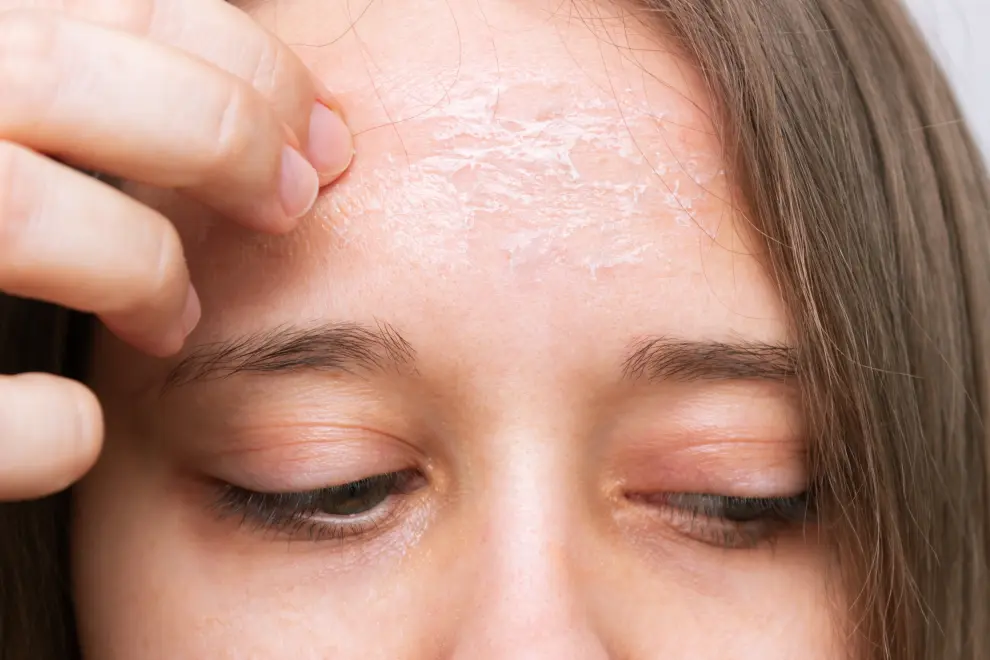
Physical side effects mainly involve dryness or irritation. These reactions occur because oil production throughout the body decreases.
Common physical side effects include:
- Dry lips or chapped skin
- Dry eyes or irritation
- Nose dryness or nosebleeds
- Joint pain in some patients
These symptoms usually improve with hydration and gentle skin care.

Mental Health Effects
Some discussions about isotretinoin also involve mental health concerns, including ongoing research into topics such as Accutane and suicide. Researchers have studied whether acne treatment may affect mood or emotional well-being. The evidence is mixed, and doctors continue to closely monitor this area.
Severe acne itself can affect mental health by lowering self-esteem and increasing stress. As the skin improves, many patients report an increase in confidence and emotional well-being. Dermatologists therefore monitor both physical symptoms and mental health during treatment.
Diet and Accutane Treatment
Diet can affect how well the body absorbs isotretinoin. The medication dissolves in fat, which means it works best when taken with meals that contain dietary fat. Doctors often advise patients to take each dose with food.
If isotretinoin is taken without enough fat, the body may absorb less of the medication. Reduced absorption may lower treatment effectiveness. Balanced meals help maintain steady medication levels.
Foods that may support absorption include:
- Avocado
- Nuts
- Olive oil
- Fatty fish
These foods help the digestive system absorb isotretinoin more effectively.
Other Causes of Weight Changes
Body weight can change for many reasons unrelated to medication. Diet, activity level, stress, sleep patterns, and underlying health conditions all affect body weight. These factors often account for the weight changes that occur during acne treatment.
Several everyday habits may influence weight during therapy:
- Changes in calorie intake or meal timing
- Reduced or increased physical activity
- Stress during treatment
- Changes in sleep schedule
Because isotretinoin therapy lasts several months, these lifestyle shifts may happen during the same period.
When Weight Changes Should Be Evaluated
Most weight changes during isotretinoin therapy are mild. However, sudden or unusual weight shifts may need medical evaluation. Tracking weight patterns over time can help identify the cause.
Patients should consult a healthcare provider if weight changes occur in conjunction with other symptoms. These may include fatigue, swelling, or rapid weight changes. Doctors carefully evaluate these symptoms to rule out other potential health conditions.
Monitoring Accutane Treatment
Isotretinoin treatment requires regular medical monitoring. Doctors schedule follow-up visits and blood tests during the course of therapy. These visits help ensure the medication remains safe and effective.
Patients should report any new symptoms that arise during treatment. Questions about side effects, diet, or gaining weight are common during appointments. At DermOnDemand, patient education helps Accutane users understand how the treatment works and what changes to expect.
If you notice unexpected weight changes while taking Accutane, consulting a healthcare professional can help identify potential causes and determine the appropriate course of care. DermOnDemand offers educational information to help patients better understand isotretinoin and its possible effects.