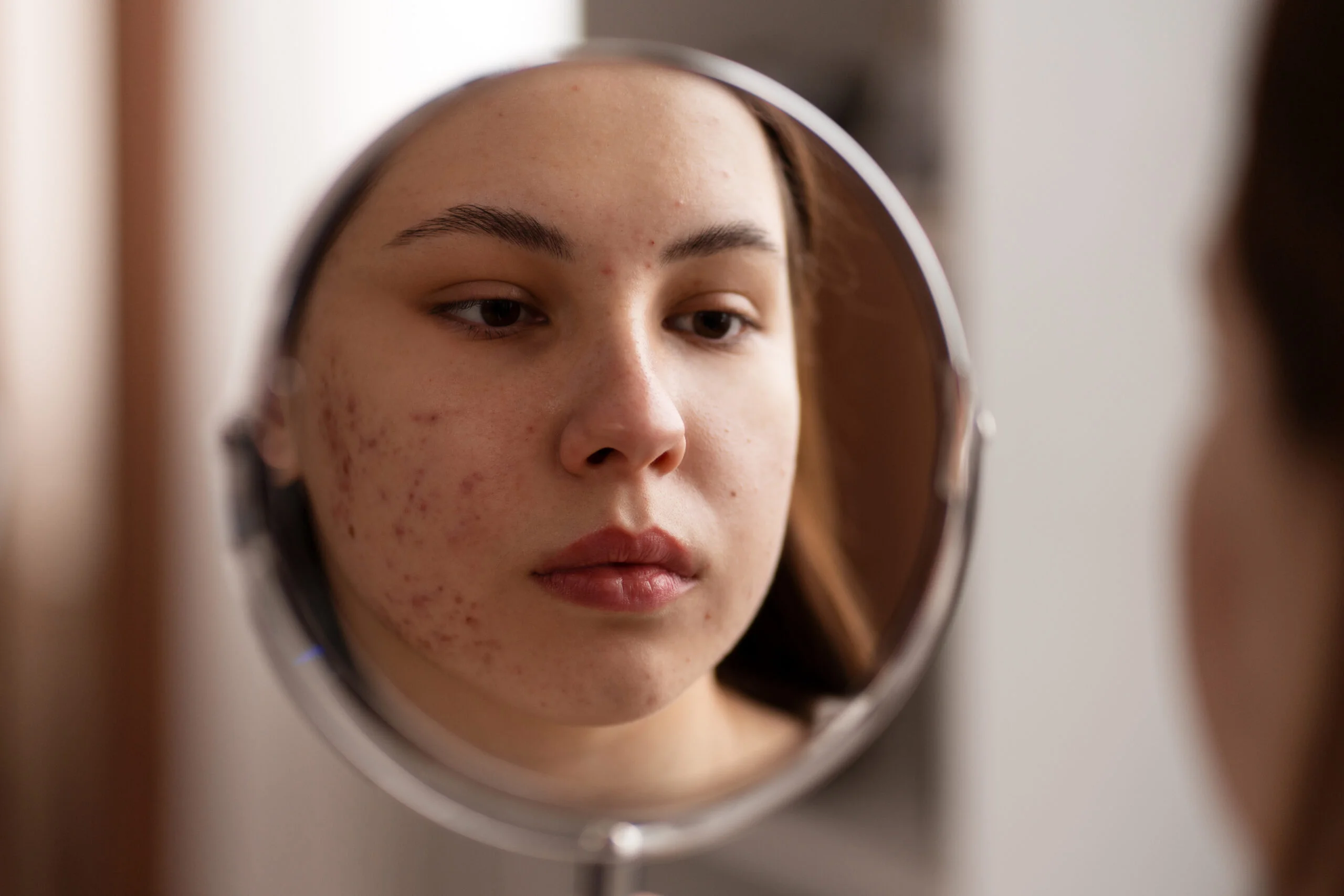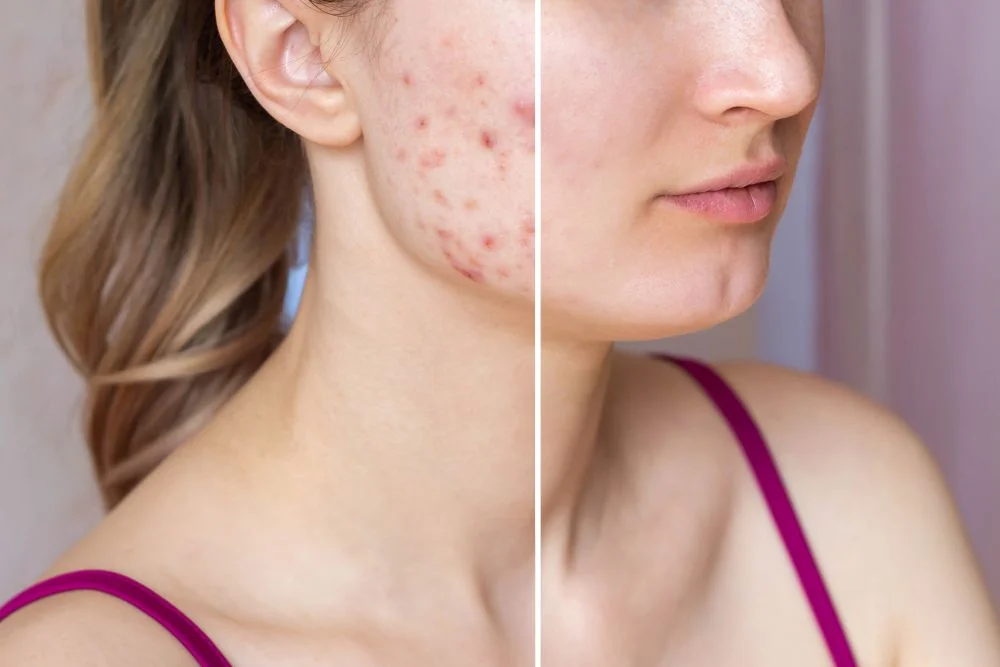
Accutane does not remove established acne scars, but it can change how the skin looks by clearing active breakouts and reducing inflammation.
The most noticeable difference in Accutane before-and-after scar comparisons is fewer new lesions and less redness, which can make scars appear less prominent. Isotretinoin works by shrinking sebaceous glands and reducing oil production, helping prevent additional scarring.
However, deep structural scars caused by collagen damage usually remain and often require separate treatments for visible improvement.
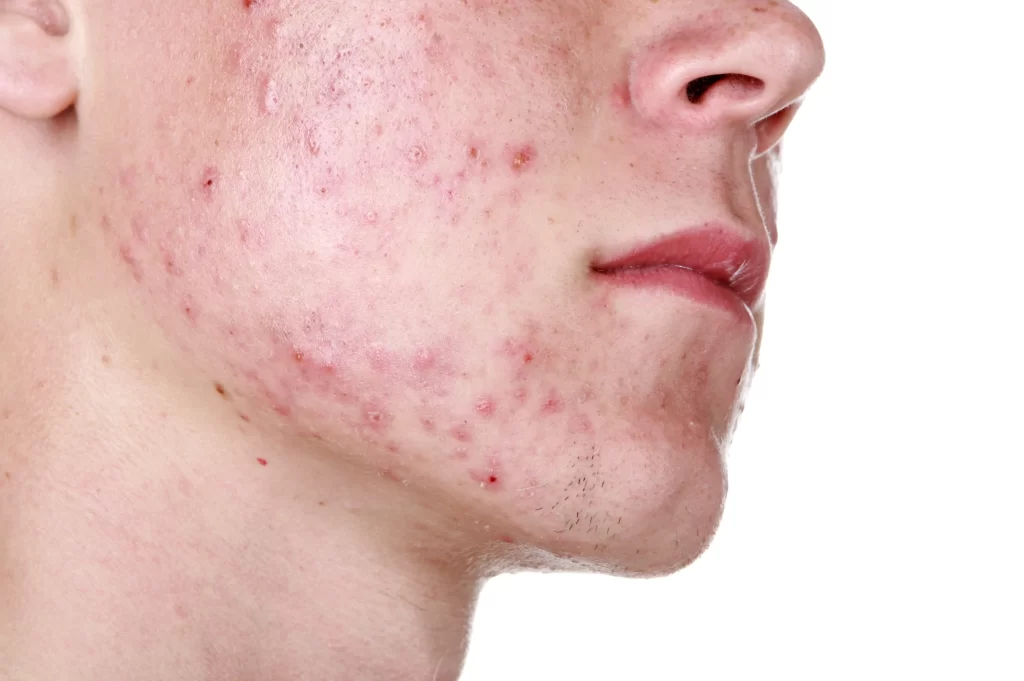
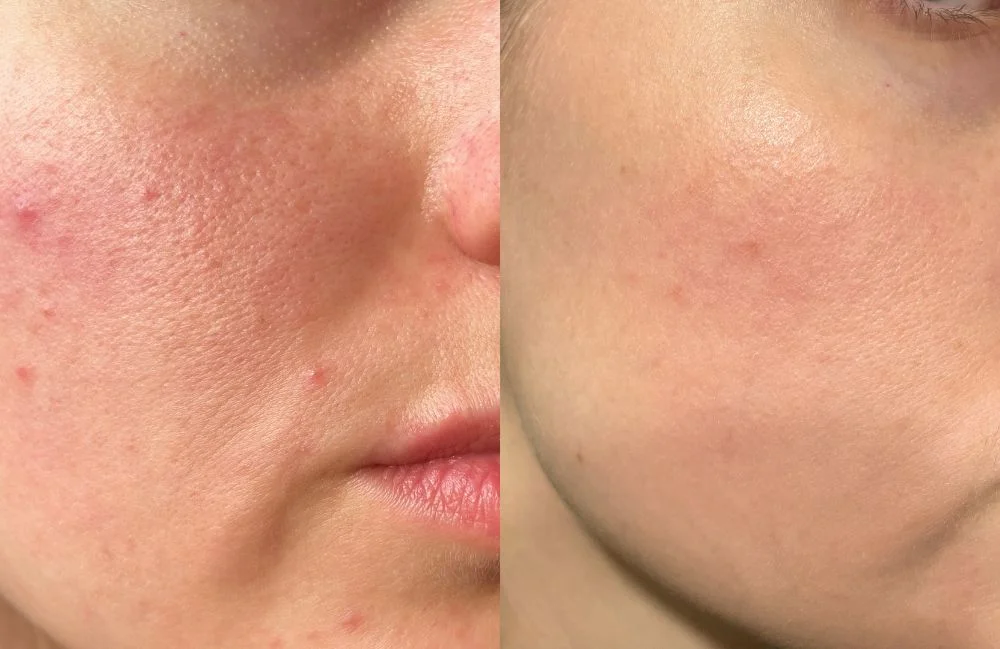 Online searches for Accutane before-and-after scars photos or pictures often show dramatic improvements. These images usually highlight reduced redness and fewer active cysts.
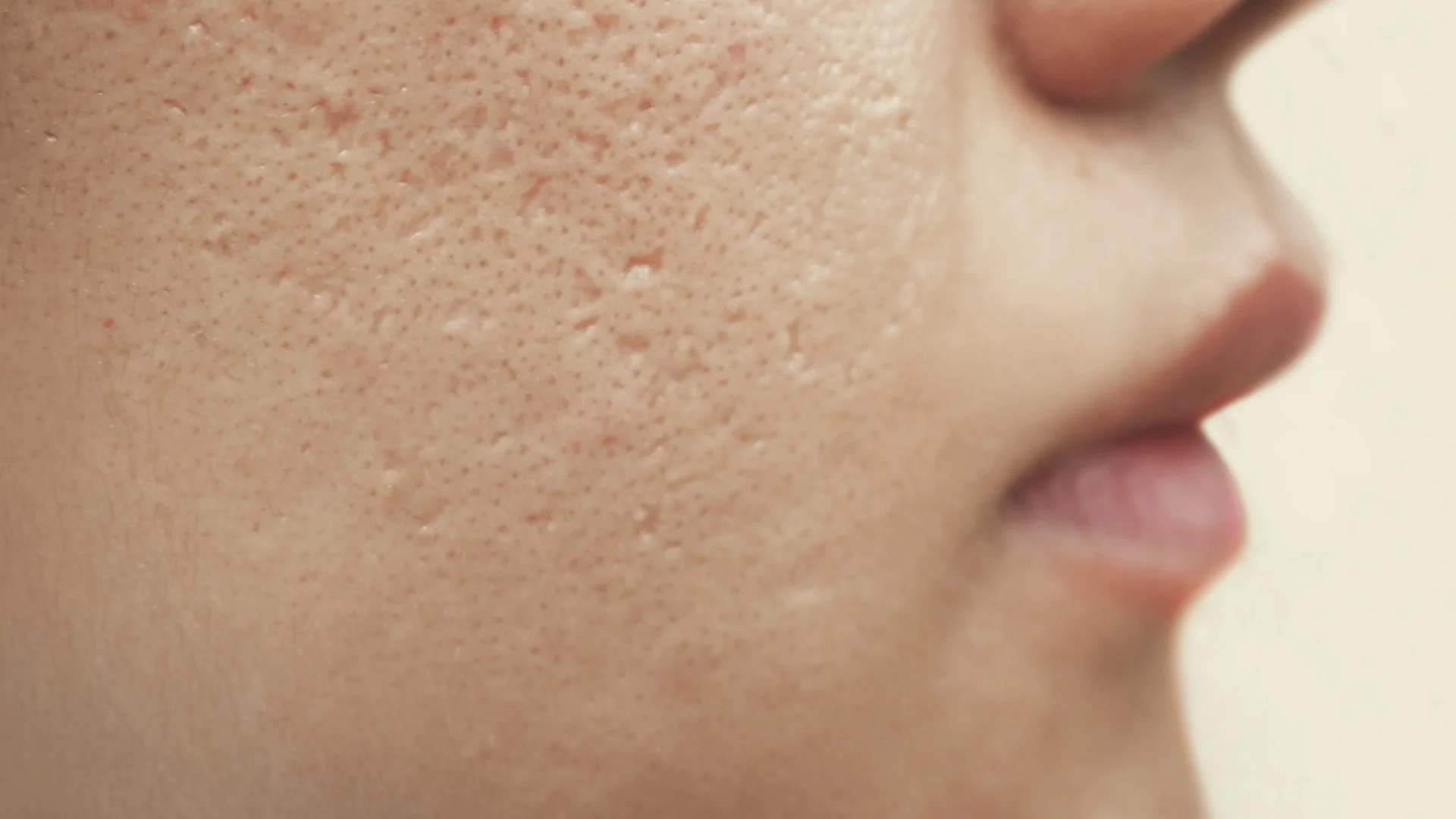 Once acne is stable, scar-specific procedures can be considered.
Key Takeaways
- Accutane treats severe acne by shrinking the sebaceous glands and reducing oil production, but it does not remove established acne scars caused by collagen damage.
- Early changes during treatment include dryness and possible purging, while true scar texture usually does not improve within the first month.
- Before-and-after photos often show reduced redness and fewer breakouts, making scars appear less noticeable without requiring major structural changes.
- Atrophic and hypertrophic scars require separate procedures such as laser resurfacing, microneedling, subcision, or chemical peels after acne is controlled.
- Isotretinoin treatment carries important safety considerations, including an increased risk of birth defects, lab monitoring, and potential side effects such as dry eyes, joint pain, and mood changes.
Does Accutane Get Rid of Scars?
Many patients ask, “Does Accutane get rid of scars?” especially when reviewing Accutane scars before-and-after photos online. The direct answer is that isotretinoin does not remove established structural scars. It is an effective treatment for active acne, but it does not reverse collagen damage that has already occurred.What Accutane Actually Treats
Accutane for scarring acne works by targeting the causes of severe breakouts. Isotretinoin shrinks the sebaceous glands and reduces oil production in the skin. Less oil leads to fewer clogged pores and less inflammation. When inflammation decreases, new scars are less likely to form. This mechanism explains why Accutane is effective in treating severe acne that has not improved with topical or oral medications, such as antibiotics, and clinical data on the Accutane success rate support its role as an effective treatment.Why Established Acne Scars Remain
Acne scars form when inflammation damages collagen in the deeper layers of skin. Once collagen fibers break down or heal unevenly, the surface becomes depressed or raised. Accutane does not directly stimulate new collagen in a way that corrects these changes. Some patients notice that scars look less red after inflammation improves. However, changes in texture, such as deep pits or thick raised scars, usually remain. This distinction is central to understanding Accutane’s effect on scarring.Does Accutane Improve the Appearance of Scars at All?
In some cases, scars appear smoother once swelling and active acne resolve. Red or dark marks may fade as inflammation decreases. These changes can create the impression of improvement in Accutane before-and-after scar comparisons. However, true atrophic or hypertrophic scars generally require separate treatment. Isotretinoin treatment reduces new damage, but it does not rebuild lost collagen on its own.How Accutane Works
Isotretinoin treatment reduces oil production by shrinking the sebaceous glands. When oil levels decrease, pores clog less often, and inflammation becomes less severe. This process helps treat severe acne and lowers the risk of forming new scars. As oil production decreases, pores may appear smaller. Redness and post-inflammatory marks often fade once active breakouts resolve. These improvements explain why Accutane before-and-after scar comparisons may show smoother skin, even though deep structural scars remain unchanged.Accutane Before and After 1 Month
Patients often search for Accutane before and after 1 month to set expectations. During the first month, the most visible change is often dryness rather than scar improvement. Active acne may not clear immediately.What an Accutane Purge Looks Like
Some individuals experience a temporary flare known as a purge. This occurs as clogged pores surface and inflammation increases briefly. Breakouts may look worse before they improve. A purge can be frustrating, but it does not indicate treatment failure. It reflects how isotretinoin accelerates the turnover of clogged follicles.Early Acne Changes vs. Scar Changes
Within the first month, oil production begins to decrease. Skin may feel tight, dry, or flaky. Scars do not change significantly during this stage because collagen remodeling takes longer. Understanding this timeline prevents unrealistic expectations. Accutane for scarring acne focuses first on stopping new lesions.Accutane Before and After Scars Photos
Online searches for Accutane before-and-after scars photos or pictures often show dramatic improvements. These images usually highlight reduced redness and fewer active cysts.
What Before and After Pictures Show
Most before-and-after comparisons demonstrate improvement in inflammatory acne. When swelling resolves, the skin looks smoother. This visual improvement may make scars appear less noticeable. However, lighting and angles can influence how scars look. Shadows can exaggerate depth, while bright light can reduce contrast.Male and Female Results Compared
Accutane before-and-after scars: male and female searches reflect differences in acne patterns. Men often have thicker skin and larger oil glands. Women may experience hormonal flares. The response to isotretinoin is generally similar across genders. Both male and female patients see reduced breakouts, but established scars behave the same biologically.How to Interpret Scar Changes in Images
When reviewing Accutane scars before-and-after images, focus on texture rather than redness. Ask whether depressions or raised areas remain visible. True scar improvement is measured by surface leveling, not just color change.Types of Acne Scars
Understanding the type of scar helps clarify what isotretinoin can and cannot address.Atrophic Depressed Scars
Atrophic scars appear as pits or indentations. Ice pick, boxcar, and rolling scars fall into this category. They form when collagen is lost during the healing process.Hypertrophic and Keloid Scars
Hypertrophic scars are raised and stay within the original lesion boundary. Keloids extend beyond it. These scars involve excess collagen production.Post Inflammatory Marks vs True Scars
Dark marks or redness are often confused with scarring. These changes reflect pigment or blood vessel changes, not structural damage. They usually improve over time.Why Accutane Cannot Remove Deep Scars
Many patients believe Accutane for scarring will repair existing damage. The biological process does not support this expectation.How Collagen Damage Occurs
Inflammation from cystic acne disrupts collagen fibers in the dermis. The body attempts repair, but the structure may remain uneven. This leads to visible indentations or raised areas. Isotretinoin does not directly rebuild collagen to level the skin surface.The Limits of Isotretinoin for Scarring Acne
Accutane for scarring acne prevents future injury by controlling breakouts. It does not function as a resurfacing procedure. For this reason, it does not directly treat acne scars. Patients seeking texture improvement often need additional treatment for acne scars after isotretinoin therapy is complete.Treatments for Scars After Accutane
Once acne is stable, scar-specific procedures can be considered.