
The result may be an initial flare of inflamed pimples or cysts, even as the treatment begins targeting the underlying causes of acne. This phase is common and usually improves as the treatment course continues.
The recovery process depends on acne severity, dose, and whether someone has acne-prone patterns, but most breakouts begin early and decrease by the second or third month of treatment. While this phase can feel discouraging, it is often part of how accutane work reduces lesions over time, and not all patients experience it.
Monitoring symptoms, following a simple routine, and distinguishing between expected changes and side effects can help set expectations. DermOnDemand and clinicians like Dr. Alicia Atkins approach this phase with a focus on education and safety.
Key Takeaways
- An Accutane breakout is a common early response in which existing clogged pores surface more quickly, often making acne appear worse before it improves.
- Most breakouts begin within the first few weeks of treatment and tend to stabilize by the second or third month, though timing can vary by individual.
- Not all skin changes are the same, so it is important to distinguish between purging, irritation, and true worsening of acne to understand what to expect.
- Consistent, gentle skin care and proper monitoring during the treatment course help manage side effects and support safe, effective results.
- While isotretinoin can lead to long-term acne control, recurrence is possible, and some patients may need ongoing care after treatment ends.
Does Accutane Cause Breakouts?
Accutane treatment, also called accutane isotretinoin, can cause an initial increase in acne lesions. This occurs as oil production decreases and turnover increases, which pushes existing clogged pores outward. Early worsening does not mean failure. Many acne treatments follow a similar pattern.
This process helps in preventing acne over time. As deeper material clears, new lesions become less frequent. The early phase reflects adjustment rather than long-term outcome. Monitoring helps confirm expected progression.
What an Accutane Breakout Looks Like
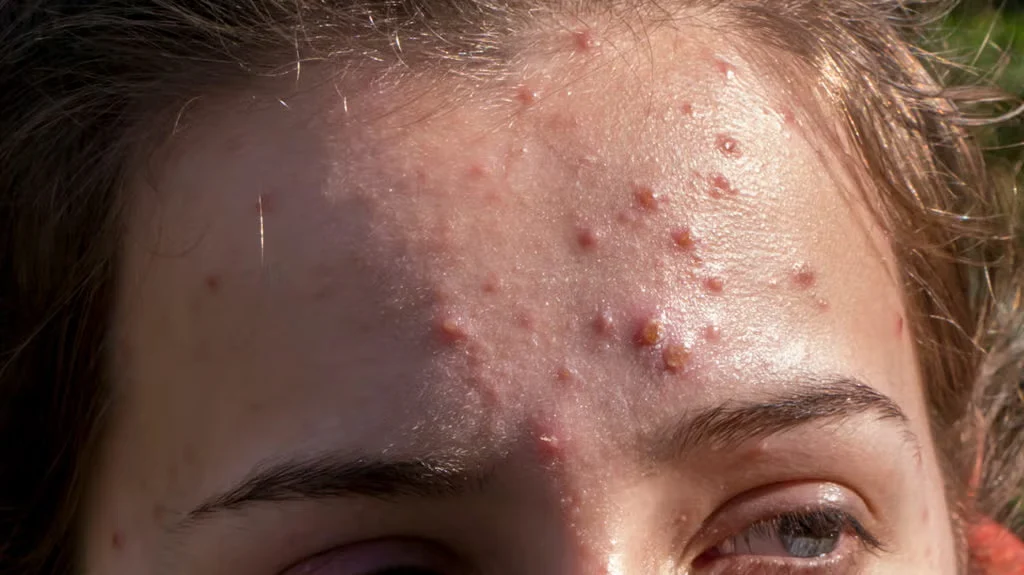
An Accutane breakout often includes inflamed pimples, whiteheads, or cysts. These lesions usually appear in acne-prone areas. Some irritation may occur at the same time, making breakouts feel more intense.
Dry skin and peeling may also appear. These changes are linked to reduced oil production. They can affect how acne presents, but are expected side effects. Observation helps guide care.
Is an Accutane Breakout Normal?
An initial breakout is a known response for many who start Accutane. It reflects the clearing of blocked follicles. Not all patients experience this phase, and severity varies.
Hormonal factors may influence timing. Female patients using birth control pills may see different patterns. These variables are considered when planning a treatment course.
Accutane Initial Breakout and Early Timeline
Changes often begin within the first weeks of treatment. This stage can feel uncertain if acne appears worse. Knowing the timeline helps reduce confusion.
When Does Accutane Purge Start
A purge usually begins within the first month of treatment. This reflects faster turnover and clearing of clogged pores. Timing varies based on baseline acne.
Some patients see mild changes, while others see more visible breakouts. Those with more underlying congestion may have stronger reactions. This phase is temporary.
Accutane First Month Breakout
During the first month, both new and existing lesions may appear more inflamed. This can create the impression that acne is spreading. In reality, it reflects clearing activity.
This stage does not mean the treatment is ineffective. Over time, fewer new lesions form. Improvement becomes clearer after this phase.
Why Breakouts Happen on Accutane
Accutane affects oil production, cell turnover, and inflammation. These changes disrupt the environment that supports acne. The result can be temporary worsening.
Increased Skin Cell Turnover
Faster turnover helps prevent buildup inside follicles. It also brings existing blockages upward. This is why breakouts may appear early.
This process supports long-term results and reflects the overall effectiveness of Accutane in reducing acne over time. It reduces future clogged pores. Early changes are part of adjustment.
Clogged Pores Coming to the Surface
Clogged pores are pushed outward during treatment. This creates visible lesions that were previously under the surface. This process is often called purging.
Clearing these blockages helps reduce the risk of acne scars. It addresses deeper causes of acne. This phase is transitional.
How Does Affect Breakouts
Dose can influence how great early changes appear. Higher doses may increase turnover speed and make breakouts more noticeable. Lower doses may create a slower response.
Providers adjust dosing based on tolerance and results. This helps balance effectiveness and side effects. Changes in dose may shift breakout patterns.
Accutane Purge vs Breakout
A purge refers to existing clogged pores clearing quickly. A breakout may include new lesions. These are not the same process.
How to Tell the Difference
A purge usually occurs in acne-prone areas and early in the treatment course. Lesions often resolve faster. New breakouts may appear in different areas.
Tracking timing helps identify patterns. Improvement after early worsening suggests a purge. Persistent acne may need evaluation.
Purging vs Irritation vs Worsening Acne
Not all changes during Accutane treatment are the same. A purge involves existing clogged pores surfacing. Irritation includes redness, dryness, and sensitivity. Worsening acne refers to persistent or new lesions that do not improve.
Expected signs may include:
- Breakouts early in the treatment course
- Lesions in acne-prone areas
- Gradual improvement over time
Concerning signs may include:
- Severe pain or widespread inflammation
- No improvement after several months
- New patterns outside typical acne areas
Is Purging a Good Sign?
Purging may indicate that Accutane is working. It reflects the clearing of underlying material. However, it does not guarantee an outcome.
Progress should be assessed over time. Improvement usually becomes clearer after the early phases. Monitoring helps guide decisions.
How Long Do Accutane Breakouts Last?
Duration varies between individuals. Most breakouts occur early in the treatment course. Over time, lesions decrease as oil production drops.
Breakouts often begin within 2 to 6 weeks. Many see improvement by the second or third month of treatment. Variation is expected.
When Do Accutane Breakouts Stop
Breakouts may last several weeks to a few months. As treatment continues, new lesions become less frequent. This reflects ongoing changes in oil production.
A full treatment course aims for long-term control. The timeline should be reviewed with a provider.
Breakouts During and After Treatment
Breakouts may occur during dose changes or after treatment ends. These patterns vary by individual.
Accutane Dose Increase Breakout
When your doctor increases your daily Accutane dose, breakouts can happen for a short time. The higher amount speeds up the clearing of clogged pores and more strongly reduces oil production, which can bring hidden acne to the surface. This usually improves as your body adjusts.
Post Accutane Breakout
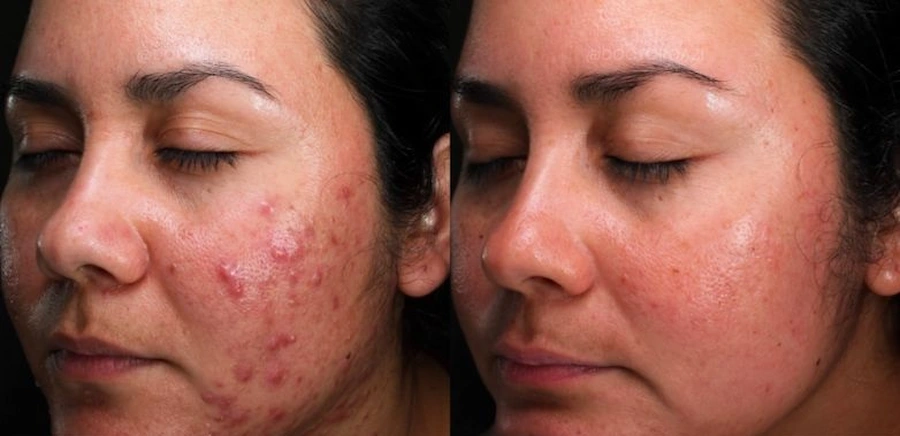
Some patients notice acne returns after Accutane because oil production can slowly increase over time. This usually happens months or years after completing the treatment course and is often milder than the original acne. Recurrence is more likely in acne-prone individuals or in those with hormonal factors.
Maintenance acne treatments, such as a topical retinoid, are sometimes used to help control new breakouts.
Why Am I Breaking Out After Being on Accutane
Breakouts after treatment may be linked to hormones or persistent acne-prone patterns. Some may need additional care, such as a topical retinoid. Recurrence does not mean failure.
Isotretinoin Safety and Expected Results
Isotretinoin is used for moderate-to-severe acne that does not respond to other acne treatments. Monitoring is part of safe use.
Is Isotretinoin Safe?
Isotretinoin is safe when monitored. Common side effects include dry skin and irritation. These are manageable.
The medication can increase the risk of complications during pregnancy. Female patients often use birth control pills to reduce this risk.
Side Effects Beyond the Skin
Side effects may include dry lips, eye irritation, or fatigue. These are usually mild. Reporting symptoms helps guide care.
Rare effects require attention. Monitoring helps reduce risk. Early reporting is important.
Isotretinoin Benefits
Isotretinoin reduces oil production and inflammation. It targets clogged pores and lowers acne severity. Many patients see improvement.
Reducing acne lowers the risk of acne scars. Benefits must be balanced against side effects, which is why some patients assess whether Accutane is worth it in their specific case.
Does Isotretinoin Remove Acne Permanently?
Isotretinoin can lead to long-term remission by reducing oil production and preventing clogged pores. Many patients remain clear after a full course of treatment, but some may experience recurrence.
Breakouts that return are usually milder and more common in acne-prone individuals or with hormonal factors, which aligns with what is known about the long-term effects of Accutane. Maintenance acne treatments, such as a topical retinoid, may help control new lesions.
How to Manage an Accutane Breakout
Management focuses on reducing irritation while allowing treatment to work. Simple routines are effective.
Simple Routine During an Accutane Breakout
A simple routine supports comfort. Use gentle cleansing and hydration. Avoid harsh products.
A routine may include:
- Mild cleanser
- Non-comedogenic moisturizer
- Sunscreen
Avoid combining actives like benzoyl peroxide unless advised. This helps reduce irritation.
Treatment Adjustments
Some cases require adjustments. Dose or supportive care may change. Monitoring guides decisions. Each treatment course is individualized. Adjustments help balance results and tolerance.
When to Seek Medical Advice
Most breakouts are expected, but some need evaluation. Monitoring changes helps identify concerns.
Signs of Severe Reactions
Severe inflammation or pain may require attention. These signs should be reviewed. Adjustments may be needed.
When Breakouts Do Not Improve
Persistent or worsening acne may require evaluation. This may lead to treatment changes. Each response varies.
Common Myths About Accutane Breakouts
Misconceptions can create confusion. Clear information helps guide expectations.
Purging Means Treatment Is Not Working
Purging reflects the clearing of clogged pores. It does not indicate failure.
Breakouts Always Get Worse First
Not all patients experience worsening. Some improve gradually. Responses vary.
If you are considering isotretinoin or want guidance on managing an Accutane breakout, a qualified clinician can help assess your situation and outline safe next steps. You can learn more about how treatment is evaluated and initiated through DermOnDemand’s start treatment process.