This article explains how folliculitis develops, how it is usually treated, and when accutane for folliculitis may be part of care. It is an educational guide based on clinical standards used by DermOnDemand and the medical expertise of Dr. Alicia Atkins. The goal is to help readers understand symptoms, causes, and treatment limits in a clear and realistic way.
Key Takeaways
- Accutane can be considered for folliculitis only in specific, severe, or scarring cases when standard treatments have not worked, and it is not a first-line option for most patients.
- Folliculitis has many causes, including bacterial, fungal, and irritant factors, so accurate diagnosis is essential before choosing treatment.
- Isotretinoin works by reducing oil production and inflammation in the hair follicle, which may help certain chronic forms but does not treat all types.
- Improvement with Accutane is gradual and may take months, and long-term clearance is not guaranteed even when symptoms improve.
- Careful medical supervision is required due to known risks, and ongoing skin care and habit changes remain important during and after treatment.
Does Accutane Work for Folliculitis?
The answer to does accutane work for folliculitis depends on the cause and type of the condition. Folliculitis is not one single disease, and many cases improve with basic care or short treatment courses. Accutane is not a first choice for most people. It is used only in specific cases where inflammation lasts despite standard treatment.
Some forms of folliculitis act like severe acne and affect the same skin structures. In these cases, isotretinoin may reduce oil and calm inflammation in the hair follicle. This can help certain chronic or scarring forms over time. A clear diagnosis is required before this option is considered.
What Folliculitis Is
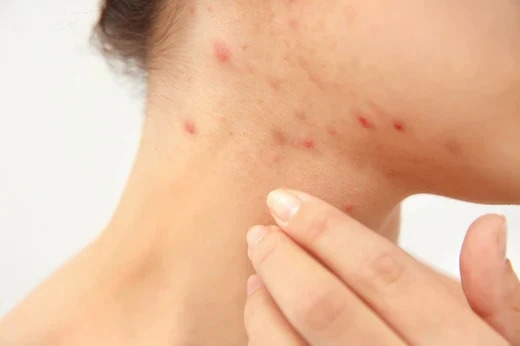
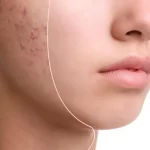
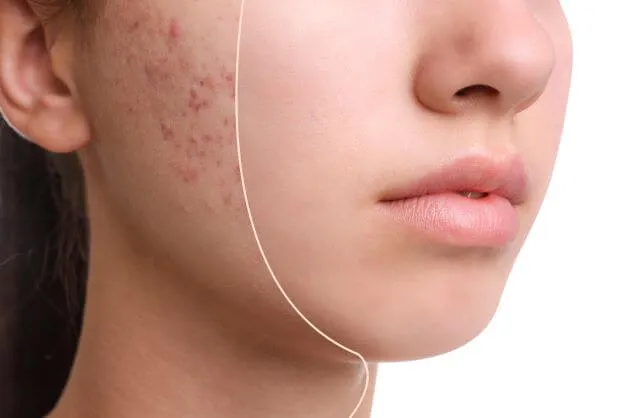
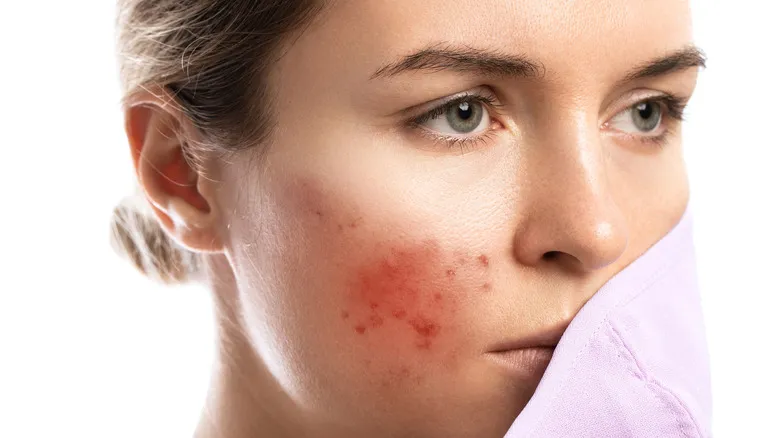
Folliculitis is inflammation of the hair follicle, which is where hair grows out of the skin. It often looks like small red bumps or white pimples around hairs. The skin may itch, burn, or feel sore. Mild cases are common and often heal on their own.
Follicles can become inflamed when they are blocked or damaged. Shaving, sweating, friction, and tight clothing can irritate the skin. Once irritated, bacteria or fungi can enter the follicle. Knowing the cause helps guide treatment.
Symptoms and common causes
Symptoms range from mild bumps to deeper painful spots. The condition can appear on the scalp, face, chest, back, or legs. Many cases heal without leaving scars. More severe cases may last longer.
Common causes:
- Small red bumps or pus-filled spots around hair follicles
- Itching, burning, or skin tenderness
- Caused by Staphylococcus aureus in bacterial folliculitis
- Caused by yeast that normally lives on the skin in fungal forms
- Triggered by shaving, friction, or sweating
- Higher risk with ongoing skin irritation
Types of Folliculitis
There are many types of folliculitis, and each type needs a different approach. Some are short term, while others become chronic. Correct identification matters because the wrong treatment can slow healing. Not all folliculitis responds to the same care.
Doctors group folliculitis by cause or pattern. This helps decide whether topical care, oral antibiotics, antifungal medication, or other treatment is needed. Treating the wrong cause can delay improvement.
Bacterial and fungal folliculitis
Bacterial folliculitis often involves staphylococcus aureus, especially after shaving or skin injury. Mild cases usually improve with gentle cleansing and topical antibiotics. More widespread cases may need oral antibiotics for a short time.
Some bacterial forms involve different germs. Gram negative folliculitis can develop after long term acne antibiotics. Pseudomonas folliculitis, also called hot tub folliculitis, comes from pseudomonas aeruginosa in poorly cleaned pools. These cases often clear on their own but sometimes need treatment.
Fungal folliculitis includes malassezia folliculitis, also known as pityrosporum folliculitis. It often looks like acne but does not respond to antibiotics. Antifungal medication is usually required. Proper diagnosis avoids unnecessary antibiotic use.
Chronic and scarring forms, including folliculitis decalvans
Some cases of folliculitis become long lasting and cause scarring. Accutane for folliculitis decalvans is sometimes discussed because this condition leads to ongoing scalp inflammation and hair loss. Standard antibiotics often help only for short periods.
In these cases, isotretinoin may reduce oil and inflammation that drive the disease. This use is off label and requires close monitoring. Not everyone improves, and long term care is often needed. Expectations should remain realistic.
Folliculitis Locations and Subtypes
Where folliculitis appears can affect how it behaves and how it is treated. Some areas are more sensitive or exposed to friction. Location helps explain why some treatments work better than others. This is especially true for the face and scalp.
Daily habits often play a role. Moisture, shaving, and hair type can increase risk. Treatment often includes changes in skin care routines along with medication.
Accutane for scalp folliculitis
Accutane for scalp folliculitis may be considered in severe or scarring cases. The scalp has many oil glands, which can fuel inflammation. Ongoing disease in this area can cause permanent hair loss. Early control may limit damage.
Isotretinoin may help by lowering oil and calming inflammation in the hair follicle. It is not used for mild scalp disease. Fungal and bacterial causes must be ruled out first. Monitoring is required throughout treatment.
Low-dose isotretinoin for scalp folliculitis
Some doctors use lower doses in chronic scalp disease. Lower doses aim to limit side effects while maintaining benefit. Evidence is limited, and results vary. This option is not suitable for everyone.
Safety checks remain the same even at low doses. Blood tests and symptom reviews are still needed. Decisions depend on severity and prior response. Long term planning is important.
Accutane for folliculitis barbae
Folliculitis barbae affects the beard area, often in people with curly hair. Ingrown hairs and inflammation are common. Shaving methods often trigger flares. This condition overlaps with pseudofolliculitis barbae.
Treatment focuses on reducing irritation. Using an electric razor, shaving less closely, and avoiding aggressive hair removal can help. Accutane is rarely used and only in severe or scarring cases. Habit changes are usually more effective.
How Accutane Affects Hair Follicles
Isotretinoin changes how oil glands and skin cells work. It lowers oil production and changes how cells mature inside the hair follicle. This reduces blockage and inflammation. It also lowers inflammatory signals in the skin.
These effects explain why isotretinoin helps severe acne and some follicular conditions. Less oil makes it harder for bacteria and yeast to grow. Inflammation improves slowly over time. Changes do not happen overnight.
Effects on oil production and inflammation
Lower oil levels mean fewer clogged follicles. This can help when oil fuels ongoing disease. It does not fix every cause of folliculitis. Mechanical and infectious causes still need direct treatment.
Inflammation also decreases as immune activity shifts. Redness and soreness fade gradually. Because many body systems are affected, dosing must be personalized. Monitoring supports safe use.
When Accutane Is Considered
- Used only after standard treatments fail
- Considered when folliculitis keeps returning
- Follows a stepwise treatment plan
- Tried after hygiene and topical care
- Considered after short courses of medication
- Requires further evaluation for ongoing inflammation
- Discussed after targeted oral antibiotics fail
- Discussed after antifungal medication fails
- Culture results may guide decisions
- Avoided when strong antibiotics are not clearly needed
After antibiotics and standard treatments fail
Repeat flares may suggest a different diagnosis. Some patients have acne and folliculitis at the same time. Others have scarring conditions that behave differently. In these cases, isotretinoin may reduce disease activity.
Benefits must be weighed against risks. Not everyone improves, and side effects are possible. Shared decision making helps set expectations. Care remains tailored to each person.
Accutane Timeline and Treatment Expectations
Many people ask about accutane before and after changes. Improvement is slow and often takes months. Some people see early flares before things improve. This does not mean the treatment failed.
Some patients see long term improvement, but relapse can happen. Isotretinoin does not guarantee permanent results. Ongoing skin care may still be needed. Knowing the timeline helps reduce frustration.
Can Accutane Cause Folliculitis?
Some people worry that isotretinoin can cause folliculitis. Early dryness and irritation may look like follicular inflammation. Gentle skin care often improves this.
True infection linked to isotretinoin is rare. Skin barrier changes can increase sensitivity. Monitoring allows early response to side effects. New symptoms should be reported promptly.
What Accutane Does Not Treat
- Does not treat all follicular conditions
- Does not cure active bacterial or fungal infections
- Infections still require antimicrobial treatment
- Does not resolve irritation from shaving or tight clothing
- Behavior and skin care changes remain necessary
- Medication alone is often not sufficient
- Cannot reverse existing scars
Requires accurate diagnosis to guide care
Risks and Safety Monitoring
Isotretinoin has known risks that require supervision. Common effects include dry skin, lips, and eyes. Muscle aches and lab changes may occur. Most effects resolve after stopping treatment.
Serious risks include birth defects if used during pregnancy. Pregnancy prevention rules are strict. Blood tests monitor liver health and cholesterol. Close follow up supports safety.
Side effects and required follow-up
Follow up visits track progress and side effects. Doses may change as needed. Mood changes or severe symptoms should be reported. Education supports safe use.
Long term plans may include maintenance care. Not everyone needs repeat treatment. Decisions depend on response and tolerance. Monitoring continues throughout therapy.
Other Treatment Options for Folliculitis
Many treatments exist besides isotretinoin. Options include topical antiseptics, antibiotics, and antifungal medication. Daily habits also matter. Avoiding wear tight clothing and friction can help.
For facial disease, shaving changes are key. Gentle cleansers reduce irritation. Many cases improve without systemic drugs. Treatment should match cause and severity.
Common Misconceptions About Accutane
If these beliefs sound familiar, pause and reset expectations before making treatment decisions. Take time to understand what isotretinoin can and cannot do, how long improvement may take, and why daily skin care still matters. Reviewing accurate medical information helps you weigh options more clearly. Informed choices start with realistic expectations.