
Isotretinoin does not directly cause yeast infections in most patients. When people search for Accutane yeast infection, they often describe symptoms such as itching, burning, or irritation that begin during treatment.
These symptoms are usually linked to dryness and changes in skin and mucosal tissue rather than an actual fungal infection. Research does not provide strong evidence that isotretinoin increases the risk of yeast infections.
Still, symptoms can overlap, leading to confusion. Proper evaluation helps determine whether discomfort reflects irritation or an actual infection.
This article explains what people mean when they search for “Accutane yeast infection”, does Accutane cause yeast infections, and how symptoms should be understood, using the same educational standards followed by DermOnDemand and clinical guidance similar to that used by Dr. Alicia Atkins.
Key Takeaways
- Yeast infections are not a known direct side effect of isotretinoin, and symptoms that appear during treatment are often related to dryness and irritation rather than infection.
- Isotretinoin can cause dry skin and vaginal dryness, which may lead to discomfort similar to that of a yeast infection, even when testing does not confirm one.
- Research does not provide strong evidence that isotretinoin increases the risk of yeast infections, making it essential to separate timing from causation.
- Other factors during acne treatment, such as prior antibiotic use, hormonal changes, or underlying health issues, often explain symptoms attributed to isotretinoin.
- Persistent or worsening symptoms should be medically evaluated to confirm whether a yeast infection or another condition is present and to guide appropriate care.
Are Yeast Infections a Side Effect of Accutane?
Yeast infections are not listed as a common or direct side effects of isotretinoin. This oral medication is mainly known for causing dryness in different parts of the body. When symptoms appear during treatment, they are often linked to irritation rather than an actual infection.
Timing alone can be misleading. If symptoms start after treatment begins, it may feel like the medication is the cause. Medical evaluation focuses on whether signs match yeast infections or point instead to dryness and irritation.
How Accutane Changes Infection Risk and Symptoms
Isotretinoin changes how oil glands work. This effect helps treat acne but also reduces natural moisture. These changes explain why discomfort is common during treatment.
Skin and mucosal dryness
Dry skin is one of the most common effects of isotretinoin. Dryness can also affect the lips, nose, and genital area. Vaginal dryness can cause burning or soreness, even in the absence of infection.
Changes in microbial balance
Healthy skin and mucous tissue support a stable mix of bacteria and yeast. When dryness disrupts this balance, irritation can occur. These symptoms may feel similar to yeast infections, even if testing is negative.
Why does ryness mimic a yeast infection
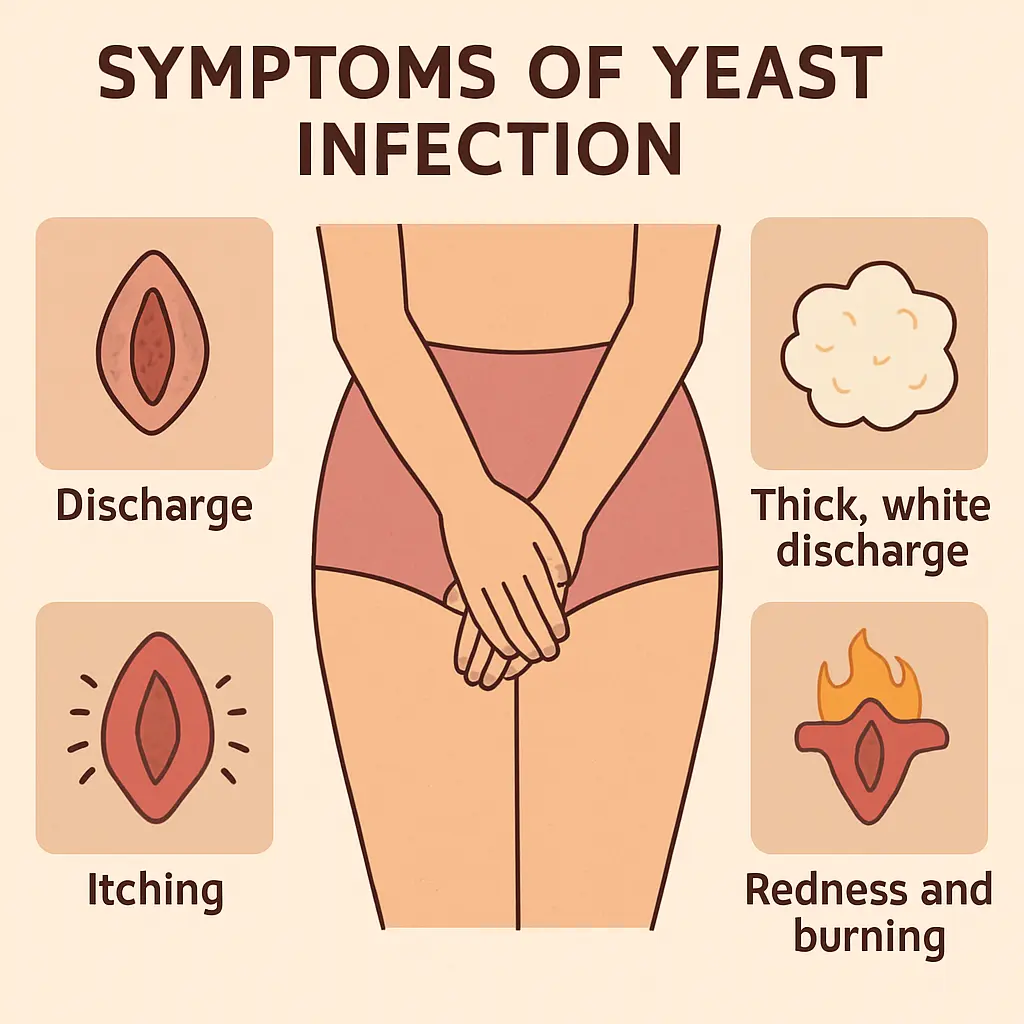
Itching and discomfort are often linked to yeast infections. The same symptoms can appear with irritation alone. This overlap explains why many people suspect an Accutane yeast infection without clear proof.
Isotretinoin and Yeast Infection: What Research Shows
Most research on isotretinoin focuses on acne outcomes and safety. Studies do not show strong evidence that isotretinoin directly causes yeast infections. Reports of infection during treatment are inconsistent.
What studies suggest
Some patients report recurrent infections while using isotretinoin. These reports vary and often involve other factors. In many cases, dryness or other treatments explain the symptoms.
What evidence does not confirm
There is no clear evidence that isotretinoin weakens the immune system in a way that promotes yeast infections. Because of this, doctors do not assume cause without testing. Care decisions are based on exam findings and results.
Can Accutane Cause BV or Vaginal Imbalance?
Some patients also ask whether isotretinoin can cause bacterial vaginosis, often called BV. BV and yeast infections are different conditions with different causes. BV involves changes in bacteria, not yeast.
Dryness and irritation can change how the vaginal area feels. These changes may raise concerns about imbalance. Testing is needed to tell BV apart from yeast infections.
Antibiotics and acne care
Many people use antibiotics as part of their acne treatment before starting isotretinoin. Antibiotics can increase the risk of yeast infections. In these cases, the disease is linked to antibiotics rather than isotretinoin.
Hormonal and immune factors
Hormone changes, stress, and other health issues can affect infection risk. These factors differ from person to person. Looking at the whole picture helps avoid wrong conclusions.
What Is the Biggest Side Effect of Accutane?
The most serious risks of isotretinoin relate to pregnancy. Congenital disabilities are a known risk, which is why pregnancy tests and strict birth control rules are required during treatment. These steps are key to safe use.
Other side effects include dry skin, sensitivity, and temporary changes in lab results. These effects are monitored closely. Infection is not the primary concern when weighing risks and benefits.
Common Misconceptions About Accutane and Yeast Infection
A common belief is that any genital symptom during treatment means a yeast infection. Another is that isotretinoin always increases the risk of infection. These ideas can cause worry or lead to incorrect treatment.
Clear diagnosis matters. Treating irritation as an infection may delay proper care. Understanding how symptoms overlap helps guide better decisions.
When Symptoms Need Medical Evaluation
Symptoms that last, worsen, or include unusual discharge should be checked. Testing helps confirm whether a yeast infection or another skin condition is present. This approach avoids unnecessary medication.
Medical review is also essential for people with recurrent infections. Each situation is different. Care should be based on results, not assumptions.
What Accutane Does Not Directly Cause
Isotretinoin does not directly cause yeast infections in most people. It does not replace the need for testing or diagnosis. Many symptoms have other explanations.
Knowing these limits helps set realistic expectations. Better understanding supports safer treatment and clearer discussions about side effects and symptoms.
If you have ongoing symptoms or need personalized guidance, you can schedule a consultation to discuss your concerns with a qualified clinician and review appropriate next steps.