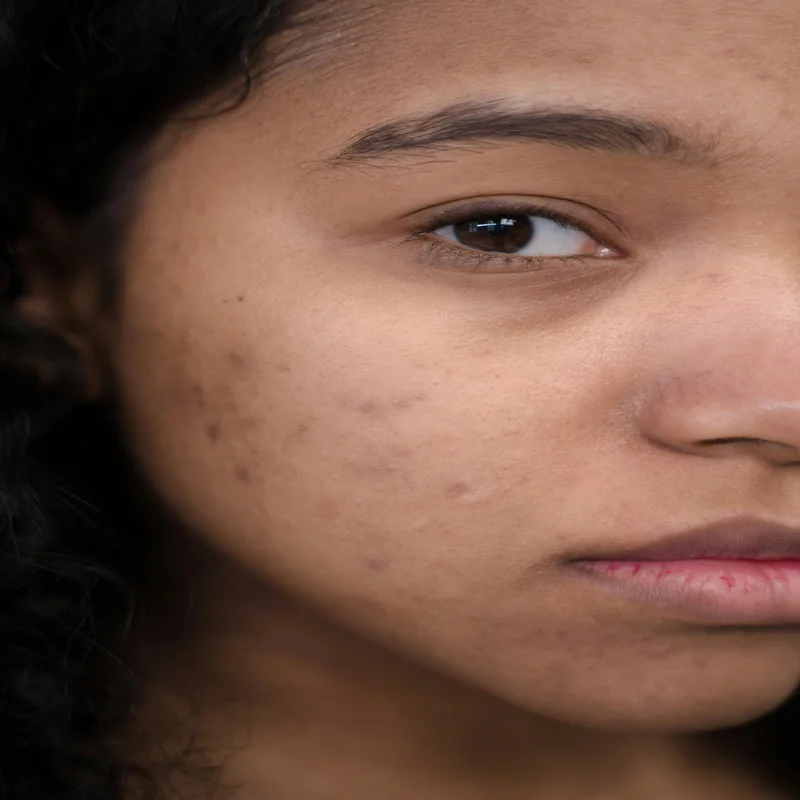
During treatment, skin often becomes drier and more sensitive to sunlight, which can make dark spots appear darker if sun protection is inconsistent. Existing marks usually need time, daily sunscreen, gentle skincare, and sometimes pigment-focused topical treatments after a dermatologist confirms they are safe.
Key Takeaways
- Accutane may reduce future acne-related dark spots by controlling active acne, inflammation, oil production, and clogged pores. It does not directly fade existing hyperpigmentation.
- Dark spots can remain after acne improves because pigment takes time to clear. Sun exposure, picking, irritation, and skin tone can affect how long marks last.
- Skin can become dry, sensitive, and more reactive during Accutane treatment. Gentle skin care and daily sunscreen use are central to safely managing hyperpigmentation.
- Strong exfoliants, chemical peels, lasers, and harsh pigment treatments may need to wait until the skin has recovered. A dermatologist can help decide safe timing.
- Dermatology care is important when dark spots persist, spread, or are accompanied by scarring, changes in texture, or ongoing inflammation.
Will Accutane Remove Hyperpigmentation?
Accutane does not usually remove existing hyperpigmentation by itself. It may reduce future dark spots by controlling active acne, inflammation, oil production, and clogged pores. So, if you are asking, “Does Accutane work for hyperpigmentation?” the answer is indirect, not direct.
Hyperpigmentation after acne often happens when inflammation triggers extra pigment in the skin. This is called post-inflammatory hyperpigmentation. The mark may remain even after the pimple heals.
How Isotretinoin Affects Dark Spots
What Accutane Can Improve
Isotretinoin, the generic name for Accutane, can help treat severe acne by reducing oil production and preventing clogged pores. This can lower the number of inflamed breakouts that later leave dark spots. Acne treatment can also reduce repeated injury to the same area of skin.
What Accutane Cannot Treat
Accutane treatment does not work like topical treatments made to target pigment. It does not bleach dark spots or directly speed pigment removal. Also does not erase acne scars, dents, or raised texture.
Why It Helps Indirectly
The effects of Accutane may help because fewer breakouts mean fewer new marks. It can support long-term skin clarity, but it does not bleach pigment or erase acne scars. Skin cell renewal still takes time, so pigment often fades slowly.
Accutane Hyperpigmentation Before and After
What Changes to Expect
Accutane hyperpigmentation before-and-after photos can look different from person to person. Acne may improve first, while leftover brown or red marks may remain. This can make the skin look clearer, even before the pigment fully fades.
Why Results Vary
Results depend on skin tone, acne severity, sun exposure, picking, irritation, and how long the mark has been present. Brown marks often reflect pigment. Red marks may reflect lingering blood vessel changes rather than pigment.
How Long Dark Spots May Take to Fade
Dark spots often fade slowly, even after active acne improves. Some marks improve over several months, while deeper pigment can last longer. Sun exposure, picking, irritation, and skin tone can affect the timeline, so steady skin care matters more than harsh products.
Why Acne Leaves Dark Marks
Brown Marks
Brown marks form when inflammation stimulates pigment-producing cells. This can happen after deep pimples, cysts, or repeated irritation. Darker skin tones may develop these marks more often and may need careful pigment-safe care.
Red Marks
Red marks are not always true hyperpigmentation. They may result from inflammation and changes in surface blood vessels after acne. These marks can improve with time, but irritation and sun exposure can make them more visible.
Acne Scars
Acne scars involve changes in texture, not just color. Pitted scars, raised scars, and uneven texture need a different treatment plan. Pigment products alone usually cannot correct skin structure.
How to Treat Hyperpigmentation While on Accutane
Sunscreen and Gentle Skin Care
The safest starting point is daily sunscreen and a gentle skin care routine. Dermatologists recommend broad-spectrum sunscreen with SPF 30 or higher, and the American Academy of Dermatology notes that sunscreen helps prevent dark spots from worsening. Accutane can make skin more reactive to sun exposure during Accutane, which may make dark spots look darker.
Ingredients to Discuss First
Some post-acne products for hyperpigmentation contain azelaic acid, niacinamide, vitamin C, retinoids, or exfoliating acids. During Accutane, the skin barrier may be more fragile, so these ingredients may sting or cause dry skin. A dermatologist can help determine what is safe to use and what to wait for.
Treatments to Delay
Chemical peels, laser treatments, waxing, dermabrasion, and aggressive exfoliation may not be appropriate during Accutane treatment. Some procedures may increase the risk of irritation, delayed healing, or scarring while the skin is sensitive.
Cleveland Clinic advises avoiding cosmetic procedures such as waxing, dermabrasion, and laser therapy during isotretinoin and for a period after the last dose.
Accutane Side Effects and Skin Sensitivity
Sun Sensitivity
Sun sensitivity is a common care issue during isotretinoin use. Other potential side effects include irritation, peeling, increased sun sensitivity, and skin changes that may lead some patients to research Accutane and wrinkles. This can make sun protection part of pigment care, not just general skin care.
Dryness and Irritation
Dry lips, dry skin, peeling, and irritation are potential side effects. Irritated skin is more likely to develop new marks after friction, picking, or exposure to harsh products. Moisturizer and gentle cleansing can support the barrier while acne improves.
Skin Barrier Changes
The skin barrier helps keep water in and irritants out. When Accutane reduces oil production, the skin may become drier, more sensitive, and more easily irritated. This matters for hyperpigmentation because irritation and sun sensitivity can make post-acne marks look darker or last longer.
During treatment, preventing clogged pores should be balanced with protecting the skin barrier through gentle cleansing, moisturizer, and daily sunscreen.
What Fades Hyperpigmentation the Fastest?
Prescription Topicals
The fastest safe option depends on the cause of the color change. Prescription topical treatments may include pigment-focused ingredients, but they must be appropriate for the patient’s skin type and medication regimen. Treating pigment too aggressively can worsen irritation and create more discoloration.
Peels and Lasers
Chemical peels and lasers may help some types of hyperpigmentation after the skin has recovered. Timing matters because procedures performed too early may irritate sensitive skin. These treatments need careful selection, especially for deeper skin tones.
Best Timing After Accutane
Many patients need to finish Accutane and allow the skin to recover before stronger pigment treatments. The exact timeline can vary. A dermatologist can review dryness, sensitivity, acne control, and procedure risk.
Long-Term Prevention
Long-term improvement depends on preventing new acne and protecting skin from light exposure. Sunscreen, gentle products, and acne control all matter. Picking or scrubbing breakouts can restart inflammation and create new marks.
When to See a Dermatologist
Persistent Dark Spots
See a dermatologist if dark spots persist, spread, or do not match your acne history. Some pigment patterns need a different diagnosis. Melasma, medication-related pigment, and other skin conditions can resemble acne marks.
For readers reviewing care pathways, DermOnDemand explains its start treatment process separately.