- Weeks 1 to 2: Skin may start feeling drier, tighter, or more sensitive. Some patients notice little change in acne during this stage.
- Weeks 3 to 6: A purge or acne flare may begin as clogged pores surface. Breakouts may look deeper, redder, or more widespread.
- Weeks 6 to 8: Purging may continue for some patients, while others begin to see fewer new breakouts. Dryness and irritation may still be noticeable.
- Months 2 to 3: Acne often begins improving more clearly as oil production decreases and inflammation settles.
- Months 4 and beyond: Many patients see fewer deep breakouts and more stable improvement, though results depend on the dose, treatment length, and medical plan.
During this phase, patients should follow their prescriber’s instructions and avoid adding harsh products without medical guidance. DermOnDemand provides medically grounded explanations to help patients understand what may happen during isotretinoin treatment and set realistic expectations.
Key Takeaways
- Accutane purging is a temporary increase in acne breakouts that can occur early in Accutane treatment as clogged pores surface and clear.
- Purging usually occurs within the first month of treatment and may last several weeks, depending on factors such as acne severity and the dose.
- Common signs include acne breakouts in usual areas, increased inflammation, and dryness, with improvement typically following the initial phase.
- Managing this reaction involves gentle skincare, avoiding irritation, and understanding that this is a known and often temporary part of treatment.
- If symptoms worsen beyond expected patterns or appear in new areas, a board-certified dermatologist should evaluate the treatment plan to ensure safe and appropriate care.
What Is Accutane Purging and Why Does It Happen?
Accutane (isotretinoin) purging is a form of skin purging that occurs when isotretinoin increases skin cell turnover, pushing clogged material to the surface. This process can lead to more visible acne breakouts before improvement begins. The medication reduces sebum production over time, but the initial phase may trigger an acne flare as pores clear.
This reaction is one of the known side effects of starting Accutane. Not every patient will experience this phase, but it is more common in people with moderate-to-severe or cystic acne. The goal of isotretinoin treatment is to reduce long-term breakouts by targeting oil production and deeper causes of acne.
When Does Accutane Purge Start and How Long Does It Last?
Many patients ask how long the Accutane purge lasts and when it begins. In most cases, this reaction occurs within the first month of treatment. The timing depends on the Accutane dose and how the skin responds.
The process usually lasts a few weeks, though some patients may experience a longer acne flare. Factors such as acne-prone skin, high sebum production, and baseline severity influence duration. This variation explains why some patients experience a purge while others do not.
Accutane Purge Timeline
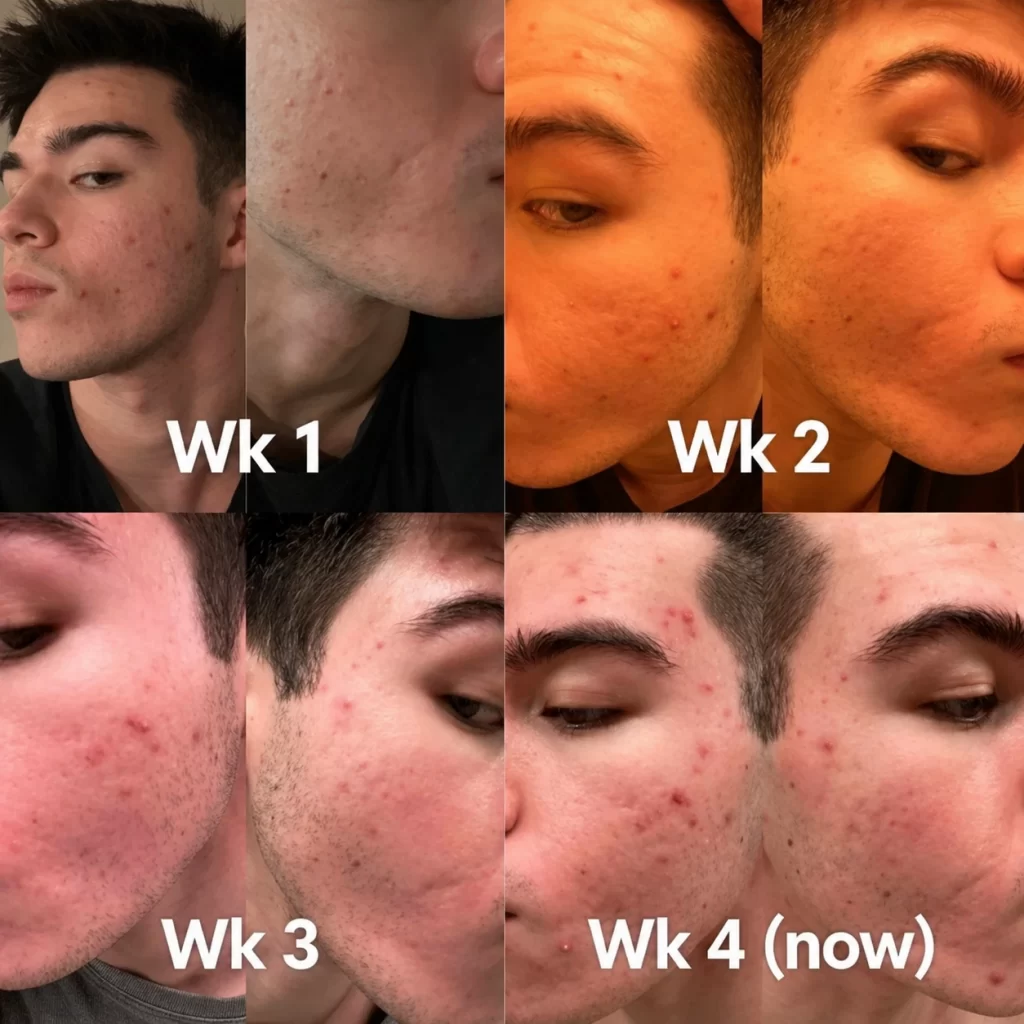
The Accutane purge timeline varies by patient, but symptoms often follow a general pattern during the first few months of isotretinoin treatment. Some patients notice early breakouts within the first 2 to 4 weeks, as existing clogged pores surface and the skin begins adjusting. The most noticeable acne flare often happens during the first month, especially in patients with cystic acne, high oil production, or a higher Accutane dose.
From weeks 4 to 8, inflammation may gradually decrease, and some patients may begin to see fewer new breakouts. By months 2 to 3, the skin often becomes more stable as sebum production decreases and pores stay clearer. The exact timeline depends on acne severity, dose, treatment plan, and individual response.
Simple Timeline Breakdown
- Weeks 1 to 2: Skin may become drier, more sensitive, or slightly irritated. Acne may stay the same at first.
- Weeks 2 to 4: Early purging may begin as clogged pores surface. Breakouts may look more inflamed or widespread.
- Weeks 4 to 8: The flare may peak or begin to calm. Some patients start seeing less redness, fewer new pimples, and reduced inflammation.
- Months 2 to 3: Skin often becomes more stable as oil production drops. Breakouts may become less frequent.
- Month 4 and beyond: Many patients see clearer skin and fewer deep acne flares, though results depend on the full treatment plan.
What Does an Accutane Purge Look Like?
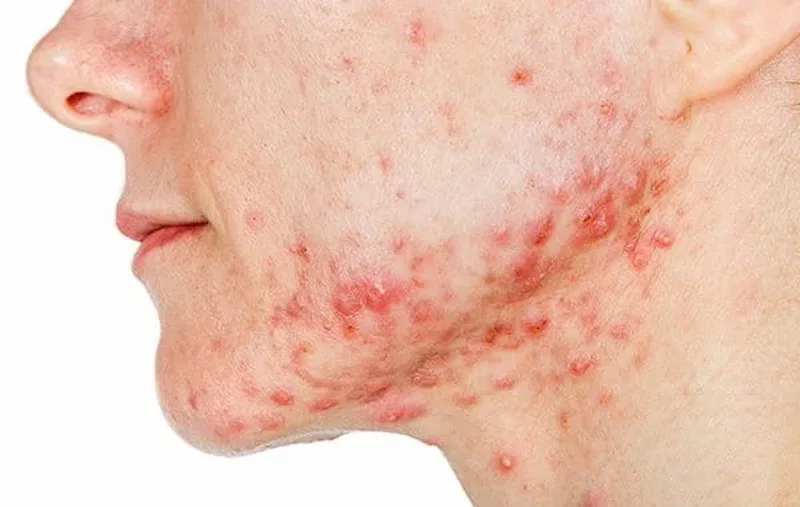
An Accutane purge can look like worsening acne, but it usually appears in areas where breakouts already occur. The skin may show increased inflammation, redness, and more lesions. This pattern helps distinguish this process from unrelated reactions.
Breakouts may include whiteheads, blackheads, and inflamed lesions. In some cases, cystic acne may temporarily worsen before improving. The overall appearance depends on individual skin type and baseline acne severity.
How to Know if You Are Purging
It can be difficult to determine whether you experience the accutane purge or worsening acne. This phase usually occurs early after starting Accutane and follows a predictable pattern. Breakouts tend to appear in the same areas where acne already existed.
If symptoms spread to new areas or persist beyond expected timelines, it may not be a typical purge. In these cases, a clinical evaluation is recommended. Understanding this distinction helps patients manage expectations during treatment.
How to Manage and Calm an Accutane Purge
Managing this reaction involves supporting the skin as it adjusts to treatment. Gentle skincare can help reduce irritation and maintain skin balance during this phase.
Key steps include:
- Use mild cleansers
- Apply a basic moisturizer
- Avoid harsh acne treatments
These steps help reduce irritation and support the skin barrier.
Experiencing this phase can be frustrating, but it is often temporary. Many patients who experience it later see clearer skin as oil production decreases. While it is not always possible to fully avoid this effect, early guidance and a lower starting dose of Accutane may help reduce its intensity. Staying consistent with treatment helps support long-term results.
When to Contact a Dermatologist
While this reaction is common, some symptoms require medical evaluation. Severe or worsening acne breakouts, especially beyond the early months, should be assessed by a board-certified dermatologist. Early guidance can help adjust the treatment plan if needed, especially when understanding how long Accutane stays in your system and how it continues to affect the skin.
Patients should also seek evaluation if side effects become difficult to manage. This is especially important for female patients, who must follow safety guidelines such as using birth control during treatment. DermOnDemand provides educational support to help patients understand when to seek care.
Common Questions About Accutane Purging
How to Calm an Accutane Purge?
To calm symptoms, focus on gentle skincare and avoid over-treating the skin. Consistent hydration and sun protection help reduce irritation. In some cases, additional guidance from a dermatologist may be needed.
Does Isotretinoin Make Skin Worse Before It Gets Better?
Yes, some patients experience a purge before improvement begins. This reaction occurs because the medication clears clogged pores more quickly. Although it can be frustrating, this phase is usually temporary and improves with continued Accutane treatment.