
Key Takeaways
- Accutane and isotretinoin refer to the same active acne medication. Accutane was a brand name, while isotretinoin is the generic drug name.
- Isotretinoin is mainly used for severe, cystic, nodular, or treatment-resistant acne. It works by reducing oil production, clogged pores, and inflammation.
- The safety rules are the same no matter which isotretinoin brand a patient receives. The risks come from the active medication, not the name on the package.
- Common side effects include dry lips, dry skin, dry eyes, and possible muscle or joint symptoms. Patients who wear contact lenses may experience increased eye irritation during treatment.
- Isotretinoin can cause severe birth defects and requires strict pregnancy prevention, pregnancy tests, and medical monitoring. Blood tests and follow-up visits help track safety during treatment.
Are Accutane and Isotretinoin the Same?
Yes, Accutane and isotretinoin refer to the same active ingredient. Isotretinoin is a prescription medication used for certain forms of severe acne, including deep cysts and nodules. The American Academy of Dermatology states that Accutane is a brand name of isotretinoin and that the Accutane brand is no longer available in the United States.
Why the Names Cause Confusion
The confusion arises because the name Accutane has become familiar to patients, families, and clinicians. Some people still say “Accutane” even when the prescription label says “isotretinoin” or another current brand name. This is why searches for isotretinoin vs. Accutane often lead to the same medication discussion.
Accutane vs Isotretinoin Comparison
Brand Name vs Active Ingredient
The brand name Accutane referred to the drug isotretinoin. Isotretinoin is the active ingredient that affects the skin, oil glands, and acne process. A side-by-side Drugs.com comparison also lists Accutane as isotretinoin, which supports that the comparison is about naming and availability rather than two unrelated medications.
Availability and Current Brand Names
Accutane is no longer sold under that name in the United States. Current isotretinoin products may include Absorica, Amnesteem, Claravis, and Zenatane. The medical decision should focus on the drug isotretinoin, its risks, and whether the patient is a safe candidate.
Safety Rules Are the Same
Safety rules apply to isotretinoin treatment regardless of the package name. A patient taking generic isotretinoin needs the same risk review as a patient who once would have taken the brand-name Accutane. The risks come from the active medication, not the label.
How Isotretinoin Treats Acne 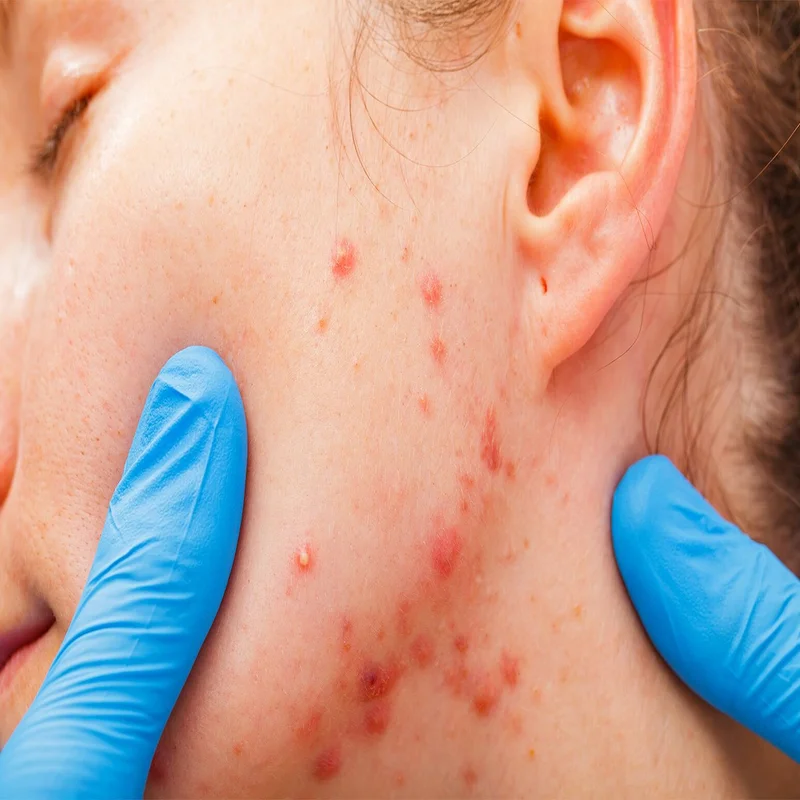
Oil Glands, Pores, and Inflammation
Isotretinoin works by reducing oil production in the skin. Less oil can reduce clogged pores, inflammation, and acne-causing conditions inside the follicle. This is why isotretinoin can treat acne that has not improved with standard topical or oral acne treatment.
Severe Acne: It May Treat
Dermatologists often consider isotretinoin for severe nodular, cystic, or scarring acne. It may also help acne vulgaris that keeps returning or does not respond to other medicines. This treatment requires medical supervision because the medication can affect the skin, eyes, liver markers, triglycerides, mood, and pregnancy safety.
Benefits and Treatment Limits
Results: It May Improve
Isotretinoin may reduce deep bumps, painful cysts, inflamed spots, clogged pores, and oily skin. Dermatology sources describe it as highly effective for selected patients with severe acne. The degree of improvement can vary with dose, treatment duration, acne type, and the patient’s tolerance to the medication.
Scars, Redness, and Pigment Changes
Isotretinoin can reduce active acne, but it does not erase established scars. Redness and pigment changes may also need separate care after acne improves. Patients should understand this limit before starting treatment so expectations stay realistic.
Isotretinoin Side Effects and Accutane Side Effects
Common Dryness and Skin Changes
The side effects of isotretinoin often involve dryness. Side effects include dry lips, dry skin, dry nose, and dry eyes. Patients who wear contacts may notice more irritation and may need lubricating drops or temporary changes in lens use.
Mood, Vision, Muscle, and Joint Symptoms
Possible effects including mood changes, vision changes, muscle aches, and joint pain, should be reported. These symptoms do not happen to everyone, but they need attention when they occur. A dermatologist can decide whether symptoms require dose adjustment, closer monitoring, or stopping treatment.
Pregnancy Risks and iPLEDGE Rules
Pregnancy risk is one of the most serious safety issues with isotretinoin. Patients who are sexually active and can become pregnant must follow strict pregnancy prevention rules. In the United States, iPLEDGE requires pregnancy tests before treatment and regular testing for patients who can become pregnant.
Safety Monitoring During Treatment
Blood Tests and Follow-Up Visits
Blood tests may be used to check liver function, triglycerides, and other safety markers before or during treatment. AAD states that dermatologists check cholesterol levels and liver function before treatment and again while a patient is taking isotretinoin. Follow-up visits also help track side effects and acne response.
Questions to Ask Your Dermatologist
Patients can ask why isotretinoin is being recommended and what alternatives were considered. They can also ask whether taking the medication at a specific time, such as at night, affects tolerability or routine consistency, especially if they have questions about taking Accutane at night.
They should also ask how side effects will be monitored, which symptoms require prompt review, and how pregnancy-prevention rules apply. Clear questions help patients understand the risks, benefits, and responsibilities of isotretinoin treatment.
Who May Need Extra Review?

Some patients need extra review before starting isotretinoin. This may include patients who can become pregnant, patients with liver or triglyceride concerns, and patients with a history of mood symptoms. A careful medical history helps the dermatologist decide whether isotretinoin is appropriate.
Patients who can become pregnant need strict pregnancy prevention steps because isotretinoin can cause severe harm during pregnancy. They should also ask how long the medication may remain in the body after stopping treatment, including how long Accutane takes to leave the system. AAD explains that patients who can get pregnant need two pregnancy tests before the first prescription and pregnancy testing every 30 days to obtain refills.
Patients who are sexually active and can get pregnant must also use two forms of birth control or remain abstinent during the required time periods.
Remote Care and Safety Limits
When Virtual Care May Fit
Remote care may be appropriate for some acne follow-ups when symptoms are stable, and required monitoring can still occur. A dermatologist still needs enough information to review side effects, pregnancy risk, and lab needs.
An online dermatology treatment intake may help collect acne history, medication use, symptoms, and safety details before a clinician reviews whether remote care is appropriate.
When In-Person Care May Be Needed
In-person care may be needed for severe symptoms, complex medical history, pregnancy concerns, or an unclear diagnosis. It may also be needed when acne overlaps with infection, scarring, or another skin condition. Patients should not treat isotretinoin as a routine acne pill.
Common Myths About Accutane
Accutane Works Overnight
Isotretinoin does not work overnight. Acne may take weeks or months to improve. Some patients improve steadily, while others need dose changes or longer monitoring.
Everyone Gets Severe Side Effects
If you notice side effects during isotretinoin treatment, do not ignore them. Track your symptoms, ask questions, and get medical guidance before changing your dose or stopping treatment.
Start Your Online Dermatology Plan