Key Takeaways
- Accutane results usually develop over several months, with clearer changes often seen between months 3 and 6.
- Acne may worsen during the first 1–2 months before it starts to improve.
- Accutane can reduce severe breakouts and oil production, but it does not remove existing acne scars.
- Side effects can include dry skin, dry lips, sun sensitivity, joint pain, and mood changes.
- Isotretinoin requires medical monitoring, including safety checks and, when applicable, iPLEDGE requirements.
What Accutane Before and After Results Show
Accutane is the former brand name for isotretinoin, an oral prescription medicine used for severe acne that has not cleared with other acne treatments. The FDA describes isotretinoin as a treatment for severe nodular acne in patients 12 and older who are not pregnant. It requires careful medical supervision because it can cause serious side effects, including severe birth defects.
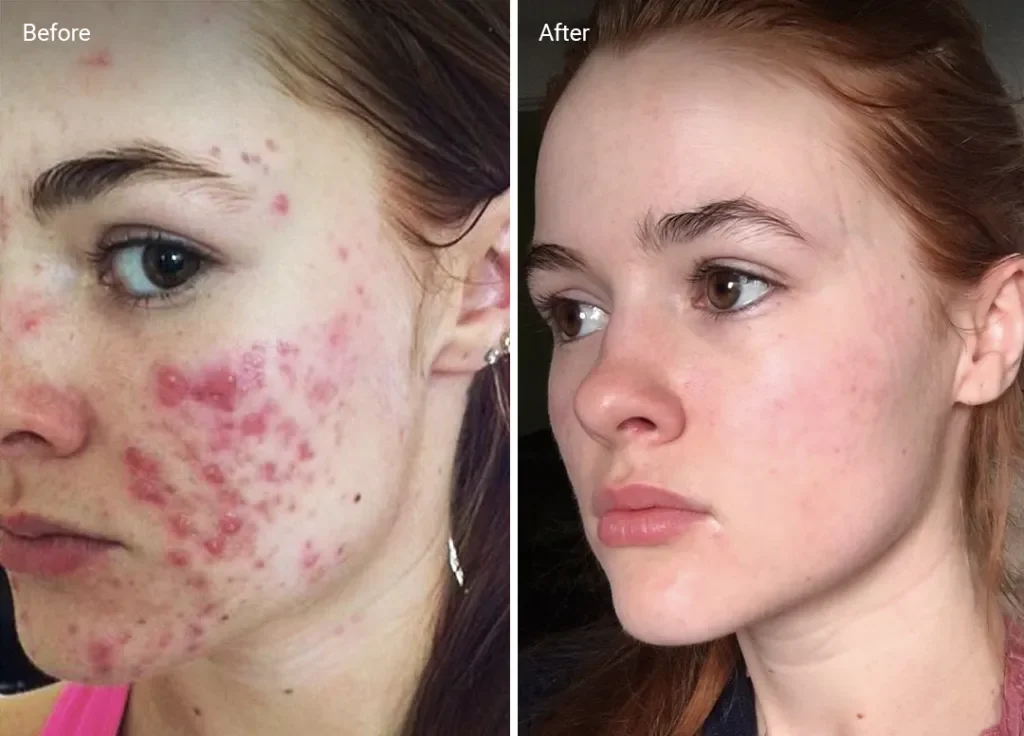
Before-and-after photos usually show fewer inflamed pimples, fewer deep cysts, less oil production, and calmer skin over time. They do not always show the full experience, such as dry skin, purging, lab checks, or skin sensitivity. A photo can show a visible change, but it cannot predict your exact outcome.
Active Acne, Redness, and Texture
Active acne often includes red bumps, whiteheads, blackheads, cysts, and tender swelling. Isotretinoin can reduce new breakouts by targeting several acne drivers, including excess oil, clogged pores, and inflammation. Some redness may remain even after active acne improves.
Skin texture may improve as breakouts slow down. Some bumps flatten, and the skin may feel less greasy. Deep texture changes from acne scars may need separate treatment after acne is controlled.
Marks, Scars, and Realistic Limits
Post-acne marks are not the same as acne scars. Red, brown, or purple marks can fade over time, while true scars involve changes in skin depth or texture. The keyword acne scars Accutane before and after can be misleading because Accutane may reduce future acne and lower new scar risk, but it does not erase established scars.
Procedures such as chemical peels, lasers, microneedling, or subcision may help certain acne scars later. These options require individual evaluation because timing matters after isotretinoin. Many clinicians wait before performing aggressive resurfacing procedures, especially medium or deep peels, depending on skin risk and treatment history.
Accutane Before and After Male Patients
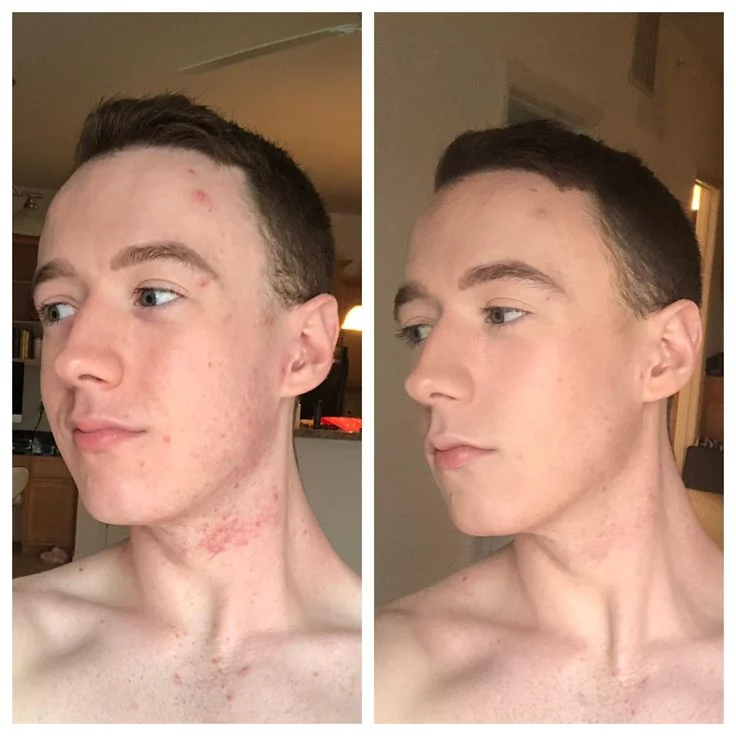
Accutane before and after male results often show improvement in jawline, cheek, chest, back, or shoulder acne. Male patients may have thicker skin, more oil production, and more truncal acne, which can affect how acne appears. The treatment principles remain similar, but dose, side effects, and monitoring still depend on the individual.
Male patients can also develop dry lips, dry skin, sun sensitivity, joint pain, and changes in lab values. Before-and-after photos may show clearer skin, but they should not replace medical guidance. A dermatologist should still assess acne severity, scarring risk, and treatment safety.
Accutane Results by Month
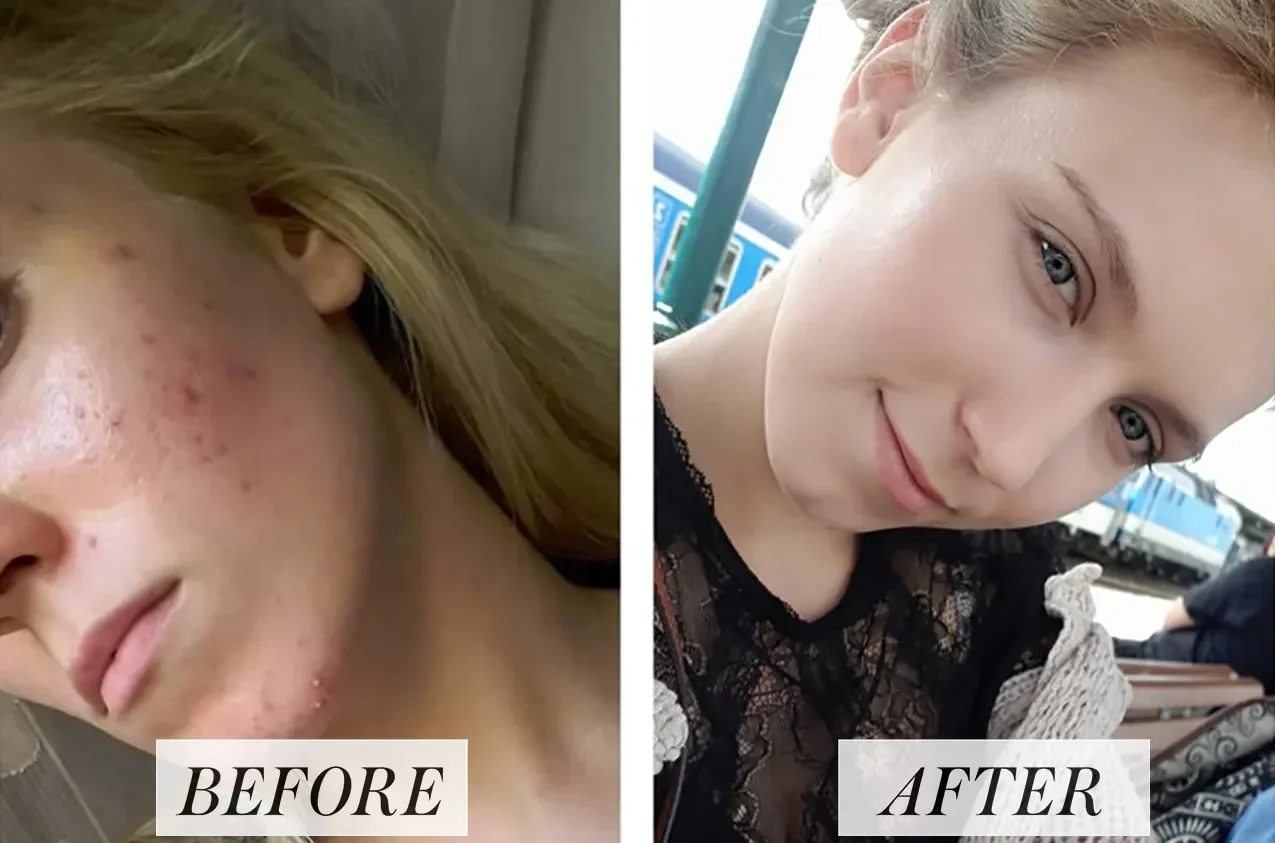
Accutane results usually take months, not days, to develop. The American Academy of Dermatology notes that one course often lasts about four to five months, though treatment may be shorter or longer based on patient needs. Dermatologists adjust treatment based on response, side effects, and safety checks.
Accutane Before and After 1 Month
Accutane before-and-after 1-month photos may not show major clearing. Some people see less oil, fewer new pimples, or mild improvement. Others see temporary worsening before improvement begins.
Early purging can happen when acne lesions come to the surface. The AAD states acne may worsen for 1 to 2 months after starting isotretinoin before it begins to clear. This can feel discouraging, but it does not always mean treatment is failing.
Months 2 to 3: Visible Clearing
By months 2 to 3, many patients start to see fewer inflammatory breakouts. Cysts may become less frequent, and the skin may feel less oily. Redness and post-acne marks may still make the skin look uneven.
Side effects often become more noticeable during this stage. Dry lips, dry eyes, dry skin, and sun sensitivity are common concerns. Patients should report severe headaches, mood changes, intense joint pain, or unusual symptoms to their clinician.
Months 4 to 6: Major Changes
Months 4 to 6 often show the clearest before-and-after contrast. Breakouts may become less frequent, smaller, and less painful. Some patients may finish treatment around this window, while others may need a different timeline.
The goal is not only clearer skin at one point in time. The goal is to reduce severe acne activity and lower the chance of repeated deep inflammation. Results vary because acne severity, dose tolerance, hormones, and adherence all affect response.
After Accutane: Long-Term Results
After Accutane, some people stay clear for years. Others may develop mild acne again and need topical maintenance or another acne care plan. Relapse risk depends on age, acne type, hormonal triggers, dose course, and individual skin biology.
A month after finishing treatment, dryness may start to improve as oil gland activity slowly changes. Skin may remain sensitive for a period, so gentle care still matters. Scar treatment should wait until the skin is stable and a clinician confirms timing.
How Long Does Accutane Take to Clear Acne?
Many patients need several months before they see full improvement. AAD patient guidance says treatment commonly takes about four to five months, but dermatologists tailor the course to the patient. This means two people with similar acne may have different timelines.
What Accutane Treats
Accutane treats severe forms of acne, especially nodular or cystic acne that has not improved with standard care. The FDA states it is used when other acne treatments, including antibiotics, have not cleared severe nodular acne. It is not a casual first step for mild clogged pores or occasional pimples.
Severe Nodular or Cystic Acne
Nodular and cystic acne can feel painful and sit deep under the skin. These lesions can last for weeks and raise the risk of permanent acne scars. Isotretinoin may be considered when acne causes scarring, severe inflammation, or poor response to other treatments.
What’s the Worst Age for Acne?
There is no single worst age for acne. Teen years often bring acne because hormones increase oil production, but adult acne can persist or start later.Adult acne may involve hormones, medications, stress, skin products, or medical conditions, which is why some patients compare Accutane or birth control for acne when reviewing treatment options
How Accutane Works
Accutane works by reducing several acne pathways at once. It lowers oil production, helps prevent clogged pores, reduces inflammation, and makes the skin less supportive of acne-causing bacteria. This multi-step effect explains why isotretinoin can help severe acne when other treatments have not worked.
Oil Glands and Clogged Pores
The oil gland produces sebum, the oily substance that helps protect skin. Too much sebum can mix with dead skin cells and block pores. Blocked pores can become blackheads, whiteheads, pimples, nodules, or cysts.
Isotretinoin shrinks oil gland activity and reduces sebum output. Less oil can mean fewer clogged pores. This also explains why dry skin and dry lips are so common during treatment.
Inflammation and Future Breakouts
Acne is not only a pore problem. It also involves inflammation, bacteria, and immune response in the skin. Isotretinoin can reduce the cycle that leads to repeated swollen breakouts.
This helps explain why before-and-after changes may continue over time. The skin may need weeks or months to calm existing inflammation. Marks and scars can remain after active acne improves.
Side Effects and Safety Monitoring
Isotretinoin can help severe acne, but it can also cause serious side effects, and patients may also need to understand whether Accutane is covered by insurance before starting treatment. The AAD explains that dermatologists carefully evaluate patients, discuss risks and benefits, and monitor them during treatment. This safety process matters because isotretinoin affects more than the surface of the skin.
Dryness, Sun Sensitivity, and Purging
Common side effects include dry lips, dry skin, dry eyes, dry nose, and sun sensitivity. Some people also notice temporary acne worsening early in treatment. This early flare can overlap with the first 1 to 2 months.
Patients should avoid harsh scrubs, picking, tanning, and strong exfoliating routines. Skin usually needs a gentle cleanser, moisturizer, lip balm, and broad-spectrum sunscreen. These steps do not treat severe acne alone, but they help protect the skin barrier.
Mood, Liver, and Cholesterol Checks
Clinicians may monitor liver enzymes and blood lipids during isotretinoin treatment. Some patients also need mental health screening or closer follow-up if they have a history of depression, anxiety, or mood changes. Patients should report mood shifts, severe fatigue, or thoughts of self-harm right away.
Joint pain can also occur during treatment. Mild aches may be manageable, but severe or persistent pain needs medical review. Patients who train heavily or play sports should tell their clinician about symptoms.
Pregnancy Risks and iPLEDGE
Isotretinoin can cause severe birth defects, miscarriage, premature birth, and infant death if taken during pregnancy. The FDA requires isotretinoin products to follow the iPLEDGE REMS program to reduce embryo-fetal risk. Patients, prescribers, and pharmacies must follow specific safety requirements.
Skin Care During Accutane
Skin care during Accutane should support the skin barrier. The goal is to reduce irritation, not to force faster clearing. A simple routine often works better than a routine with many active ingredients.
Gentle Cleansing and Moisturizer
Use a gentle cleanser that does not leave the skin tight or burning. Apply moisturizer while the skin is slightly damp. Creams may work better than light lotions if the skin becomes very dry.
Sunscreen and Lip Care
Daily sunscreen matters because isotretinoin can make skin more sun-sensitive. A lip balm with petrolatum or similar barrier support can help reduce cracking. Patients may need to apply lip care many times a day.
Ingredients to Avoid
Many patients need to pause strong exfoliating acids, abrasive scrubs, and drying acne products. Retinoids, benzoyl peroxide, and salicylic acid may irritate skin during isotretinoin, unless a clinician gives specific instructions. Waxing and aggressive cosmetic treatments may also raise the risk.
Can Accutane Be Managed Remotely?
Some parts of acne care can start with a remote review, including acne history, photos, medication history, and treatment goals. DermOnDemand may use this type of information to help dermatology clinicians understand a patient’s skin concern. A remote visit cannot replace required safety steps when lab testing, pregnancy prevention rules, or urgent symptoms apply.
What Online Care Can Assess
Online care can help assess acne pattern, severity, prior treatments, medication tolerance, and possible triggers. Photos can show inflammation, distribution, and visible scarring. Clinicians still need enough medical history to decide whether isotretinoin is appropriate.
What Requires Lab Testing
Lab testing may be needed before or during isotretinoin treatment. Pregnancy testing and iPLEDGE requirements apply for patients who can become pregnant. Abnormal symptoms, severe side effects, or unclear diagnoses may require in-person care.
Accutane Myths and Expectations
Accutane can change severe acne, but it does not work the same way for every patient. Acne severity, hormones, scarring risk, dose tolerance, and medical history all matter. Before-and-after photos should guide expectations, not create guarantees.
Does Accutane Work Forever?
Accutane can lead to long-term acne improvement for many patients, but whether Accutane is permanent depends on acne type, dose course, hormones, and relapse risk. Some people relapse and need topical therapy, hormonal treatment, antibiotics, or another isotretinoin course. Long-term planning should focus on maintenance and scar prevention.
Does Accutane Remove Scars?
Accutane does not remove established acne scars. It may reduce future scarring by controlling deep acne earlier. Acne scars, Accutane before and after comparisons should separate active acne improvement from scar correction.
Is Accutane Only for Teenagers?
Accutane is not only for teenagers. Adults with severe, persistent, scarring, or treatment-resistant acne may also be evaluated for isotretinoin. The right choice depends on acne type, health history, pregnancy risk, medication interactions, and patient goals.