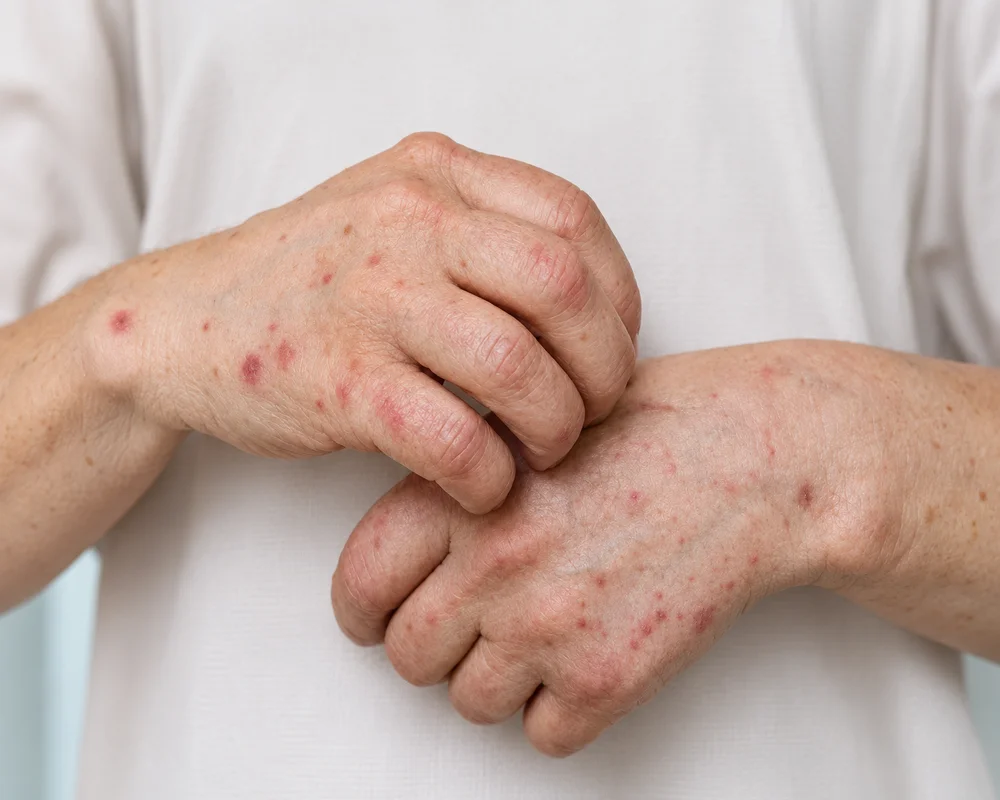
Rash Appearance on Darker Skin Tones
On darker skin, a lupus rash often looks darker than the surrounding skin rather than bright red. Rosacea can appear dusky brown or purple instead of pink, and people with darker skin tones can get rosacea while the early signs go unnoticed or get mistaken for another condition.
These color changes are harder to see, so doctors may rely more on history and testing.
Can Lupus and Rosacea Occur Together
A person can have both lupus and rosacea at the same time. Having one condition does not rule out the other. This overlap is one reason a professional diagnosis matters.
What Is Acne Rosacea
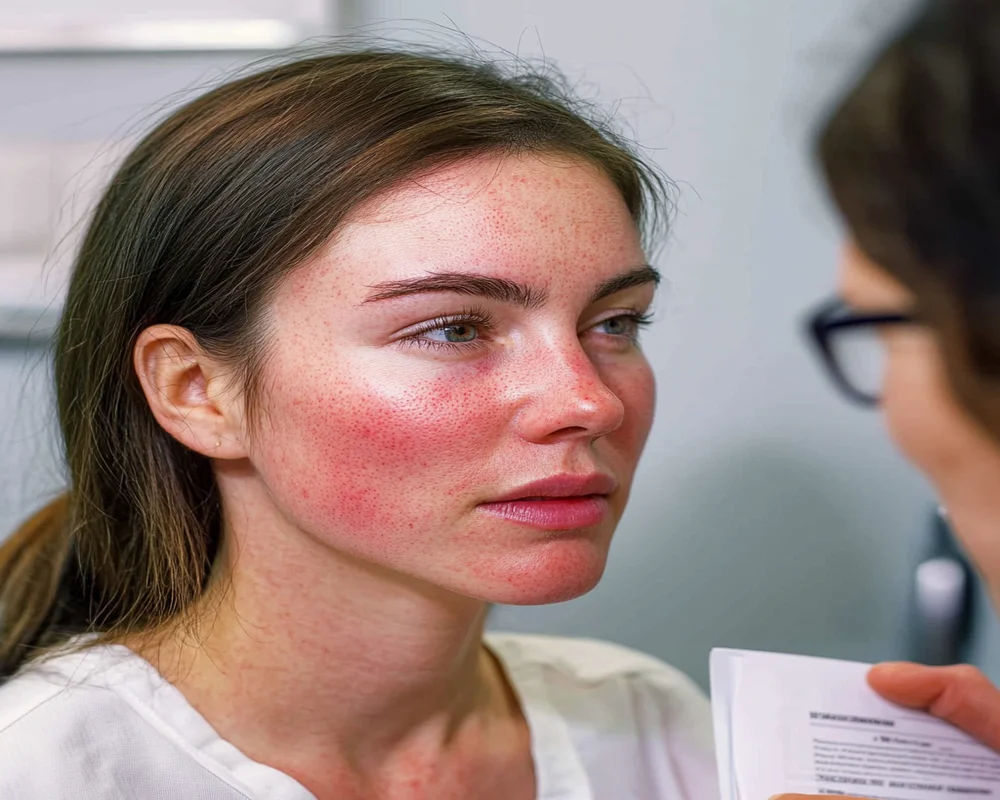
Acne rosacea is an older name for papulopustular rosacea. It causes redness with small bumps and pus-filled pimples on the central face. The bumps can look like acne, but the cause is different.
Rosacea Subtypes and Symptoms
The classification of rosacea describes four main subtypes:
- Erythematotelangiectatic: redness, flushing, and visible blood vessels.
- Papulopustular: acne-like bumps on the central face.
- Phymatous: thickened skin, often on the nose.
- Ocular: dry, irritated, or gritty eyes.
About half of people with rosacea have a flare-up that affects the eyes, according to the AAD page on rosacea signs and symptoms. Subtypes can overlap, so one person may show features of more than one. To see how each symptom is managed, read this guide to rosacea symptoms and treatment.
Rosacea Causes and Triggers
The exact cause of rosacea is unknown, as the guide all about rosacea states. Genetics and an overactive immune response likely play a role. In a rosacea triggers survey of 1,066 patients, sun exposure, emotional stress, and hot weather were the most common triggers. Alcohol and spicy food also set off flares for many people.
What Is a Face Rash in Lupus
A face rash in lupus is a sign that the immune system is attacking healthy skin. The most common pattern is the malar rash across the cheeks and nose, which affects about half of people with lupus, according to the Lupus Research Alliance. It can flare with sun exposure and may last for weeks.
Malar and Discoid Rashes
The malar rash is flat or raised and often spares the creases beside the nose. The discoid rash is disc-shaped and scaly, and it can appear anywhere on the body. Discoid lesions may cause scarring, as the AAD explains in lupus and your skin: signs and symptoms.
Can a Lupus Rash Resemble Acne
A lupus rash usually does not cause the pus-filled bumps seen in acne rosacea. It may itch or burn, which rosacea rarely does, as the AAD notes in its lupus overview. These differences help separate the two.
Top 5 Signs of Lupus
Lupus affects more than the skin, and the CDC lists its common signs and symptoms. Five common signs are:
- Extreme fatigue that rest does not fix.
- Joint pain and swelling.
- A butterfly-shaped face rash.
- Low-grade fever.
- Sensitivity to sunlight.
The Office on Women’s Health also describes lupus symptoms such as fever, rashes, and light sensitivity.
Lupus Causes and Risk Factors
Lupus is an autoimmune disease linked to genetics, hormones, and environmental triggers like UV light. It is most common in women between the ages of 15 and 44. Certain medicines can cause drug-induced lupus, which often improves after the drug stops.
How Doctors Diagnose Each Condition
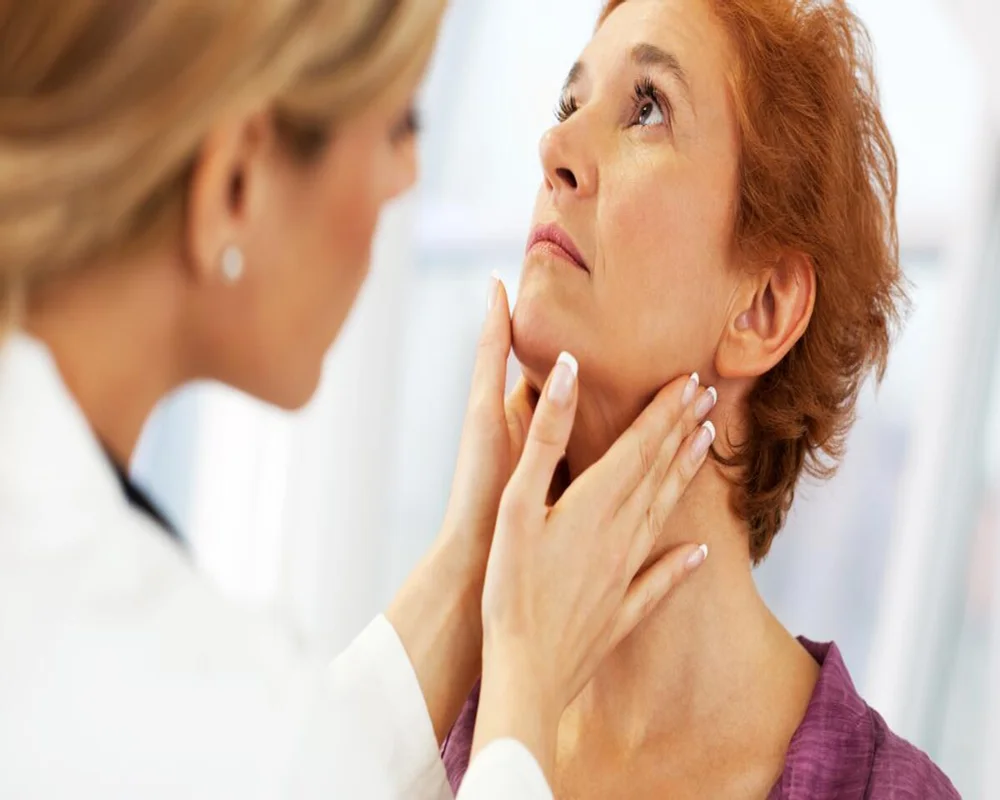
No single test confirms lupus or rosacea. As the NIH’s NIAMS explains, lupus can be hard to diagnose because symptoms come and go and can mimic other conditions. Doctors review the rash, ask about symptoms, and consider other organs.
Exam, Blood Tests, and Biopsy
A dermatologist diagnoses rosacea through a skin exam. For suspected lupus, blood tests such as the antinuclear antibody test check for autoantibodies. A skin biopsy can confirm cutaneous lupus when the diagnosis is unclear.
Doctors also use a checklist of 11 features to support a lupus diagnosis. The list includes a malar rash, a discoid rash, sun sensitivity, mouth sores, arthritis, and a positive antinuclear antibody test. Meeting at least four of the 11, along with lab results, supports the diagnosis.
The checklist is a tool for doctors, not a self-test, and rheumatology societies in the United States and Europe have published newer criteria.
Can Lupus Be Misdiagnosed as Rosacea
Yes. Mild lupus with a butterfly rash can be mistaken for rosacea. Because untreated lupus can progress, a correct diagnosis protects more than the skin.
What Can Be Assessed Remotely
A dermatologist can review clear skin photos and your symptom history to narrow the options. DermOnDemand works fully online, so it can assess visible signs and recommend follow-up testing when lupus is a concern. Blood work and a biopsy still require in-person steps.
Treatment and Sun Protection
Rosacea Treatment
Rosacea treatment focuses on controlling symptoms. The AAD guide to rosacea diagnosis and treatment says a dermatologist builds a plan for each person. Medicines for acne-like breakouts include topical creams such as metronidazole or azelaic acid, and some people also take oral antibiotics.
There is no cure, but most cases are manageable.
Lupus Treatment
Lupus has no cure. Doctors often prescribe hydroxychloroquine to limit flares, along with topical steroids for the rash. Severe cases may need stronger immune-suppressing medicine.
Sun Protection and Daily Care
Sunlight can trigger both conditions. Daily broad-spectrum sunscreen of SPF 30 or higher helps. Hats and protective clothing add another layer of defense. For rosacea, a dermatologist-recommended skincare routine for rosacea can also limit irritation.
When to See a Doctor
See a doctor if you have a new butterfly-shaped rash, especially with fever, joint pain, or fatigue. Persistent facial redness or eye irritation also deserves a professional review, since rosacea can cause eye problems that need treatment. Early evaluation helps rule out lupus and protects your skin and vision.
If you would like a dermatologist to review your concern, you can start treatment online.