
Patch adhesive can pull at the upper layer of skin during removal, which may cause redness, tearing, delayed healing, or marks. If you do use a patch, choose a plain hydrocolloid patch without salicylic acid, benzoyl peroxide, tea tree oil, or exfoliating ingredients.
Apply it only to a whitehead or moist pimple area, and avoid applying it to dry, peeling, irritated, bleeding, or severely purging skin. DermOnDemand provides this guidance as general educational information, and your prescribing clinician should guide patch use based on your dose, side effects, and skin condition.
Key Takeaways
- Plain hydrocolloid pimple patches may be safe on Accutane only if the skin is intact, calm, and not peeling.
- Accutane, also called isotretinoin, can make skin drier and more fragile, so patch removal may cause irritation or marks.
- Medicated pimple patches with salicylic acid, benzoyl peroxide, tea tree oil, or exfoliating ingredients may be too irritating during treatment.
- Pimple patches work best on surface pimples with visible fluid. They usually do not help deep cystic acne.
- Stop using a patch if the area burns, stings, bleeds, or looks more inflamed after removal.
When Pimple Patches May Be Safe
You may be able to use pimple patches while on Accutane if the patch is plain hydrocolloid and the skin is not cracked, bleeding, peeling heavily, or painful. Hydrocolloid patches cover a surface pimple, absorb fluid, and help stop you from touching or picking at the area. They do not replace your acne treatment plan.
Many people still use the name Accutane when they mean isotretinoin. Accutane was a brand name, but isotretinoin is the active ingredient used in current generic versions. The skin-care guidance in this article applies to isotretinoin treatment unless your dermatologist gives different instructions.
Plain patches are usually less risky than medicated patches. Medicated patches may contain salicylic acid, tea tree oil, benzoyl peroxide, or other active ingredients. These ingredients can increase dryness, redness, stinging, or peeling when your skin is already sensitive from Accutane.
Why Accutane Makes Skin More Sensitive
Accutane treats acne by reducing oil production, clogged pores, and inflammation. Isotretinoin also reduces the size and activity of the sebaceous glands, which are the oil-producing glands involved in acne. Less oil can help with severe acne, but it can also make the skin’s outer layer drier and more prone to irritation, especially as oily skin changes during isotretinoin treatment.
Dryness is one of the most common side effects of Accutane. Dry skin, chapped lips, dry eyes, and nasal dryness may occur during treatment. When skin peels, a patch may adhere to loose skin rather than just covering the pimple.
The skin barrier is the outer layer that helps hold moisture in and keep irritants out. During Accutane treatment, this barrier may become more fragile because the skin has less oil and more dryness. A patch can add pressure and adhesive contact to skin that already feels tight, sore, or reactive.
Isotretinoin can also make skin more sensitive to sunlight for some patients, and some people may notice redness during isotretinoin treatment as dryness and irritation increase. This can make redness, dryness, and irritation feel worse after sun exposure. Daily sunscreen and gentle skin care can help support the skin barrier while the medication is active.
Which Pimple Patches Are Safer?
The safest patch choice during Accutane is usually a plain hydrocolloid patch without added acne actives, fragrance, essential oils, or exfoliating acids. Patch type matters because not all pimples are the same. A small whitehead with visible fluid is different from a deep, painful bump under the skin.
Plain hydrocolloid patches work best for surface pimples that have come to a head. They form a cover over the pimple, absorb fluid, and reduce touching. They do not treat the full acne process inside the pore.
Medicated acne patches pose a higher risk during Accutane. They may contain salicylic acid, benzoyl peroxide, tea tree oil, or similar actives. Adding these ingredients under an occlusive patch can increase irritation because the product stays concentrated against sensitive skin.
Microneedle patches may also be irritating during Accutane. They use tiny dissolving points to deliver ingredients into the upper layers of the skin. Avoid them unless your dermatologist approves them, especially if your skin feels thin, sore, or inflamed.
Use hydrocolloid patches for surface pimples with visible fluid, not deep cysts. A pustule has visible fluid near the skin’s surface, while cystic acne lies deeper and often feels painful, firm, or swollen. A patch can absorb surface fluid, but it cannot drain or resolve a deep cyst.
How to Treat Pimples while on Accutane
Treating pimples while on Accutane requires a gentler approach than treating acne before Accutane. The medication already targets acne internally, so adding too many topical products can create more irritation than benefit. Your goal should be to protect the skin while your prescribed treatment works.
A simple routine often works best. Use a gentle cleanser, a non-irritating moisturizer, sunscreen during the day, and lip balm as needed. Ask your prescriber before adding any spot treatment, peel, scrub, or acne patch with active ingredients.
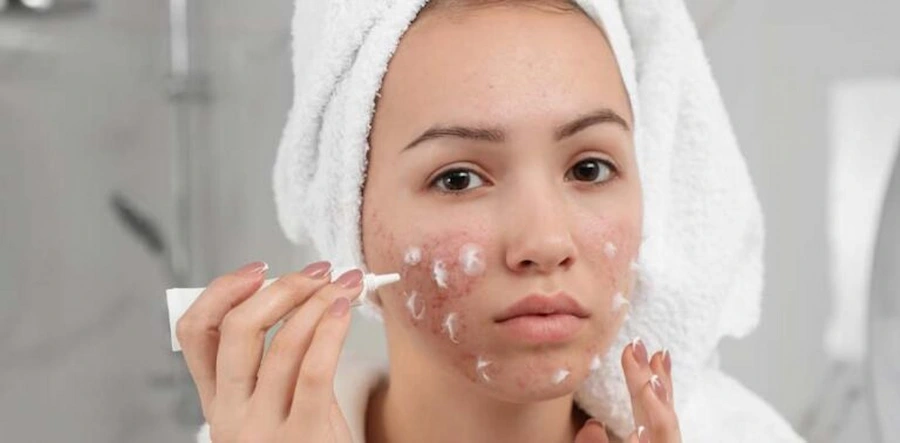
You should avoid popping pimples on Accutane. The skin may be drier and more prone to injury, so squeezing can cause bleeding, crusting, an increased risk of infection, or longer-lasting marks. Picking is especially risky with cystic acne because squeezing often damages the surrounding skin without draining the bump.
What Not to Use while on Accutane
Many acne treatments outside of Accutane may be too harsh during treatment. This does not mean they are bad products. It means your skin’s tolerance changes while isotretinoin is active in your system.
This section focuses on skin-care products and pimple patches, but Accutane safety also includes broader medical guidance. Your prescribing clinician may provide instructions regarding sun exposure, alcohol, pregnancy prevention, blood tests, mood changes, exercise-related discomfort, and cosmetic procedures, as monitoring can vary by patient.
Avoid these products unless your dermatologist tells you otherwise:
- Salicylic acid, because it can increase dryness and peeling.
- Benzoyl peroxide, because it may worsen burning or irritation.
- Topical retinoids, because isotretinoin is already a systemic retinoid.
- Exfoliating acids, because they can weaken an already sensitive skin barrier.
- Physical scrubs, because they can create small skin injuries.
- Drying masks and alcohol-heavy toners, because they can leave skin tight, red, or inflamed.
- Medicated pimple patches, because they may contain active ingredients that stay concentrated under the patch.
How to Use Patches Safely
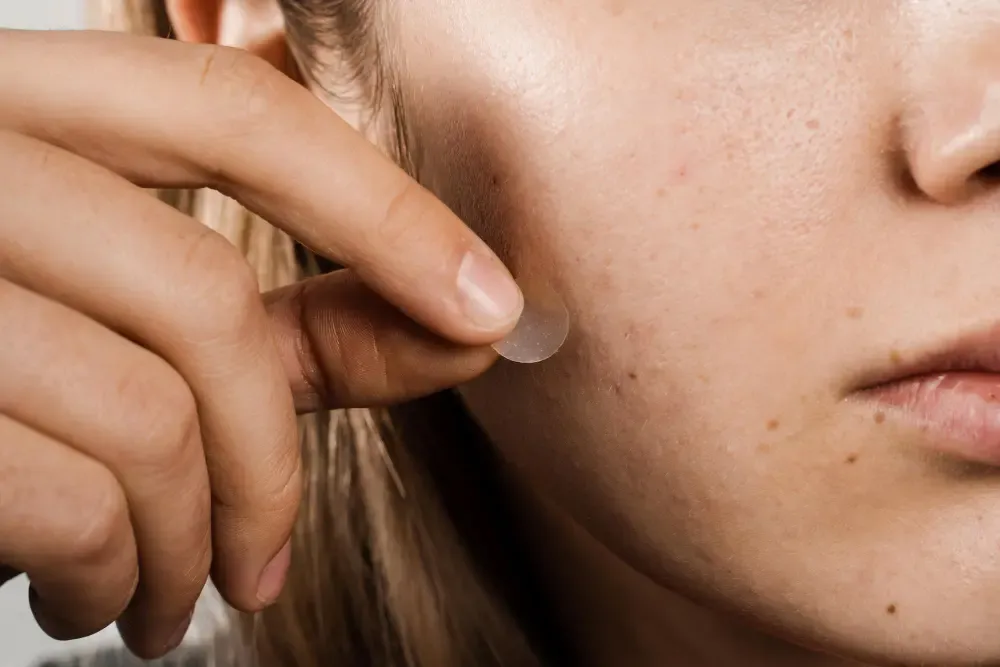
If you use pimple patches while on Accutane, use them sparingly and watch how your skin responds. Start with a plain hydrocolloid patch on a small, intact pimple. Do not use patches over wide areas of dryness, peeling, or irritation.
Follow these steps:
- Check the skin first. Make sure the area is closed, calm, and not bleeding. Do not apply a patch to cracked, raw, freshly picked, painful, or scabbed skin.
- Choose a plain hydrocolloid patch. Avoid medicated patches with salicylic acid, benzoyl peroxide, tea tree oil, or exfoliating ingredients. These can irritate Accutane-treated skin.
- Cleanse gently. Wash the area with a mild cleanser and avoid scrubbing. Pat the skin dry before applying the patch.
- Apply the patch lightly. Place it only over the pimple. Do not press hard, especially if the surrounding skin feels tight, sore, or sensitive.
- Remove it slowly. Peel the patch off gently. If it feels stuck, soften the edge with a small amount of water before removing it.
- Check for irritation. Stop using patches if the area burns, stings, itches, bleeds, or becomes redder. Let the skin heal with gentle care before trying another patch.
If irritation keeps returning, ask your dermatologist whether patches fit your current acne treatment plan.
When to Ask Your Dermatologist
Ask your dermatologist before using pimple patches if your acne is severe, painful, cystic, or slow to heal. You should also ask if your skin cracks, bleeds, burns, reacts to basic products, or develops skin rashes during isotretinoin treatment. These signs may mean your routine needs adjustment.
Isotretinoin often requires medical monitoring because dose, side effects, lab testing, and pregnancy-prevention requirements can vary by patient. Your dermatologist may adjust your routine based on dryness, irritation, acne severity, or treatment response. General patch advice should not replace the plan given by the clinician managing your medication.
For personalized next steps, you can start an online dermatology visit for acne treatment.