No, Accutane is not strictly permanent, but many patients achieve long-term remission after a full, properly dosed course. Results depend on acne type, cumulative dose, hormones, and follow-up care, so outcomes vary by person.
The honest answer to “Is Accutane Permanent” is that it often delivers multi-year control rather than a guaranteed lifelong cure. Maintenance skincare and timely check-ins help extend results, and a second course may be considered if there is meaningful relapse.
At DermOnDemand, we explain what truly lasts and what can return after isotretinoin. Led by Dr. Hanna Kopelman, this guide outlines long-term results, relapse risk, and when to follow up.
Key Takeaways
- Accutane delivers long-term control for many people with moderate to severe acne, but its effects are not always permanent.
- The medication reduces sebaceous gland size and oil production, with some of these changes lasting for years after treatment.
- Relapse can occur when hormone levels, lifestyle factors, or cumulative dose limit the durability of results, but early maintenance care helps extend the duration of results.
- Common side effects, such as dry skin, usually resolve after therapy, while severe adverse reactions are uncommon under medical supervision.
- Regular follow-ups with a dermatologist ensure ongoing skin health and help decide whether maintenance therapy or a second course is needed.
Is Accutane Permanent for Acne?
Accutane can deliver long-term control for many patients with moderate to severe or cystic acne. It reduces breakouts by shrinking the activity of sebaceous glands and limiting the oil that fuels clogged pores.
Some patients remain clear for years, while others need maintenance or a second course. Your baseline severity, hormones, and adherence all influence durability.
Accutane is not a guaranteed permanent cure. Acne is a biological condition influenced by multiple factors, including genetics, hormones, and lifestyle. When these inputs shift, breakouts can return. A clear plan for maintenance and monitoring helps you protect your gains over time.
How long do Accutane results last?
Most patients see their best clearance during the last month of therapy and in the months after finishing a full course of Accutane. Many stay clear for one to several years. Durability improves when the cumulative dose aligns with clinical targets and when patients remain consistent with basic skincare and risk-reduction practices.
Clearance can fade if hormones change or if you stop supportive care. If you see early signs of new whiteheads or deeper nodules, document timing and frequency. Simple steps, such as non-comedogenic moisturizers, gentle cleansers, and targeted topicals, help extend results.
Why do results vary between patients?
Skin biology is personal. Differences in oil glands, hormone fluctuations, and how your skin cells shed can change outcomes. Some people respond quickly because their follicles are sensitive to changes in sebum. Others need more time or a higher cumulative dose to calm inflammation and reduce oil production.
Lifestyle, stress, and medical conditions also matter. Sleep, diet patterns, and mental health influence inflammation and adherence. Share changes in medications, supplements, or menstrual cycles with your dermatologist so the plan stays accurate.
When acne returns after treatment
Relapse can appear as small comedones or as tender nodules months or years later. Early intervention works best. Track frequency and distribution, then check in for guidance.
Many patients control mild recurrences with topical retinoids, benzoyl peroxide, or short antibiotic courses. A second isotretinoin cycle is considered when flares persist or the risk of scarring rises.
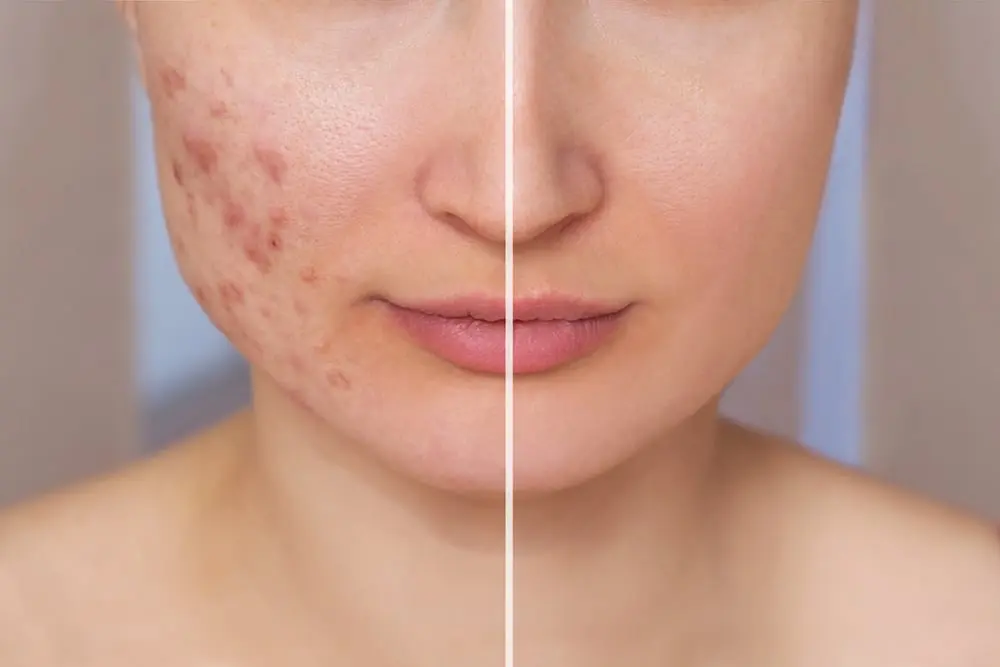
Does Accutane Permanently Shrink Oil Glands?
To understand how isotretinoin works at a cellular level, review the Accutane mechanism of action and its targeting of oil gland activity during therapy. Isotretinoin reduces gland size and activity during treatment, lowering sebum production and making pores less likely to clog.
It is not permanent for everyone – gland activity can partially rebound over time, especially with hormonal shifts or lower cumulative dosing. Ongoing skincare and timely follow-up help maintain control and catch early signs of increased oil.
How Accutane affects gland size
During treatment, sebaceous glands become smaller and less active. These changes are a key reason the medication is a highly effective acne treatment that resists other options.
Follicles shed more evenly, so debris does not build up. With less oil, acne bacteria have fewer resources. This multi-step impact explains why isotretinoin works when topicals and oral antibiotics have failed.
Are Accutane’s Effects Permanent?
When people ask if isotretinoin is permanent, they often mean overall body and skin changes. Some effects are long-lasting, such as lower average sebum output in many patients. Other effects fade once the drug clears. Your dermatologist helps separate expected changes from warning signs.
Lasting skin changes
Many patients notice finer texture, fewer deep clogs, and calmer redness after therapy. These reflect improved follicle function and more even skin cell turnover.
Scars will not vanish, but fewer new lesions reduce future scarring. Long-term improvements are most significant when you protect the skin barrier and avoid harsh irritants.
Accutane permanent side effects
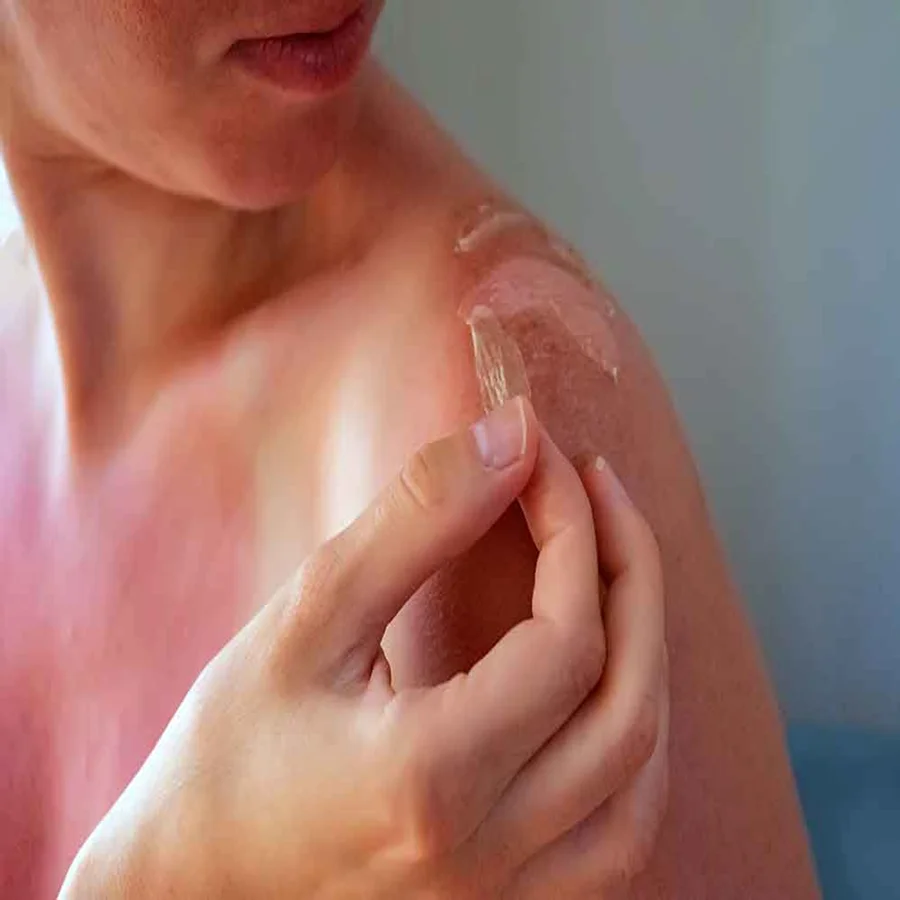
Most effects during therapy are temporary and fall under Accutane’s permanent side effects, such as dry skin, chapped lips, and light sensitivity. Rare events can occur, so you should report new symptoms promptly.
Your care plan will balance benefits and risks with precise monitoring. Medical supervision reduces risk and keeps your skin health on track.
What returns to baseline afterward
Mucosal dryness fades after the drug leaves your system. Lab values monitored during therapy usually normalize. If you notice persistent symptoms that affect daily life or mental health, contact your dermatologist. Early assessment protects safety and supports a fast pivot in care.
What Shapes Long-Term Results
Durability depends on a few core drivers that you can track and optimize with your care team. Knowing these factors helps you set expectations and choose the proper follow-up steps.
Acne severity and type
Types of acne respond differently. Patients with deeper nodules and scarring often benefit most, as isotretinoin targets the pathways underlying cystic acne.
Those with primarily blackheads and whiteheads may need more attention to topical maintenance to prevent minor clogs from returning. Learn more about the relationship between Accutane and oily skin and how oil control influences relapse risk.
Cumulative dose and treatment adherence
Achieving an appropriate cumulative dose is associated with prolonged remission. Skipping doses or stopping early can lower durability. Your plan will account for weight, tolerance, and lab results. Consistency with appointments, skincare, and sun protection supports better outcomes.
When a Second Course Helps
A second cycle can restore control if breakouts recur and impact quality of life. Decisions focus on pattern, severity, and risk of scars. Many patients do well with targeted maintenance and never need another course. Others improve faster when retreatment closes the gap.
Signs of relapse
Watch for recurring painful nodules, clusters that leave marks, or rapid cycles of inflammation. Note locations, triggers, and menstrual timing if relevant. If you see these signs, schedule a consultation so your dermatologist can confirm the pattern and advise the next step.
How dermatologists evaluate next steps
Your clinician reviews relapse frequency, photos, and past dose. They consider alternative or adjunct options before another isotretinoin cycle. These may include spironolactone in appropriate patients, topical retinoids, light therapies, or short oral regimens. The goal is effective treatment with the lowest risk profile that fits your life.
Long-Term Care After Accutane
Good habits extend results and protect the barrier your skin needs to stay calm. Small, steady steps beat drastic routines. Keep products simple and avoid over-exfoliation.
Maintenance treatments
Topical retinoids help keep follicles clear. Benzoyl peroxide reduces bacteria without driving resistance. In some cases, short courses of anti-inflammatory topicals maintain clarity. Your plan may also include targeted products that reduce oil production in areas that get shiny by midday.
- Choose a gentle, fragrance-free cleanser twice daily.
- Use a light, non-comedogenic moisturizer to support barrier repair.
- Apply broad-spectrum SPF each morning to protect healing skin.
- Reintroduce active ingredients slowly to avoid irritation.
Daily habits that support clear skin
Limit pore-clogging cosmetics and remove makeup entirely each night. Clean pillowcases and phone screens reduce friction and residue. Manage stress with regular sleep and movement. Nutrition patterns that favor balanced meals and hydration support skin balance, although no single diet cures acne.
When to Follow Up With a Dermatologist
Stay proactive. Early check-ins keep small flares from becoming larger setbacks. Expert guidance saves time and reduces guesswork.
Breakouts months or years later
If you notice new clusters that persist for several weeks, reach out. Photos help your dermatologist compare patterns and decide if topicals, short courses, or procedures will help. Acting early prevents new scars.
Changes in oiliness or texture
A sudden increase in shine or roughness can signal a shift in oil glands or a change in product tolerance. Your plan may be adjusted to include lighter moisturizers, different cleansers, or targeted actives. Personalized care helps maintain steady results and supports overall skin health.
Safety Essentials During and After Therapy
Isotretinoin requires careful safety steps. These protect you during treatment and set you up for strong results afterward.
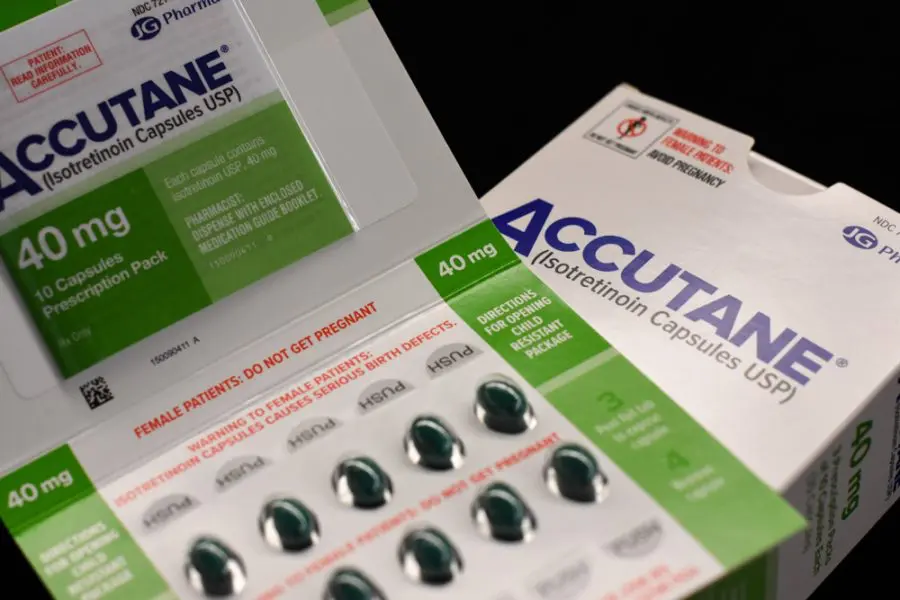
- Patients who can become pregnant must complete pregnancy tests on the required schedule.
- Avoid pregnancy during therapy because isotretinoin can cause congenital disabilities.
- Share all medicines and supplements with your dermatologist to avoid interactions.
- Use sun protection and protective clothing to reduce sensitivity.
These rules are not optional. They keep acne treatment both effective and safe over time.
Practical Expectations and Planning Tips
Set clear goals at the start and review them at each check-in. Track photos monthly so you can see trends that are not obvious day to day. Keep a short list of products that work for you, and another list of products that irritate you. This makes future decisions faster and more precise.
Discuss work, school, sports, and social plans with your dermatologist before you begin. Planning around significant events can reduce stress.
Share any changes in mood or sleep so your clinician can support your mental health while you complete therapy. Minor adjustments often solve small problems before they grow into bigger ones.
How DermOnDemand Supports Your Journey
DermOnDemand connects you to board-certified dermatologists for private, fast guidance. Dr. Hanna Kopelman leads care oversight with a focus on safety and clarity. The team evaluates your history, examines photos, and builds a plan that respects your schedule.
If you are considering Accutane treatment or you see signs of relapse, schedule a consultation so you can act quickly and confidently.