Low-dose Accutane is a lower-intensity isotretinoin plan that aims to clear acne with fewer side effects while maintaining effectiveness. With low-dose Accutane, doctors tailor the daily dose – often 10–40 mg – to your body weight, skin response, and goals.
Most people see less oil and fewer breakouts within 2–4 weeks, then steadier gains over the following months. Common issues like dry lips can occur, so follow skincare guidance and lab monitoring. This approach is suitable for mild to moderate acne and select cases of rosacea when you work with a board-certified dermatologist.
DermOnDemand offers fast, private access to prescription dermatology with board-certified experts. Under the guidance of Dr. Hanna Kopelman, we explain how low-dose Accutane works, who benefits, and what results to expect so you can choose a safe, effective plan.
Key Takeaways
- Low-dose Accutane uses smaller daily amounts of isotretinoin to clear acne effectively while reducing common side effects such as dryness and fatigue.
- Typical doses range from 10–40 mg per day, adjusted by a board-certified dermatologist based on body weight, skin type, and treatment goals.
- This approach benefits patients with mild to moderate acne or rosacea who want steady progress and minimal discomfort.
- Results usually appear within 2–4 weeks, with a smoother texture and fewer breakouts as oil production decreases.
- Ongoing dermatologist monitoring ensures safety, correct dosing, and sustained long-term improvement after treatment.
How Low-Dose Accutane Works
Low-dose isotretinoin uses lower Accutane doses than standard doses to control acne while aiming for fewer side effects. The medication shrinks the oil glands and reduces inflammation in the follicles.
Many patients see steadier progress with improved tolerability, which supports adherence. This approach fits busy schedules and minimizes treatment interruptions.
Typical dosing ranges
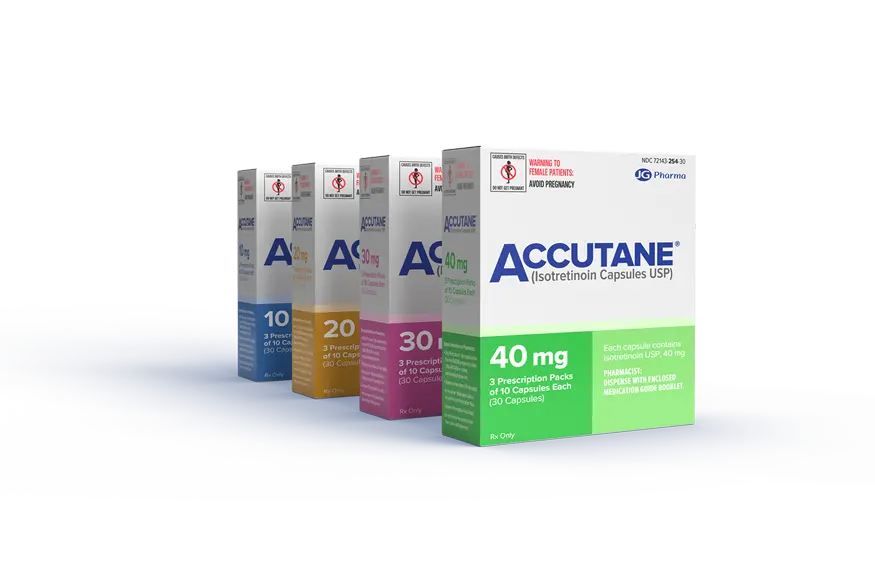
Typical options include 10 mg, 20 mg, or 40 mg per day, adjusted by response and body weight. Some plans use three to five days per week to limit dryness and other common Accutane side effects.
The proper dose regimen depends on breakout pattern, sensitivity, and prior therapies. Your clinician adjusts the schedule as your skin improves.
How does the low dosage of Accutane compare to standard courses
Compared with standard doses, a low dose of Accutane aims for a similar endpoint with a gentler path. You may need more weeks of therapy, but day-to-day comfort is often better.
Many patients prefer a plan that they can maintain without frequent pauses. Your dermatologist weighs speed, durability, and tolerability when recommending Accutane treatment.
Who Should Consider Low-Dose Accutane
Low-dose protocols suit people who want control with fewer disruptions from dryness or fatigue. They also help those who previously stopped isotretinoin due to side effects. Your medical history, lab values, and acne severity guide the decision. You should consult a board-certified dermatologist to confirm fit and safety.
Low-dose Accutane for mild acne
For mild to moderate acne that resists topical or antibiotic treatments, lower daily dosing can be a game-changer. Patients often see fewer new lesions and less oil within several weeks. Flare patterns soften, and red marks fade with consistent care. The approach supports school, work, and travel plans with fewer symptoms.
Low-dose Accutane for rosacea
Some dermatologists use low doses of isotretinoin for phymatous or treatment-resistant rosacea. The medication reduces oil and thickening while calming inflammatory bumps. Careful monitoring prevents excess dryness and irritation. Your doctor will pair it with gentle skincare to protect the barrier.
Expected Results and Treatment Timeline
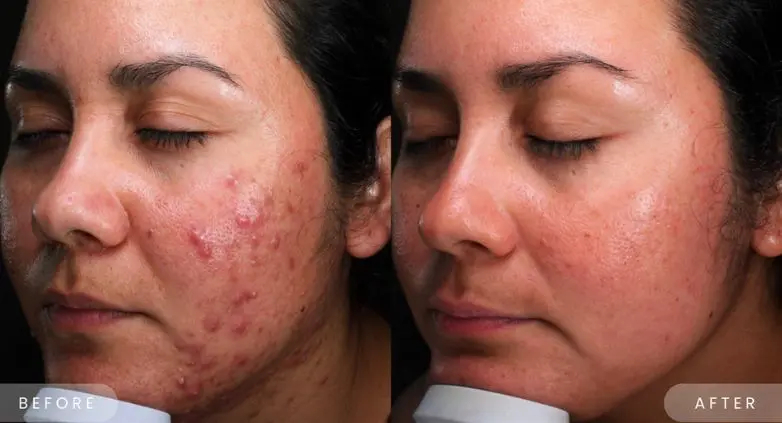
Most patients notice less shine and fewer breakouts in the first month, as seen in studies about Accutane and oily skin. Texture and marks improve as inflammation declines. Results build gradually with continued adherence. Your provider sets clear milestones and adjusts your plan as needed.
What improvements to expect
You can expect fewer inflammatory papules and nodules, less oil, and a smoother complexion. Makeup sits better and lasts longer during the day. The number and intensity of flares decrease, lowering the risk of scarring. Consistent use and follow-up drive these gains.
How quickly results appear
Early changes often appear in 2–4 weeks, with clearer skin through months 2–3. Deeper lesions and red marks take longer to settle. Your plan may continue until sustained control is achieved. Your clinician balances speed with comfort for steady progress.
Safety and Side Effects at Low Dose
Low-dose plans aim to reduce potential side effects while keeping efficacy. Dryness remains the most common issue and is manageable with routine care. Baseline labs and periodic checks protect safety. Tell your clinician about symptoms early so adjustments can be made.
Why are side effects often milder?
Lower daily exposure decreases mucocutaneous dryness, fatigue, and lab shifts. Because the dose is smaller, the body adapts with fewer peaks. Pairing hydration strategies and barrier-supporting products helps even more. Many patients finish therapy with minimal downtime.
Low-Dose Accutane vs High Dose
Both strategies use the same active medication with different intensities. Higher daily totals can move faster but may be harder to tolerate. Lower doses favor comfort and continuity. Your dermatologist chooses based on goals, health factors, and past response.
Differences in outcomes
High-intensity plans often reach endpoint sooner, while lower plans build stability over time. With careful planning, both routes can lead to durable control. The key is matching the protocol to your skin and life. Clear expectations set the stage for success.
Differences in side effects
Higher daily amounts may lead to increased dryness, chapped corners of the mouth, and fatigue. Low-dose plans still cause dry lips and mild irritation, but often at lower intensity. Hydration, barrier repair, and sunscreen remain essential in either case. Your doctor will counsel on safeguards to keep you comfortable.
Long-Term and Extended Low-Dose Use
Some patients benefit from extended low-dose courses or intermittent micro-cycles. This can preserve gains in those with persistent oil production or frequent flares. Plans are individualized and anchored to labs and clinical response. Ongoing education supports safe, long-term care.
When longer courses make sense
Extended plans help patients who flare when they stop too soon. They also serve those with a high risk of scarring or highly active oil glands. Your clinician weighs the risks and your lifestyle to determine a duration. The goal is steady control with manageable dryness.
Safety considerations for extended use
Your provider will schedule labs, review medications, and check for pregnancy when applicable. They will watch for musculoskeletal symptoms and mood changes. If concerns arise, they adjust the dose, frequency, or pause briefly. Close follow-up protects health while maintaining results.
Practical Care Tips for Better Tolerability
- Use a gentle cleanser and a ceramide moisturizer twice daily.
- Apply SPF 30 or higher each morning.
- Keep lip balm at hand to prevent dry lips throughout the day.
- Avoid harsh scrubs and alcohol-based toners.
- Drink water regularly and consider a humidifier at night.
- Pause new activities until your skin settles.
When More Intensive Care Is Needed
If you have cystic acne or frequent nodules, you may need a temporary increase in treatment. Treating moderate to severe acne sometimes requires a higher phase before stepping down. Your clinician defines the target and sets checkpoints. A flexible plan keeps you moving forward.
How We Decide on Your Starting Dose
Dermatologists consider age, breakout pattern, sensitivity, and prior therapies. They also factor in body weight and daily routine when prescribing low doses. The first follow-up visit reviews comfort, dryness, and lab results. Small shifts early protect momentum later.
What to Expect From Your DermOnDemand Visit
You complete a secure intake with photos and history. A board-certified dermatologist reviews the case and builds treatment plans. You receive a clear dose regimen, skincare steps, and follow-up schedule. Prescriptions ship discreetly to your door for a fast start.
Evidence-Based Points to Remember
- Isotretinoin shrinks the oil glands and reduces inflammation.
- Outcomes depend on dose, duration, and adherence.
- Lower daily amounts often reduce common side effects.
- Mg/kg/day targets are tools, not strict rules at every visit.
- Practical skincare improves comfort and consistency.
- Stay in touch with your clinician to prevent setbacks.
Expert Oversight and When to Reach Out
Dr. Hanna Kopelman leads care standards that emphasize precision and safety. Message your care team if you experience unexpected symptoms or if you start new medications. Ask about labs, schedule tweaks, or product substitutions as needed. DermOnDemand supports timely answers to keep you confident.
Ready to Start With a Personalized Plan
If you want a steady, tolerable acne treatment with a dermatologist and expert oversight, low-dose can be a strong option. Submit your case, and our team will review photos, history, and goals. You will receive a clear plan with dosing, skincare, and follow-ups set to your life. Book today to start a plan that is built for results.