Many patients wonder, Do you have to get undressed at dermatologist appointments, especially before a skin check. At DermOnDemand, board-certified dermatologists like Dr. Alicia Atkins help you understand what’s necessary for a safe and thorough exam, without compromising privacy or comfort. This guide explains what to expect, how to prepare, and why disrobing may be part of protecting your skin health.
Key Takeaways
- You may need to undress for a full-body dermatologist skin check, but you can keep on your undergarments unless a specific concern requires further examination.
- A typical skin exam includes a head-to-toe inspection and may involve the use of a dermatoscope for closely examining moles or freckles.
- Preparing for your appointment includes wearing comfortable clothing, avoiding nail polish, and bringing any relevant medical history or prior skin biopsy reports.
- Annual skin screening is critical for early detection of skin cancer, especially if you have a personal or family history, sun-damaged skin, or a high number of moles.
- At DermOnDemand, dermatologists like Dr. Alicia Atkins provide expert-led, private care with personalized treatment plans delivered within 24 hours.
When You’ll Need to Undress at the Dermatologist
A full-body skin exam is often the best way to detect early signs of skin cancer or other conditions. To do this, your dermatologist may ask you to undress so they can check your entire skin surface, including areas not easily visible.
Whether you’ll need to undress depends on your medical history and the reason for your visit. If you’re coming in for an annual skin exam or have a history of skin cancer or suspicious moles, a full check is usually recommended.
Do You Get Fully Undressed for a Skin Check?
Not always. In most cases, you’ll undress to your undergarments and wear a gown. Your dermatologist will only examine areas based on your concerns and risk factors. If you’re coming in for one mole or issue, a limited exam may be enough.
Can You Wear Undies for a Full-Body Skin Exam?
Yes. You can wear underwear during your dermatologist skin check unless there’s a specific concern in that area. If something needs closer examination, your doctor will always ask first.
Do I Take My Bra Off at the Dermatologist?
If you’re having a full-body exam, removing your bra allows the dermatologist to examine the chest, under-breasts, and back—areas where skin cancer can develop. You’ll be given privacy to change and can request a female provider.
Will a Dermatologist Examine Private Areas?
Only if needed. Skin cancer can occur anywhere on the body. If you’ve noticed changes in intimate areas, inform your doctor. Otherwise, these areas are not examined unless medically relevant—and always with your consent.
How Privacy and Comfort Are Protected
At DermOnDemand, your comfort is a top priority. Exams are private, with clear communication throughout. You’ll be offered a gown and can decline any part of the exam. Dr. Alicia Atkins and her team are trained to make the process respectful and efficient.
What Happens During a Dermatologist Skin Exam
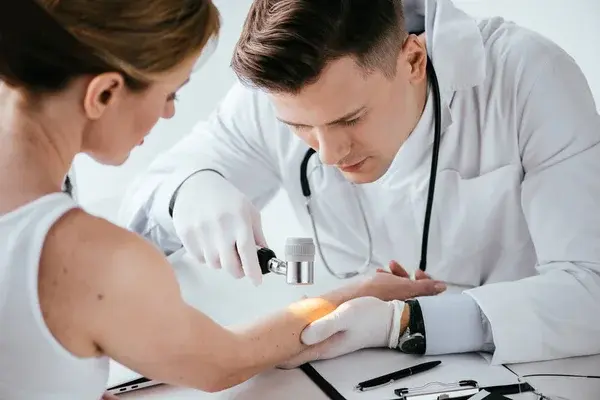
Your exam is tailored to your skin type, medical history, and concerns. A typical visit includes a head-to-toe inspection for unusual moles, freckles, rashes, or other skin changes. The goal is early detection of skin cancer or other skin conditions.
How Long Does a First Dermatologist Appointment Take?
Most visits last 15 to 30 minutes. A patient with a complex history, sun damaged skin, or higher risk factors may need more time. DermOnDemand streamlines this by allowing patients to complete pre-visit forms online.
Full Body Skin Exam With a Female Dermatologist
Many women prefer seeing a female provider. You can request a female dermatologist like Dr. Alicia Atkins, who is experienced in providing respectful, thorough exams for women of all backgrounds.
What to Expect as a New Patient
You’ll be asked about your medical history, including any family history of skin cancer or immune system conditions. Then your doctor will begin the skin check. They may use a dermatoscope to examine moles more closely. If needed, a biopsy can be done during the visit.
Full-Body vs. Targeted Exams: What’s the Difference?
A full-body exam checks your entire skin surface for signs of skin cancer. A targeted exam focuses on one area or concern, such as a specific mole or rash. Your dermatologist will recommend what’s best for your case.
How to Prepare for Your Appointment
Getting ready ahead of time helps ensure a smooth and efficient visit.
What to Wear When Seeing a Dermatologist
Wear comfortable clothes and avoid makeup or nail polish. Nail polish can hide changes under your nails—an important part of checking your skin. Remove jewelry if possible.
Before your exam begins, here are a few things to keep in mind. This will help you feel prepared and reduce uncertainty during your appointment.
- You may be asked to change into a gown for a full-body skin check.
- A board-certified dermatologist will examine your skin from head to toe.
- The exam may include areas you don’t typically see, such as your scalp or back.
- You can always ask questions or pause the exam at any time.
Knowing these steps ahead of time helps you feel more comfortable and ensures a smooth visit.
What to Bring to First Dermatologist Appointment
Bring insurance information, a list of medications, and any prior skin biopsy reports. If you’re tracking a specific mole, note when you first saw it and whether it’s changed.
Questions to Ask Before Your Visit
- Will I need to undress for my exam?
- Can I request a same-gender provider?
- Should I prepare differently with a history of skin cancer?
These questions help you feel more informed and reduce anxiety.
How to Stay Comfortable and Informed
You’re in control of the exam. Ask your provider to explain each step or skip parts you’re uncomfortable with. DermOnDemand ensures respectful, clear communication whether you’re online or in person.

Why Annual Screenings and Mole Checks Matter
Skin cancer is the most common cancer in the U.S., and often the most treatable when caught early. A dermatologist’s skin cancer screening helps protect your health.
What Is a Dermatologist Skin Cancer Screening?
It’s a visual check for unusual moles, spots, or patches. It helps with early detection of skin cancer and identifies signs of sun-damaged skin or precancerous changes. Those at high risk due to family history or sun exposure may need more frequent exams.
When to Schedule a Dermatologist Mole Check
Schedule a mole check if you notice:
- A new or changing mole
- Bleeding, itching, or pain
- Irregular shape or color
- Moles in hidden areas like the scalp or soles
People with a family history of skin cancer or many moles should get checked regularly. If you’re concerned about developing skin cancer, talk to your provider about your risks.
How Early Detection Can Save Your Life
Many types of skin cancer, including melanoma, are highly treatable when found early. Annual skin screening appointments improve your chances of catching issues early. Recognizing the signs of skin cancer and scheduling exams regularly is key to prevention.
Book Your Private Online Dermatology Consultation
With DermOnDemand, you can access expert care without waiting rooms or video calls. Complete a secure form, and Dr. Alicia Atkins or another board-certified dermatologist will review your case. You’ll receive a personalized skin care plan—often within 24 hours—designed to reduce your risks of skin cancer and keep your skin healthy year-round.