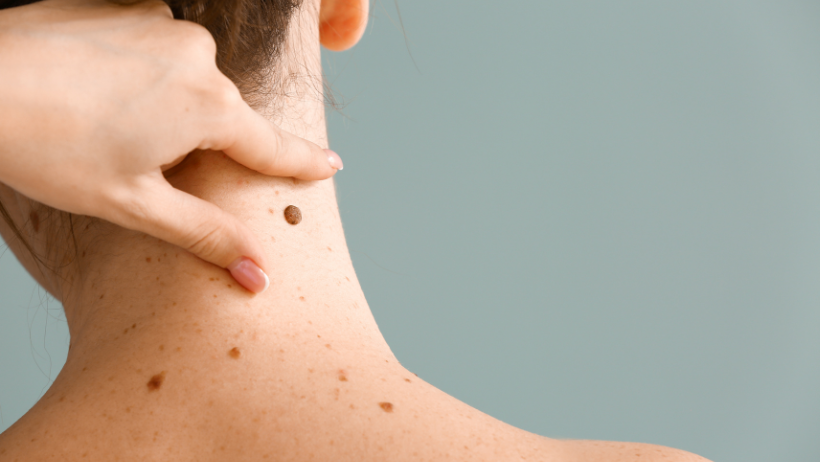
Embarking on a journey toward robust skin health begins with an appreciation and understanding of the critical role that full body skin examinations play in skin cancer prevention and early detection. Skin cancer, with its omnipresent global impact, inflicts millions annually. Yet, the silver lining emerges in the form of early detection, predominantly achieved through meticulous self-skin examinations, which significantly enhance the prospects of effective treatment and potentially circumvent the necessity for invasive procedures. This comprehensive guide seeks to navigate you through the methodical approach toward self skin examination, its recommended frequency, and the pivotal moments when professional intervention from a dermatologist becomes imperative.
The Impact and Necessity of Self Skin Examinations
Self-skin examinations transcend mere health practices, becoming acts of empowerment. They encourage an intimate familiarity with one’s own skin, guiding individuals to notice subtle deviations and changes that may indicate the initial stages of skin irregularities or cancer. Engaging in regular self-examinations not only facilitates early intervention but also actively diminishes the likelihood of engaging in more complex treatments for advanced skin cancer. Furthermore, these examinations nurture a proactive involvement in one’s health, fostering a preventative rather than reactive approach to skin wellbeing.
The frequency of self skin examinations should ideally be a reflection of individual risk factors and personal history. For those enriched with a family history of melanoma, a personal history of skin cancer, or a pronounced presence of moles, monthly examinations become the norm, ensuring the timely detection of any nuanced changes. Meanwhile, those with fewer risk factors might find a thorough examination every three to four months, perhaps marked by the shift of seasons, to be ample. Regardless of your risk status, establishing a symbiotic relationship with a dermatologist is crucial. Annual full-body skin examinations by a professional provide an additional layer of assurance and should be considered non-negotiable, potentially more frequent based on personal risk assessments and dermatologist recommendations.

Step-by-Step Guide to Self Skin Examination
- Choosing the Ideal Environment: Ensure solitude and opt for a room suffused with natural light or equipped with a well-illuminated mirror.
- Essential Tools: Arm yourself with a full-length mirror, a handheld mirror, and a structured checklist. A ruler or measuring tape can assist in tracking size fluctuations in moles or lesions, while a cellphone can document visuals for future reference.
- Thoroughness is Key: Ensure a complete examination by inspecting every inch of your skin, keeping in mind that skin cancer does not discriminate and can appear even in non-sun-exposed areas.
- The ABCDE Guide: Employ the ABCDE mnemonic to evaluate moles and spots: Asymmetry, Border irregularity, Color variation, Diameter (over 6 mm), and Evolution in appearance.
- Scalp, Nails, and Other Overlooked Areas: Use combing tools to scrutinize your scalp, examine nails and beds, and pay meticulous attention to both sun-exposed and hidden areas, like soles, palms, and genital regions.
- Photo Documentation: Snapshots of concerning areas can act as a valuable tool in monitoring any evolution in their appearance, shape, or size over subsequent examinations.
While self examinations serve as an invaluable tool in preempting skin cancer, they do not replace the nuanced expertise of a dermatologist. Any anomalies noticed – be they irregular moles, new formations, or alterations in existing skin formations – necessitate immediate consultation with a skin expert. This includes moles that adhere to any of the warning ABCDE signs, exhibit discomfort, or show irregularities like itching, bleeding, or crusting, as well as any new or rapidly evolving spots on your skin.
Embracing a routine of self skin examinations and marrying it with annual professional check-ups fortifies a proactive stance against skin cancer. Acknowledging when to seek professional help is paramount, ensuring that you’re not just an observer but an active participant in preserving your skin health. Through vigilance and timely expert consultations, your journey through skin health can be one of assurance, preemptive care, and sun-drenched adventures under the safeguard of knowledge and proactive care.