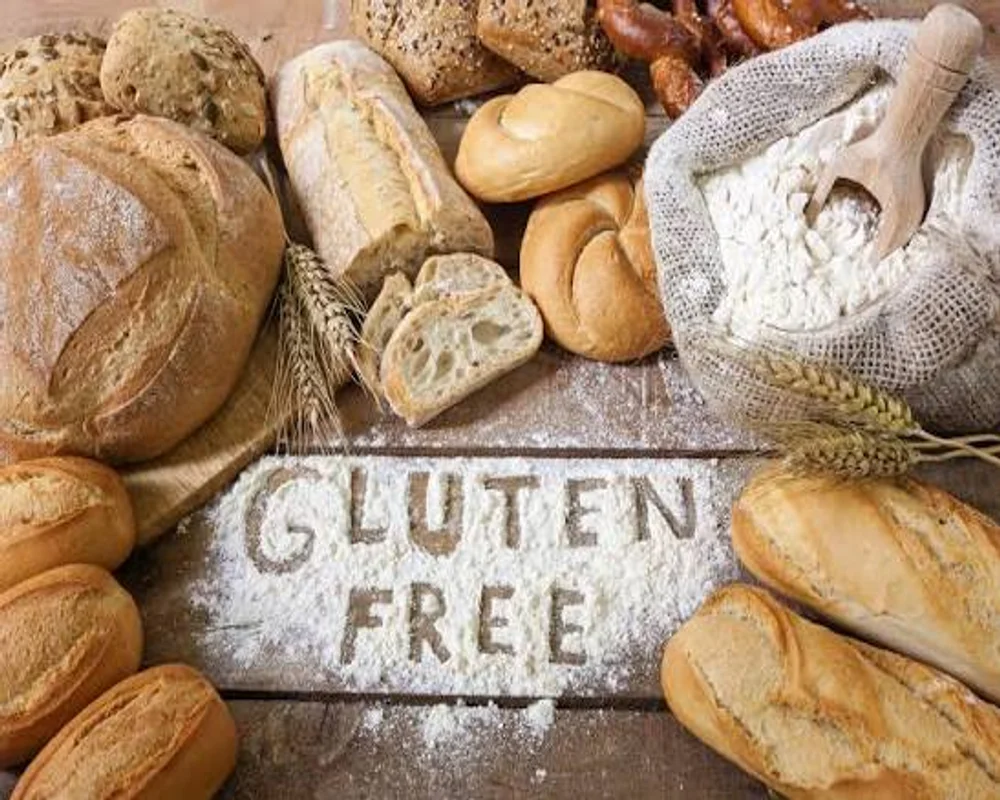
Dr. Alicia Atkins, a board-certified dermatologist with DermOnDemand, notes that food affects each patient differently.
Key Takeaways
- A gluten-free diet mainly helps people who have celiac disease or a gluten-related disorder, not most people with rosacea.
- Rosacea and celiac disease occur together more often than chance, but neither clearly causes the other.
- Testing for celiac disease should happen before you cut gluten, because the diet can make blood test results inaccurate.
- Diet changes work best as a trial, using a food diary and about two months to see what affects your skin.
- Sun, heat, and stress are common rosacea triggers, and treatment from a dermatologist can control symptoms even though diet alone cannot cure the condition.
Does Going Gluten-Free Help with Rosacea
Going gluten-free does not clear rosacea for most people. Rosacea is a chronic inflammatory skin condition with many triggers. A gluten-free diet helps mainly with a gluten-related disorder.
What the Research Shows
A 2021 review of diet and rosacea did not find gluten to be a common trigger. And some reviews call gluten’s effects outside celiac disease controversial. Reports of benefit are mostly anecdotal.
Can Gluten Cause Rosacea Flare-Ups and Facial Redness
Gluten can set off facial redness breakouts in those with celiac disease or a wheat allergy. The immune response to gluten drives inflammation. For everyone else, gluten is an unlikely cause of flushing.
Celiac Disease and Rosacea: The Link
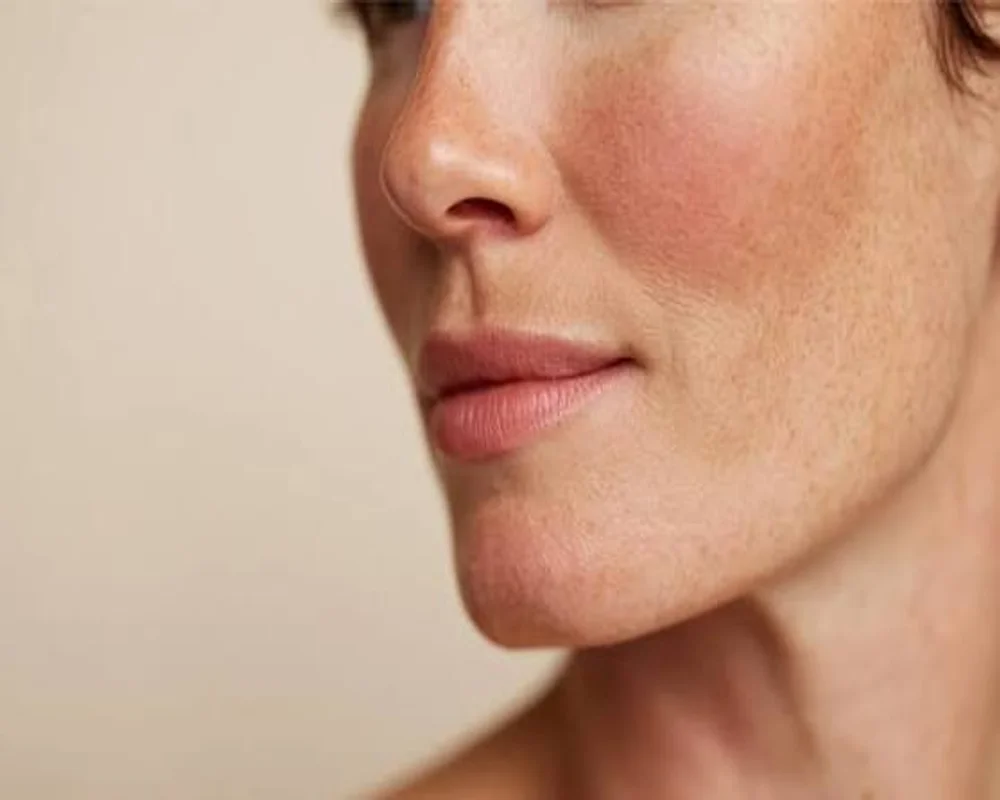
Celiac Disease and Rosacea appear to be connected, but one does not clearly cause the other. A Danish study of 6,759 patients found about double the odds of celiac disease, mainly in women. Absolute risk stays low, so rosacea does not mean you will develop it.
Shared Immune and Genetic Factors
The two conditions may share genetic and immune system factors. Rosacea shares genetic risk regions with autoimmune diseases such as celiac disease. This is an association, not proof of cause.
The Gut-Skin Connection
Studies linked rosacea to celiac disease, Crohn’s disease, ulcerative colitis, and irritable bowel syndrome. Researchers call this the gut-skin axis. It may explain why diet plays a role.
Rosacea and Gluten-Free: Who May Benefit
Rosacea and gluten-free diets work best together for one specific group. That group is people with a gluten-related disorder. Everyone else usually needs a different approach.
People with Celiac Disease
People with celiac disease benefit most from removing gluten, because it damages their gut and triggers an immune response. A gluten-free diet is the standard treatment. It may not clear rosacea completely.
People Without Celiac Disease
People who don’t have celiac disease usually see little change from cutting gluten. Without gluten intolerance, the diet offers no clear skin benefit. Tracking other triggers often works better.
What Is Non-Celiac Gluten Sensitivity
Some people react to gluten but test negative for celiac disease and wheat allergy, a pattern often called gluten intolerance. Doctors diagnose it only after celiac disease has been ruled out. Research has not shown that it causes rosacea.
How to Test a Gluten-Free Diet Safely
Get Tested for Celiac First
Ask your doctor for a celiac test before you cut gluten. Celiac blood tests need gluten in your diet to stay accurate. Remember to eat gluten for at least six weeks before testing.
Where Gluten Hides in Food
Gluten also hides in soy sauce, most beers, some sauces, and some sausages. Read labels every time, because hidden gluten can blur your trial results. A true gluten-free diet is hard to maintain, so plan simple swaps first.
Track Symptoms and Set a Trial Length
Keep a trigger journal of what you eat and when your rosacea symptoms change. Dermatologist Cynthia Bailey allows about two months for a gluten-free diet trial. If nothing changes, test another trigger.
Plan for Nutrient Gaps
A gluten-free diet can lower your intake of fiber, iron, and B vitamins. A dietitian can help you replace them while managing rosacea.
Rosacea Diet: What to Eat and Avoid
What Foods Calm Down Rosacea
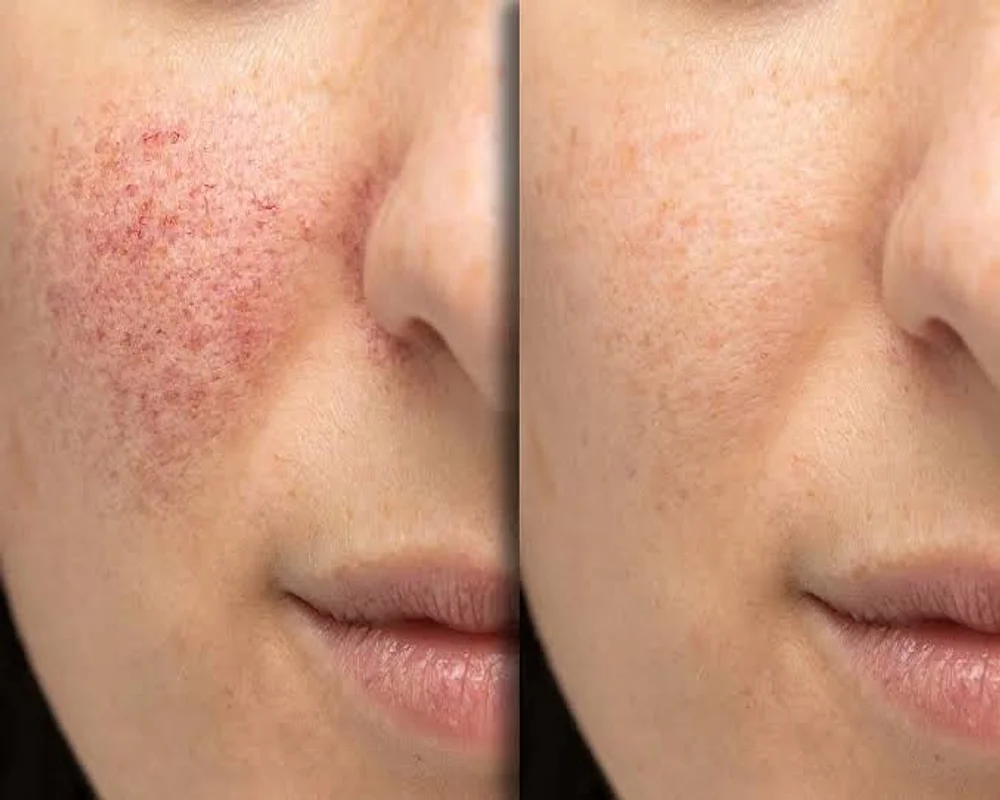
A rosacea diet focuses on foods that reduce inflammation and support gut health. Results vary by person. These choices have the most support:
- Omega-3 fatty acids from fatty fish, walnuts, and flaxseed
- Fiber-rich foods that feed healthy gut bacteria
- Less added sugar, since high blood sugar has been linked to rosacea
Trigger Foods and Drinks to Limit
Many people with rosacea react to items including spicy foods, alcoholic drinks, and hot beverages. A National Rosacea Society survey found alcohol affected 52 percent of patients and spicy foods 45 percent. Triggers vary, so test one at a time.
High-Histamine and Cinnamaldehyde Foods
Cinnamaldehyde-rich foods include tomatoes, citrus fruits, cinnamon, and chocolate. High-histamine foods include aged cheese, processed meat, and wine. Not everyone reacts, so remove one item at a time.
A Sample Day of Rosacea-Friendly Meals
These meals use foods listed above. They are an example, not a prescription. Adjust them to your triggers.
- Breakfast: plain yogurt with berries and ground flaxseed
- Lunch: bean and cucumber salad with olive oil
- Dinner: baked salmon with rice and steamed vegetables
Other Rosacea Triggers and Treatments
Sun, Heat, and Stress Triggers
Sun exposure was the most common trigger in a National Rosacea Society survey, affecting 81 percent of patients. Rosacea can cause flushing and visible blood vessels, and sun, heat, and stress worsen both. The American Academy of Dermatology advises daily sun protection.
Skin Care and Prescription Options
The AAD advises avoiding skin care products with menthol, camphor, or sodium lauryl sulfate. Prescription options include azelaic acid and ivermectin cream. A dermatologist can match rosacea treatments to your type.
Medicines That May Worsen Rosacea
Some medicines may make rosacea worse, including certain drugs for blood pressure, anxiety, and migraines. Ask your doctor whether yours play a role, and never stop a prescription alone. Medical News Today, citing the AAD, lists this among its tips.
When to See a Dermatologist
See a board-certified dermatologist if rosacea symptoms affect your quality of life, since other conditions can look like rosacea. DermOnDemand dermatologists review photos and symptoms online to diagnose rosacea and plan treatment. Eye irritation needs an in-person exam, since over half of patients develop eye problems.
Frequently Asked Questions
Can Diet Cure Rosacea
No, diet cannot cure rosacea. The condition has no cure, but treatment can control it. Food changes work best alongside.
Do Probiotics Help Rosacea
Probiotics may support gut health, which could help some patients. The evidence is limited, and a 2017 diet review calls for more research. Ask your doctor before starting any probiotic.
Is Rosacea an Autoimmune Disease
Doctors describe rosacea as a chronic inflammatory skin condition, and its exact cause is unknown. It shares genetic risk factors with autoimmune diseases, but that does not prove it is autoimmune. Treatment focuses on triggers and symptoms.
Does Dairy Make Rosacea Worse
Dairy is not an established trigger, but some people report flares after eating it. Dermatologist Cynthia Bailey lists dairy among foods worth testing one at a time. Remove it alone and track your skin.
Triggers and treatment needs differ from person to person. A dermatologist can review your symptoms, photos, and diet questions. You can start your online dermatology visit with DermOnDemand.