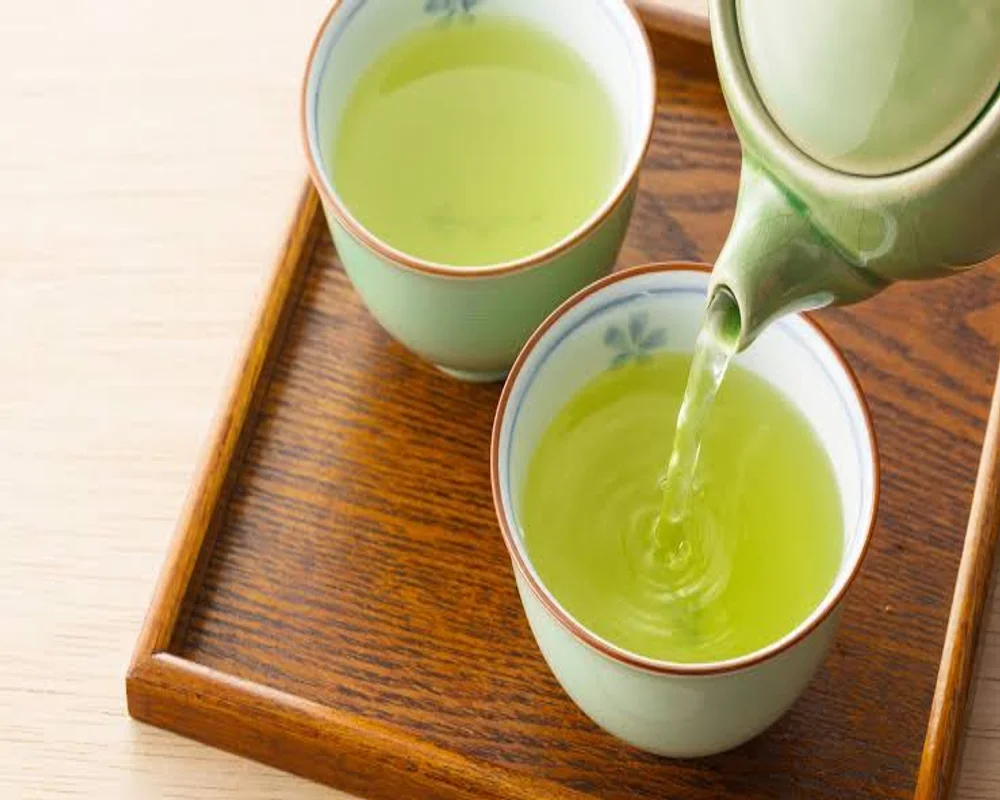
This overview reflects the clinical approach of Dr. Alicia Atkins, a dermatologist with DermOnDemand.
Key Takeaways
- Green tea may ease visible redness for some people with rosacea, but it does not cure the condition or replace medical treatment.
- Cooled green tea compresses are a simple home option, and products with a stated green tea or EGCG concentration offer a more consistent dose than brewed tea.
- Hot beverages can trigger flushing in sensitive people, so iced tea is the safer choice for many.
- Patch test any new topical product on the inner forearm first, and stop using it if burning or worsening redness appears.
- Persistent, spreading, or eye-related symptoms need evaluation by a clinician, since moderate to severe rosacea usually requires prescription care.
Can Tea Help with Rosacea
The short answer is that green tea may help calm visible redness for some people, but it does not cure rosacea or replace medical treatment. The evidence points to a soothing, supportive role rather than a primary therapy. Response varies from person to person, and any change tends to be modest.
Tea and Rosacea: What Research Shows
Most interest in tea and rosacea centers on green tea, which contains polyphenols with anti-inflammatory properties. Small studies have looked at topical green tea extract and reported some improvement in inflammatory lesions, though the research base is limited and often tied to specific formulations rather than home-brewed tea.
The findings are stronger for green tea’s antioxidant and UV-protective effects than for redness alone. Because rosacea has several subtypes, whether tea can help with rosacea depends partly on which symptoms you have.
How Green Tea May Calm Skin
Green tea’s polyphenols, mainly a compound called EGCG, may reduce inflammation and support the skin’s response to sun exposure. Researchers think these effects could help soothe inflamed skin and may slightly reduce redness linked to UV triggers. These are plausible mechanisms, not guarantees of a visible result.
What Causes Rosacea Redness
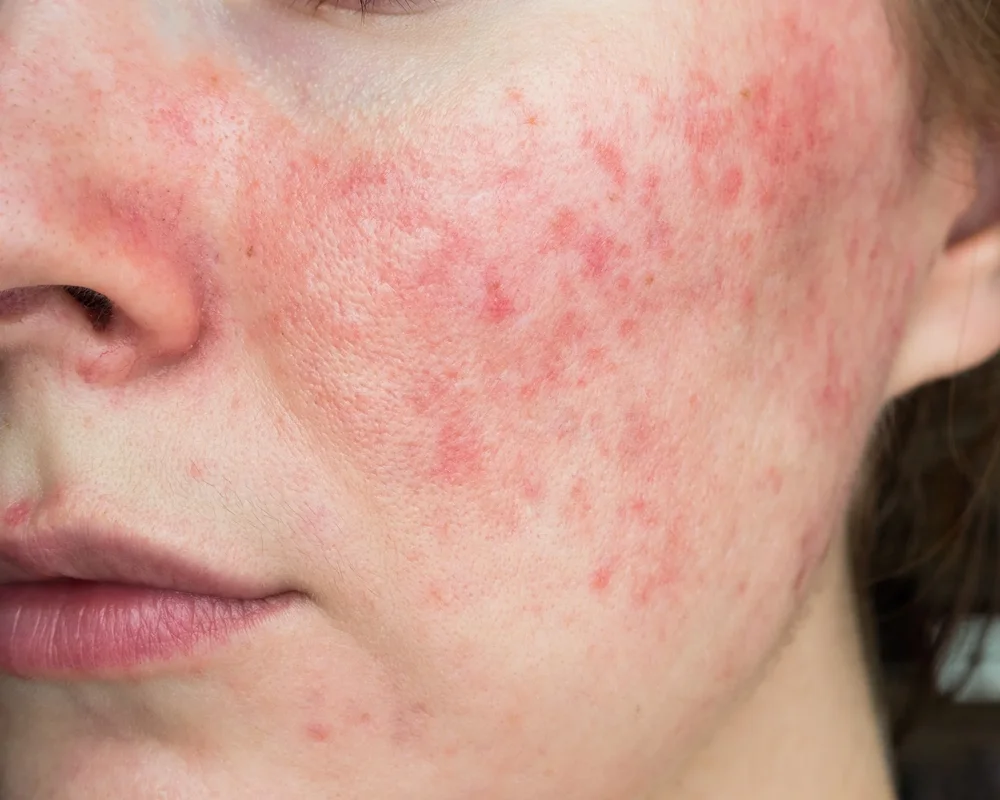
Rosacea is a chronic condition marked by facial redness, flushing, and sometimes small bumps. The redness comes largely from blood vessel dilation near the skin surface, where widened blood vessels make the cheeks and nose look flushed.
The symptoms of rosacea differ by subtype, ranging from lasting redness to acne-like breakouts or eye irritation. Common triggers that set off a rosacea flare include sun, heat, alcohol, spicy foods, and stress, and this guide covers diet’s role in rosacea in more detail.
How to Use Green Tea to Treat Rosacea
People who try green tea at home usually apply it cooled to the skin or choose a product with a measured concentration.
Cooled Compresses
A simple method many people with rosacea use is a cooled green tea compress:
- Brew one cup of plain green tea and let it cool completely.
- Soak a soft cloth, then wring out the excess.
- Rest it on the affected area for about 10 to 15 minutes.
- Rinse with lukewarm water and apply a gentle moisturizer.
The cool temperature itself can briefly ease flushing, separate from any effect of the tea.
Creams and Serums
Topical products with green tea extract offer a more consistent dose than brewed tea. Some dermatology sources describe formulations with around 2 percent green tea or EGCG. Introduce any new product slowly, and watch how your skin responds over a week or two.
Best Green Tea for Rosacea
There is no single best green tea for rosacea. For compresses, plain, unflavored, fragrance-free tea is the safest choice, because added scents can irritate reactive skin. For products, look for a stated green tea or EGCG concentration and a short, gentle ingredient list.
Is Drinking Green Tea Bad for Rosacea
Drinking green tea is generally fine for most people, with two caveats worth understanding.
Drinking Green Tea for Rosacea: Evidence
There is little direct evidence that drinking green tea for rosacea improves facial redness. Any whole-body antioxidant benefit is unlikely to target the skin the way a topical does. Enjoy it as a beverage, but do not expect it to manage rosacea on its own.
Caffeine and Hot Drinks
Heat is a known trigger. Hot beverages of any kind, including hot tea and coffee, can trigger rosacea flushing in sensitive people, so an iced version is the safer option. The caffeine itself is less of a problem than the temperature for most patients.
Risks and Skin Sensitivity
Natural does not mean risk-free. Green tea and other botanicals can still cause stinging, redness, or allergic reactions on sensitive skin. Before using any new topical, patch test it: apply a small amount to the inner forearm, wait 24 to 48 hours, and check for a reaction. Stop use if you notice burning, itching, or worsening redness.
What Naturally Calms Rosacea
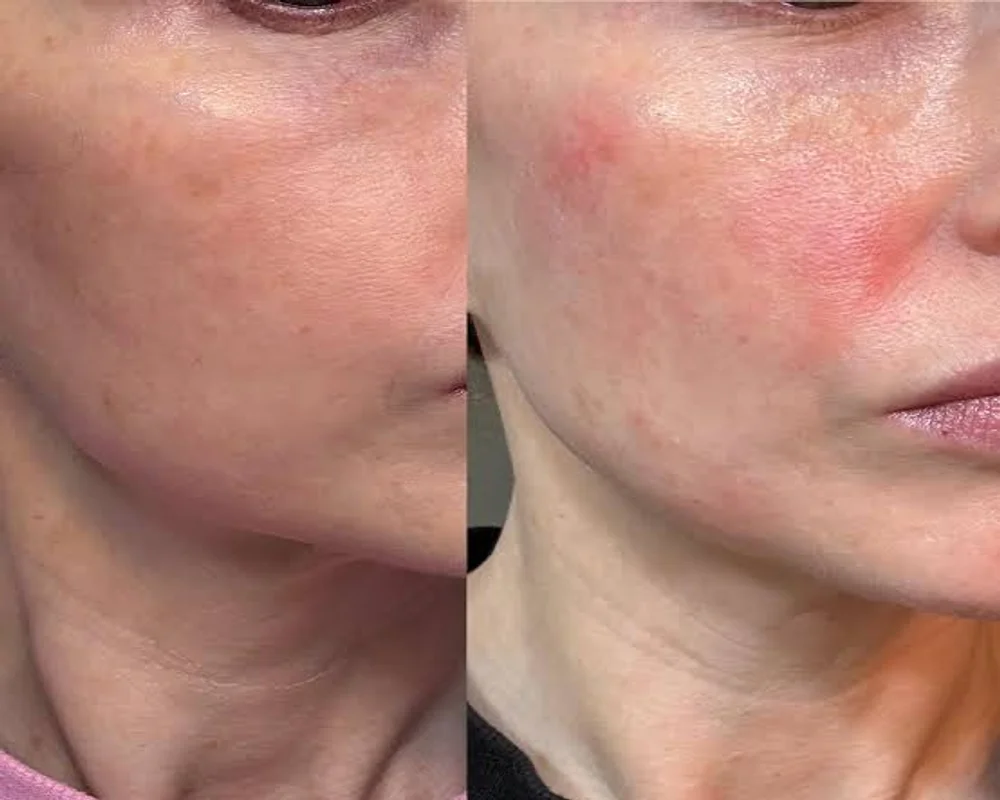
Daily habits often matter more than any single ingredient for calming reactive skin.
Gentle Skin Care Basics
A gentle routine helps protect the skin barrier and limit flares, and a dermatologist-recommended skin care routine for rosacea offers a fuller step-by-step guide.
Cleanse twice daily with a mild, fragrance-free product, moisturize to hold in hydration, and apply broad-spectrum SPF 30 or higher with zinc oxide every day. Avoid scrubs, facial brushes, and products with alcohol, menthol, or fragrance.
Other Natural Ingredients
Several other botanicals are used as natural remedies for rosacea with varying evidence. Chamomile tea compresses and aloe vera are popular for their calming reputation, though the data is thin. Be cautious with tea tree oil, which can irritate rosacea-prone skin and is better kept off the face.
Rosacea Natural Treatment Versus Medical Care
A rosacea natural treatment can support comfort, but persistent rosacea usually needs medical care to control.
Prescription Topicals and Oral Medications
Dermatologists often prescribe topical agents such as metronidazole, azelaic acid, ivermectin, or brimonidine, plus oral medication for inflammatory cases. These target the inflammation and bumps more directly than botanicals do.
Light and Laser Treatments
In-office laser and light therapies can target visible blood vessels and lasting redness. These are procedures that require an in-person visit.
When to See a Dermatologist
Rosacea is a medical condition, and a proper diagnosis guides the right plan.
Signs Rosacea Is Getting Worse
See a clinician if redness spreads, bumps increase, or your skin stings constantly. Eye symptoms such as grittiness, dryness, or irritation can signal ocular rosacea and need prompt attention.
What Can Be Treated Remotely
Telehealth providers, including DermOnDemand, can assess many cases of rosacea from photos and a health history. A licensed clinician can then prescribe topical or oral medication when appropriate.
A remote visit cannot perform procedures such as laser therapy, and it cannot examine the eyes in detail, so those needs call for an in-person provider.
If you would like a dermatologist to evaluate your skin, you can start treatment online.
Frequently Asked Questions and Myths
Can green tea cure rosacea?
No. There is no cure for rosacea. Green tea may ease redness for some people but does not remove the condition.
Is green tea bad for rosacea?
Applied cool, it is usually well tolerated. The main caution is heat from hot tea, not the tea itself.
Does the National Rosacea Society endorse green tea?
The National Rosacea Society shares member tips on its site, including green tea ice cubes. These are personal experiences, not clinical evidence. They can suggest what to try, but results vary.
Are natural remedies enough?
For mild redness, gentle care may be enough. Moderate to severe rosacea usually needs medical treatment.