How Long Does It Take for Accutane to Leave the System?
Accutane, also known as isotretinoin, usually leaves the bloodstream within about 5 to 7 days after the final dose, based on how the body processes and clears the medication.
This article explains how long it takes for Accutane to leave your system, how isotretinoin is metabolized, and why skin effects and side effects can continue after the drug itself is gone.
It is written as an educational reference, similar to clinical guidance shared on platforms like DermOnDemand, where dermatologists such as Dr. Alicia Atkins contribute medical context to help patients understand their treatment.
Key Takeaways
- Accutane, also known as isotretinoin, is usually cleared from the bloodstream within about 1 week, even though skin changes and side effects can persist for much longer.
- The drug reduces oil production by shrinking sebaceous glands, which explains why acne improvement often continues after treatment ends.
- Common side effects, such as dry skin or lips, typically improve over several weeks after stopping Accutane, and lingering symptoms do not mean the drug is still in the body.
- Alcohol should be limited during treatment and approached cautiously after stopping, since both alcohol and isotretinoin are processed by the liver and can increase the risk of abnormal liver tests.
- Pregnancy must be avoided for at least one month after stopping Accutane, as strict safety rules are in place to prevent exposure during early pregnancy.
How Accutane Moves Through the Body
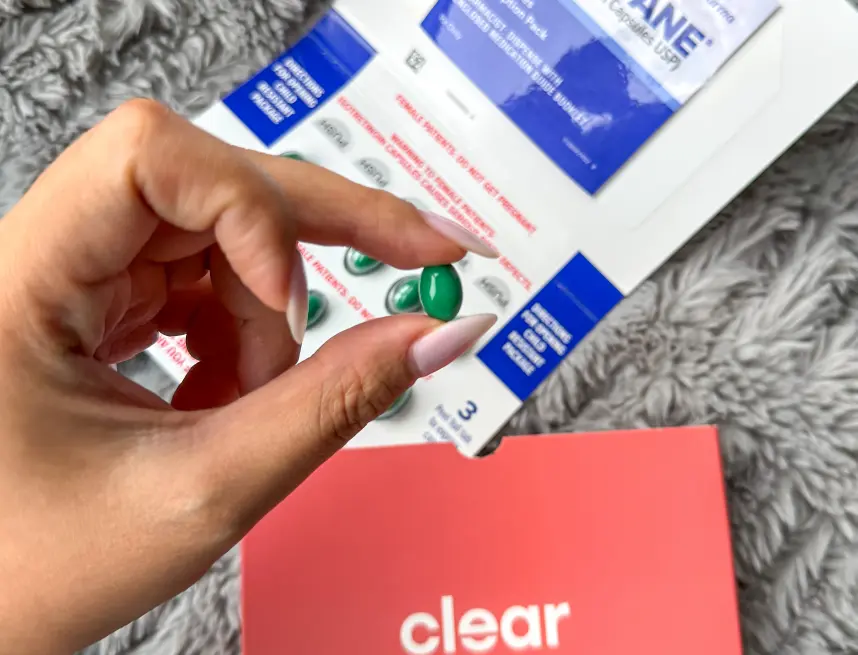
Accutane is the commonly used name for isotretinoin, a vitamin A derivative prescribed for severe acne, including cystic acne that has not responded to other treatments. After ingestion, the medication enters the bloodstream and is processed primarily by the liver. This process determines how long the drug remains active.
Isotretinoin reduces oil production by shrinking the sebaceous glands, also called oil glands, which explains its unique mechanism of action. This action lowers pore blockage and inflammation, which explains the effectiveness of isotretinoin compared with other acne treatments. These changes develop gradually over the course of treatment.
How long does it take for Accutane to get into your system
Accutane reaches the bloodstream within hours of the first dose. Blood levels increase steadily with daily dosing during an Accutane treatment. Early dryness or irritation can appear during this buildup phase.
Clinical improvement does not happen immediately. The medication works over time as the sebaceous glands respond. This delayed response is expected and supports sustained acne control.
Half-life of Accutane and Isotretinoin
The half-life of Isotretinoin is the time needed for half the drug to leave the bloodstream. For isotretinoin, this is usually 10-20 hours. The half-lives of Isotretinoin metabolites can be longer, which can affect the timing of clearance.
Because of this, isotretinoin does not disappear instantly after the last dose. The liver continues to process the drug for several days. This explains why safety guidance extends beyond the final pill.
How Long Does Accutane Stay in Your System?
Most isotretinoin is cleared from the bloodstream within approximately one week. Small amounts of metabolites may persist slightly longer.
Medical guidance generally considers the drug inactive after 5 to 7 days. This refers to blood levels, not skin effects. Confusing these two timelines is common.
Typical clearance timeline
After the last dose, isotretinoin levels drop steadily. Within several days, blood concentrations become very low. By the end of the first week, the drug is usually no longer active.
This timeline supports recommendations for post-treatment precautions. It also explains why lab testing is rarely needed to confirm clearance.
Why timing varies between people
Clearance can vary based on liver function, body composition, and whether a higher dose was used. Longer treatment courses may also influence timing. These differences are normal.
Individual variation explains why online reports differ. Medical guidance is based on average clearance, not outliers. This approach prioritizes safety.
After You Stop Accutane
Stopping isotretinoin does not mean the skin changes reverse immediately. Many effects continue after the drug leaves the bloodstream. This delayed response frequently causes confusion among patients.
The medication alters sebaceous gland activity over time. Those changes can persist, which is why acne improvement often continues after treatment ends. Side effects may follow a similar pattern.
How long do Accutane side effects last after stopping treatment?
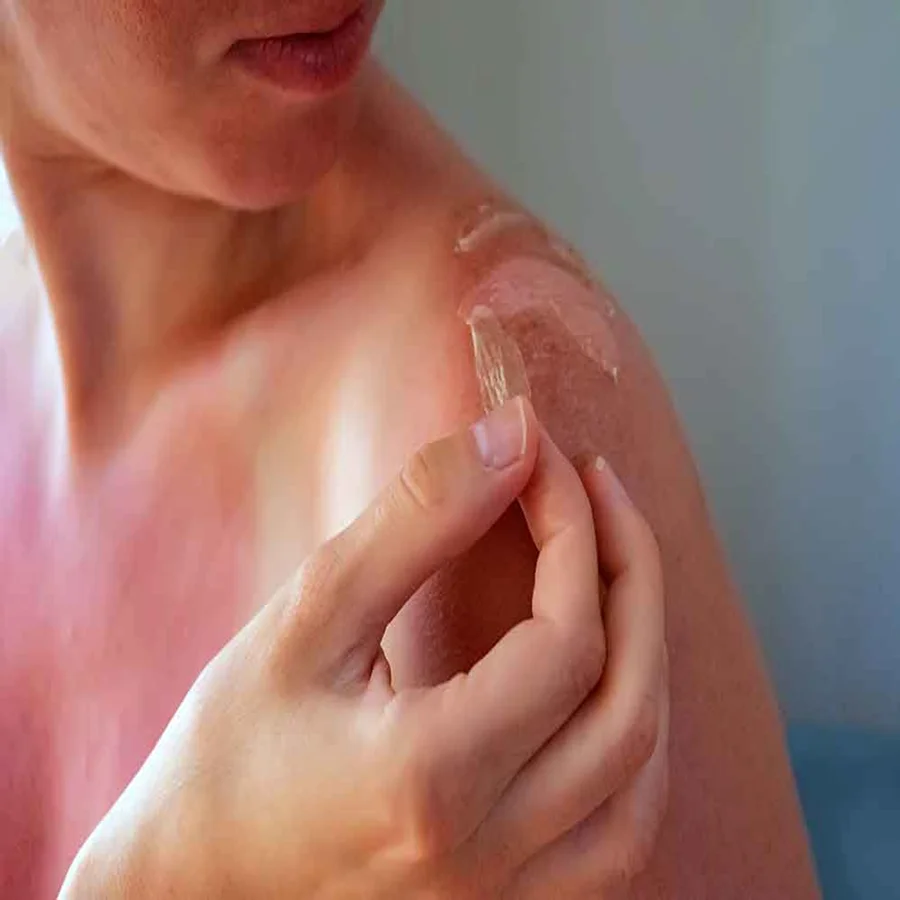
Common potential side effects, such as dry skin, lips, or a commonly known Accutane dry scalp, usually improve over several weeks. Some symptoms may last longer but continue to fade. This recovery period varies by individual.
Lingering symptoms do not mean the drug is still present. They reflect tissue recovery. This distinction helps set realistic expectations.
How long after Accutane does skin return to normal?
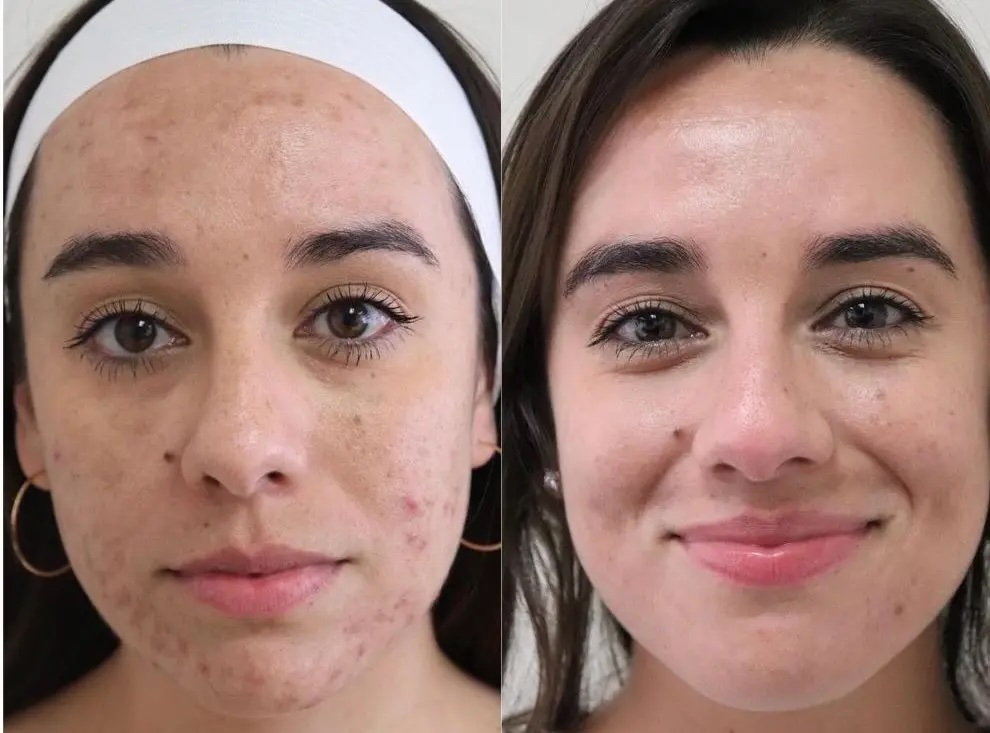
Oil levels often remain lower for months after treatment, which is why patients often ask whether Accutane is permanent. This sustained reduction in oil production lowers relapse risk. Over time, sebaceous activity may partially return.
“Normal” skin differs between individuals. Both lasting improvement and partial return of oiliness are expected outcomes.
Stopping or Pausing Accutane
In most cases, stopping does not cause medical emergencies. The drug does not require tapering.
However, stopping early can affect treatment durability. Clinicians usually aim to complete planned treatment to support long-term control.
Can you stop taking isotretinoin suddenly?
Stopping suddenly does not cause physical dependence. There is no recognized withdrawal syndrome related to isotretinoin. Safety concerns focus on effectiveness, not harm.
Medical advice helps balance risks and benefits. Changes should always be discussed rather than self-directed.
Can you stop Accutane for a few days?
Short pauses are sometimes necessary for medical reasons. These brief breaks rarely affect safety; however, frequent interruptions may hinder results.
Clear guidance helps avoid confusion. Communication supports safe care.
Alcohol and Accutane
Questions about alcohol are common during isotretinoin therapy, because both alcohol and isotretinoin affect the liver.
How long after taking Accutane can you drink?
Most clinicians recommend caution with alcohol consumption during treatment. Drinking may increase the risk of abnormal liver tests and liver damage. After stopping treatment, it is usually advised to wait several days before drinking.
This approach allows liver function to stabilize. Conservative guidance reduces uncertainty during monitoring.

Can you pause Accutane to drink?
Pausing medication instead of avoiding alcohol does not eliminate liver strain. It may also reduce treatment effectiveness. This approach can raise safety concerns.
Medical guidance usually favors limiting alcohol rather than adjusting doses independently. This reduces the risk of complications.
Pregnancy After Accutane
Isotretinoin carries a known increased risk of severe birth defects. Strict precautions apply during and after treatment. These rules protect patient safety.
How long after stopping Accutane can you get pregnant?
Pregnancy should be avoided for at least one month after the last dose. This timeframe accounts for drug clearance and metabolite clearance. It reflects established safety standards.
Programs require pregnancy testing before, during, and after treatment. These steps reduce preventable harm.
Why waiting one month matters
Even though isotretinoin clears quickly, the waiting period adds a safety margin. It ensures no active drug remains. This approach is precautionary.
Following this guidance is essential regardless of dose or duration – consistency matters.
Does Accutane Cause Withdrawal?
This concern often arises when side effects persist. Understanding the difference between side effects and withdrawal symptoms is essential.
Withdrawal from Accutane explained
Accutane does not cause chemical dependence. There is no recognized withdrawal syndrome. Stopping the drug does not trigger cravings.
Post-treatment symptoms usually reflect lingering side effects. They are not signs of dependence.
Side effects vs withdrawal
Side effects improve as tissues recover. Withdrawal implies physiological dependence, which does not apply in this case.
New symptoms should still be evaluated by a medical professional, as not all symptoms relate to isotretinoin.
Medication Handling and Expiration
Proper handling of medication matters for safety. Storage and expiration dates guide use.
How long does Accutane last before it expires?
Accutane has a manufacturer-set expiration date. Using it beyond this date is not recommended. Potency may decline.
Expired medication should be disposed of properly. Pharmacies can advise on safe disposal.
Why Online Timelines Differ
Online forums often share varied experiences. Differences reflect individual factors such as dose and health status. Anecdotal reports lack full context.
Medical guidance relies on population data rather than individual stories. Understanding this helps readers interpret online claims. Evidence-based information provides a safer reference point.
FAQs About Lasting Accutane Effects
How long does Accutane last?
Accutane usually remains active in the bloodstream for about 5 to 7 days after the final dose. Its effects on the skin, especially reduced oil production, can last much longer because the sebaceous glands recover gradually.
How long does it take for Accutane to leave the system altogether?
Most isotretinoin is cleared from the body within 1 week due to its half-life and hepatic metabolism. Small metabolites may linger briefly, but the drug is no longer considered active after this period.
Why do side effects continue after Accutane leaves the body?
Side effects can persist because isotretinoin alters the function of the skin and oil glands. These tissues need time to readjust, even after the medication itself is gone.
Is Accutane still working after you stop taking it?
Yes, acne improvement can continue after stopping treatment. This happens because the sebaceous glands remain less active for weeks or months following a full course.
Does stopping Accutane suddenly affect how long it stays in your system?
Stopping suddenly does not change how quickly the drug is cleared from the body. Clearance depends on metabolism, not how the medication is discontinued.