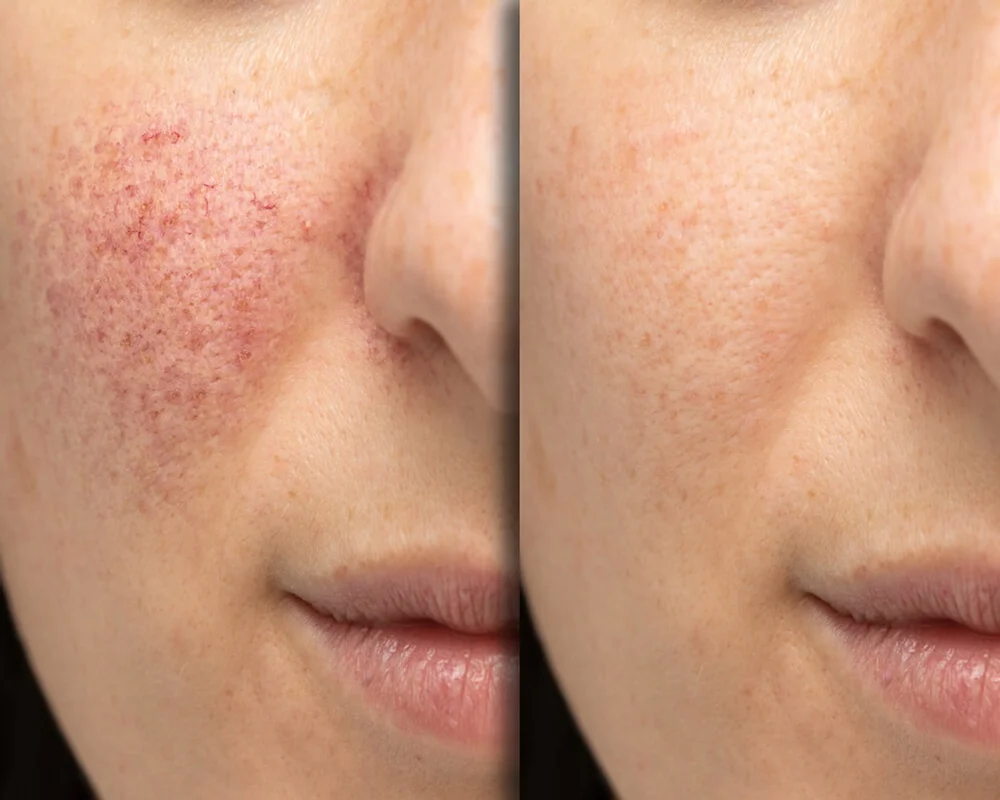
You will learn how long flare-ups and calmer periods tend to run, and how daily care and medical treatment fit together. Rosacea is a long-term condition with no set end date. It usually lasts for years, and often for life, with flare-ups that come and go. A single flare-up can last from a few hours to several days.
Treatment does not cure rosacea, but it controls symptoms and can bring long periods of remission.
Key Takeaways
- Rosacea is a long-term condition with no set end date, and most people manage it over years rather than curing it.
- A single flare-up often fades within hours once you cool the skin and remove the trigger, while stronger flares can last days or weeks.
- Sun exposure is often the biggest trigger, so daily broad-spectrum sunscreen with SPF 30 or higher is one of the most useful habits.
- Treatment does not cure rosacea, but topical medicines, oral antibiotics, and laser therapy can control symptoms and help bring on long remission periods.
- See a dermatologist if redness or bumps keep returning, or if your eyes feel dry, gritty, or irritated, since rosacea can affect them.
How Many Years Does Rosacea Last
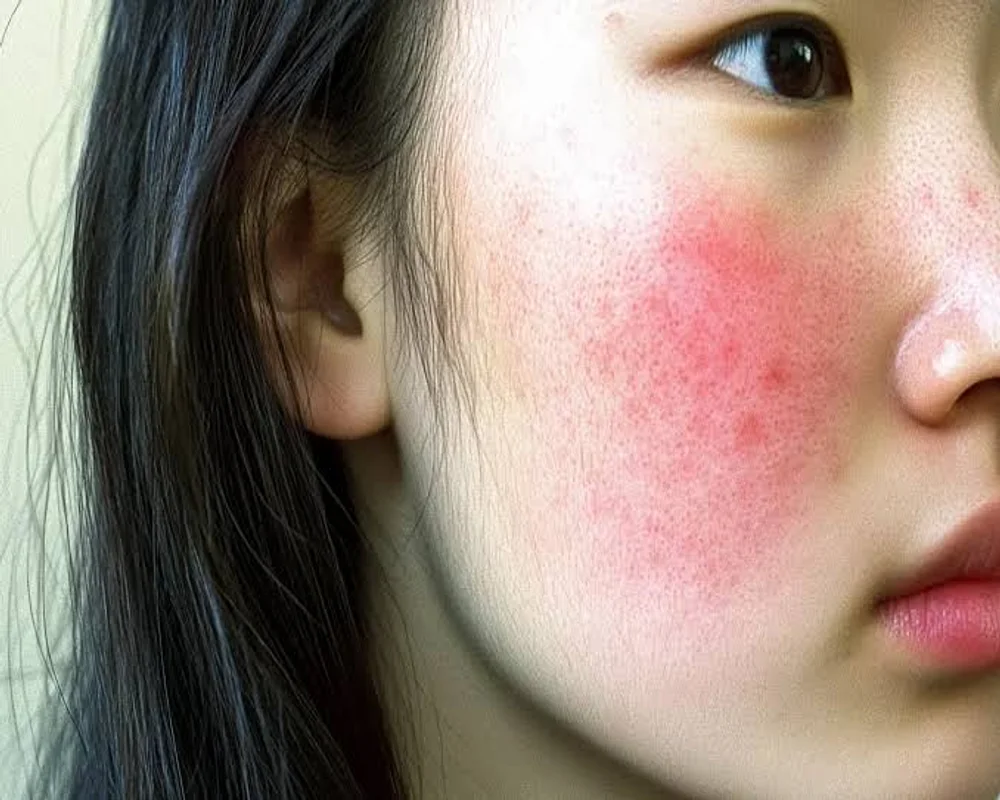
Rosacea does not follow a fixed schedule. Some people have long calm periods between flares, while others have frequent symptoms. The pattern depends on your rosacea type, your triggers, and whether you treat it. Most patients with rosacea manage it as an ongoing condition rather than waiting for it to clear for good.
How Long Does Rosacea Last without Treatment
Without treatment, rosacea usually lasts for life. It does not clear on its own, and flare-ups tend to recur over many years or even decades. Over time, untreated redness can deepen and become more constant on the central face. Avoiding known triggers helps, but it rarely stops the condition without medical care.
Does Rosacea Get Worse with Age
Rosacea can worsen with age when it goes unmanaged. In some people, repeated flares lead to lasting redness, called persistent erythema, or thickened skin. These changes develop slowly across years, not overnight. Steady care and trigger control lower the risk of this progression.
Rosacea Duration with Treatment
Treatment does not cure rosacea, but it controls symptoms and shortens flares. Topical medicines such as azelaic acid or metronidazole can take two to six weeks to show an anti-inflammatory effect. For mild to moderate rosacea, regular use often keeps the skin calm for long stretches. Symptoms may return if treatment stops or triggers come back.
Is Rosacea Curable or Does It Go Away
Rosacea is not curable, and it rarely goes away completely. Instead, treatment aims to control it and reach long periods of remission. Some people achieve lasting remission with the right plan, while others need steady care. It helps to view rosacea as manageable rather than temporary.
How Long Does a Rosacea Flare-Up Last
A single rosacea flare-up can last from a few hours to several days, and sometimes longer. Mild flares often fade within hours once you cool the skin and remove the trigger. Stronger flares may persist for days or even weeks. The length depends on the trigger, your skin, and how quickly you respond.
Rosacea Timelines at a Glance
Ranges differ by person, so treat these as general guides. They come from medical references, and research on exact timing is limited. Your dermatologist can tell you what fits your skin and rosacea type.
Rosacea Symptoms, Types, and Diagnosis
The symptoms of rosacea usually affect the central face, including the cheeks, nose, forehead, and chin. Common signs include redness, flushing, visible blood vessels, small bumps, and a burning or stinging feeling.
On darker skin, redness can be harder to see, so dryness, swelling, and warmth may be clearer clues. Rosacea, including eye involvement, is also possible, a type known as ocular rosacea.
A dermatologist diagnoses rosacea by examining the skin and reviewing your history. There is no single lab test, so doctors may run checks to rule out conditions like lupus or psoriasis. An accurate diagnosis guides the right treatment and avoids wasted effort.
What Is the Biggest Trigger of Rosacea
Sun exposure is often the biggest trigger of rosacea. Heat, stress, alcohol, and spicy foods also rank among the most common causes of flares. Some skin care products with fragrance or alcohol can irritate skin and set off redness. Because triggers differ from person to person, a simple flare diary helps you find your own.
How to Track Your Rosacea Triggers
A trigger diary turns guesses into patterns. Keep each entry short so you stick with it. Each time your skin flares, note three things:
- The date, time, and how long the flare lasted.
- What you ate, drank, and did in the hours before, plus the weather.
- Any new skin care product or medicine.
After a few weeks, patterns often appear. You may find that hot showers set off flares more than red wine does. Bring the diary to your dermatologist so treatment targets your real triggers.
What Helps Rosacea Immediately
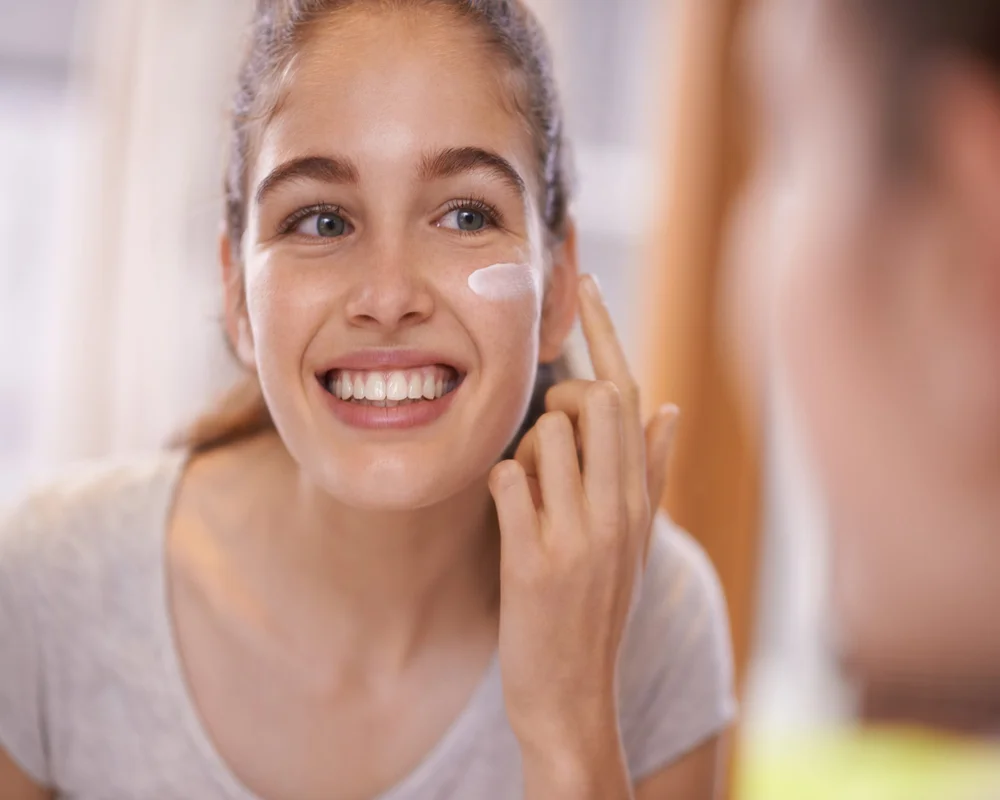
When a flare starts, a few quick steps help calm the skin:
- Apply a cool, damp cloth to the face. Never put ice directly on the skin.
- Use a gentle, fragrance-free moisturizer made for sensitive skin.
- Step away from heat, and skip hot drinks and alcohol.
- Let the skin rest, and avoid scrubs or strong active ingredients.
These steps ease redness and stinging during a flare. They do not treat the condition itself, so ongoing care still matters.
What Helps with Rosacea Long Term
Long-term control pairs daily habits with medical treatment. The goal is fewer flares and steadier skin over time. A dermatologist can match the plan to your rosacea type and severity.
Daily Skincare and Sun Protection
Good daily habits lower how often rosacea flares. Use a broad-spectrum sunscreen of SPF 30 or higher every day, since sun is a leading trigger. Choose mild, fragrance-free products, and skip anything that stings. Gentle, dermatologist-recommended routines for rosacea protect the skin barrier and limit irritation.
Prescription and Procedure Options
Several prescription treatments for rosacea help control symptoms:
- Topical medicines like azelaic acid, metronidazole, or ivermectin for bumps and redness.
- Brimonidine or oxymetazoline gels for flushing, which work temporarily and can worsen flushing if overused.
- Oral antibiotics such as doxycycline, often at 100 mg, for more stubborn cases.
- Laser treatment, also called laser therapy, to reduce visible blood vessels and lasting redness.
Laser works best on lighter skin and may need repeat sessions. Side effects include temporary redness, bruising, and swelling, and on darker skin laser may cause lasting color changes. Your dermatologist explains what fits your skin and symptoms.
What Can and Cannot Be Treated Remotely
Much of rosacea care works well through telehealth. A dermatologist can review photos, confirm the diagnosis, and prescribe topical or oral medication. DermOnDemand operates as an online dermatology service in the USA, so treatment can be managed remotely. In-office procedures and any care that needs hands-on treatment still require an in-person visit.
Living with Rosacea Day to Day
Rosacea affects more than the skin. Many people feel self-conscious or anxious about visible redness, and stress can trigger flares in turn. Talking with a counselor or joining a support group, in person or online, can help. Green-tinted makeup can offset redness, so choose fragrance-free formulas that do not sting.
Common Rosacea Myths
A few myths surround this skin condition. Rosacea is not caused by poor hygiene, and it is not simple adult acne. Alcohol does not cause rosacea, though it can worsen rosacea in people who already have it. Rosacea is also not contagious, so you cannot catch it or pass it to others.
When to See a Dermatologist
See a dermatologist if redness, bumps, or stinging keep returning or getting worse. Early care helps prevent lasting skin changes. Seek prompt advice if your eyes feel dry, gritty, or irritated, since rosacea can affect them. A professional diagnosis also rules out other conditions that look similar, such as lupus or an allergic reaction.
What to Expect at a Dermatology Visit
Preparation makes the visit more useful. Bring a list of your symptoms, the products you use, and any medicines you take. Clear photos of past flares help too, since skin may look calm on the day. Ask how long your rosacea is likely to last and what timeline to expect for each treatment.
Your dermatologist will examine your skin, ask about your history, and ask about eye symptoms. They will explain your rosacea type and your options. Finding the right treatment can take more than one try, so expect to adjust the plan over time.
If you would like a dermatologist to review your skin and recommend a treatment plan, you can start treatment with DermOnDemand.
Frequently Asked Questions about Rosacea
Why Does Rosacea Flare Up at Night
Body temperature shifts during sleep can trigger a flare at night. Warm rooms, heavy blankets, and late meals with alcohol or spicy foods may add to it. Keeping the bedroom cool often helps.
Does Rosacea Spread to the Eyes
Yes, rosacea can affect the eyes, a form called ocular rosacea. It may cause dryness, redness, a gritty feeling, or swollen eyelids. If you notice eye symptoms, an eye specialist may help manage them.