This DermOnDemand explainer, with clinical input from board-certified dermatologist Dr. Hannah Kopelman, reviews how genetics and environment interact, which triggers matter most, and what care options exist.
Key Takeaways
- Rosacea has a real inherited component, but genes raise your risk rather than guarantee the condition.
- Family and twin data suggest rosacea runs in families, and about 40% of surveyed patients had a relative with the condition.
- Gene studies have linked rosacea to regions near genes tied to inflammatory and autoimmune conditions, but no single rosacea gene has been confirmed.
- Environmental triggers such as sun exposure, heat, spicy foods, alcohol, and stress often determine when flare-ups happen.
- Rosacea has no cure, but topical medications, oral antibiotics, and laser therapies can control symptoms over time.
Yes, Genes Raise Your Risk of Rosacea
Rosacea is a common skin condition, and family history is one of its strongest risk factors. People with a parent or sibling who has rosacea are more likely to develop it themselves. Still, inheritance raises the odds rather than fixing the outcome. Your DNA sets the stage, while outside factors often decide whether symptoms appear.
What Rosacea Is and How It Looks
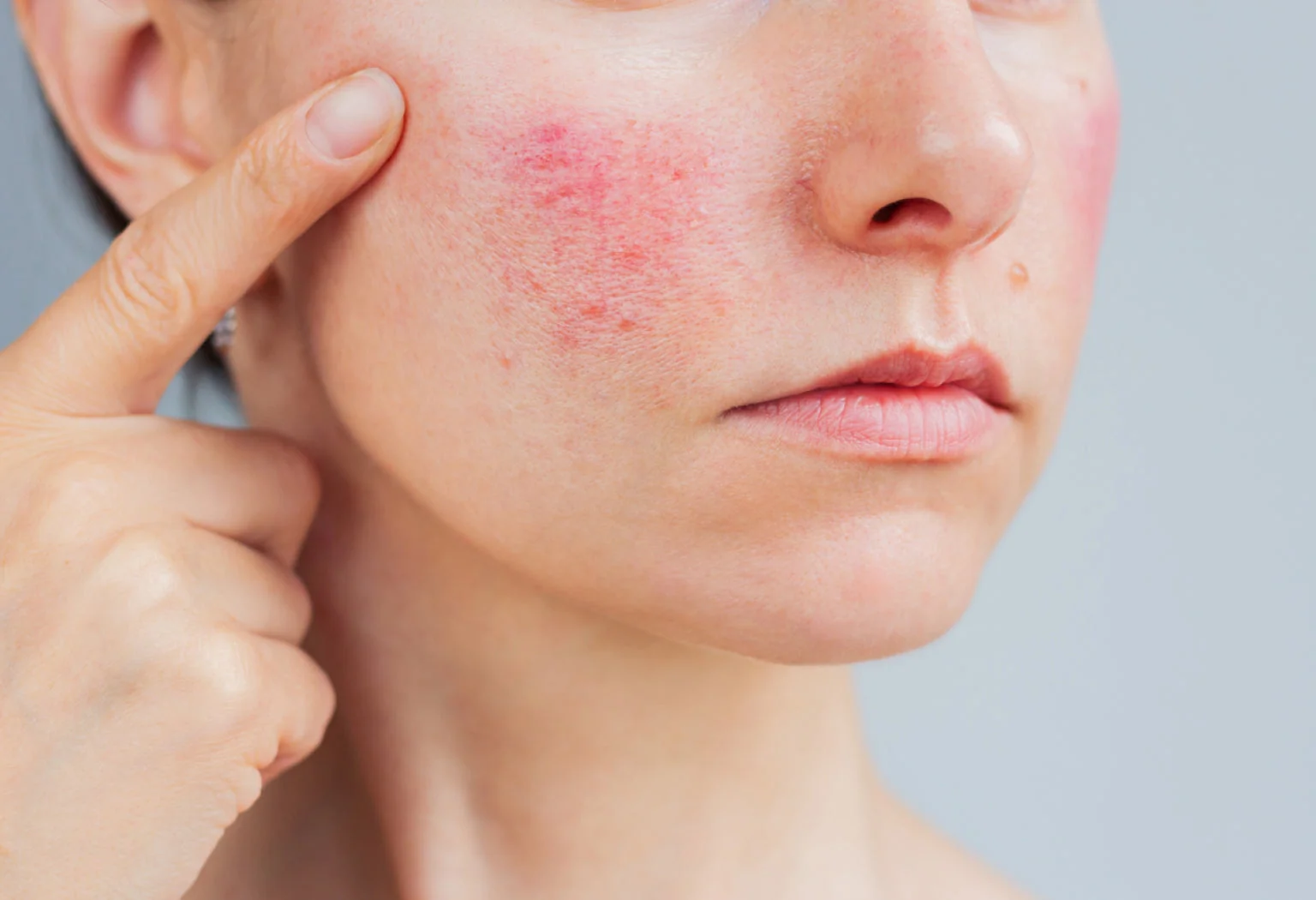
Rosacea is a chronic inflammatory skin condition that mainly affects the central face. It causes redness, flushing, and visible blood vessels on the cheeks, nose, chin, and forehead. The condition comes and goes in flare-ups rather than staying constant.
Common Symptoms and Subtypes
The symptoms of rosacea vary by subtype, as this overview of rosacea symptoms and treatment explains. Erythematotelangiectatic rosacea causes lasting redness and visible vessels. Papulopustular rosacea adds acne-like bumps and pustules, while phymatous rosacea can produce thickened skin, often on the nose. Ocular rosacea affects the eyes, causing dryness and irritation.
Is Rosacea Common
Rosacea is common. The National Rosacea Society estimates it affects more than 16 million people in the United States. Many cases go undiagnosed because early redness is mistaken for sunburn or simple flushing.
At What Age Does Rosacea Start
Rosacea usually starts after age 30. Symptoms often appear between 30 and 50, though they can develop earlier or later. It is rare in children, so childhood redness usually points to another cause.
Is Rosacea Contagious
Rosacea is not contagious. You cannot catch it through contact or pass it to others. It also has no link to poor hygiene, which is a common misconception.
What Family and Twin Studies Show
Rosacea hereditary patterns show up in both family and twin data. In a survey of more than 2,000 patients, about 40% had a relative with rosacea. Twin studies also support a genetic role, since twin concordance helps show a genetic predisposition to rosacea.
Shared households and environments can add to this pattern, so the data shows higher risk, not certainty.
What Rosacea Genetic Studies Have Found
Major Gene Studies to Date
A 2015 genome-wide study by Stanford and 23andMe analyzed thousands of patients of European descent. It linked two regions of the genome to rosacea genetic risk.
A 2023 study of affected families identified rare variants in genes including LRRC4, SLC26A8, and SH3PXD2A. No single rosacea gene has been confirmed in humans.
Links to Other Conditions
The genome regions tied to rosacea sit near genes linked to inflammatory and autoimmune diseases. These include type 1 diabetes, multiple sclerosis, and inflammatory bowel disease. This overlap suggests the immune system plays a role.
Do Genetic Tests Predict Rosacea
No genetic test can predict rosacea today. Consumer DNA reports may flag associated variants, but they cannot confirm or rule out the condition. Diagnosis still relies on a clinical skin exam.
Limits of Current Research
Current research has limits. Most studies focused on people of European descent, so findings may not apply to everyone. Many relied on self-reported diagnoses, and the results show associations rather than direct causes.
Is Rosacea Genetic or Environmental
So is rosacea genetic or environmental? The honest answer is both. Genes create susceptibility, while environmental triggers bring on visible flare-ups. Managing the condition means working with the triggers you can control.
Four Rosacea Triggers and the Worst Offender
Common rosacea triggers include heat, stress, and certain foods and drinks. Four frequent ones are:
- Sun exposure and hot weather
- Spicy foods and hot beverages
- Alcohol, especially red wine
- Emotional stress
Sun exposure is the most commonly reported trigger, which is why many clinicians treat it as the worst offender. Triggers vary by person, so tracking your own flare-ups helps, and understanding diet’s role in rosacea is a good place to start.
Can You Prevent Flare-Ups
You cannot change your genes, but you can reduce flare-ups with lifestyle adjustments. Daily sunscreen matters most, so use a broad spectrum product with at least SPF 30. Gentle skincare, trigger tracking, and stress management also help protect your quality of life.
When to See a Dermatologist
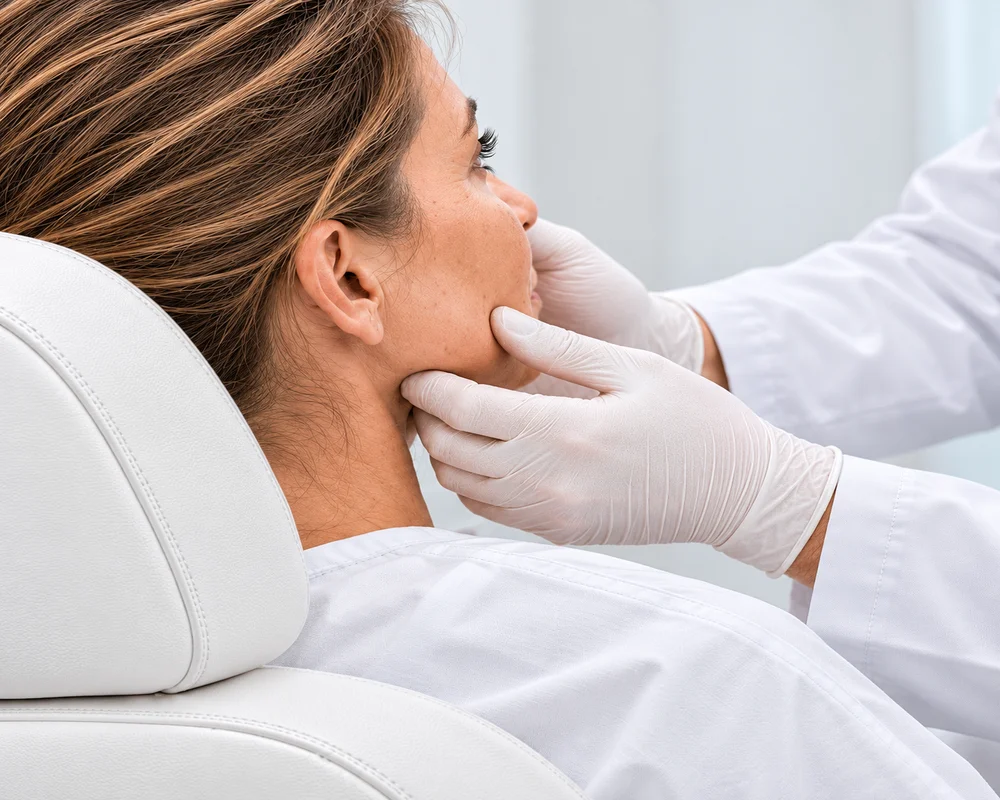
See a dermatologist if facial redness persists, worsens, or affects your comfort. Early care can prevent progression to thickened skin or eye involvement.
How Dermatologists Diagnose Rosacea
Dermatologists diagnose rosacea through a visual skin exam and a review of your symptoms and triggers. No lab test confirms it. A clinician rules out look-alike conditions such as acne, lupus, and eczema first.
Is Rosacea Curable or Does It Go Away
There is no cure for rosacea, and it does not fully go away on its own. It is a chronic condition that tends to persist, with periods of improvement and flare. Consistent management controls symptoms well, and many people keep their skin clear for long stretches.
Rosacea Treatment Options
Several treatment options can control rosacea, and the right rosacea treatment depends on your subtype.
Topical and Oral Medications
Topical medications reduce redness and bumps. Common choices include metronidazole, azelaic acid, and ivermectin. For moderate cases, doctors may prescribe oral antibiotics such as doxycycline to calm inflammation.
Light and Laser Therapies
Laser and light therapies target visible blood vessels and lasting redness. They can also improve the appearance of advanced rosacea. Results vary, and several sessions are often needed.
What Can Be Assessed Remotely
Mild to moderate rosacea can often be assessed through telemedicine. A dermatologist can review photos, discuss triggers, and recommend topical care. DermOnDemand offers remote evaluation, though severe or eye-related cases may still need an in-person visit.
The content is educational and does not replace a personal evaluation, and you can start treatment with a dermatologist online when you are ready.