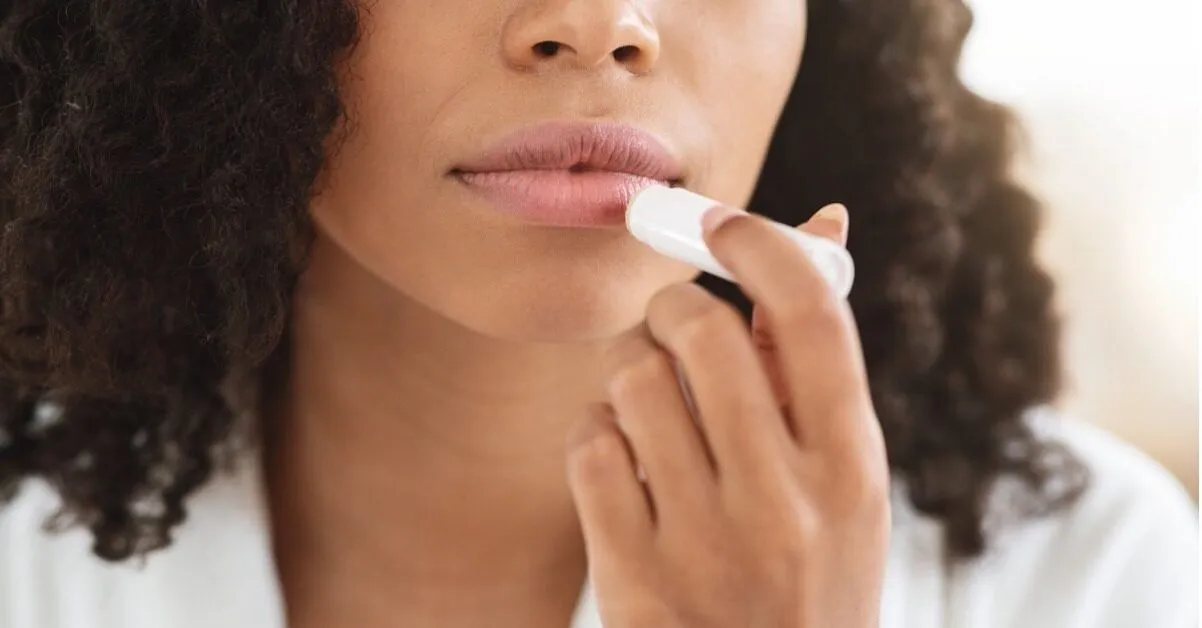
The best skincare routine after Accutane focuses on protecting the skin barrier, maintaining hydration, and preventing irritation as the skin recovers. A simple routine that includes a gentle cleanser, a non-comedogenic moisturizer, and daily broad-spectrum sunscreen is usually enough in the early phase.
Post-acne skin care should avoid harsh ingredients and introduce active treatments slowly based on skin tolerance. This approach helps reduce the risk of dryness, sensitivity, and relapse while supporting long-term skin stability. More advanced steps, such as retinoids or scar treatments, can be added later under medical guidance if needed.
Key Takeaways
- The best post-acne skin care routine focuses on a simple approach with a gentle cleanser, moisturizer, and daily broad-spectrum sunscreen to protect and stabilize the skin.
- Post-acne skin remains sensitive and prone to dryness, so introducing active ingredients like retinoids or benzoyl peroxide should be done gradually and based on tolerance.
- Avoid aggressive treatments such as over-exfoliation or early chemical peels, as these can damage the skin barrier and delay recovery.
- Acne can return after treatment in some cases, but it is often less severe and can be managed with consistent maintenance and appropriate products.
- Long-term results depend on adapting your routine over time, staying hydrated, and monitoring how your skin responds, rather than using multiple products at once.
What Is the Best Skin Care Routine Post Accutane
The best skin care routine post-acne focuses on simplicity, consistency, and protection. Skin remains fragile after Accutane treatment, so the goal is to support healing rather than introduce aggressive treatments. Most patients benefit from a routine that includes cleansing, moisturizing, and sun protection.
A simple routine reduces the risk of irritation and helps stabilize the skin. Many patients with acne-prone skin notice fewer breakouts after treatment, but the skin can still react to new products. Keeping the routine minimal allows the skin to adjust without unnecessary stress.
What Happens to Skin After Accutane
Post-acne skin produces less oil and may remain dry for several weeks or months. The skin barrier becomes thinner, which can lead to increased sensitivity and slower recovery from irritation.
This is a normal response to isotretinoin and does not indicate a problem, although understanding long-term Accutane effects can help set realistic expectations.
Some patients experience mild congestion or small breakouts as the skin rebalances. These changes can vary depending on skin type and the duration of treatment. The focus during this phase should be on maintaining stability rather than treating every minor change.
Post Accutane Daily Routine
A structured daily routine supports recovery and helps maintain clear skin. The best post-acne skincare approach includes both morning and evening steps to protect and hydrate the skin.
Morning and Night Routine
In the morning, use a gentle cleanser, followed by a moisturizer and a broad-spectrum sunscreen. Sun protection is essential because the skin is more sensitive to the sun after treatment. This reduces the risk of irritation and pigmentation changes.
At night, repeat cleansing and moisturizing. Avoid adding multiple active products at once. Consistency in these steps is more effective than frequent changes.
Cleanser, Moisturizer, and Sunscreen
These three steps form the core of any post-acne skin care routine. They help maintain hydration, protect the barrier, and reduce environmental damage. Keeping these steps consistent is key to long-term skin stability.
Best Products After Accutane
Choosing the right products plays a key role in recovery. Products labeled non-comedogenic are less likely to clog pores and are suitable for acne-prone skin, especially if you follow a dermatologist-recommended skin care routine for oily skin. Look for formulas designed for sensitive or post treatment skin.
How to Choose Gentle Products
Ingredients that support the skin barrier include ceramides, glycerin, and hyaluronic acid. These help restore hydration without causing irritation. Avoid products with strong fragrances or alcohol, as they can disrupt the healing process.
Ingredients That Support Recovery
Barrier-supporting ingredients help reduce dryness and improve tolerance over time; in some cases, adding antioxidants, such as those in the best vitamin C serum recommended by dermatologists, may support skin recovery once tolerance improves. These ingredients are often recommended in the best post-Accutane skincare routines. They allow the skin to recover without triggering new irritation.
When to Add Active Ingredients
Active ingredients should be introduced slowly after Accutane treatment. Retinoids are often used for maintenance because they help prevent clogged pores and support skin renewal. They should be added gradually to avoid irritation.
When to Start Retinoids After Accutane
Retinoids can support long-term acne control when used correctly. Start with low frequency and increase based on tolerance. This reduces the risk of dryness and irritation.
When to Use Exfoliants Safely
Other actives, such as benzoyl peroxide, may be used in specific cases to treat acne. However, they can be drying and should be introduced carefully. Exfoliating acids and chemical peels should be delayed until the skin has fully recovered.
Post Accutane Skin Care Dermatologist Advice

Dermatologist guidance is important when symptoms are unclear or persistent. Dr. Alicia Atkins notes that patients should monitor changes such as ongoing irritation, redness, or new breakouts. These signs may require adjustment of the routine.
When to See a Dermatologist
Medical evaluation is recommended if acne returns or if the skin does not improve over time. DermOnDemand emphasizes that personalized care may be needed depending on skin type and treatment history. This helps ensure safe and appropriate management.
What Requires Medical Treatment
Persistent inflammation, severe dryness, or worsening acne may require medical support. Early evaluation helps prevent complications and supports better long-term outcomes.
Post-Accutane Scar Treatment Options
- Laser therapy can improve skin texture and reduce the appearance of acne scarring once the skin has recovered.
- Chemical peels can help smooth the skin surface, but they should be delayed until sensitivity decreases.
- Microneedling may support collagen production and improve mild-to-moderate scarring over time.
- Topical treatments, such as retinoids, can help with gradual skin renewal and texture improvement.
- Timing is critical, and all procedures should only be considered after the skin barrier has stabilized.
When to Treat Acne Scars
Early treatment can increase the risk of irritation or delayed healing. A dermatologist can help determine when it is safe to begin scar-focused care. This approach reduces complications and supports better outcomes.
Safe Timing for Procedures
Procedures should be spaced appropriately after treatment. This allows the skin to regain strength and reduces the risk of adverse effects.
What to Avoid After Accutane
Certain practices can interfere with recovery and should be avoided. These include over-exfoliation, using multiple active ingredients at once, and skipping moisturizer. These habits can weaken the skin barrier and increase irritation.
Common Mistakes After Accutane
Common mistakes include treating acne too aggressively or frequently changing products. A stable routine is more effective for long-term results. Avoiding unnecessary steps helps maintain progress.
Can Acne Return After Accutane
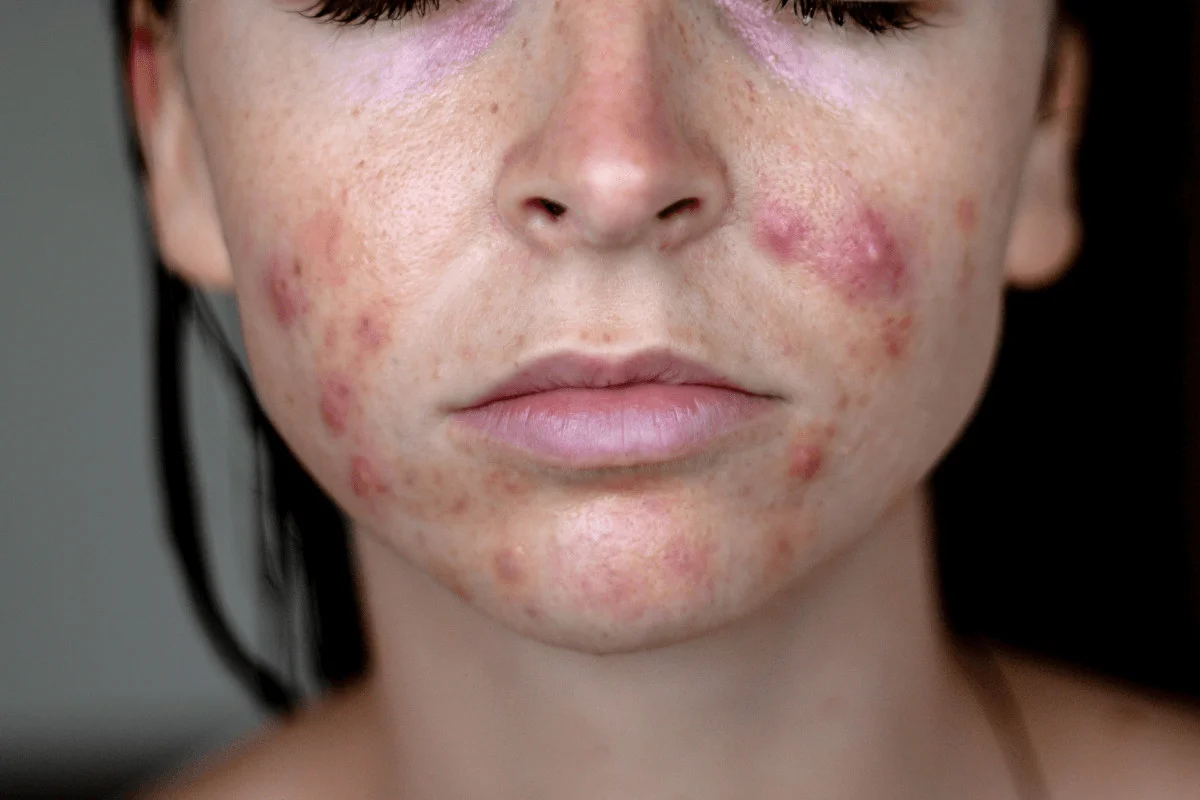
Acne can return in some cases, but it is often less severe than before treatment. The likelihood depends on factors such as skin type, hormonal influences, and total treatment dose. Maintenance care can reduce the risk of relapse.
Signs of Relapse and Management
Signs of relapse include new breakouts or increased oil production. Early management can help control symptoms before they worsen. A consistent routine and appropriate use of activities support long-term control.
Long Term Post Accutane Skin Care
Over time, the skin continues to adjust after treatment. Oil production may increase slightly, and sensitivity may decrease. Routine adjustments may be needed to match these changes.
How Skin Changes Over Time
Long-term care focuses on maintaining balance rather than aggressive treatment. The best post-acne skin care approach adapts gradually based on how the skin responds. This helps preserve results while minimizing irritation.
If you have questions about how your skin is recovering after treatment or want guidance on safe next steps, DermOnDemand can help you understand your options based on your skin type and current condition.