SkinCeuticals now sells an updated, patent-pending version of C E Ferulic. The brand says it keeps the same vitamin C, E, and ferulic acid levels and adds carnosine and Endophytol. The research cited here tested the original trio, so read the label before you buy.
Key Takeaways
- The best vitamin C serum pairs stable L-ascorbic acid at 10% to 20% with vitamin E and ferulic acid, and it comes in dark or airtight packaging. Strengths above 20% did not improve absorption in lab testing.
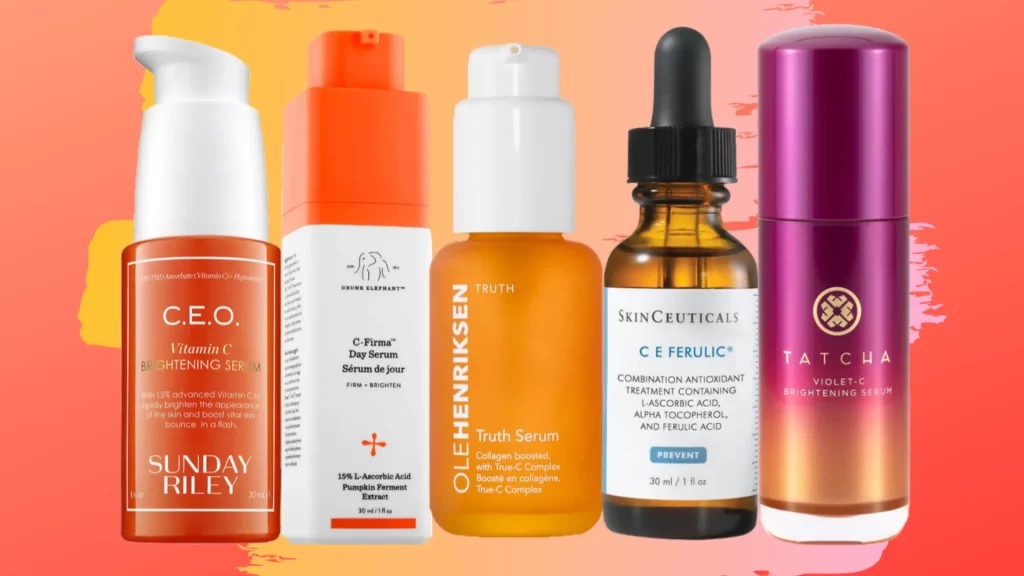
- SkinCeuticals C E Ferulic is the top pick at $185 for 30 ml, but an updated version now includes carnosine and Endophytol, so check the label before you buy.
- For sensitive skin, start at a lower strength or choose a gentler derivative such as sodium ascorbyl phosphate, and patch test first.
- Acne-prone and oily skin do best with light, water-based formulas, while dry or mature skin can use richer derivatives like THD ascorbate.
- Vitamin C works best as prevention and daily protection, and visible results can take up to three months. Pair it with sunscreen every morning, and keep retinoids or benzoyl peroxide for night.
Used daily, vitamin C helps protect skin from sun and pollution damage. Research also suggests it can help even out dark spots and support collagen. A 2013 review in the Indian Dermatology Online Journal, Vitamin C in dermatology by Pumori Saokar Telang, summarizes that evidence. At DermOnDemand, board-certified dermatologists led by Dr. Ross Atkins evaluate vitamin C formulations for safety, potency, and visible results.
Top Dermatologist-Recommended Vitamin C Serums
Best Vitamin C Serum for Acne-Prone Skin
Acne-prone skin does best with light, oil-free, water-based formulas that absorb fast. Harvard Health notes that salicylic acid in the formula can help with oil, and it cites a trial where twice-daily vitamin C reduced acne lesions, though few trials exist. Niacinamide, a separate ingredient, can calm skin and help fade marks left by breakouts.
- La Roche-Posay Pure Vitamin C10 Serum: 10% L-ascorbic acid with salicylic acid, hyaluronic acid, and vitamin E. The label also lists alcohol denat. and fragrance, which can bother reactive skin.
- Vichy Liftactiv 16% Pure Vitamin C Brightening Serum: 16% L-ascorbic acid with vitamin E and carnosine, fragrance-free and alcohol-free. Vichy lists it for oily and acne-prone skin. About $35 for 20 ml.
- Paula’s Choice C15 Brightening Super Booster: A 15% serum the brand calls gentle and lightweight, aimed at dark spots, dullness, and fine lines.
Best Vitamin C Serum for Sensitive Skin
Sensitive skin reacts to strong acids and fragrance. Cleveland Clinic advises starting at a low concentration, and a gentler derivative such as sodium ascorbyl phosphate or ascorbyl glucoside is another route. A dermatologist-recommended hyaluronic acid serum that includes vitamin C can help hydrate and protect the skin barrier.
- Naturium Vitamin C Complex Serum: Sodium ascorbyl phosphate plus stabilized L-ascorbic acid, fragrance-free, about $21 for 1 oz. Its listed pH is 5.5 to 6.5, above the low range that pigskin absorption research found L-ascorbic acid needs, so expect gentler, slower results.
- Avène A-Oxitive Antioxidant Defense Serum: Ascorbyl glucoside, a stable derivative, with a vitamin E precursor and hyaluronic acid. About $50 for 1 oz. It contains fragrance.
Best Vitamin C Serum for Mature Skin
Mature skin often runs drier, so match the active to a texture you can live with. The best vitamin C serum for aging skin is L-ascorbic acid with vitamin E and ferulic acid if you tolerate acids. If your skin runs dry or reactive, choose a richer derivative formula.
- SkinCeuticals C E Ferulic: 15% L-ascorbic acid, 1% vitamin E, and 0.5% ferulic acid in an acidic formula. In a 2005 lab study, ferulic acid doubled the photoprotection of the vitamin C and E solution.
- Sunday Riley C.E.O. 15% Vitamin C Brightening Serum: 15% THD ascorbate, an oil-soluble form that suits richer textures. It also lists glycolic acid, so patch test first. $85 for 1 oz.
Best Vitamin C Serum for Mature Skin Over 50 and 60
The best vitamin C serum for mature skin over 60 is the one your skin tolerates every day. Skin often gets drier with age, so many people over 50 do better starting with the gentler picks above and adding strength slowly. Prescription anti-aging treatment options, such as retinoids, work alongside a morning vitamin C step.
Best Vitamin C Serum for Dark Spots and Hyperpigmentation
The best vitamin C serum for dark spots and hyperpigmentation is an L-ascorbic acid formula, such as SkinCeuticals C E Ferulic or Vichy’s 16% serum.
Results build over weeks to months and can fade if you stop. Wear sunscreen daily, because sun exposure can darken spots again. Stubborn patches or melasma often need more. A dermatologist may add prescription options such as hydroquinone; the DermOnDemand melasma treatment page explains how that works.
Best Affordable Vitamin C Serum
An affordable vitamin C serum recommended by dermatologists has to clear the same bar as a pricey one: a stable form, a stated strength, and packaging that blocks light and air.
- Timeless 20% C + E Ferulic Acid Serum: About $28 for 1 oz. It pairs 20% L-ascorbic acid with vitamin E, ferulic acid, and hyaluronic acid. At 20%, it sits at the top of the range and may irritate sensitive skin.
- Naturium Vitamin C Complex Serum: About $21 for 1 oz and gentler, as covered in the sensitive skin picks.
Skin-Renewing and Korean Vitamin C Serums Compared
Many Korean formulas are light and gentle. Western options, like SkinCeuticals C E Ferulic, lean on stronger L-ascorbic acid with deeper research behind it.
The best Korean vitamin C serum passes the same form, strength, and packaging checks. Klairs Freshly Juiced Vitamin Drop (5% L-ascorbic acid, 35 ml, about $23) is a low-strength starter that sensitive skin can mix into moisturizer. Goodal Green Tangerine Vita C Dark Spot Care Serum pairs vitamin C derivatives with niacinamide and arbutin for uneven tone; its formula differs by version, so check the label.
Which Vitamin C Serum Gives the Best Results?
In a pigskin study, L-ascorbic acid needed a pH below 3.5 to enter the skin, and absorption peaked at 20%; higher strengths did not help. That is why dermatologists point to 10% to 20% in a stable formula.
Ferulic acid helps stabilize vitamin C and, according to Cleveland Clinic’s guide to ferulic acid, seems better at preventing damage than reversing it, so treat the combination as protection. The best vitamin C serum for glowing skin is one you use consistently, because visible change can take up to three months.
When you compare top-rated vitamin C serums, check the ingredient list and strength before the star rating. Not every brand states the percentage, so confirm it on the manufacturer’s website.
What Is the Best Vitamin C Face Serum According to a Dermatologist?
Dermatologists often choose stabilized L-ascorbic acid with vitamin E and ferulic acid. La Roche-Posay Vitamin C and SkinCeuticals C E Ferulic are two options with clear ingredient lists.
Why Dermatologists Recommend These Serums
How These Serums Were Chosen
No panel test was run for this guide. Each serum was screened on form, strength, packaging, tolerability, and evidence, using brand and retailer ingredient lists. Prices come from listings checked in October 2026 and change often.
Concentration and Clinical Benefits
The best topical vitamin C for face use is an active form such as L-ascorbic acid, not a weak derivative alone. Within that range, start lower if your skin is sensitive. Harvard Health describes one study in which fine and coarse wrinkles and skin texture improved after at least three months of daily use.
Stability and Packaging That Preserve Potency
Vitamin C breaks down in light, heat, and air. Choose dark or tinted glass over clear bottles. Airless pumps and capsules limit air exposure, and Vichy leaves inert gas in the bottle headspace to cut oxygen. Open droppers let air in. Store the bottle in a cool, dark place.
How to Choose the Right Vitamin C Serum
Matching Formulas to Your Skin Type
The best vitamin C serum for oily skin is usually a light, water-based gel, built into a dermatologist-recommended skincare routine for oily skin. For dry skin, go richer; THD ascorbate is oil-soluble, so it suits creamy textures.
Clinical-Grade vs Over-the-Counter Options
A medical-grade vitamin C serum often describes a product sold through dermatology offices, but the FDA does not define or approve cosmetic label claims like this one, so the label alone does not tell you the strength, form, or pH. Read the ingredient list and buy from a dermatologist’s office or a verified retailer.
Over-the-counter serums can work well when they state their strength and use stable packaging.
Dermatologist’s Advice for Sensitive Skin and Irritation Prevention
Start slow, apply every other day, and increase as your skin adjusts. Mild tingling can happen; stop and see a doctor if irritation is substantial. Patch test a small area first. Pairing with hyaluronic acid, a moisturizer, and a dermatologist-recommended face sunblock helps reduce dryness and irritation.
How to Use Vitamin C Serum Effectively
When and How to Apply
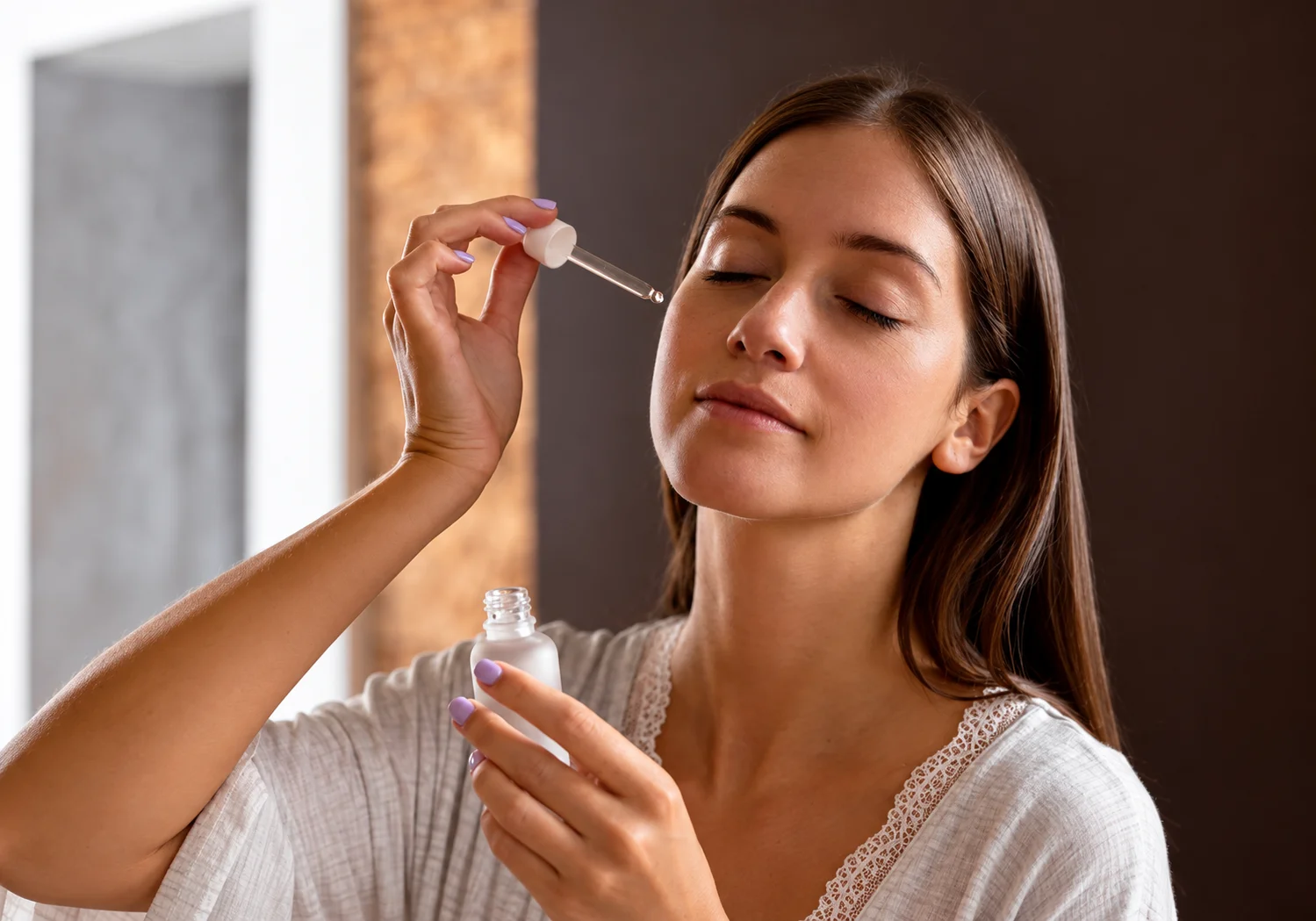
Cleanse, then pat 3 to 5 drops onto your face and neck in the morning. Let it absorb, then apply moisturizer and sunscreen; expect results after a few months, not days. Night use is also considered safe.
Layering with Retinol or Sunscreen
Vitamin C works alongside sunscreen, not in place of it. To keep your routine simple and limit irritation, use vitamin C in the morning and your prescription retinoid or benzoyl peroxide at night.
Common Mistakes to Avoid for Better Results
- Skipping sunscreen after using vitamin C
- Using too strong a concentration for your skin type
- Mixing with harsh acids before your skin adjusts
- Storing the bottle in a warm, bright bathroom