Yes, Accutane can help reduce blackheads by lowering oil production and improving how skin cells shed, making pores less likely to become clogged, though results vary by person.
This article explains how isotretinoin works on blackheads, why improvement takes time, and when blackheads may persist despite treatment.
The information is presented as an educational explainer, aligned with the clinical standards used by dermatologists at DermOnDemand and informed by medical experts, including Dr. Alicia Atkins.
Key Takeaways
- Isotretinoin can help reduce blackheads by lowering oil production and improving the shedding of skin cells, making pores less likely to become clogged over time.
- Blackheads, whiteheads, and sebaceous filaments form through related but distinct processes, and isotretinoin may improve their appearance differently depending on skin type and oil activity.
- Improvement in blackheads usually takes several weeks to months, and some people experience temporary worsening early in treatment before pores begin to clear.
- Results vary between individuals, and while many patients see long-term improvement, isotretinoin does not guarantee permanent clearance of acne or complete removal of all blackheads.
- Isotretinoin requires careful medical monitoring due to potential side effects and strict pregnancy precautions, and it does not treat acne scarring or other non-active skin changes.
How Accutane works on blackheads
Isotretinoin, commonly known as Accutane, is used to treat severe or long-standing acne that has responded poorly to other treatments. It works by shrinking the sebaceous glands, reducing oil production in the skin. With less oil available, pores are less likely to stay clogged.
Blackheads form when oil and dead skin cells collect inside pores and oxidize at the surface. Isotretinoin alters how each skin cell grows and sheds, reducing this buildup. So, does Accutane remove blackheads? In short, it definitely can, as part of its broader effect on treating acne.
Does Accutane remove clogged pores?
Clogged pores develop when oil, dead skin cells, and bacteria collect inside follicles. Isotretinoin reduces sebum production and improves skin cell turnover, helping pores gradually clear. It does not extract debris directly; rather, it changes the conditions that cause blockages.
This distinction matters when starting Accutane. Improvement is gradual and depends on how the skin responds over time.
Oil reduction and pore normalization
Reduced sebum production is central to the improvement of blackheads, which is explained in more detail when discussing Accutane and oily skin.
When oil levels fall, pores are less likely to stretch and trap debris. Over a full course of Accutane, pore activity often becomes more stable, though results vary between individuals.
Blackheads, whiteheads, and sebaceous filaments
Blackheads and whiteheads are both types of comedonal acne caused by oil and dead skin cells. Blackheads are open comedones, while whiteheads remain closed under the skin. Sebaceous filaments are different and often mistaken for blackheads, especially on the nose.
Sebaceous filaments are typical structures that help move oil to the surface. Isotretinoin may make them less noticeable, but they do not disappear completely.
Open vs closed comedones
Both blackheads and whiteheads can improve with isotretinoin because they share the same root causes. However, whiteheads and inflamed acne breakouts may respond faster than blackheads.
Sebaceous filaments on the nose
The nose has higher oil activity, so filaments are more visible. This explains why questions about blackheads on the nose are common and why complete clearance is not always possible.
Does Accutane help with both blackheads and whiteheads?
The answer is often yes, but not uniformly. By reducing oil and limiting dead skin cell buildup, isotretinoin improves the environment that allows comedones to form.
Results differ based on genetics, hormones, and acne history. A female patient with hormonal influences may respond differently from someone with primarily cystic acne.
Why both often improve
Because both lesion types form from clogged pores, isotretinoin can improve them together. This is why it is often used for persistent acne that has not responded to oral antibiotics or topical care.
Why results differ
Response varies by individual factors and prior treatment history. Some patients need multiple treatment courses, while others achieve long-lasting improvement after a single course.
Blackheads on the nose and problem areas
The nose has larger, more active sebaceous glands, which make blackheads harder to fully clear. Reduced sebum production often improves appearance, but pores do not disappear.
Why is the nose harder to clear?
Higher oil output means congestion returns more easily in this area. This explains why improvement may be slower or less complete on the nose.
What improvement looks like
Improvement usually means fewer, smaller blackheads and a smoother skin texture, as seen in Accutane nose before-and-after results.
Sebaceous filaments may remain visible but less prominent.
Timeline: when blackheads start to clear
Patients often want to know how long it takes for improvement. Oil reduction begins early on in treatment, but visible changes may take weeks.
Early changes and purging
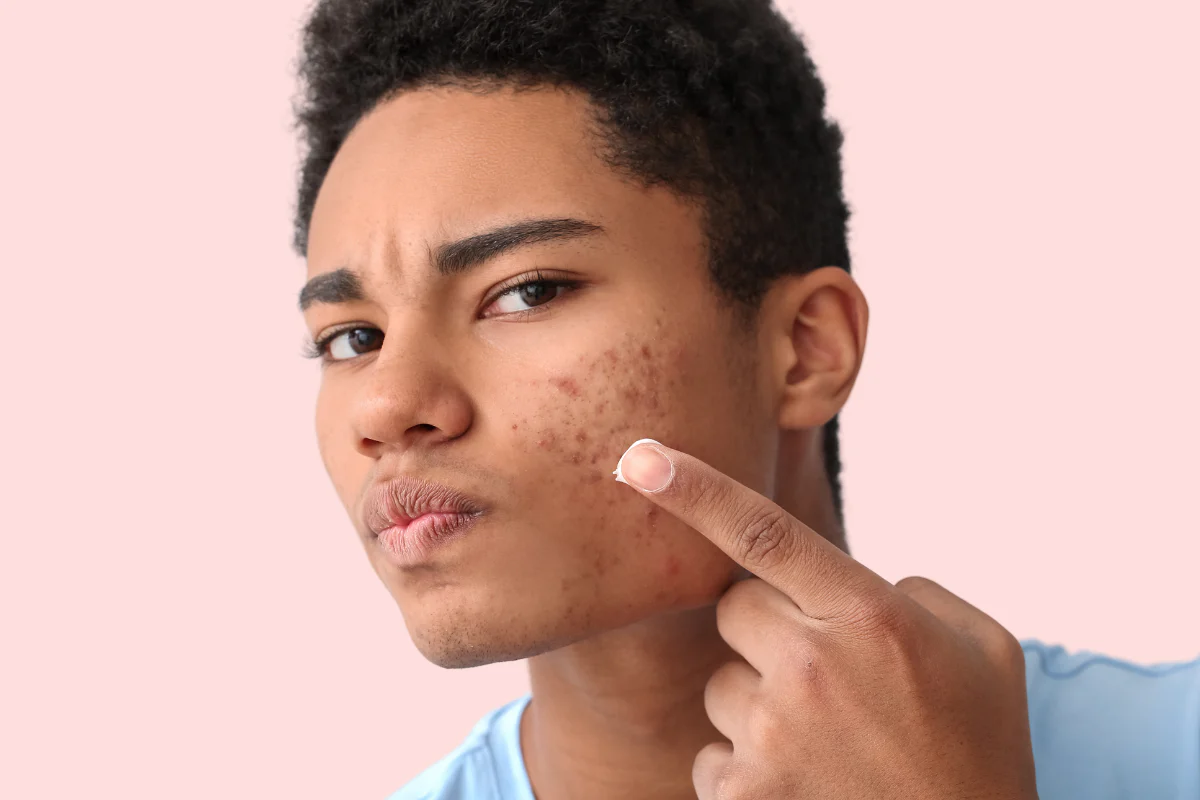
Some people experience temporary worsening, often called purging. Blackheads or acne breakouts may appear more noticeable at first, but this usually settles as treatment continues.
When improvement appears
Clearer pores often become noticeable after several weeks to a few months. A full course of Accutane allows enough time for skin cell cycles to normalize.
Before and after Accutane results
Before-and-after changes usually show fewer clogged pores and less oiliness. Blackheads often become less frequent and less deep.
What typically improves
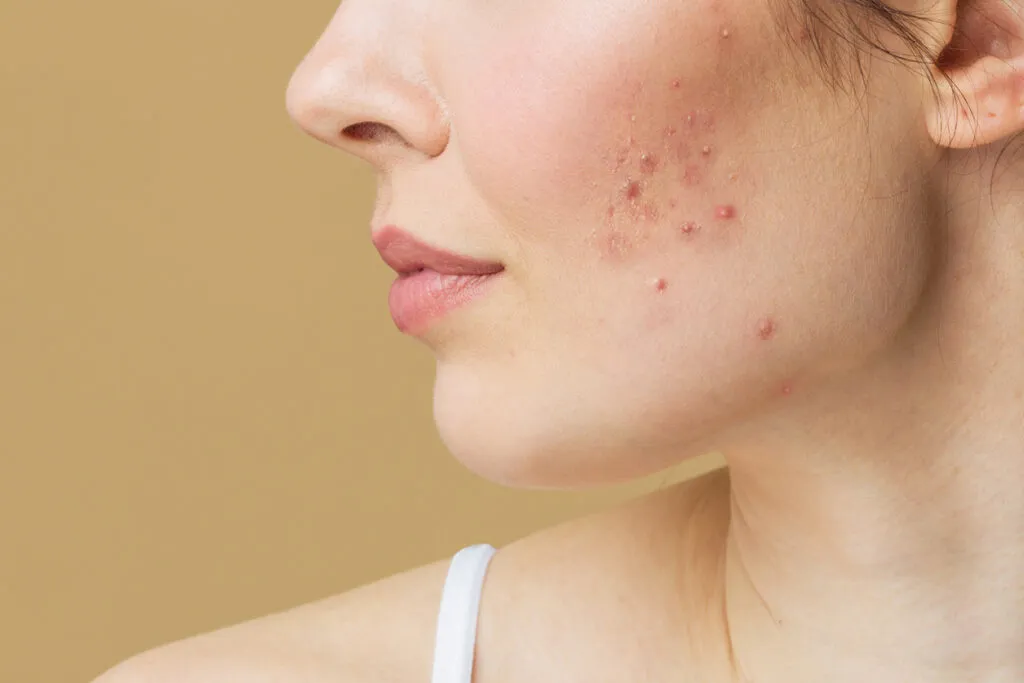
Inflamed acne, including cystic acne, often shows the most dramatic response. Blackheads and whiteheads usually improve more gradually.
What may remain
Isotretinoin does not treat acne scarring. Acne marks from the past may persist and require other approaches.
Does Accutane always work?
While many people improve, no treatment is effective for everyone. Some patients continue to have mild or persistent acne.
Who responds best
Those with severe inflammatory acne or acne that has responded to other treatments only temporarily often benefit most.
Why outcomes vary
Hormones, genetics, and adherence to monitoring all affect results, especially in conditions such as Accutane and PCOS. Some patients may need maintenance care after treatment.
Does Accutane get rid of blackheads long-term?
Reduced sebum production can persist after treatment, which helps maintain clearer pores. This is why some patients have long-term improvement.
Durability of results
Many people stay clear for long periods, but blackheads can return if oil production increases again.
Risk of recurrence
Recurrence is more likely in patients with hormonal acne or a history of persistent acne.
Remission vs permanent clearance
Remission means acne stays controlled without ongoing medication. Permanent clearance cannot be guaranteed for any patient.
What Accutane does not treat
Isotretinoin treats active acne but does not reverse acne scarring or fully remove sebaceous filaments.
Acne scars vs active acne
Scars result from prior inflammation and need separate treatment once acne is controlled.
Safety and treatment limits
Isotretinoin has strict safety rules due to potential side effects. Regular monitoring is required throughout treatment.
Monitoring and common side effects
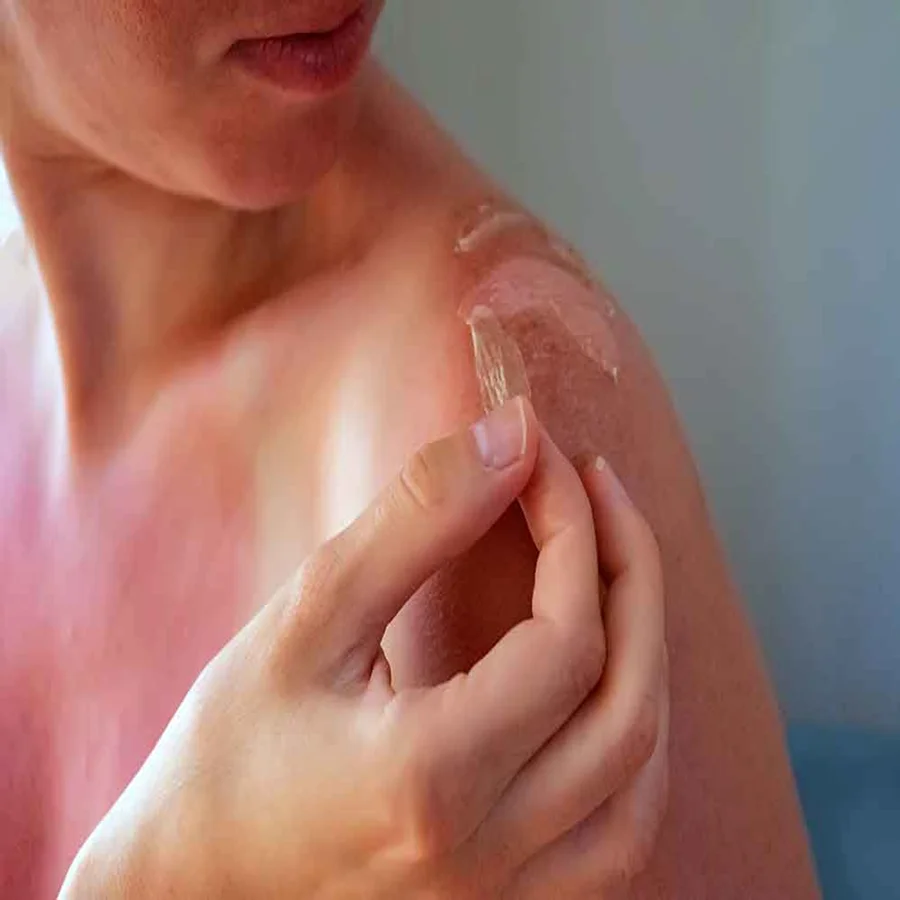
Potential side effects include dry skin, lip irritation, and lab changes. Monitoring helps manage these risks during treatment.
Who should not use Accutane?
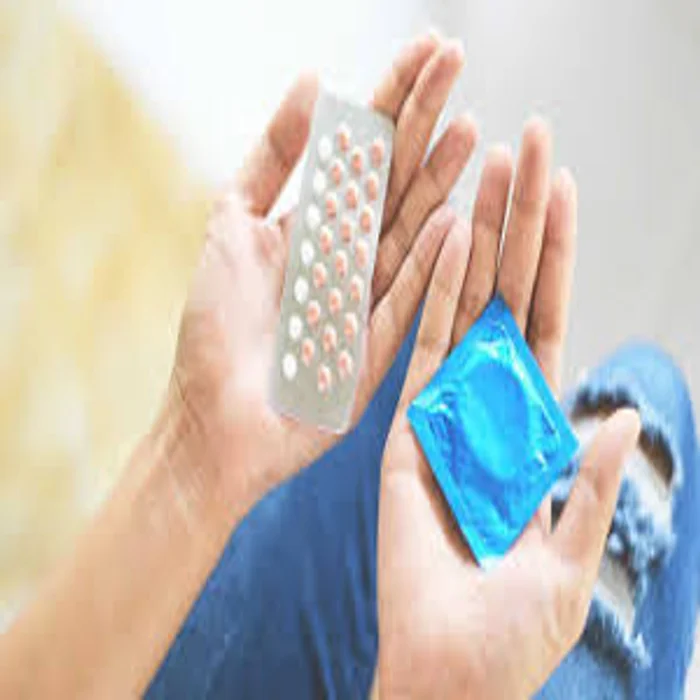
Isotretinoin is unsafe during pregnancy. Female patients must use reliable contraception, such as birth control pills, and provide negative pregnancy tests before and during therapy. These precautions are essential for safe use.
FAQs on the effects of Accutane
Does Accutane cure acne?
Accutane does not cure acne in the medical sense. It can lead to long-term remission by deeply reducing oil production and normalizing skin cell turnover, but acne can return in some people over time. So, does Accutane permanently get rid of acne? Not necessarily. Isotretinoin can induce long-term remission, but it is not considered a permanent cure.
Does Accutane completely get rid of blackheads?
Accutane can significantly reduce blackheads by lowering sebum levels and preventing new clogs. However, some blackheads or visible pores may persist, especially on the nose.
How long does it take for Accutane to improve blackheads?
Improvement usually begins after several weeks, with more precise results developing over a few months. A full course of treatment is often needed to see the maximum effect.
Why do blackheads sometimes look worse at first on Accutane?
Early in treatment, existing clogged material may surface faster as skin cell turnover increases. This temporary phase can make blackheads appear more noticeable before improvement occurs.
Does Accutane work for everyone with acne?
Accutane is very effective for many people, especially those with severe or persistent acne, but responses vary. Factors like hormones, genetics, and acne type influence results.