Long-term Accutane effects are uncommon for most patients, and extensive follow-up studies show that serious or permanent problems are rare when the medication is used under proper medical supervision.
This article explains what researchers and clinicians know about the long-term effects of Accutane, including which concerns are well established and which remain debated.
Drawing on published studies and clinical experience, Dr. Alicia Atkins, a board-certified dermatologist, emphasizes the importance of distinguishing between evidence-based risks and anecdotal reports.
DermOnDemand provides this overview as an educational resource to help patients better understand isotretinoin and its potential long-term side effects.
Key Takeaways
- Many symptoms reported after treatment, such as dry skin, eye irritation, or joint discomfort, are linked to reduced oil production and usually improve gradually after Accutane is stopped.
- Concerns about mental health, digestive disease, and fertility continue to be studied. Still, current evidence does not prove that isotretinoin directly causes long-term psychiatric disorders, inflammatory bowel disease, or lasting fertility issues.
- Strict safety programs enforced by the Food and Drug Administration (FDA) focus on preventing pregnancy during treatment because Accutane can cause severe birth defects, not because it causes permanent reproductive harm after use.
- Online reports often describe severe or persistent symptoms, but these accounts do not reflect typical outcomes and should be interpreted alongside high-quality medical studies and clinical evidence.
Are There Long-Term or Permanent Effects of Accutane?
Accutane, also known as isotretinoin, is a powerful acne treatment used for severe or treatment-resistant acne, and its success rate helps explain why it is often considered when other therapies fail.
Many patients ask whether its effects can persist long after therapy ends. Research shows that most people do not experience lasting problems, but some report symptoms that continue or appear later.
When discussing Accutane’s permanent side effects, it is important to distinguish between proven risks and ongoing research questions. Long-term effects remain an area of active study, and results vary among individuals. Most data suggest that serious permanent harm is uncommon.
Most Serious Accutane Side Effects
The most serious risks of isotretinoin are well documented and closely monitored during treatment. These risks explain why strict safety programs exist in the United States and other countries. Serious potential side effects include severe birth defects if exposure occurs during pregnancy.
Because of this risk, the FDA requires negative pregnancy tests and careful monitoring for anyone who can become pregnant. Mental health concerns such as depression and suicidal thoughts have also been reported, although a direct causal link remains debated. These risks highlight why isotretinoin is prescribed with caution.
How Accutane Works in the Body
Accutane is a vitamin A derivative that reduces sebum production. By shrinking sebaceous glands, it lowers the environment that allows acne-causing bacteria to thrive. This mechanism explains why it can be effective when other acne treatment options fail.
The exact process also explains many common side effects of Accutane. Reduced oil affects the skin, eyes, and mucous membranes throughout the body. These changes usually improve after treatment but may feel significant during therapy.
Long-Term Side Effects of Accutane
The term “long-term side effects of Accutane” refers to symptoms that persist after treatment or become apparent later. Extensive follow-up studies suggest these effects are uncommon and often mild. Still, some patients describe ongoing symptoms.
Reported issues fall into several categories. Side effects include dryness, musculoskeletal discomfort, and mood-related symptoms. Understanding these categories helps patients evaluate what is known versus what remains uncertain.
Skin, eye, and mucosal symptoms
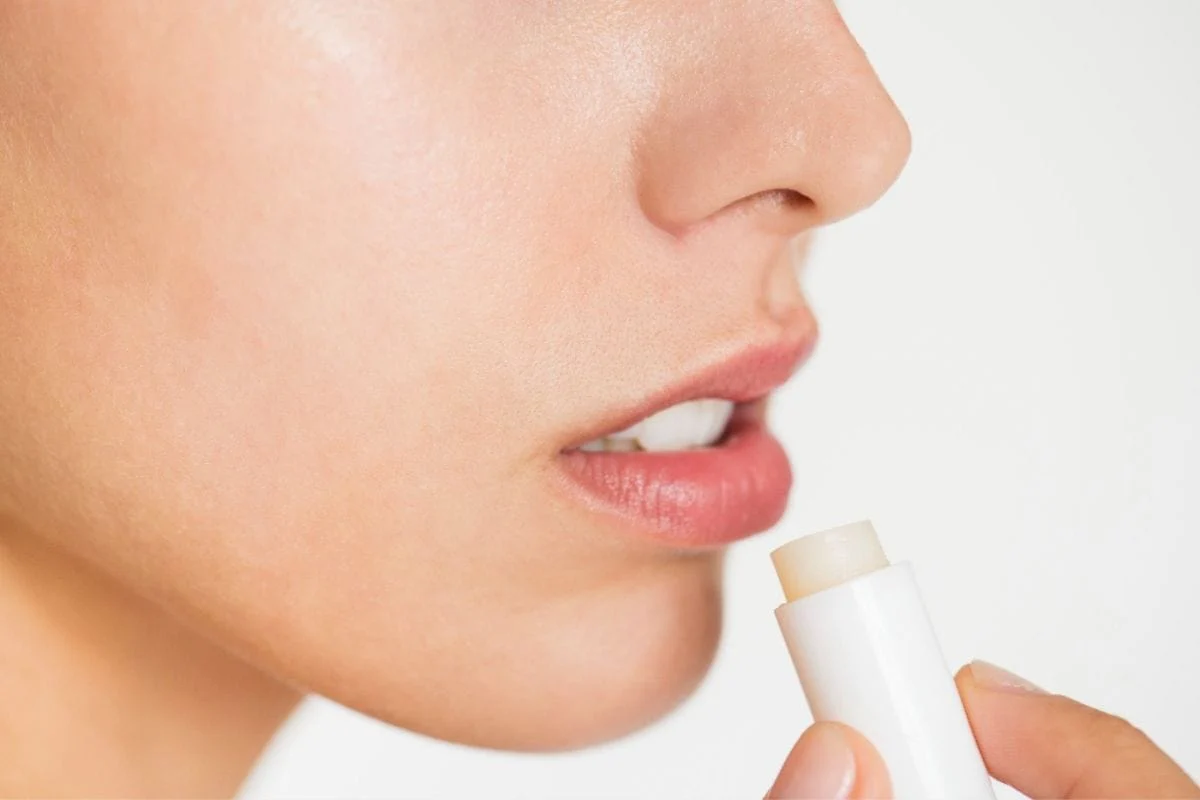
Some patients report lingering dry skin, chapped lips, or eye irritation. These symptoms relate to oil suppression and may last longer in some individuals. Supportive care, such as using a ceramide-based moisturizer twice daily, along with lip balms and eye drops, is often sufficient.

Joint, muscle, and fatigue symptoms
Joint pain and muscle aches are recognized effects during treatment. Long-term persistence appears rare, but some people describe stiffness or fatigue afterward. Studies have not shown a clear link between dose and lasting symptoms.
Mood and cognitive symptoms
Concerns about mental health receive significant attention. Depression and anxiety have been reported during and after treatment, but extensive studies do not prove causation. Monitoring mental health remains a standard part of care.
Long-Term Effects of Accutane on the Body
When looking at the body as a whole, long-term effects of Accutane appear limited and vary by system. Research focuses on skin recovery, hormonal balance, and reproductive health, with most findings showing a return to baseline after treatment ends. This section reviews what studies show across different groups, helping patients understand which concerns are supported by evidence and which remain unlikely based on current data.
Long-term Effects of Accutane on skin
Long-term effects of Accutane on the skin are among the most common concerns. Many patients notice increased sensitivity, dryness, or slower healing for some time after therapy. These changes often improve gradually.
The skin barrier may take months to recover fully. Using gentle cleansers, moisturizers, and sun protection supports recovery. Permanent structural skin damage has not been demonstrated in clinical studies.
Long-term side effects of Accutane in females
Regarding hormonal and reproductive health, research does not show lasting disruption after treatment. Menstrual cycles typically return to normal once therapy ends.
Some women report vaginal dryness or discomfort. These symptoms may be due to mucosal dryness rather than hormonal changes. There is no evidence that isotretinoin causes permanent reproductive harm when pregnancy prevention rules are followed.
Long-term side effects of Accutane in males
Data on long-term side effects of Accutane in males are more limited but generally reassuring. Studies do not show lasting effects on testosterone levels or sperm quality. Most male patients return to baseline after treatment.
Muscle soreness or joint pain may persist briefly in some individuals. These symptoms usually resolve without intervention. Permanent musculoskeletal damage has not been demonstrated.
Does Accutane affect fertility long-term?
Questions about fertility are common. Available evidence shows that isotretinoin does not reduce fertility in males or females once the drug is cleared from the body. The medication has a short half-life.
The primary fertility concern relates to pregnancy exposure, not future reproductive ability. The FDA requires strict prevention programs to reduce the risk of birth defects. After treatment, fertility returns to normal.
Side Effects After Stopping Accutane
Side effects from coming off Accutane often involve gradual improvement rather than the onset of new symptoms. Dryness, sensitivity, and fatigue usually lessen over weeks to months. The body adjusts as oil production resumes.
Some patients notice changes more clearly after stopping because active acne is gone. This contrast can make residual symptoms more noticeable. Long-term follow-up studies suggest these effects are temporary for most people.
Symptoms That May Persist After Treatment
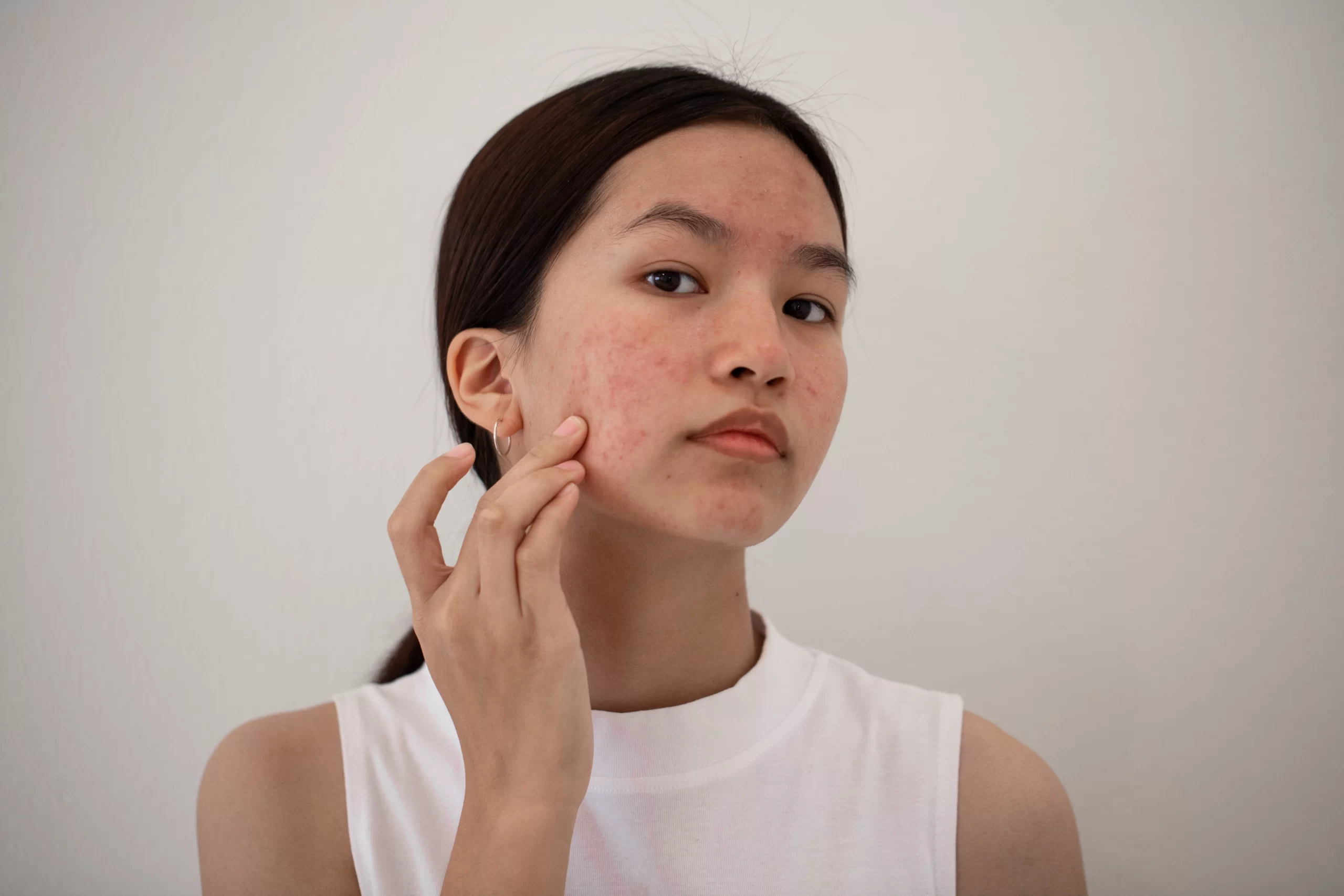
After stopping Accutane, some symptoms may linger as the body readjusts to normal oil production. Dry skin, lip sensitivity, mild eye irritation, or temporary fatigue are the most commonly reported issues. These effects usually improve over time and tend to resolve gradually rather than remain permanent.
What to expect after finishing Accutane
Most patients see a gradual improvement in dryness and sensitivity. Oil production returns slowly, and the skin barrier strengthens over time. Many people can resume wearing contact lenses comfortably again once Accutane has left the system.
Follow-up care focuses on maintenance and monitoring, often within a broader acne treatment plan tailored to the patient’s skin and history.
DermOnDemand clinicians often emphasize realistic expectations and individualized care plans. Understanding the evidence helps patients feel informed and prepared.
Accutane and digestive symptoms years later
Accutane-related stomach problems years later are frequently discussed online. Some individuals report abdominal pain or bowel changes long after treatment. These reports raise concerns about inflammatory bowel disease (IBD).
Extensive studies have not confirmed that isotretinoin causes IBD. Current evidence does not show that the medication increases the risk of developing chronic digestive disease. A clinician should still evaluate persistent symptoms.
What Does the Medical Evidence Say?
Medical evidence from long-term follow-up studies shows that most people do not experience serious or permanent side effects after Accutane. When persistent symptoms occur, they are usually mild and most often involve dryness or occasional joint discomfort. Extensive studies have not confirmed a causal link between isotretinoin and chronic conditions such as inflammatory bowel disease, infertility, or long-term psychiatric disorders, reinforcing that severe outcomes are uncommon when the medication is prescribed and monitored appropriately.
What long-term studies show
One extensive follow-up study of over 700 patients found that fewer than 10 percent reported persistent symptoms years later. Most issues involved mild dryness or joint discomfort. No pattern linked these symptoms to dose or duration.
These findings support the view that long-term Accutane effects are uncommon. They also contrast with anecdotal reports, highlighting the importance of population-level data. Blood testing during treatment helps monitor cholesterol levels and liver function.
Online reports vs medical evidence
Online forums often highlight severe or persistent symptoms. These accounts can be distressing, but do not represent typical outcomes. Case series describe self-reported experiences without proving cause and effect.
Medical evidence relies on controlled studies and long-term follow-up. These data suggest serious long-term harm is uncommon. Understanding this difference helps patients interpret what they read online.
What we still don’t know
Medicine does not have all the answers. Some reported symptoms lack clear explanations, and research continues. Individual susceptibility may play a role.
Current evidence does not support widespread permanent harm. Still, clinicians acknowledge uncertainty and encourage ongoing study. This balanced view aligns with responsible medical practice.
Common misconceptions about Accutane
Several myths persist about isotretinoin. One is that it permanently damages organs in most users, which studies do not support. Another is that it always causes severe mental health problems.
In reality, typical side effects of Accutane are predictable and monitored. Serious outcomes are rare when guidelines are followed. Education helps reduce fear and misinformation.
Other FAQs About Accutane
Can Accutane cause canker sores?
Dryness of the mouth can be a contributing factor, but sores are not a common direct effect.
Can Accutane help eczema?
It may worsen eczema due to increased dryness rather than improve it.
Can Accutane be taken with doxycycline?
This combination is avoided because it may increase the risk of increased intracranial pressure.
Can Accutane cause long-term dry eyes?
Some people notice eye dryness that lasts beyond treatment, but symptoms usually improve with time and lubricating eye drops.
How long do side effects last after stopping Accutane?
Most side effects fade over weeks to months as oil production returns and the body adjusts after treatment ends.
Discover More Great Insights About Skin
Ongoing skin care doesn’t end with a single treatment. Long-term skin health often involves maintenance, monitoring, and a broader acne care strategy tailored to each person’s skin type and medical history.
Clinicians frequently emphasize realistic expectations and individualized care plans, helping patients understand how their skin may change over time. Staying informed about the evidence behind treatments empowers people to make confident, well-guided decisions about their skin health.