People often search for sun rash Accutane when they notice skin irritation after being outside during isotretinoin treatment. This article explains why the reaction can happen, what it may look like, and how people can care for their skin safely.
Dermatologist Dr. Alicia Atkins notes in medical guidance shared through DermOnDemand that sun sensitivity is a known side effect of Accutane (isotretinoin) therapy.
Key Takeaways
- Isotretinoin can make the skin more sensitive to sunlight because it reduces oil production and weakens the natural skin barrier, increasing the risk of irritation after sun exposure.
- A sun rash during Accutane treatment may appear as redness, small bumps, itching, or burning on areas exposed to sunlight, such as the face, neck, arms, or chest.
- Consistent sun protection helps reduce the risk of an Accutane sun-exposure rash, including using sunscreen, wearing long-sleeved clothing, and wearing a wide-brimmed hat outdoors.
- Most mild rashes improve when sun exposure is reduced, and gentle skincare products such as moisturizers, lip balm, and petroleum jelly help support skin recovery.
- Medical evaluation may be necessary if the rash becomes severe, spreads, causes blistering, or does not improve with sun protection and basic skin care measures.
Does Accutane Cause Sun Rash?
Isotretinoin is a powerful acne treatment used when other options do not work, and this medication is explained in detail in this guide to Accutane isotretinoin treatment. The medicine reduces oil production and changes how each skin cell develops. These changes help clear clogged pores and lower inflammation.
The same changes can also make skin sensitive to the sun. When the skin barrier becomes weaker, ultraviolet light can irritate the skin more easily. Some patients develop redness or an acne rash from sun exposure during treatment.
How Accutane Increases Sun Sensitivity
Isotretinoin shrinks oil glands in the skin. Lower oil production means the skin has less natural protection from the environment. This makes sunlight more likely to irritate the skin.
The skin surface may also become thinner and drier. Many patients experience dry skin, chapped lips, and dry eyes during therapy. These changes increase sensitivity to heat and sunlight.
How UV Exposure Triggers Accutane Rash
Ultraviolet radiation damages skin cells and causes inflammation. Skin that is already fragile reacts faster to this damage. As a result, even short periods of sun exposure can trigger redness or irritation.
This reaction is often called an Accutane sun exposure rash. It may appear after outdoor activities such as walking, exercising, or driving in bright sunlight.
What Does Accutane Rash Look Like?
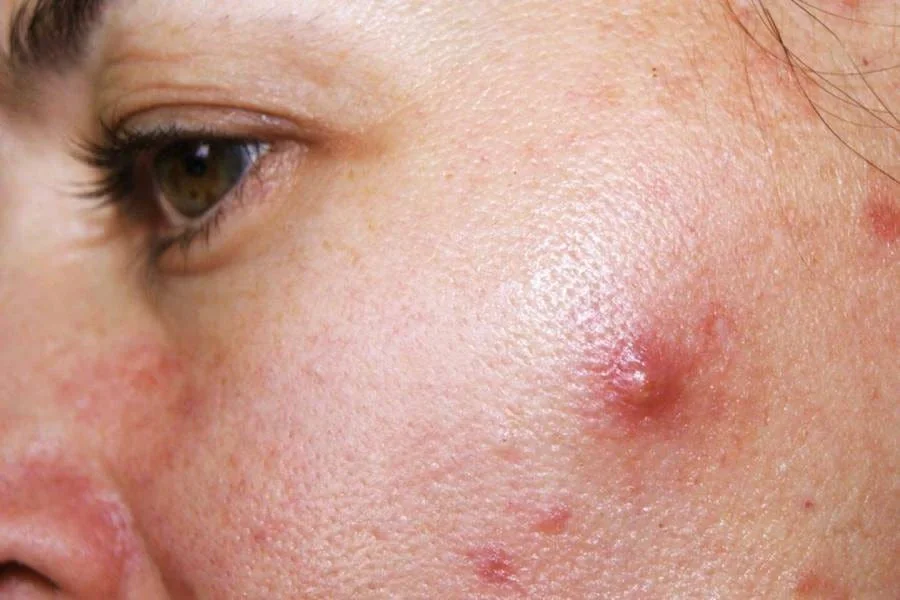
Patients often want to know what a sun rash or an Accutane reaction looks like. The rash usually develops on areas that receive the most sunlight. The face, neck, chest, and arms are common areas.
The reaction may look like red patches, small bumps, or mild swelling. The skin may feel warm or itchy. Because the skin is already dry during treatment, irritation may feel stronger than usual.
Common Signs Of Accutane Sun Exposure Rash
Several symptoms appear often in people taking isotretinoin. These symptoms usually begin soon after exposure to sunlight.
Common signs include:
- Red or irritated patches
- Small bumps on exposed skin
- Burning or itching sensations
- Increased dryness or peeling
These symptoms often improve once sun exposure stops and the skin receives gentle care.
Accutane Rash Vs Sunburn
A normal sunburn usually appears after prolonged exposure to sunlight. The skin becomes red, hot, and painful. In contrast, an Accutane rash in the sun may develop more quickly and sometimes cause itching.
Healing patterns can also differ. Sunburn often fades in a few days. A photosensitive rash may last longer if dryness and irritation persist.
Accutane Sun Exposure Rash Treatment
Most mild reactions improve with simple skin care. Reducing sunlight exposure allows the skin to calm and heal. Gentle products help restore moisture and reduce irritation.
Basic care steps may include:
- Applying fragrance-free moisturizer
- Using petroleum jelly on very dry areas
- Drinking enough water
- Avoiding additional sun exposure
These steps help the skin barrier recover.
What To Do If You Get A Rash On Accutane
If irritation occurs, the first step is to reduce exposure to direct sunlight. Wearing long-sleeved clothing and staying in shaded areas can prevent more irritation. Gentle skin care products also help calm the skin.
Patients should avoid strong scrubs or harsh exfoliating products. These can worsen dryness and irritation. Items like lip balm and eye drops may help manage other dryness symptoms that appear during treatment.
Dermatologist Treatments For Sun Rash
When irritation becomes stronger, a dermatologist may evaluate the skin. Some cases may need prescription creams that reduce inflammation. These are among the effective treatments used for medication-related skin reactions.
Doctors also monitor patient health during therapy. Blood tests may check cholesterol levels because isotretinoin can sometimes raise them. Monitoring helps ensure the treatment remains safe.
How To Prevent Accutane Rash From the Sun
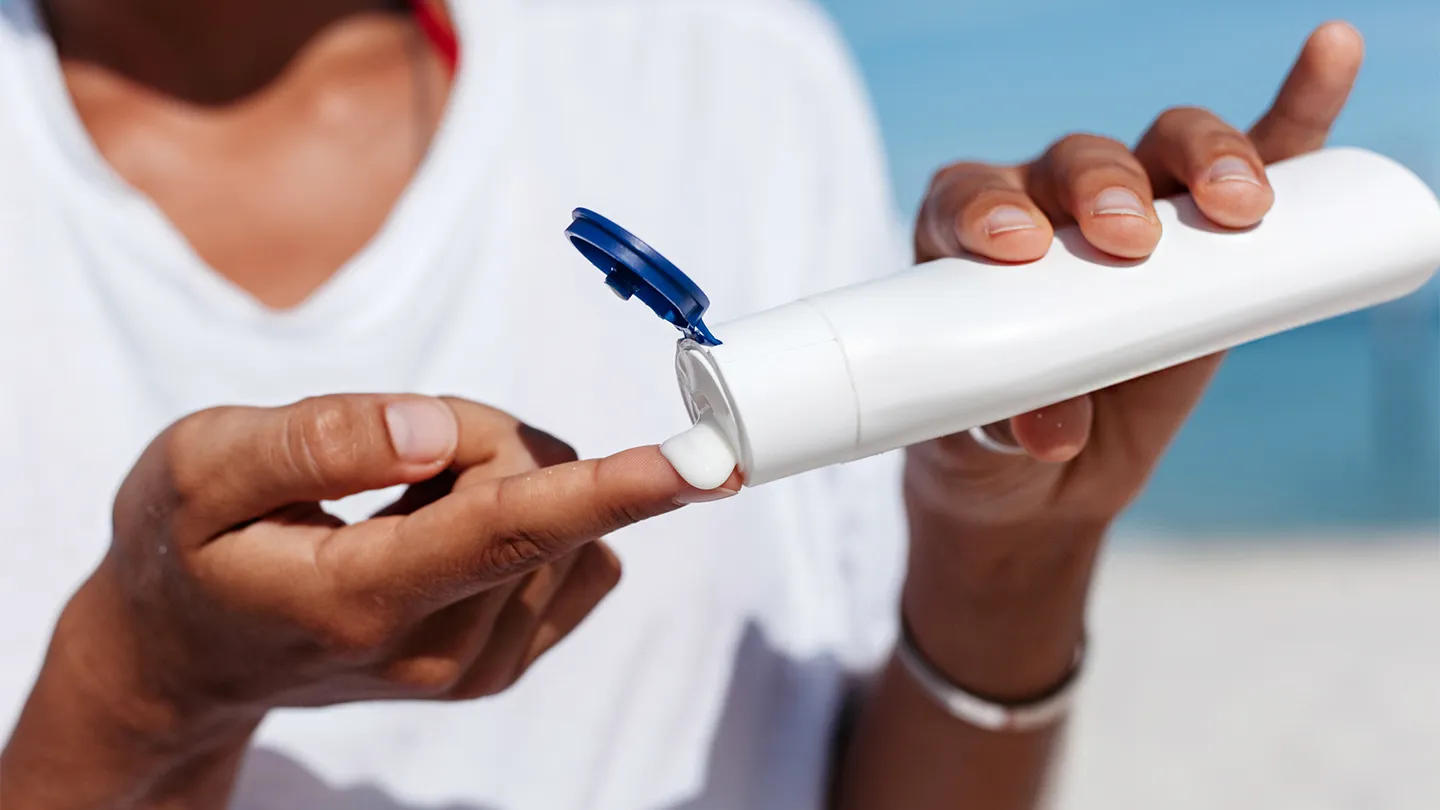
Prevention focuses on limiting ultraviolet exposure and protecting the skin barrier. Consistent sun protection helps reduce the risk of an Accutane sun-exposure rash. These habits also reduce discomfort during treatment.
Daily steps that help protect your skin include:
- Applying broad-spectrum sunscreen
- Wearing a wide-brimmed hat outdoors
- Choosing long-sleeved clothing when possible
- Avoiding midday sun when possible
These habits reduce the amount of ultraviolet radiation that reaches the skin.
Daily Sun Protection During Accutane
Sun protection should become part of the daily routine. Sunscreen should be applied each morning and reapplied after sweating or swimming. Protective clothing adds another layer of defense.
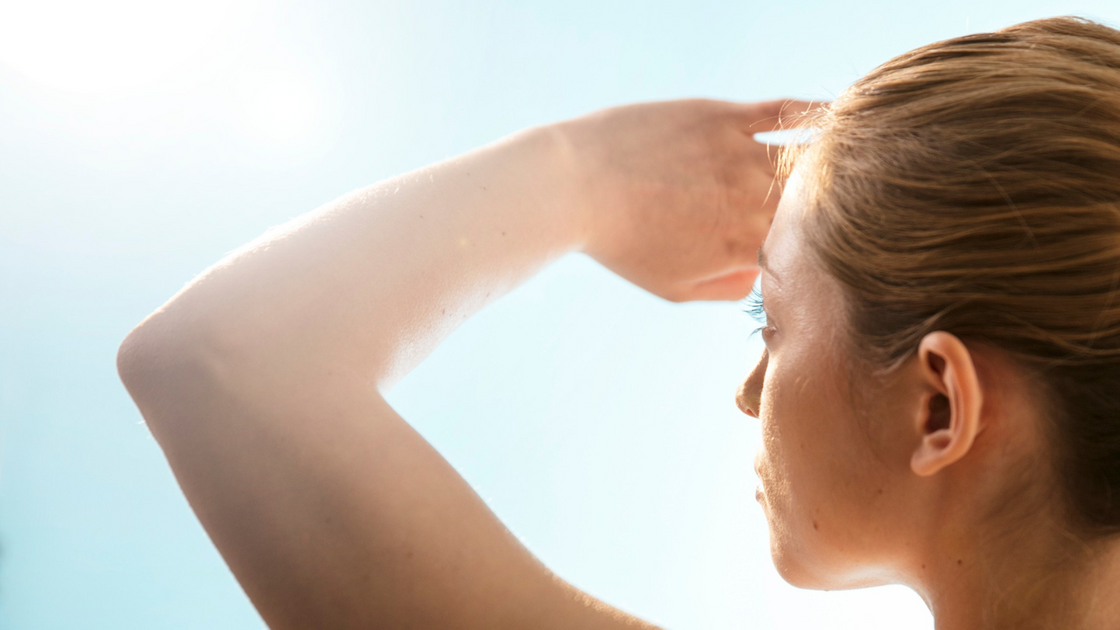
A wide-brimmed hat protects the face, scalp, and neck from direct sunlight. Long sleeves help protect the arms and shoulders. These measures reduce the risk of Accutane rash from sun exposure.
Skincare Habits That Reduce Sun Sensitivity
Simple skin care habits also help reduce irritation. Gentle cleansers and moisturizers support the skin barrier. Hydrated skin reacts less strongly to sunlight.
Products that contain alcohol or harsh ingredients should be avoided. These products increase dryness and irritation. Consistent moisturizing helps maintain skin comfort during therapy.
Who Is At Higher Risk Of Sun Rash
Not everyone taking isotretinoin develops a rash after sun exposure. Certain factors increase the likelihood of photosensitivity. Skin type and lifestyle habits can influence risk.
People who spend long periods outdoors may notice irritation more often. Sun exposure during peak daylight hours increases ultraviolet damage.
Skin Type And UV Sensitivity
People with lighter skin often burn more easily because they have less protective pigment. When isotretinoin reduces the oil barrier, this sensitivity may increase further. Sun protection becomes especially important for these individuals.
Wearing protective clothing and using sunscreen can lower the risk of irritation. These habits help prevent reactions such as sun rash from Accutane.
Dose And Treatment Duration
Higher doses of isotretinoin can cause stronger skin changes. Longer treatment courses may also increase sensitivity. Patients often notice dryness and irritation during the early months after starting Accutane.
Medical monitoring is a normal part of treatment. Some programs require a pregnancy test before and during therapy because isotretinoin carries serious pregnancy risks.
How Long Does Accutane Sun Sensitivity Lasts
Sun sensitivity usually continues throughout treatment. Most patients remain sensitive to sunlight while taking isotretinoin. Irritation may occur if sun protection is inconsistent.
Once treatment ends, the skin slowly returns to normal, although some patients may still have questions about the long-term effects of Accutane.
Oil glands begin producing natural oils again, which helps strengthen the skin barrier.
Recovery After Isotretinoin Treatment
After treatment ends, the skin slowly returns to normal, and some patients later transition to treatments discussed in this guide on tretinoin after Accutane. The skin barrier becomes stronger, and irritation decreases. This process may take several weeks.
During this period, continued sun protection is helpful. Wearing sunscreen and protective clothing prevents irritation while the skin heals.
Antibiotic Vs Accutane Sun Sensitivity
Some antibiotics used in dermatology can also cause sun sensitivity. These medicines react with ultraviolet light, causing skin irritation. The reaction may resemble photosensitivity from isotretinoin.
However, the causes differ. Antibiotic reactions involve chemical changes in the skin, whereas isotretinoin reactions involve structural changes in the skin barrier.
When Sun Rash On Accutane Needs Medical Care
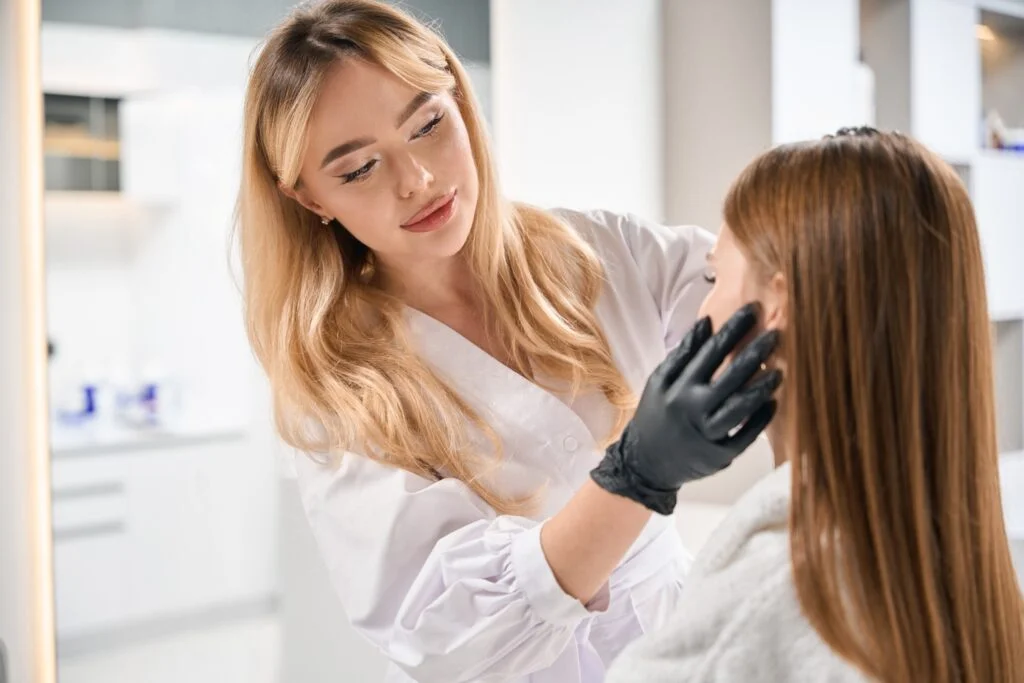
Most mild reactions improve with sun protection and gentle care. However, some symptoms may indicate a stronger reaction that requires medical attention. Recognizing warning signs helps protect patient safety.
Patients should seek medical advice if irritation worsens or spreads despite sun protection. Dermatologists can determine whether the reaction relates to medication or another skin condition.
Symptoms Of Severe Skin Reactions
Severe irritation may include swelling, blistering, or intense burning. Large areas of redness or peeling can also signal stronger inflammation. These symptoms should be evaluated by a medical professional.
Persistent rash accompanied by fever or severe discomfort also requires evaluation. Early medical assessment helps prevent complications.
Signs That Require Medical Attention
A dermatologist may review the treatment plan if symptoms continue. The doctor may examine the skin and determine the best course of care. Sometimes treatment adjustments or additional medications may help control inflammation.
Understanding how isotretinoin affects sun sensitivity can help you care for your skin during treatment. Learning to recognize symptoms and using simple sun protection habits can reduce irritation and support healthier skin.
If you have questions about skin reactions while taking isotretinoin, educational resources from DermOnDemand can help you better understand your options and when to seek medical advice.