
You should not get pregnant while taking Accutane because isotretinoin can harm fetal development and may cause serious birth defects. People often ask, “Why can’t you get pregnant on Accutane?” when they want clear facts about acne treatment and pregnancy safety.
This article explains how Accutane affects pregnancy, why doctors use strict safety rules, and what patients should know before trying to conceive. Board-certified dermatologist Dr. Alicia Atkins treats isotretinoin as a high-risk drug in pregnancy, and DermOnDemand presents this topic as a medical explainer, not a service pitch.
Key Takeaways
- Isotretinoin (Accutane) is a teratogen that can disrupt fetal development, and there is no known safe level of exposure during pregnancy.
- Pregnancy during isotretinoin treatment carries a significant risk of birth defects and miscarriage, especially in the first trimester when organs are forming.
- Strict safety protocols, including regular pregnancy tests and use of contraception, are required to prevent exposure while taking Accutane.
- If pregnancy occurs during treatment, prompt medical evaluation is important to assess the timing of exposure and discuss appropriate monitoring and care.
- Isotretinoin does not typically affect long-term fertility, and pregnancy can be planned safely after waiting at least one month for the medication to clear from the body.
Why Is Accutane Dangerous During Pregnancy?
Isotretinoin, often called Accutane, is a strong acne medication used for severe acne that does not respond to other treatments. It lowers oil production, reduces inflammation, and changes how skin cells grow. These effects help treat acne, but they also explain why Accutane is bad for pregnancy.
The main concern is that isotretinoin can disrupt normal fetal development. There is no known safe level of exposure, and even small amounts may be risky during key stages of pregnancy. In some cases, exposure may lead to birth defects or later developmental disabilities, including concerns about Accutane birth defects years later.
The Food and Drug Administration (FDA) requires strict safety measures for this drug due to these known risks. In the United States, the i-pledge program is part of the system used before doctors prescribe isotretinoin.

How Does Accutane Affect Pregnancy?
Clinical research shows that Accutane can cross the placenta and reach the developing embryo early in pregnancy. The risk is highest when major organs are forming. This is why exposure during the first weeks of pregnancy is a serious concern.
Exposure can affect the brain, heart, face, ears, and other body parts that are still developing. That is why doctors use strict rules to prevent pregnancy during treatment. These rules are especially important for women of childbearing age.
What Happens If You Get Pregnant on Accutane?
If pregnancy happens during treatment, doctors advise a quick review to check the timing of exposure and discuss follow-up, especially in cases involving pregnancy while taking Accutane. Early guidance helps patients understand next steps.
Research has linked isotretinoin exposure to a high risk of serious complications during pregnancy. Studies show that miscarriage may occur in up to 40% of exposed pregnancies, and about 20% to 35% of infants may be born with major birth defects.
These risks are highest when exposure happens early in pregnancy, often before a person knows they are pregnant. This is why preventing birth defects caused by isotretinoin is a central part of treatment planning.
Possible Birth Defects and Pregnancy Risks
The risks linked to isotretinoin exposure are often grouped into a few main types for clarity. Clinical studies have shown that exposure during pregnancy can affect multiple organ systems, especially during early development. These may include:
- Central nervous system abnormalities
- Cardiovascular defects
- Craniofacial development differences
- Thymus gland abnormalities
Medical data shows that isotretinoin exposure has also been linked to miscarriage in early pregnancy. These findings explain why skin doctors treat pregnancy prevention as a key part of isotretinoin use.
What Should You Do If Exposure Happens
If pregnancy happens while taking isotretinoin, patients should contact a health care provider as soon as possible. Doctors usually review when the drug was taken, how long the exposure may have lasted, and what monitoring may be helpful. Patients should not try to handle the situation alone.
Early review may include discussion of ultrasound timing and other checks. Each case is different, so advice depends on timing and medical history. Clear guidance helps reduce confusion and supports informed choices.
Pregnancy Prevention During Accutane Treatment
Because pregnancy can happen during treatment, doctors use strict safety steps to lower the risk. These often include counseling, regular pregnancy tests, and birth control requirements. The goal is to stop fetal exposure before it happens.
Why Do You Have to Take a Pregnancy Test on Accutane?
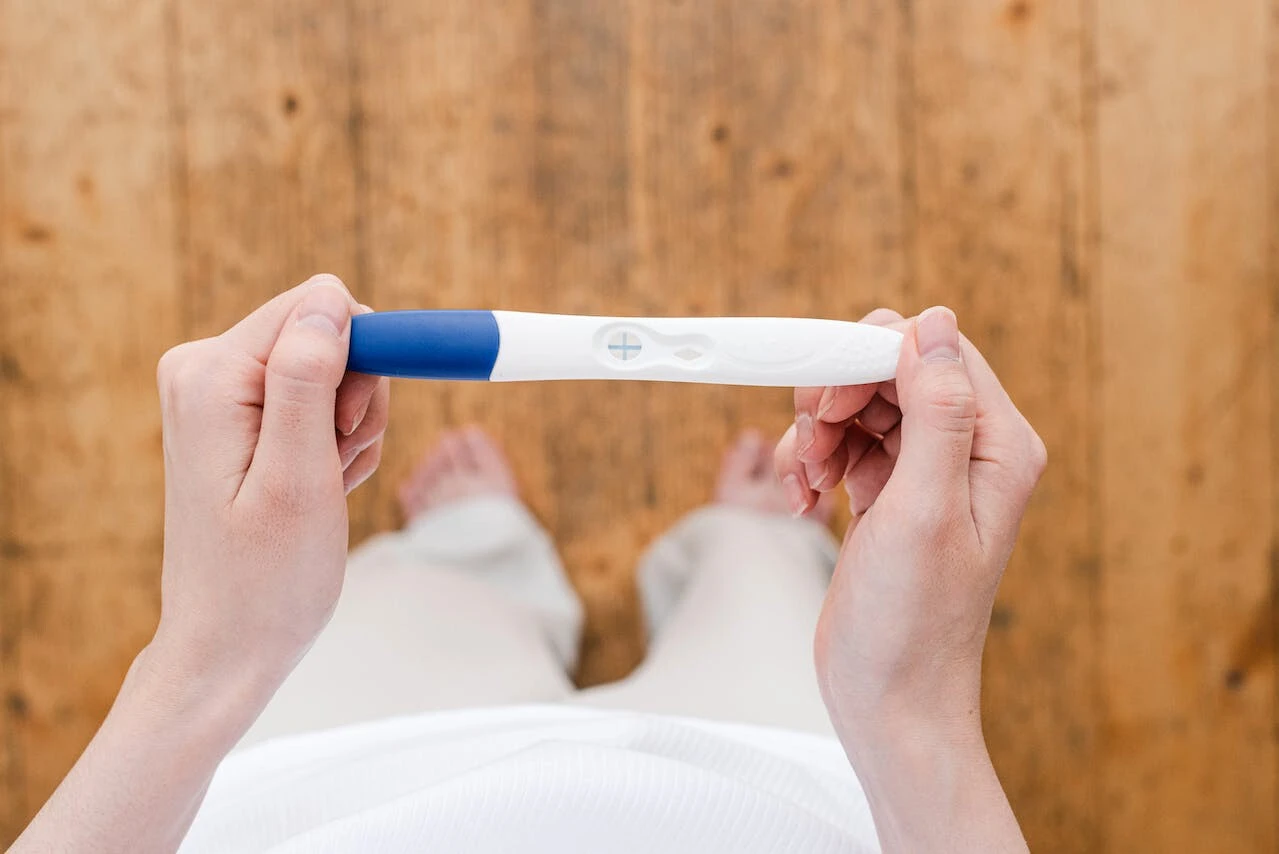
Pregnancy testing is required because early exposure may happen before pregnancy is obvious. Doctors usually test before treatment starts and again during follow-up visits. Many patients must have negative pregnancy tests before they can start the drug.
They may also need more negative pregnancy tests during treatment to keep receiving it. Some plans involve time testing around the patient’s menstrual period to improve accuracy. This process is part of the safety system linked to the i-pledge program.
Birth Control Requirements During Treatment
Many treatment programs require two forms of birth control during isotretinoin use. Options may include an intrauterine device or birth control pills, depending on the treatment plan. Patients should review options with their healthcare provider and follow the plan closely.
These steps are aimed at preventing birth defects caused by isotretinoin in patients who can become pregnant. Doctors often review the rules in detail with women of childbearing age before they prescribe isotretinoin. Careful planning is a standard part of safe use.
Planning Pregnancy After Accutane
Doctors usually recommend stopping isotretinoin at least 1 month before trying to get pregnant. This gives the drug time to clear from the body before conception. Patients are often told to avoid pregnancy while taking isotretinoin and for 1 month after stopping it.
Fertility and Future Pregnancy
Some patients worry that isotretinoin may permanently affect fertility or cause other long-term Accutane effects. Current evidence does not show that Accutane usually harms long-term fertility. The main concern is exposure during active treatment, not future ability to get pregnant.
Does Accutane Affect Pregnancy in the Future
Once isotretinoin has left the body, it does not appear to increase the risk of birth defects in subsequent pregnancies. In other words, the risk is tied to current exposure, not to a past course that has already ended. Patients can review their timeline with a healthcare provider before trying to conceive.
Understanding why pregnancy must be avoided during isotretinoin treatment can help patients make safer and more informed decisions. Clear guidance on timing, testing, and birth control is an important part of reducing risk and planning for future pregnancy.
If you want to start treatment or discuss whether isotretinoin is appropriate for your situation, you can visit DermOnDemand.