
DermOnDemand provides educational information to help patients understand common symptoms and the effects of treatment. Dr. Alicia Atkins, a physician experienced in dermatologic care, explains that fatigue during isotretinoin therapy can have several possible causes.
Accutane works by reducing oil production and clearing clogged pores that lead to severe acne, and its development is explained in the history of Accutane treatment. The medication can produce several physical changes while the body adjusts to treatment. These changes may contribute to feeling tired on Accutane for some patients. Understanding how fatigue develops can help patients interpret symptoms and manage expectations during treatment.
Key Takeaways
- Fatigue can occur during isotretinoin treatment, and some patients report feeling tired on Accutane while their body adjusts to the medication.
- Changes in sleep patterns, muscle and joint pain, and other isotretinoin-related side effects may contribute to lower energy levels during treatment.
- Fatigue is often temporary, and many patients notice improvement in energy levels as treatment continues or after Accutane therapy ends.
- Healthy habits such as maintaining a balanced diet, staying hydrated, and keeping regular sleep schedules may help manage fatigue during treatment.
- Persistent or severe fatigue should be evaluated by a medical professional to rule out other causes and ensure safe use of Accutane Isotretinoin.
Can Accutane Cause Fatigue
Fatigue is not the most common side effect of isotretinoin, but some patients report reduced energy during treatment. Many people search online because they feel tired on Accutane and want to know if the medication is responsible.
Clinical information shows that fatigue can occur alongside other side effects of isotretinoin. The experience varies widely from person to person. Accutane can affect several body systems during treatment. Some people develop muscle and joint pain or changes in sleep patterns that make daily activities feel more demanding.
When patients report feeling tired on Accutane, doctors often evaluate whether the fatigue is accompanied by other symptoms. In many cases, the symptom improves as the body adapts to treatment.
Does Accutane Give You Less Energy
Some patients notice lower daily energy levels while taking Accutane (isotretinoin). This can happen because the body is adjusting to changes in oil production and inflammation levels. Fatigue may also occur when side effects such as muscle soreness or dry eyes interfere with normal routines. In these cases, energy levels may gradually improve during treatment.
Does Accutane Make You Need More Sleep
Sleep patterns sometimes change during isotretinoin therapy. Patients may feel they need more rest or experience daytime sleepiness. These changes may explain why some people report feeling tired on Accutane even when their schedule has not changed. Fatigue related to sleep often improves once the body stabilizes on the medication.
Feeling Tired on Accutane: Common Symptoms
Patients may describe fatigue during isotretinoin treatment in different ways. Common symptoms include:
- Mild daytime tiredness or low energy
- Feeling extremely tired on Accutane during the first months of treatment
- Reduced motivation for daily tasks
- Slower recovery after exercise or physical activity
- General body fatigue or heaviness
These symptoms are often temporary and may improve as the body adjusts to treatment.
Why Accutane Can Make You Extremely Tired
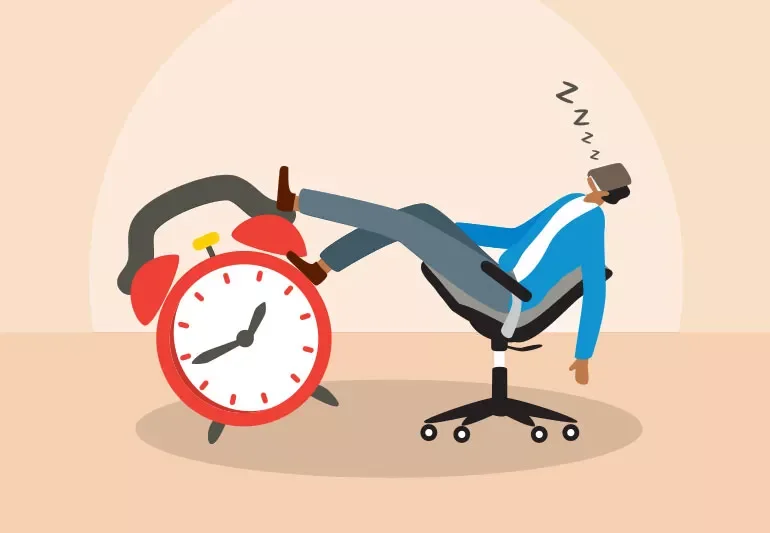
Accutane isotretinoin affects many biological processes that can influence energy levels. The medication alters oil gland activity, inflammation pathways, and immune responses in the skin. These changes help treat nodular acne, but they may also affect how the body manages energy and recovery.
As a result, some patients feel extremely tired on Accutane during certain stages of treatment. Fatigue can also occur when several side effects appear together. For example, muscle soreness, chapped lips, or dry skin may make daily activities feel more exhausting.
When the body experiences multiple potential side effects simultaneously, energy levels may temporarily decline. Most patients find that symptoms stabilize after the early months of therapy.
How Isotretinoin Affects the Brain and Sleep
Research suggests that isotretinoin may influence chemical signals related to sleep and mood. Changes in these signals may contribute to fatigue or mild changes in mental health. Doctors monitor patients carefully because mental health symptoms can appear in rare cases. This monitoring helps ensure treatment remains
Muscle and Joint Effects on Energy
Muscle and joint pain are among the known side effects of Accutane (isotretinoin). These symptoms are more noticeable in physically active patients. Muscle soreness can increase the effort required for daily movement and exercise. When this occurs, patients may feel tired on Accutane even if sleep remains normal.
Sleep Disturbances and Low Energy
Dry eyes, chapped lips, and dry skin can sometimes disrupt sleep comfort. Contact lens wearers may also experience eye irritation during treatment. These symptoms may reduce sleep quality and contribute to fatigue. Small changes in sleep quality can lead to noticeable daytime tiredness.
Does Accutane Fatigue Go Away
For most patients, fatigue improves as the body adjusts to treatment. Accutane therapy often lasts several months, and side effects may change during that time. Many patients report that early fatigue becomes less noticeable as therapy progresses. Energy levels often return to normal after treatment ends.
The timeline varies by individual. Lifestyle factors such as sleep habits, nutrition, and physical activity can influence the development of fatigue. A balanced diet and consistent sleep schedule can support energy levels during treatment. Doctors also review other health factors if fatigue persists.
Fatigue During Treatment
Fatigue during treatment may occur in the first weeks or months. Some people feel tired while their body adjusts to Accutane. In many cases, symptoms remain mild and do not interfere with normal activities. Doctors may monitor symptoms during routine follow-up visits.
Energy After Stopping Accutane
Once treatment ends, many side effects gradually resolve. Patients usually notice improvement in dry eyes, dry skin, and fatigue over time. The body returns to its normal oil production and inflammation balance. For most patients, energy levels recover completely.
How to Beat Accutane Fatigue
Managing fatigue often involves simple daily habits that support overall health. Patients can reduce fatigue by maintaining regular sleep schedules and staying hydrated. A balanced diet helps the body recover from medication-related stress. Light exercise can also support energy levels for those who remain physically active.
Some people benefit from monitoring their symptoms during treatment. Tracking sleep patterns, activity levels, and fatigue can help identify patterns. Doctors may review these patterns during follow-up appointments. DermOnDemand educational resources often highlight the importance of symptom awareness during acne treatment.
Sleep, Hydration, and Daily Habits
Healthy daily habits play a major role in maintaining energy. Drinking enough water and eating regular meals helps stabilize blood fat levels and metabolic balance. Patients taking isotretinoin should avoid excessive alcohol and maintain consistent sleep routines. These habits support the body during treatment.
Monitoring Symptoms During Treatment
Patients should pay attention to new or worsening symptoms during therapy. Fatigue that suddenly worsens or appears alongside other symptoms may require evaluation. Monitoring helps doctors determine whether symptoms relate to isotretinoin or another health issue. This approach improves treatment safety.
What Is the Purging Stage of Accutane
The purging stage refers to an early phase of treatment when acne may temporarily worsen. During this time, clogged pores move toward the skin’s surface. This process may increase the likelihood of breakouts before improvement begins. The stage is temporary and often resolves within several weeks.
Purging can create stress for some patients because acne may look worse before it improves. Stress and inflammation during this phase may contribute to fatigue. Patients may feel tired on Accutane as the body adjusts to both the medication and the changes in inflammation.
Understanding this stage helps patients maintain realistic expectations.
Why Breakouts Worsen Early
Accutane speeds up the process of clearing clogged pores on the skin. This rapid turnover can bring hidden acne lesions to the surface. As a result, acne may appear worse before it begins to improve. Dermatologists often explain this stage during treatment planning.
Whether Purging Affects Energy
The purging stage mainly affects the skin, but the emotional stress of worsening acne can influence energy levels. Anxiety about appearance or treatment progress can contribute to feeling tired on Accutane. Education about this stage can reduce uncertainty and stress. Many patients notice improvement once the purging phase passes.
What Patients Say About Accutane Fatigue

Patient discussions online often mention fatigue during isotretinoin therapy. These discussions can help patients feel less isolated in their experience. However, online experiences should not replace medical guidance.
People often describe fatigue in different ways. Some report mild tiredness, while others say they felt extremely tired on Accutane during the early months of therapy. These experiences vary widely between individuals. Personal health history and lifestyle factors can influence how symptoms appear.
Limits of Online Patient Reports
Online reports are useful for understanding patient experiences, but do not represent scientific evidence. Individual experiences may not reflect the average response to treatment.
Doctors evaluate fatigue within the context of medical history and laboratory tests. This approach helps determine whether the symptoms are related to isotretinoin.
When Fatigue on Accutane Needs Medical Advice
Most fatigue during isotretinoin therapy is mild and temporary. However, persistent fatigue should be evaluated by a medical professional. Doctors may review sleep patterns, nutrition, and overall health to identify contributing factors. Monitoring ensures that treatment remains safe.
Certain symptoms may require additional evaluation. These include severe fatigue, mood changes, or unusual muscle pain. Patients who are pregnant or breastfeeding must avoid isotretinoin because the drug can pass into breast milk and harm a developing fetus. The drug administration fda guidelines also require
Symptoms That Should Be Evaluated
Patients should seek medical advice if fatigue becomes severe or interferes with daily activities. Doctors may check blood fat levels and other laboratory markers during treatment. These tests help identify possible causes of fatigue. Monitoring helps ensure safe use of the medication.
If fatigue continues or feels difficult to manage, a medical evaluation can help identify possible causes and guide appropriate care. DermOnDemand. provides educational information to help patients better understand symptoms and treatment considerations when using medications such as isotretinoin.