
Wegovy Doses Chart: The Full Schedule, Including the New HD Dose
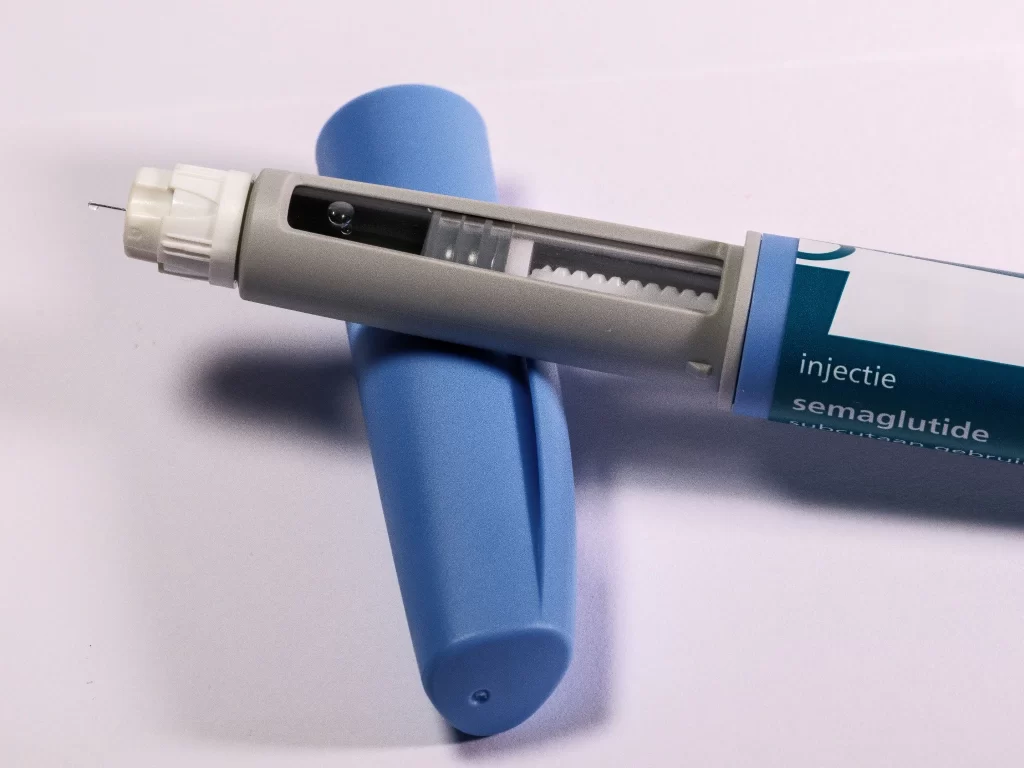
Wegovy now comes in six dose strengths: 0.25 mg, 0.5 mg, 1.0 mg, 1.7 mg, 2.4 mg, and, as of March 2026, a new 7.2 mg HD option. The first five follow a step-up schedule every 4 weeks, reaching the standard 2.4 mg maintenance dose around week 16 to 17. The 7.2 mg HD dose isn’t part of that initial climb.
Ozempic Before and After: What a Realistic Timeline Looks Like
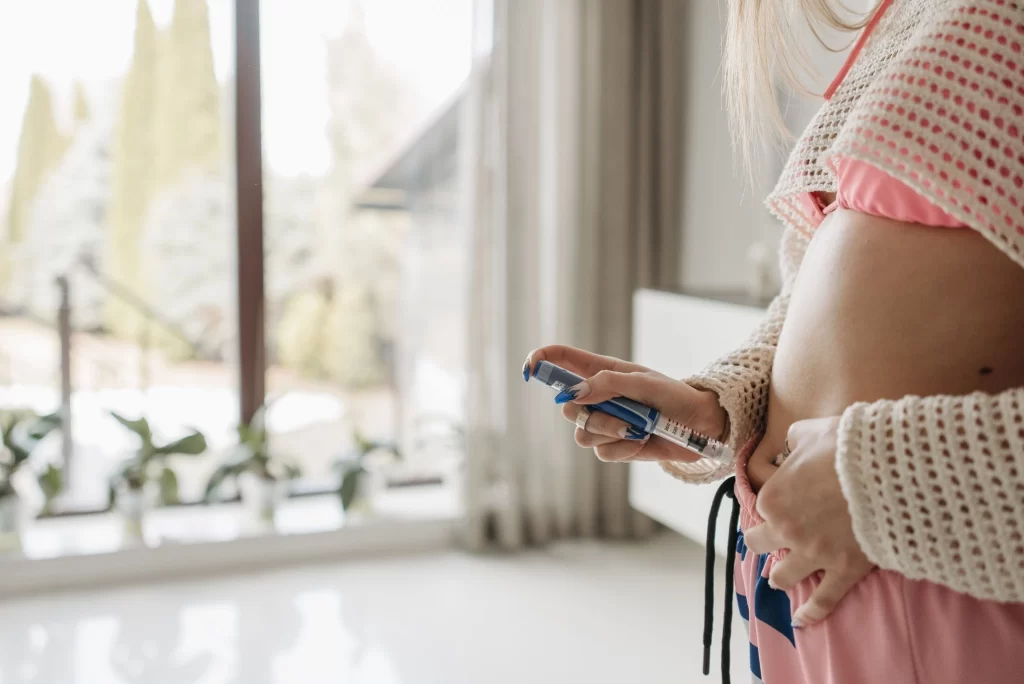
Most people don’t see dramatic changes in the first month on Ozempic. The first four weeks are spent on a starting, non-therapeutic dose, and most visible results start showing up around month 3, accelerate through month 6, and reach their most noticeable point around month 12.
Tirzepatide Price: What Zepbound and Mounjaro Actually Cost in 2026
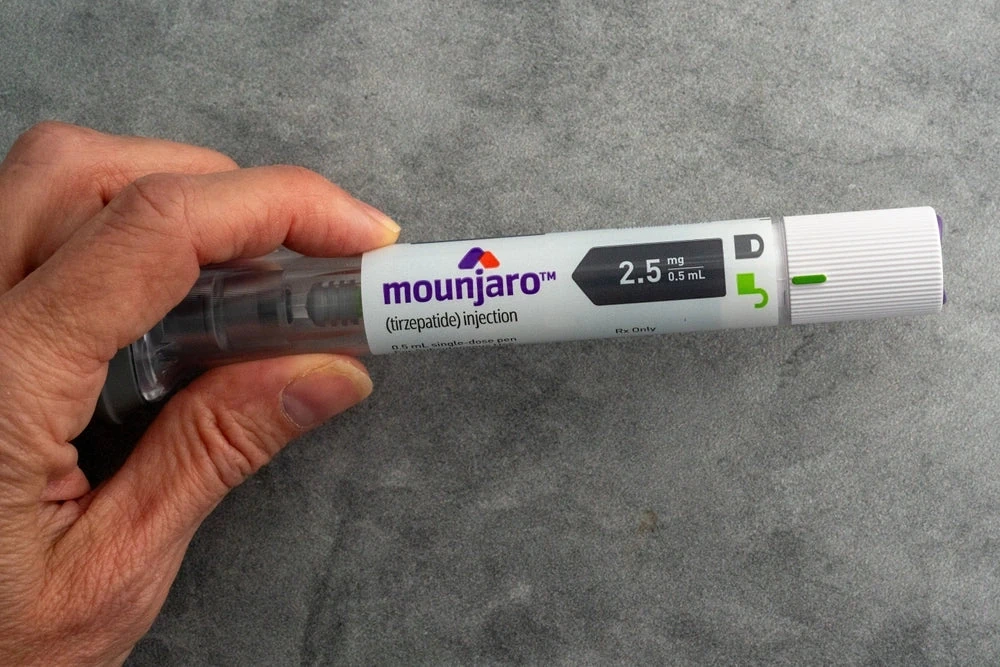
Tirzepatide’s list price is over $1,000 a month for both brand names, Zepbound and Mounjaro, but almost nobody actually pays that
Semaglutide Weight Loss Dosage Chart: The Full Titration Schedule
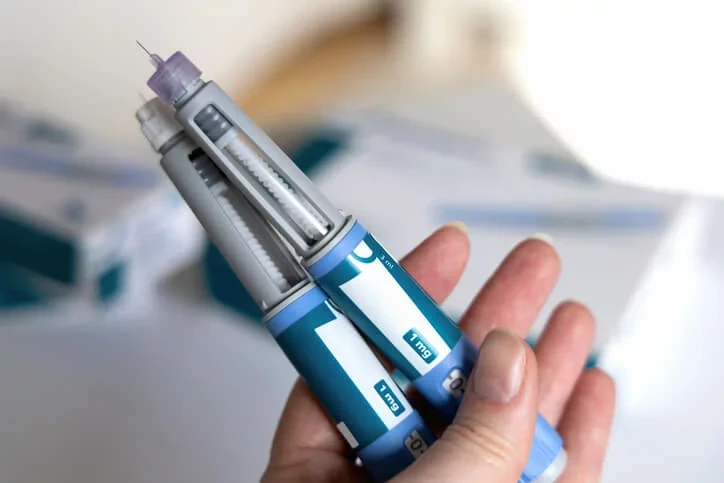
Semaglutide for weight loss starts at 0.25 mg once weekly for the first 4 weeks, then increases every 4 weeks through 0.5 mg, 1.0 mg, and 1.7 mg, up to the standard maintenance dose of 2.4 mg.
Rybelsus Side Effects: What’s Normal and What to Watch For
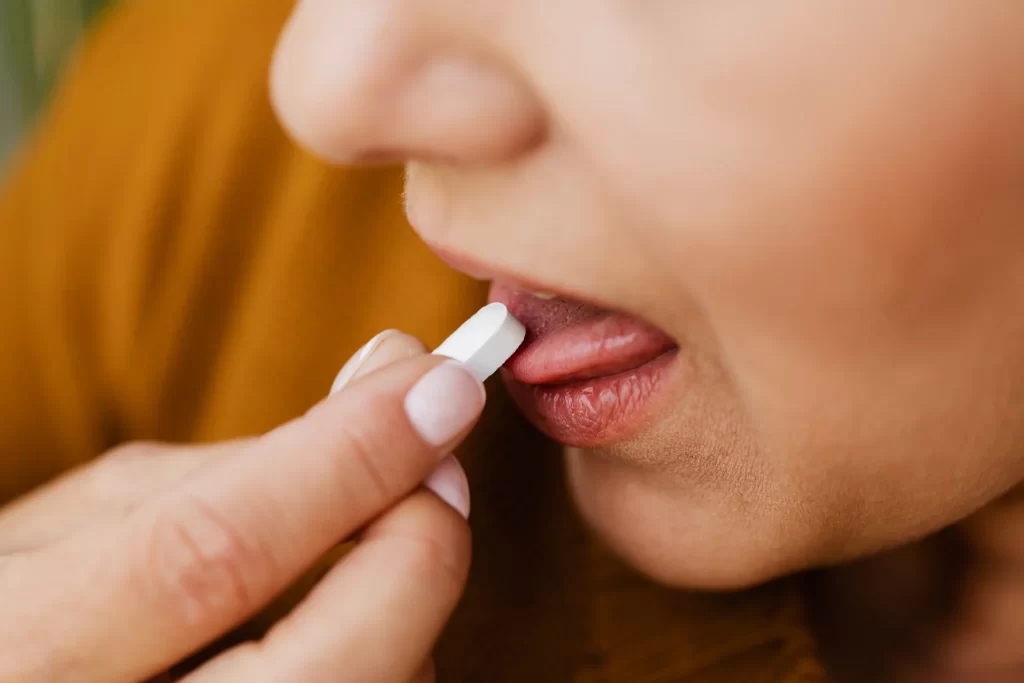
The most common Rybelsus side effects are nausea, stomach pain, diarrhea, decreased appetite, vomiting, and constipation, and most people notice them most in the first few weeks or right after a dose increase.
Can Urgent Care Diagnose Skin Cancer?

Urgent care can perform an initial skin cancer check and identify suspicious spots, but it cannot give you a definitive diagnosis without a skin biopsy and lab testing. Urgent care providers can examine your skin, evaluate risk factors, and refer you to a dermatologist. Still, only a dermatologist’s mole check, followed by biopsy, can confirm whether cancer is actually present.
How to Avoid Saggy Skin When Losing Weight
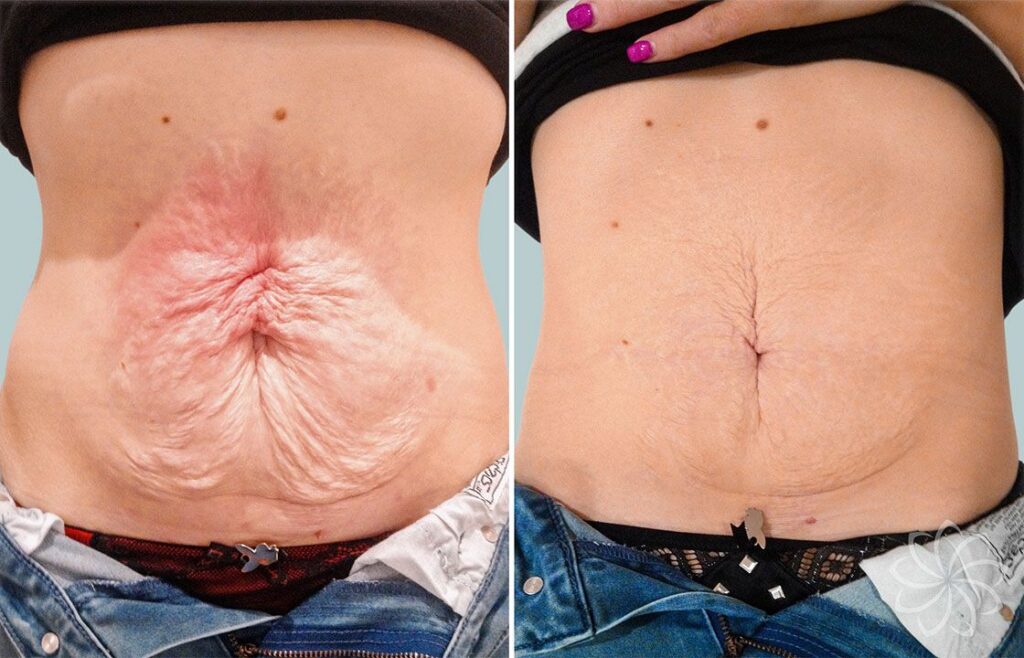
To avoid sagging skin when losing weight, lose 1 to 2 pounds per week, build muscle through strength training 2 to 3 times per week, eat enough protein (0.75 grams per kilogram of body weight daily), and protect your skin from sun damage with daily SPF 30 sunscreen.
These strategies work best together because they give your skin time to adapt while supporting collagen production. Your results depend on genetics, age, and the amount of weight you lose, but combining these approaches significantly reduces the risk of loose skin.
Foot Skin Blisters: Causes, Treatment, and Prevention
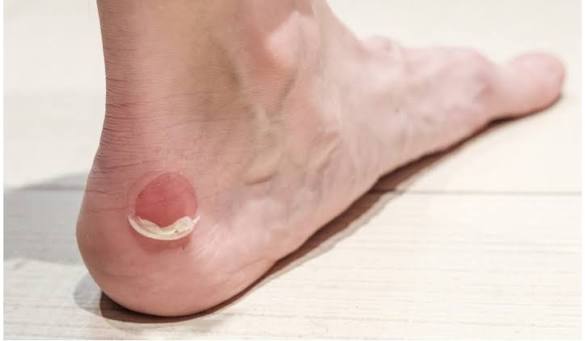
Most foot blisters result from friction, usually caused by shoes that rub or fit poorly. Heat, sweat, allergic reactions, and fungal infections such as athlete’s foot can cause them too. Nearly all heal at home within a few days with simple care: keep the blister clean, covered, and protected while the skin repairs itself beneath the blister.
A few blisters need closer attention, though. One that becomes infected, keeps returning, or does not heal can signal an underlying problem, such as diabetes, so a doctor should check it. This guide explains what causes foot skin blisters, how to treat and drain them safely, and how to prevent the next one.
Beef Tallow Benefits for Skin: Uses, Risks, and Care

Beef tallow can help moisturize dry skin because it contains fatty acids and fat-soluble vitamins that may support the skin barrier and reduce moisture loss. The main beef tallow benefits for skin include a softer texture, temporary relief from dryness, and added protection against water loss.
Beef tallow is not a proven treatment for acne, eczema, aging, or other skin conditions. Research is limited, and acne-prone skin may react poorly to heavy products, which can clog pores.