
Accutane, also known as isotretinoin, is not known to directly cause weight loss. Clinical studies show that most people maintain a stable body weight during treatment, with only small, non-medically significant changes.
Some patients still ask, “Does Accutane cause weight loss?” because they notice appetite changes, fatigue, or lifestyle shifts while taking the medication. In most cases, these factors – rather than the drug itself – explain temporary weight fluctuations. The sections below explain what research shows, why some people notice changes, and how doctors monitor health during treatment.
Key Takeaways
- Accutane, also known as isotretinoin, does not usually cause weight loss or weight gain, and most clinical studies show that body weight remains stable during treatment.
- Some patients notice weight fluctuations while using isotretinoin, but these changes often relate to lifestyle factors such as diet, activity level, or appetite rather than the medication itself.
- Isotretinoin works by reducing oil production in the sebaceous glands, which helps treat severe acne but can also cause common side effects such as dry skin and chapped lips.
- Doctors monitor patients during isotretinoin treatment with regular checkups and blood tests to track health markers such as cholesterol levels and liver function.
- Patients should speak with a doctor if they experience significant weight changes, marked shifts in appetite, or other unusual symptoms during treatment.
Does Accutane Cause Weight Loss Or Gain
Most research shows the medicine does not directly change body weight. Studies that measure body mass index (BMI) before and after treatment usually show very small changes. These small differences are not considered medically important.
Some people still notice weight fluctuations during treatment. These changes may occur due to diet, daily habits, or normal body changes over time. Doctors look at many health factors when a patient reports weight changes. This helps determine whether the change relates to the medication or another cause.
What Research Says About Weight Changes
Clinical studies help doctors understand how medicines affect the body. Researchers have studied isotretinoin treatment and its effect on body weight and metabolism. Most studies show little or no change in BMI after treatment. These findings suggest the drug does not strongly affect body weight.
Researchers also study other health markers during treatment. These include cholesterol levels, blood sugar, and inflammation markers. Doctors often order blood testing to monitor these changes. Careful monitoring helps ensure the treatment stays safe.
What Is Accutane And How It Works
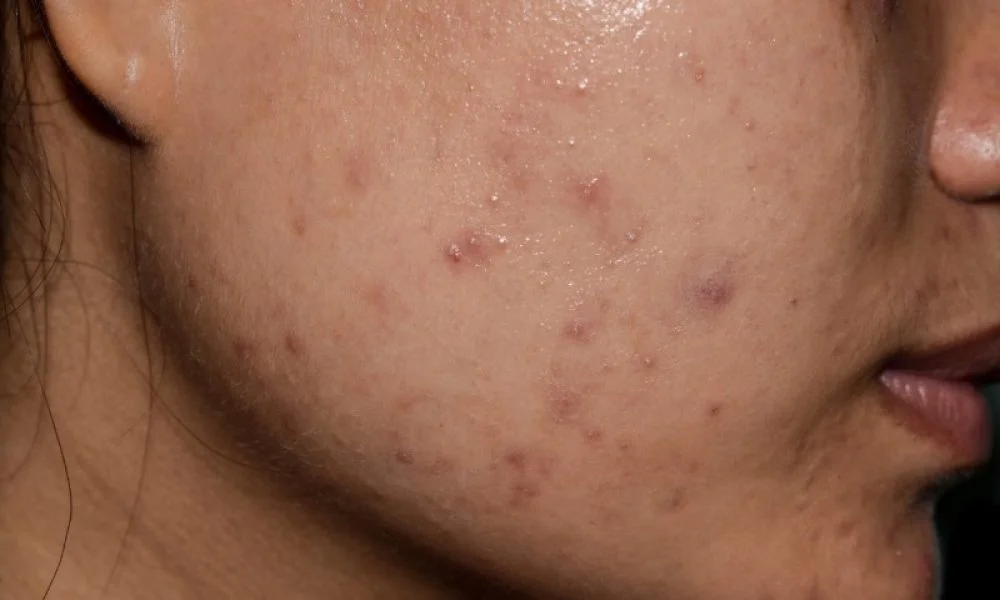
Accutane is a name often used for isotretinoin, a drug used for severe acne treatment, and a detailed overview of the medication is available in this guide to Accutane and isotretinoin treatment. The medicine comes from a form of vitamin A and affects how skin cells grow. Dermatologists prescribe isotretinoin treatment when acne is severe or does not respond to other options. Treatment usually lasts several months.
The medicine targets several causes of acne at once. It reduces oil production in the skin and helps prevent blocked pores. Less oil also reduces bacterial growth in the skin. Because the drug affects many systems, doctors monitor patients during treatment.
How Isotretinoin Treats Severe Acne
Severe acne forms when oil, bacteria, and skin cells block hair follicles. Isotretinoin reduces oil production by shrinking the sebaceous gland. Lower oil levels make it harder for bacteria to grow. This helps reduce acne inflammation.
The drug also helps skin cells shed more normally. This reduces clogged pores and lowers the risk of new breakouts. These combined effects explain why isotretinoin is a strong acne treatment option. Doctors still monitor patients because the medicine has potential side effects.
Can You Lose Weight While On Accutane?
It’s common to ask, Can Accutane make you lose weight? Research shows that weight loss is not a common effect of the medicine. Most patients keep the same body weight during isotretinoin treatment. However, some people still report small changes.
These changes may come from daily habits rather than the drug itself. Some people feel tired or have joint pain during treatment. This may reduce exercise for a short time. Diet changes during treatment can also affect body weight.
Does Accutane Cause Loss Of Appetite?
Medical research does not list appetite loss as a common side effect. Still, people can respond to medicine in different ways.
Appetite can change due to stress, changes in routine, or dietary habits. Acne itself can affect mood and eating patterns. Doctors ask patients about diet and appetite during treatment visits. This helps them track overall health.
Lifestyle Factors That Affect Weight
Body weight often changes because of normal lifestyle factors. Activity level, sleep habits, and food choices all affect weight. For example, some patients eat meals with healthy fats when taking isotretinoin because the drug is absorbed better with fat, and doctors often recommend specific fatty foods to accompany Accutane to support proper absorption. This may slightly change daily calorie intake.
Stress and mental health can also affect eating patterns. Acne can influence mood, confidence, and daily routines. These changes may affect appetite or activity levels. Doctors consider these factors when patients report weight fluctuations.
Does Accutane Cause Weight Gain?
Some people worry about the opposite problem and ask if the drug causes weight gain. Research shows weight gain is not a typical side effect of isotretinoin. Most patients maintain stable body weight.
Still, some patients believe the drug contributed to weight gain. Doctors review daily habits and health changes when this happens. Diet and activity patterns often explain the change. These factors are usually more important than the medicine itself.
Why Some Patients Report Weight Gain
Patients sometimes notice weight gain during treatment, even when research shows no strong link. This may happen because body weight naturally changes over time. Small increases or decreases happen in most people each year. When these changes occur during treatment, they may appear to be related to the drug.
Lifestyle factors also play a role. Changes in exercise, sleep, or diet can affect body weight. Doctors review these habits during checkups. This helps identify the real cause of weight changes.
Can Accutane Slim Down Your Face?

Some people think isotretinoin can change the shape of the face. They notice photos before and after acne treatment and wonder if the face looks slimmer. In most cases, the change relates to improved skin inflammation rather than weight loss. Acne swelling often decreases as treatment works.
When acne clears, redness and swelling often improve. This can make facial features appear more defined. The change can make the face look slimmer. However, this usually reflects skin healing rather than fat loss.
What Is The Most Common Side Effect Of Accutane
There are several known effects linked to this treatment, which are explained in more detail in this overview of isotretinoin side effects. Among the common side effects of Accutane, dry skin and dry lips are the most common. The drug reduces oil production throughout the body. This makes the skin lose moisture more easily.
Doctors explain these effects before treatment begins. Patients often use moisturizers and lip balm during therapy. These steps help manage dryness. Careful monitoring also helps doctors detect other potential side effects.
Dry Skin And Lips
Dryness is the most frequent symptom during isotretinoin treatment. Lower oil levels make the skin more sensitive and prone to dryness. Lips often become chapped during therapy. Moisturizers help reduce discomfort.
Joint Pain And Muscle Discomfort
Some patients report mild joint pain or muscle stiffness. These symptoms may occur because the medicine affects inflammation pathways in the body. Joint pain is usually mild and temporary. Doctors evaluate symptoms if they continue.
Changes In Blood Lipids
Isotretinoin can affect cholesterol and triglyceride levels. Doctors monitor these markers with blood testing during treatment. This helps detect changes early. Monitoring helps keep treatment safe.
When Weight Changes Should Be Evaluated
Small weight fluctuations are normal for most people. Body weight often changes slightly over time because of diet or daily habits. However, large or sudden changes should be discussed with a doctor. Medical evaluation helps rule out other causes.
Doctors also review symptoms that occur during treatment. Mental health, digestion, and energy levels can influence body weight. In rare situations, doctors may consider conditions such as inflammatory bowel disease when symptoms appear. Careful monitoring helps protect patient safety.
Signs That Need Medical Advice
Patients should speak with a doctor if they notice unusual symptoms. These include rapid weight loss, sudden weight gain, or significant changes in appetite. Ongoing joint pain, stomach pain, or severe fatigue should also be discussed. Early medical review helps identify possible causes.
Monitoring Health During Treatment
Doctors monitor patients closely during isotretinoin treatment. Blood testing checks liver health, cholesterol levels, and other markers. These tests help confirm that treatment remains safe. Regular visits allow doctors to adjust treatment if needed.
Dermatology care platforms such as DermOnDemand also stress the importance of medical supervision during isotretinoin therapy, and patients who want to learn about the evaluation process can review how to start isotretinoin treatment online.
Monitoring helps manage potential side effects and protect long-term health. Clear communication between the patient and the doctor helps ensure safe and effective treatment.