
Current research does not show that isotretinoin directly causes cancer. Studies that follow patients over time have not found a consistent increase in overall cancer risk. This means there is no clear proof that taking Accutane leads to cancer development.
When people ask, Is cancer caused by Accutane?, the answer is that no causal link has been confirmed. Medical studies focus on patterns across large groups, and these patterns do not support a direct relationship. The concern often comes from how acne, hormones, and cell growth interact, not from the medication alone.
Key Takeaways
- Current research does not show that isotretinoin causes cancer, and no direct causal link has been established in long-term studies.
- Questions like “Does Accutane cause skin cancer?” or “Does Accutane cause breast cancer?” are not supported by consistent clinical evidence.
- Some concerns come from studies linking severe acne, not the medication, to certain cancer risks, which can lead to confusion.
- Isotretinoin has known side effects such as dry skin, joint pains, and risk of birth defects, which require monitoring through blood tests and medical supervision.
- A clear understanding of evidence helps patients separate myths from proven risks and make informed decisions about treating severe acne.
What Research Shows About Cancer Risk
Long-term data from population studies show that isotretinoin use does not increase cancer rates in a consistent or measurable way. Some studies even suggest neutral or slightly protective effects in certain groups, though these findings are not strong enough to change clinical guidance. Researchers continue to study these patterns to understand how skin conditions relate to broader health risks.
It is important to separate correlation from causation. If a person with acne later develops cancer, this does not mean the medication caused it. Many factors, such as genetics, environment, and hormonal changes, influence cancer risk over time.
Is Isotretinoin Linked to Cancer
The phrase “linked to cancer” often reflects association rather than cause. Some research explores whether a history of acne may be associated with melanoma risk, but this does not imply that isotretinoin is responsible. Instead, underlying biological factors may explain both conditions.
Isotretinoin affects how skin cells grow and mature, which is why it is also studied in cancer-related contexts. This can create confusion, but studying a drug in cancer research does not mean it causes cancer. It shows that the drug interacts with cell behavior in ways that scientists want to understand.
Accutane and Specific Cancer Types
Does Accutane Cause Skin Cancer
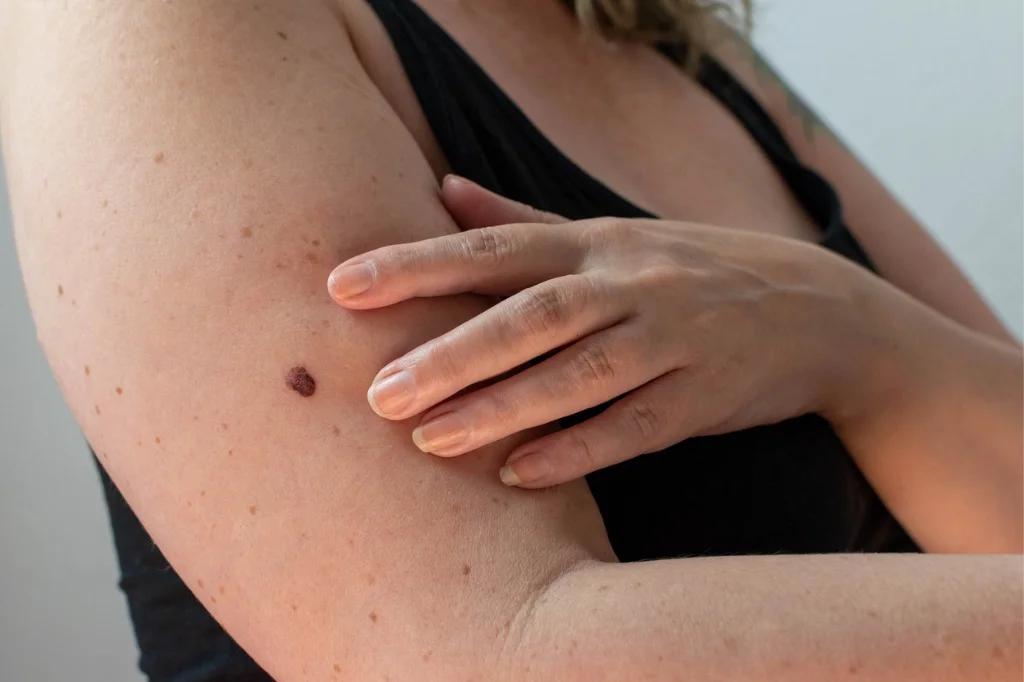
Research does not show that isotretinoin increases the risk of skin cancer. Some studies have examined melanoma in people with a history of acne, but they do not isolate Accutane as the cause. Skin cancer risk is more strongly linked to factors such as ultraviolet exposure and genetic predisposition.
When patients ask, Does Accutane cause skin cancer, the available evidence does not support that conclusion. Monitoring skin changes remains important, but the medication itself is not considered a known trigger.
Does Accutane Cause Breast Cancer
There is no strong evidence connecting isotretinoin to breast cancer. Research on breast tissue and hormone-sensitive cancers has not identified a consistent link. Most available data show no increase in breast cancer rates among users.
Questions like Does Accutane cause breast cancer often arise because hormones influence both acne and breast tissue. While hormonal pathways are complex, isotretinoin does not act in a way that has been shown to increase this type of cancer risk.
Why This Concern Exists
Acne and Melanoma Research
Some studies suggest that people with a history of severe acne may have a higher risk of melanoma. This finding is still being studied and does not establish a direct cause. It may reflect shared biological traits such as hormone levels or immune responses.
This research often leads to confusion because acne treatment is blamed instead of the underlying condition. The focus of these studies is on acne itself, not on isotretinoin as a cause of cancer.
Misinterpretation of Studies
Medical research can be complex, and headlines may simplify or misrepresent findings. When a study mentions both acne and cancer, readers may assume a direct connection. In reality, these studies often explore broader patterns, not cause-and-effect relationships.
Online sources sometimes amplify risk without context, which can increase concern. Understanding how studies are designed helps clarify what is proven and what remains uncertain.
What Accutane Is and How It Works

How Isotretinoin Affects Skin Cells
Isotretinoin is a derivative of vitamin A that changes how skin cells grow and shed, as explained in this overview of Accutane. It reduces the size and activity of oil glands, which lowers oil production. This helps prevent clogged pores and reduces inflammation.
By acting on oil glands and cell turnover, the medication addresses the root causes of severe acne. It also influences cell maturation, which explains why it is studied in other medical fields.
Why It Treats Severe Acne
Doctors prescribe isotretinoin to treat severe acne, such as cystic acne and nodular acne. These forms of acne can cause scarring and do not respond well to standard treatments. Isotretinoin targets multiple pathways, making it more effective for these cases.
Treatment usually requires monitoring through blood tests to check liver function and blood fat levels, especially when reviewing long-term Accutane effects. This ensures that the medication remains safe during use.
Isotretinoin in Cancer Treatment
Why It Is Studied in Oncology
Researchers study isotretinoin in certain cancer settings because it affects cell growth and differentiation. In some cases, it helps control how abnormal cells develop. This has led to its use in specific conditions such as neuroblastoma.
This use does not mean the drug causes cancer. It reflects its ability to influence cellular processes, which can be useful in controlled medical settings.
Effects on Cell Growth
Isotretinoin can promote controlled cell death and regulate cell division. These effects are relevant in both acne treatment and cancer research. Scientists study these mechanisms to better understand how cells behave under different conditions.
The overlap between acne treatment and oncology research can create confusion. However, the context and dosing differ significantly in each case.
Can Cancer Cause Acne on the Face
Hormonal Changes and Breakouts
Certain cancers or treatments can affect hormone levels, which may lead to acne-like breakouts. These changes are more common in conditions that alter hormone balance. The skin may respond with increased oil production and inflammation.
When people ask, Can cancer cause acne on the face, the answer is that it can happen in specific situations. However, most cases of acne are not related to cancer.
Can Breast Cancer Cause Acne on the Face
Breast cancer itself does not usually cause acne, but treatments such as hormone therapy can influence the skin. These changes may trigger breakouts in some patients. The effect depends on the individual’s response to treatment.
Questions like Can breast cancer cause acne on the face often relate to treatment side effects rather than the disease itself. A medical evaluation can help clarify the cause of new skin changes.
Real Risks of Isotretinoin
Common Side Effects
Isotretinoin has well-known side effects that are monitored during treatment. The most common include:
- Dry skin and chapped lips
- Dry eyes
- Joint pains
These effects are expected and usually improve after treatment ends. Skincare adjustments can help manage symptoms during therapy.
Serious but Rare Risks
Some risks require closer monitoring, including concerns discussed in Accutane and Crohn’s disease. These include changes in liver function, elevated blood fat levels, and mood changes such as suicidal thoughts in rare cases. Regular blood tests help detect these issues early.
Pregnancy is a major concern because isotretinoin can cause severe birth defects. Strict pregnancy testing is required during treatment in the United States to prevent exposure.
Monitoring and Care Requirements
When Remote Care Is Possible
Some aspects of acne treatment can be managed remotely, including follow-up discussions and symptom tracking. Patients can report side effects and receive guidance on managing dry skin or other common issues. This approach works when the condition is stable.
DermOnDemand uses remote care in appropriate cases to support ongoing monitoring. This model focuses on communication and regular check-ins rather than replacing necessary medical tests.
When In-Person Care Is Needed
In-person care is required for blood tests and physical evaluations. Doctors need these assessments to monitor safety and adjust treatment if needed. Severe side effects or unclear symptoms also require direct evaluation.
This combination of remote and in-person care helps maintain safety throughout treatment. It ensures that patients receive appropriate monitoring based on their condition.
Common Misconceptions About Accutane
Cancer Myths and Facts
One common myth is that isotretinoin increases cancer risk. Current evidence does not support this claim. The concern often comes from misunderstanding research or mixing different medical topics.
Accurate information helps patients make informed decisions. Understanding what studies actually show can reduce unnecessary fear.
Acne vs Medication Risk
Another misconception is that the medication is responsible for risks linked to acne itself. In some cases, the underlying condition may be associated with certain health patterns. This distinction is important when interpreting research.
Separating acne biology from medication effects helps clarify the discussion. It allows patients to focus on evidence rather than assumptions.
When to Seek Medical Advice
Symptoms That Need Evaluation
Patients should seek medical advice if they notice unusual symptoms during treatment. These include severe mood changes, persistent headaches, or significant changes in vision. Skin changes that do not improve should also be evaluated.
Regular monitoring helps detect issues early and adjust care when needed. If you need guidance or have concerns during treatment, you can consult a qualified provider through DermOnDemand.